Tác giả: admin

  • The Sitcom Episode That Almost Got Canceled: Why “Edith’s 50th Birthday” Remains TV’s Most Chilling Moment tn01 – US TV Shows Hub


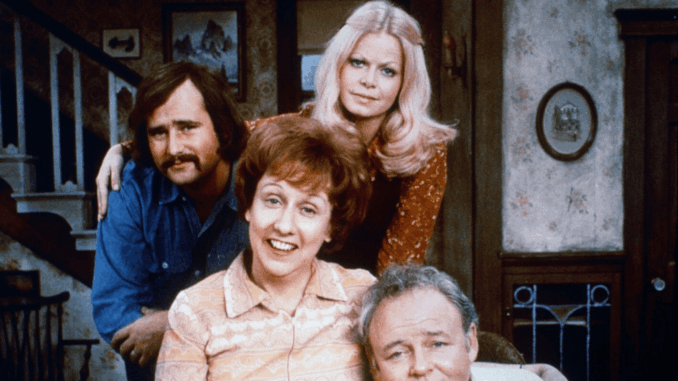
    All in the family 1420x798

    Imagine you’re sitting in your living room in 1977. You’ve got your favorite sitcom on, expecting the usual comfort of a familiar, bickering family. Then, the laughter stops. The tone shifts. Suddenly, the domestic space you thought was safe becomes a place of genuine, visceral terror. That was the experience for millions of viewers when All in the Family aired “Edith’s 50th Birthday.” It wasn’t just another episode; it was a societal earthquake. But why do we still find ourselves dissecting this specific half-hour of television nearly 50 years later?

    ## The Premise: When Darkness Enters the Bunker Home

    The plot seems simple enough on the surface—a classic “surprise party” setup. Edith Bunker, the sweet-natured heart of the show, prepares for her 50th birthday. But while the rest of the family hides next door, waiting to shout “Surprise!”, a predator tricks his way into the Bunker home, posing as a police detective. What follows isn’t a punchline; it’s a harrowing, realistic, and deeply uncomfortable sequence where Edith must fight for her survival.

    ## Why CBS Almost Pulled the Plug

    Before this episode ever hit the airwaves, the network was in a state of panic. Executives weren’t just worried about low ratings; they were terrified of a public backlash. There were rumors of boycotts, private screenings for law enforcement and doctors, and intense internal debates about whether to air it at all. Production even ground to a halt as the team questioned if they were crossing a line that no sitcom had dared to approach.
    Images (10)

    ## The Evolution of the “Very Special Episode”

    Before All in the Family, sitcoms were largely escapist. They were tidy, polite, and rarely acknowledged the uglier side of reality. “Edith’s 50th Birthday” broke the mold. By choosing to center this story on Edith—a character who embodied innocence—the writers forced the audience to realize that violence doesn’t discriminate.

    ## Is the Portrayal Still Relevant Today?

    One reason the debate continues is the sheer grit of the storytelling. Some modern critics argue that the depiction of the perpetrator is a bit “Hollywood,” perhaps relying on the trope of a stranger-danger predator rather than the more common reality of acquaintance-based assault. Others praise it for the raw, emotional aftermath—how the show captured the paralyzing fear and the societal victim-blaming that was so prevalent in the late ’70s.

    ## The Power of Performance: Jean Stapleton’s Masterclass

    We have to talk about Jean Stapleton. She brought a level of vulnerability to Edith that made this episode feel devastatingly real. When she finally escapes and collapses into Archie’s arms, it isn’t just acting—it’s an visceral reaction that resonates across decades.

    ### A Shift in Audience Response

    Do you remember hearing about the studio audience’s reaction? It is said that when Edith finally used the burning birthday cake to fight off her attacker, the audience erupted in the loudest cheers in the show’s history. That moment of catharsis is a testament to how deeply invested the audience was in her survival.

    ## Why the Debate Rages On

    People still debate this episode because it forces us to reconcile two different worlds: the lighthearted environment of 1970s television and the brutal reality of sexual assault. Was it “too much” for a comedy? Or was it exactly what America needed to see to start a real conversation?

    ### The Role of Archie Bunker

    Even Archie, usually the caricature of ignorance, undergoes a subtle shift. His fear for Edith, his helplessness, and his anger highlight how even the most stubborn, set-in-his-ways characters are forced to grow when confronted with real-world tragedy.

    ## The Long-Term Impact on Television

    If you look at modern dramas that tackle tough social issues, you can draw a direct line back to this episode. It proved that audiences were capable of handling complexity and that “serious issues” could be part of the primetime conversation.

    ## Analyzing the “Stranger Danger” Trope

    Critics today often point out that the episode frames the attacker as a random stranger. Is that problematic? Does it reinforce the idea that danger always comes from the outside? It’s a point of contention that keeps film students and sociologists talking to this day.

    ## The Psychological Aftermath

    The second half of the episode focuses on Edith’s recovery—or her struggle to recover. It doesn’t sweep the trauma under the rug. It shows the depression, the fear of answering the door, and the friction it causes in the family. That’s the real “controversy”: the show’s refusal to provide an easy, happy ending.

    ## Comparing “Edith’s 50th” to Other Controversial TV Moments

    How does it stack up against Maude’s abortion episodes or other “issue-heavy” sitcom stories? It sits in a league of its own, mainly because it centers on a physical violation rather than a moral or political choice.

    ## The Expert Consultation Behind the Scenes

    Norman Lear didn’t just write this out of thin air. The production team consulted with crisis centers and experts to ensure they were capturing the emotional reality of the situation. Does that effort hold up under modern scrutiny? That’s for you to decide.

    ## Why We Need These Stories

    Perhaps the reason we keep debating it is that we’re still trying to figure out the right way to tell stories about trauma. Can a sitcom be a place for healing? Or should we keep our heavy stories for the six o’clock news?

    ## The Legacy of the Bunker Home

    “Edith’s 50th Birthday” remains a landmark. It’s a snapshot of a moment when television stopped trying to distract us and started trying to challenge us.

    ## Conclusion: A Turning Point in TV History

    “Edith’s 50th Birthday” remains the gold standard for controversial sitcom storytelling. Whether you view it as a brave attempt at social awareness or a dated take on a sensitive issue, you can’t deny its impact. It changed the Bunker family, it changed CBS, and it changed the way we think about the characters who enter our living rooms every week.

    ## Frequently Asked Questions

    1. Was “Edith’s 50th Birthday” actually banned? While it wasn’t technically “banned,” it faced immense pressure and threats of boycotts, and some local stations were extremely hesitant to air it.

    2. Why was this episode considered so controversial in 1977? At the time, sexual assault was a taboo topic. Discussing it on a popular, family-oriented comedy show was viewed by many as dangerous and inappropriate.

    3. Did Jean Stapleton enjoy filming this episode? Stapleton was a consummate professional, but she recognized the weight of the episode. She and the rest of the cast were committed to treating the subject matter with the gravity it deserved.

    4. How did the audience react to the assault scene? The audience was reportedly horrified during the attack but erupted into massive cheers and applause when Edith finally fought back and escaped.

    5. Why do critics still debate this episode today? The debate usually centers on whether the episode’s depiction of a “stranger predator” is accurate and how well the show handled the complex psychological aftermath of the event.

    This article is a critical reflection on television history and the cultural impact of “All in the Family” as of 2026.

    The full story of the most controversial All in the Family episode

    This video provides an in-depth look at why the episode was so daring for its time and details the intense behind-the-scenes pressure the production team faced before it aired.

  • Hyacinth’s Garden Party and the Escaped Goose – sofierezepte


    Hyacinth Bouquet had spent three weeks preparing for what she confidently described as “the most refined garden gathering this side of Buckingham Palace.” Richard privately called it “another expensive afternoon,” though only in the safety of his own thoughts. The lawn had been trimmed with military precision, every rose bush had been encouraged to bloom through constant conversation from Hyacinth, and the finest Royal Doulton china with the hand-painted periwinkles had been polished until it gleamed in the morning sun.

    Richard carried yet another folding chair into the garden.

    “Hyacinth,” he sighed, “how many people are actually coming?”

    “Quality, Richard, not quantity. Distinguished company requires room to appreciate elegance.”

    “So… six chairs for four guests?”

    “One must never appear cramped.”

    Elizabeth nervously appeared at the side gate carrying a plate of homemade scones wrapped in a tea towel.

    “I hope I’m not early.”

    “My dear Elizabeth,” Hyacinth beamed. “Punctuality is the hallmark of breeding.”

    Elizabeth smiled, relieved.

    Unfortunately, while stepping onto the patio, she caught her foot on a flowerpot and only just managed to save the scones.

    “Oh!”

    “The scones survived,” Hyacinth observed. “Excellent.”

    Richard quietly rescued the flowerpot before Hyacinth noticed.

    Just then Emmet arrived, looking as though he would rather be conducting an orchestra than attending another one of Hyacinth’s social events.

    “Good afternoon.”

    “Mr. Hawksworth!” Hyacinth declared. “You have arrived just in time to admire the symmetry of my hydrangeas.”

    Discover more

    flowerpot

    Tea

    Food

    “I was actually admiring how quickly I could leave.”

    “You do have the most amusing sense of humour.”

    Across the fence, Onslow sat comfortably in his usual vest with Daisy beside him.

    “What’s all this then?” he asked.

    Rose leaned over the fence.

    “Garden party.”

    Onslow grinned.

    “That means posh sandwiches.”

    Hyacinth overheard him immediately.

    “This is an invitation-only occasion!”

    Onslow nodded.

    “Didn’t ask for one.”

    Discover more

    Wildlife

    Home & Interior Decor

    Garden

    As the guests settled into their seats, Hyacinth poured tea with exaggerated grace.

    “Richard, pass the cucumber sandwiches.”

    Before Richard could move, an unexpected honking echoed down the street.

    HONK!

    HONK!

    HONK!

    Everyone turned.

    A large white goose waddled confidently through the open gate as though it owned the property.

    Richard blinked.

    “That’s unusual.”

    Hyacinth smiled uncertainly.

    “It will undoubtedly continue along its way.”

    Instead, the goose marched straight toward the tea table.

    Elizabeth whispered, “Does… does it look hungry?”

    The goose answered by snatching an entire cucumber sandwich directly from the serving plate.

    Onslow, watching from next door, burst into laughter.

    “Well,” he shouted, “it’s got better taste than I expected!”

    Hyacinth stood frozen.

    “That goose,” she announced, “is trespassing.”

    The goose looked directly at her… spread its enormous wings… and let out a thunderous hiss that sent every guest instinctively stepping backward.

    Elizabeth squealed.

    Richard dropped the sugar bowl.

    Emmet quietly calculated the fastest route to his car.

    Then the goose spotted the gleaming silver cake stand in the centre of the table…

    …and charged toward it at full speed.


  • Inside Jodie Sweetin’s Touching Tribute to Comfort Andrea Barber 


    Assetstask 01k478g81fehf8wg2qz4c1

    Have you ever looked at a friendship on television and wondered if it was just clever acting, or if the actors genuinely loved each other in real life? That question crosses our minds whenever we watch our favorite comfort shows.

    Think of stepping onto a soundstage where lights blaze, cameras roll, and laughter echoes through a live studio audience. Now, imagine walking off that stage, decades later, when the applause fades and real-life tragedy strikes. That exact moment of raw reality hit the beloved cast of Full House recently. When Andrea Barber faced an unimaginable personal loss, her lifelong TV sister, Jodie Sweetin, stepped up to anchor her through the storm. Let us dive deep and look at what makes this enduring sisterhood one of television’s most heartwarming real-life stories.

    The Enduring Magic of San Francisco’s Favorite Best Friends

    For eight hilarious seasons on ABC and five more on Netflix’s sequel, Stephanie Tanner and Kimmy Gibbler kept millions of viewers laughing. They were the ultimate dynamic duo—one sharp, musical, and quick-witted, the other eccentric, quirky, and fiercely loyal.

    Fans remember the sleepovers, the wacky fashion choices, and the endless teenage bickering. But the absolute best part of their dynamic wasn’t scripted on a page; it was the undeniable chemistry shared by Jodie Sweetin and Andrea Barber behind the scenes. When childhood co-stars grow up together under the glaring spotlight of Hollywood, they either drift apart or forge a bond tighter than blood. For these two, it was definitely the latter.

    When Real Life Interrupts the Sitcom Bubble

    Television scripts always promise a neat resolution wrapped up in twenty-two minutes, complete with a touching hug in the kitchen. But the real world does not operate on a tidy network schedule.

    Grief does not care about syndication deals, nostalgia tours, or social media follower counts. When real-life heartbreak knocks on your door, you need more than a laugh track—you need a real friend who will sit with you in the quiet, messy pain. That is precisely when Hollywood glamour strips away, leaving behind two women who have shared a lifetime of memories together.

    Jodie Sweetin Steps Up as the Ultimate Sister

    Support systems matter immensely during moments of profound loss. Hearing about the tragedy that struck Andrea’s family sent ripples of sorrow through the entire Full House family network.

    Jodie did not just send a distant public comment or a generic emoji-filled post. She leaned in hard, offering immediate emotional shelter, phone calls, and physical presence. Think of it like a sturdy lighthouse standing tall against a violent ocean storm—she provided a steady, unwavering beacon of safety when everything else felt chaotic and dark.

    The Secret History of a Decades-Long Friendship

    How do two people maintain a close bond across nearly forty years of changing entertainment landscapes? Most workplace friendships fade the second a contract ends.

    Yet, Jodie and Andrea grew up side by side in makeup trailers, school tutors’ rooms, and soundstages. They navigated awkward teenage years, career transitions, motherhood, and adult struggles while sharing the exact same surreal childhood experience. That shared history acts like invisible cement, locking their friendship into place no matter how many years pass.

    Navigating Public Grief in the Digital Age

    Experiencing personal heartbreak under the watchful eye of millions of internet users adds an exhausting layer to an already painful situation. Tabloids, clickbait blogs, and social media feeds dissect every emotional ripple.

    Having a trusted confidante like Jodie in your corner provides a vital shield against the digital noise. She helped absorb the shockwaves, allowing Andrea the sacred space to grieve, heal, and process her emotions away from the harsh glare of online judgment.

    Why the Full House Cast Operates Like a Real Family

    Many television ensembles tolerate each other on camera and avoid eye contact off it. The Tanner-Fuller clan completely shattered that cynical industry stereotype.

    From Bob Saget and Dave Coulier to Candace Cameron Bure, Jodie, and Andrea, the cast built a tightly knit family unit. They celebrate weddings, welcome babies, rally around health recoveries, and hold each other up through devastating losses. It proves that the warmth you felt radiating through your living room television screen was never an illusion.

    The Power of Showing Up When It Counts

    Actions speak infinitely louder than social media statements. When life delivers a devastating blow, you remember the people who cleared their schedules, showed up at your doorstep, and sat with you in silence.

    Jodie’s unwavering support for Andrea highlights a crucial life lesson: true friendship isn’t measured by how much fun you have together at Hollywood parties, but by how fiercely you hold onto each other when the world falls apart.

    Finding Light After the Darkest Storms

    Healing from a profound loss takes time, patience, and immense grace. There is no shortcut through the grieving process.

    Seeing Andrea lean on her chosen sister reminds us all of the importance of community. We were never meant to carry heavy emotional burdens entirely on our own shoulders. Sometimes, leaning on someone else’s strength is the bravest thing you can possibly do.

    How Fans Rally Around Their Childhood Icons

    When news of the tragedy spread, the global fanbase responded with an overwhelming wave of love, prayers, and comforting messages.

    It is amazing to see how deeply viewers care about actors who entered their homes via television screens decades ago. That collective empathy forms a massive, supportive blanket around the cast, showing that the love flows both ways across the screen.

    Cherishing Every Moment With Loved Ones

    Heartbreaking milestones in the lives of our favorite stars always force us to look inward at our own lives. They remind us of the fragile, fleeting nature of human existence.

    Are we telling our loved ones how much we appreciate them today? Are we showing up for our friends when they need us most? These stories challenge us to be better partners, family members, and companions in our everyday lives.

    The Healing Role of Nostalgia and Comfort Media

    During painful seasons, many fans turn back to classic comfort television for emotional safety. Re-watching old episodes of Full House feels like stepping back into a simpler, safer era.

    Knowing that the actors on screen love each other just as fiercely in real life makes those comforting reruns hit with an even deeper emotional resonance. The laughter on screen carries extra weight when you know the actors have each other’s backs off screen, too.

    Looking Forward With Hope and Resilience

    As time marches on, Andrea Barber, Jodie Sweetin, and the entire ensemble continue to lean on one another, proving that resilience is a team sport.

    While the pain of loss never completely vanishes, it transforms over time into cherished memories and deeper gratitude for the people who walk beside us through every chapter of life.

    Celebrating a Lifetime of Sisterhood

    From goofy dance routines in the background of living room scenes to holding hands through life’s heaviest storms, Jodie and Andrea’s journey represents the absolute gold standard of friendship.

    They remind us that no matter how famous you get or how much time passes, the most valuable treasure you can ever possess is a loyal, loving friend who stays by your side when the lights go out.

    Conclusion

    While fictional sitcoms always wrap up their conflicts with neat, tidy resolutions, real life demands genuine resilience, deep empathy, and unwavering support. Jodie Sweetin comforting Andrea Barber through a heartbreaking loss showcases the profound, unbreakable sisterhood forged behind the scenes of Full House. By stepping up as an anchor during her friend’s darkest hours, Jodie proved that their decades-long bond extends far beyond television scripts and studio lots. Their real-life devotion stands as a beautiful testament to the power of true friendship, loyalty, and love that outshines any Hollywood spotlight.

    Frequently Asked Questions

    What happened to Andrea Barber that prompted Jodie Sweetin’s support?

    Andrea Barber faced a deeply personal and heartbreaking family loss, prompting an outpouring of love, comfort, and steady behind-the-scenes support from her longtime co-star and close friend Jodie Sweetin.

    How long have Jodie Sweetin and Andrea Barber been friends?

    The two actresses met in the late 1980s while casting for Full House, building a close, lifelong sisterhood that has spanned nearly four decades of personal and professional milestones.

    Are the Full House cast members close in real life?

    Yes, the cast is famously tight-knit, maintaining strong family-like bonds, celebrating life events together, and supporting one another through both joyous occasions and personal tragedies.

    How did Jodie Sweetin help Andrea through her grief?

    Jodie provided constant emotional backing, personal presence, and a safe space away from public media scrutiny, acting as a true anchor during a difficult time.

    Where can fans support the cast today?

    Fans can support Jodie, Andrea, and other cast members by listening to their retrospective podcasts, following their community projects, and sending continuous messages of love and encouragement online.

    Post Views: 114

  • Sony Pictures Women’S History Month Tribute Reclaims Seventies Sitcom Maid As A Working Class Heroine


    Article Image 1

    Sony Pictures has dropped a new Women’s History Month compilation, and its argument lands like a verdict. Eleven carefully chosen clips reclaim Marla Gibbs’ Florence Johnston from a decade of sidekick shorthand.

    The reel opens with the show’s 1975 pilot, where Florence meets George Jefferson for the very first time. George, played by Sherman Hemsley, is already working an angle, fishing for a back channel into Louise’s old employer.

    Florence does not flinch. She listens, sizes him up, and turns his pitch back on him with the calm of a chess player.

    The scene is barely ninety seconds on screen, but it tells the audience everything it needs to know. The maid next door has a spine, a moral compass, and a deadpan that can slice through the loudest man in the room.

    That pilot moment sets the template for every clip that follows in the tribute compilation. From there, the reel leapfrogs across all eleven seasons of the series, which aired from 1975 through 1985.

    It is a chronological sprint, but it is also a quiet thesis: this character was the show’s sharpest weapon from frame one. The cuts read like a prosecutor’s exhibit list, each one tightening the case around a single performer.

    The next major beat puts Florence in a battle of wills with Louise Jefferson, played by Isabel Sanford. The two women square off in a verbal sparring match that crackles with the long history of living in the same building.

    Louise, the social climbing queen of the upstairs unit, expects deference from the woman who keeps her home running. Florence, who has been ironing Louise’s sheets for years, expects to be treated like a peer rather than help.

    The laugh track roars as the retorts land, but the real heat is in the cutting glances Gibbs and Sanford trade. Sanford’s Louise learns, slowly, that Florence will not be patronized in her own workspace.

    It is a partnership of equals, even when the dialogue pretends otherwise, and the chemistry holds the scene together. The chemistry between the two Black actresses is the engine of the moment, and the tribute leans into it hard.

    The compilation then pivots to Florence’s romantic life, an arc that lets Gibbs stretch into softer territory. Two episodes, billed Florence Meets Mr.

    Right and Some Enchanted Evening, follow Florence toward a real partner. For years, Florence’s love life had been the show’s running punchline, with suitors coming and going without landing.

    Article Image 2

    The reel lets Gibbs slow down, drop the armor, and let Florence’s longing show through the deadpan. The payoff is a soulmate, and the scenes breathe with a warmth the rest of the show rarely allowed Florence.

    She is still sharp, still quick, but the steel is wrapped in tenderness for once on screen. It is the closest the compilation gets to vulnerability, and Gibbs plays it with a quiet, sure hand.

    The audience sees what Florence’s neighbors too often missed: a woman who wanted to be loved, not just respected. Then the reel turns darker, pulling a family crisis episode that lands like a gut punch in the middle of the comedy.

    A close family member of Florence’s faces a frightening medical diagnosis, and the studio laugh track steps back. Florence drops the wisecracks and brings her faith, her fear, and her maternal instincts to the foreground.

    The scene is brief, but it reframes the woman who spent eleven seasons as a punchline delivery system. She is also a mother, a daughter, a believer, and the holder of a household’s heaviest unspoken worries.

    Gibbs plays the beat with restraint, and the audience sees what Florence’s neighbors too often missed about her. It is a reminder that the working class heroine was carrying far more than linens between punchlines.

    The reel then cuts to the Hawaii vacation arc, a multi episode detour that ships the entire building to a luxury resort. Florence is suddenly marooned among leis, mai tais, and a service culture that does not know her worth.

    She handles it with the bemused dignity of a woman who has seen every kind of rich and remains unimpressed. The fish out of water comedy is gentle, but the subtext is loud: Florence’s worldview does not bend for a beach view.

    Her working class perspective becomes the moral compass of the vacation, and the laughs land because she stays herself. Hemsley’s George, predictably, tries to upgrade his image in the lobby and gets Florence’s raised eyebrow in return.

    It is some of the cleanest physical comedy Gibbs ever got to play on the series, and the tribute lingers on it. The camera catches her checking her watch, sighing at a lobby pianist, and rolling her eyes at a cabana boy.

    Next, the compilation hits the two part Florence’s New Job storyline, which puts her career and self-worth in question. Florence considers leaving the Weavers for a position that promises better pay and more dignity in the long run.

    The offer forces her to ask whether she has been overstaying in a household that never quite saw her as family. Louise, predictably, panics at the idea of training a stranger in Florence’s exacting standards and quiet discipline.

    Article Image 3

    George, less predictably, finds himself suddenly respectful of the woman he spent a decade dismissing as furniture. The arc tests Florence’s sense of identity beyond the uniform, and Gibbs plays the indecision as a quiet crisis.

    In the end, Florence chooses, but the compilation wisely does not telegraph which way she lands. The point is the question itself, and Gibbs lets the audience sit with a woman deciding her own worth.

    The reel then circles back to the Louise versus Florence tension with a personal conflict that splits the household. The argument is rooted in a private matter, and the reel deliberately does not spoil the trigger of the fight.

    What it shows is the cost: a working friendship of more than a decade suddenly pushed to the edge of breaking. Florence has to defend her dignity against her closest ally, and the pain is visible in Gibbs’ eyes throughout.

    Sanford plays Louise as genuinely wounded, not merely wrong, and the scene refuses easy resolution or easy blame. It is the compilation’s most dramatic moment, and it earns the gravitas through the actors’ restraint rather than shouting.

    The clip ends on an unresolved note, trusting the audience to sit with the discomfort and the silence. Throughout, the reel is anchored by Gibbs’ performance, which the compilation treats as the spine of the entire series.

    Her deadpan timing turns throwaway lines into moments of surgical precision, and her cutting glances do the rest. She has a way of pausing a beat too long, just enough to let the audience catch up to her wit.

    The laugh track, preserved at full volume, becomes a record of how reliably Gibbs landed in the room. Watching the clips back to back, the case is straightforward: this was never just a supporting role on paper.

    It was a star turn hiding inside a sidekick credit, and Women’s History Month is the right moment to say so. The reel’s final minutes lean into the working class heroine framing, with Florence’s dignity and faith foregrounded throughout.

    She never bent for the upstairs crowd, and she never softened her stance to keep the peace in the building. The implicit thesis is bold but earned across eleven years: the show worked because Florence refused to play small.

    Gibbs made every retort land like a verdict, and every silent stare carry the weight of a Sunday sermon. Sony Pictures, by gathering eleven scenes across eleven seasons, makes a structural argument alongside the emotional one.

    For too long, the credit roll treated Florence as a recurring player rather than a co anchor of the entire series. This tribute suggests a different reading, and the clips themselves do all the persuading without a narrator.

    The maid next door, the reel insists, was the sharpest weapon in the entire building, week after week. And in a Women’s History Month frame, she finally gets the tribute her eleven years on the air earned.


  • A Sabotaged Family Dinner Sends One Furious Guest Straight To The Riverboat


    Article Image 1

    Dinner begins with the promise of an ordinary family meal, but Thelma’s kitchen is already primed for comic disaster. Smiles look suspicious, appetites appear strangely selective, and every place setting seems ready to provoke another complaint.

    The family settles around the table while Iola attempts to preside over the evening with familiar confidence. She expects gratitude, cooperation, and perhaps a little admiration for helping put dinner together.

    Instead, the first blow comes before anyone seriously touches the food. A chipped plate becomes evidence that the entire gathering has somehow fallen beneath acceptable household standards.

    Then somebody studies the silverware and notices spots. The observation lands like an official inspection report, forcing Iola to defend another tiny detail she never expected anyone to question.

    That is the scene’s central comic weapon: nothing is allowed to pass without scrutiny. Every fork, plate, roll, vegetable, and drink becomes another opportunity to make Iola uncomfortable.

    The family does not merely dislike the dinner. They perform their disappointment with the coordinated intensity of diners determined to shut down a restaurant before dessert.

    Iola tries to answer each criticism, but the complaints arrive faster than explanations. Before she can solve one problem, someone discovers another outrage sitting inches away.

    The rolls are cold. The carrots look questionable, and the meat receives the kind of suspicious examination usually reserved for an object nobody wants to identify.

    Each objection appears petty on its own, yet the steady accumulation becomes overwhelming. That relentless rhythm transforms a simple dinner into a carefully controlled ambush.

    The performers understand exactly how long to hold every reaction. A wounded stare, an impatient pause, or a sharp turn toward the kitchen gives each new grievance room to explode.

    The studio audience responds as the requests become increasingly absurd. Their laughter rises because the family’s dissatisfaction has clearly moved beyond realism and entered strategic territory.

    One person wants beer, while another asks for milk. Then Gatorade and Coke join the growing list, turning Iola into an exhausted server at the world’s least appreciative table.

    The demands reveal how thoroughly she has lost control of the evening. She keeps moving, answering, defending, and searching while everyone else remains seated and unimpressed.

    Condiments create another battlefield. Ketchup is requested, followed by mustard, horseradish, and even soy sauce, as though no possible flavor could rescue the supposedly ruined meal.

    Iola becomes visibly more nervous with every new order. Her determination to hold the dinner together only makes the family’s calculated pressure feel more ruthless.

    The brilliance of the sequence lies in its speed. No complaint remains unanswered for long because another voice immediately cuts through with a fresh problem.

    That rapid dialogue gives the scene the energy of a domestic farce. The kitchen may be familiar, but the emotional temperature keeps climbing with every missing bottle and rejected bite.

    Thelma watches the chaos from the center of the table. She is not merely witnessing a terrible dinner, although the full purpose of the evening remains hidden.

    For the moment, the scene encourages viewers to focus on Iola’s unraveling patience. She entered believing she could manage the household, yet every effort now draws another insult.

    Her defense of the meal becomes increasingly desperate. She points out what should be obvious, but the family treats her explanations as further evidence of failure.

    Article Image 2

    The meat is criticized as overcooked. The vegetables inspire doubtful looks, while the cold rolls become another symbol of an evening allegedly beyond repair.

    Nobody seems willing to offer even minor encouragement. If one item escapes criticism, somebody quickly finds a new reason to object to its appearance, temperature, or presentation.

    The humor remains sharp because Iola’s frustration is genuine within the scene. She is working hard to satisfy people who appear committed to finding fault.

    That imbalance creates both laughter and tension. The audience can see that the dinner is becoming less about food and more about how much disrespect Iola will tolerate.

    Eventually, the family raises the possibility of abandoning the meal entirely. Pizza suddenly sounds preferable, an especially brutal verdict after Iola’s frantic attempts to meet every demand.

    That suggestion pushes the evening toward its breaking point. The message is unmistakable: her dinner has failed so completely that delivery food would represent a dramatic improvement.

    Iola finally recognizes the hostility surrounding her. Confusion gives way to anger as she understands that nobody at the table intends to show gratitude or basic courtesy.

    Her response changes the emotional balance instantly. The woman who spent the evening defending herself now stops trying to earn approval from anyone.

    Furious and wounded, she announces that she is leaving until the cruise. The declaration initially sounds like the family has achieved exactly what it wanted.

    Her exit, however, comes with consequences nobody at the table fully anticipates. Iola is not simply retreating from the kitchen and surrendering the evening.

    She delivers her retaliation with devastating precision. Rather than taking Thelma aboard the Dixie Bell, she will bring her own mother on the riverboat cruise.

    The news lands harder than any complaint about the meal. Thelma’s upcoming vacation disappears in a single angry decision, turning the family’s apparent triumph into an expensive mistake.

    Iola also wants her belongings returned. Even the slipcovers become part of the reckoning, as though every connection to the household must be collected before she leaves.

    That demand adds another layer of comic fury to the exit. She is not storming away empty-handed, and she refuses to let the family enjoy anything associated with her.

    Then she is gone, leaving silence and the wreckage of a dinner that seemingly drove her from the house. For one brief moment, the operation appears successful.

    The truth emerges almost immediately. The disastrous meal was never disastrous at all, and the relentless complaints were not spontaneous reactions to bad cooking.

    This was “Plan B,” a coordinated scheme designed to send Iola home. The chipped plate, spotted silverware, cold-roll outrage, and condiment chaos were pieces of the same comic trap.

    Once Iola exits, the family’s behavior changes with astonishing speed. The people who could barely tolerate the meal suddenly begin eating with genuine enthusiasm.

    The supposedly overcooked meat is delicious. The suspicious vegetables inspire no further concern, and the dinner everyone wanted to replace with pizza becomes entirely acceptable.

    Their delighted eating exposes the full deception. Every cutting observation was delivered to wear Iola down, not because the food deserved any criticism.

    Article Image 3

    That reversal gives the scene its most satisfying burst of comedy. Viewers discover that the family’s terrible manners were not random, although their plan remains dangerously shortsighted.

    The group celebrates because Plan B worked. Iola has left the house, and the oppressive tension surrounding her involvement has vanished along with her demands.

    Yet Thelma cannot share their uncomplicated relief. The cost of victory is now painfully clear, and it includes a riverboat vacation she expected to enjoy.

    Her expression carries the final turn from triumph to resentment. She helped create the conditions for Iola’s departure, but she never planned to surrender her seat on the Dixie Bell.

    The family keeps eating as though the outcome deserves applause. Their happiness only deepens Thelma’s irritation because they have escaped the evening with full plates and no comparable loss.

    She is left imagining what might have been waiting aboard the riverboat. The captain’s table represents comfort, attention, and escape from the household circus now chewing happily around her.

    Instead, she remains in the kitchen with the same people who helped destroy her plans. The elegant cruise has been exchanged for another meal beside relatives she can barely tolerate.

    Thelma’s final description of them as “water rats” delivers the closing sting. It captures her bitterness while preserving the show’s affection for insults that sound outrageous without becoming truly cruel.

    The line works because the family’s scheme succeeded on the narrowest possible terms. They drove Iola away, protected the dinner, and regained control of the house.

    They also managed to punish Thelma more effectively than their intended target. Iola leaves with a cruise companion, while Thelma remains behind to absorb the consequences.

    That imbalance makes the ending stronger than a simple victory celebration. The trap closes exactly as designed, then snaps back on the person who expected to benefit.

    The scene also showcases why domestic conflict drives “Mama’s Family” so effectively. Ordinary household details become weapons when pride, impatience, and family loyalty collide around one crowded table.

    A chipped plate can ignite suspicion. A cold roll can become an accusation, and a bottle of soy sauce can push an already strained hostess closer to revolt.

    Nothing in the room is inherently dramatic, yet the performances make everything feel urgent. Each actor contributes another precise beat to the accelerating collapse.

    Iola’s growing distress provides the scene’s emotional spine. Her desire to be useful gradually turns into the realization that her efforts are being mocked.

    The family’s commitment to the deception supplies the momentum. Nobody breaks character while she remains in the room, even when the list of complaints becomes gloriously unreasonable.

    Thelma ultimately supplies the price of the joke. Her lost cruise prevents the scheme from ending too neatly and gives the episode a final reversal worthy of the elaborate setup.

    By the closing moment, the food has been vindicated, the unwanted guest has departed, and the family has reclaimed the kitchen. Still, nobody can call the evening an unqualified success.

    The Dixie Bell will sail without Thelma, carrying the woman she drove away and the replacement companion chosen in anger. Her carefully staged dinner has produced one unforgettable case of comic revenge.

    What began as culinary sabotage ends as a lesson in family plotting. When every complaint is part of the plan, the most dangerous surprise may arrive after dessert.


  • The Sitcom Episode That Almost Got Canceled: Why “Edith’s 50th Birthday” Remains TV’s Most Chilling Moment tn01 – US TV Shows Hub


    All in the family 1420x798

    Imagine you’re sitting in your living room in 1977. You’ve got your favorite sitcom on, expecting the usual comfort of a familiar, bickering family. Then, the laughter stops. The tone shifts. Suddenly, the domestic space you thought was safe becomes a place of genuine, visceral terror. That was the experience for millions of viewers when All in the Family aired “Edith’s 50th Birthday.” It wasn’t just another episode; it was a societal earthquake. But why do we still find ourselves dissecting this specific half-hour of television nearly 50 years later?

    ## The Premise: When Darkness Enters the Bunker Home

    The plot seems simple enough on the surface—a classic “surprise party” setup. Edith Bunker, the sweet-natured heart of the show, prepares for her 50th birthday. But while the rest of the family hides next door, waiting to shout “Surprise!”, a predator tricks his way into the Bunker home, posing as a police detective. What follows isn’t a punchline; it’s a harrowing, realistic, and deeply uncomfortable sequence where Edith must fight for her survival.

    ## Why CBS Almost Pulled the Plug

    Before this episode ever hit the airwaves, the network was in a state of panic. Executives weren’t just worried about low ratings; they were terrified of a public backlash. There were rumors of boycotts, private screenings for law enforcement and doctors, and intense internal debates about whether to air it at all. Production even ground to a halt as the team questioned if they were crossing a line that no sitcom had dared to approach.

    Images (10)

    ## The Evolution of the “Very Special Episode”

    Before All in the Family, sitcoms were largely escapist. They were tidy, polite, and rarely acknowledged the uglier side of reality. “Edith’s 50th Birthday” broke the mold. By choosing to center this story on Edith—a character who embodied innocence—the writers forced the audience to realize that violence doesn’t discriminate.

    ## Is the Portrayal Still Relevant Today?

    One reason the debate continues is the sheer grit of the storytelling. Some modern critics argue that the depiction of the perpetrator is a bit “Hollywood,” perhaps relying on the trope of a stranger-danger predator rather than the more common reality of acquaintance-based assault. Others praise it for the raw, emotional aftermath—how the show captured the paralyzing fear and the societal victim-blaming that was so prevalent in the late ’70s.

    ## The Power of Performance: Jean Stapleton’s Masterclass

    We have to talk about Jean Stapleton. She brought a level of vulnerability to Edith that made this episode feel devastatingly real. When she finally escapes and collapses into Archie’s arms, it isn’t just acting—it’s an visceral reaction that resonates across decades.

    ### A Shift in Audience Response

    Do you remember hearing about the studio audience’s reaction? It is said that when Edith finally used the burning birthday cake to fight off her attacker, the audience erupted in the loudest cheers in the show’s history. That moment of catharsis is a testament to how deeply invested the audience was in her survival.

    ## Why the Debate Rages On

    People still debate this episode because it forces us to reconcile two different worlds: the lighthearted environment of 1970s television and the brutal reality of sexual assault. Was it “too much” for a comedy? Or was it exactly what America needed to see to start a real conversation?

    ### The Role of Archie Bunker

    Even Archie, usually the caricature of ignorance, undergoes a subtle shift. His fear for Edith, his helplessness, and his anger highlight how even the most stubborn, set-in-his-ways characters are forced to grow when confronted with real-world tragedy.

    ## The Long-Term Impact on Television

    If you look at modern dramas that tackle tough social issues, you can draw a direct line back to this episode. It proved that audiences were capable of handling complexity and that “serious issues” could be part of the primetime conversation.

    ## Analyzing the “Stranger Danger” Trope

    Critics today often point out that the episode frames the attacker as a random stranger. Is that problematic? Does it reinforce the idea that danger always comes from the outside? It’s a point of contention that keeps film students and sociologists talking to this day.

    ## The Psychological Aftermath

    The second half of the episode focuses on Edith’s recovery—or her struggle to recover. It doesn’t sweep the trauma under the rug. It shows the depression, the fear of answering the door, and the friction it causes in the family. That’s the real “controversy”: the show’s refusal to provide an easy, happy ending.

    ## Comparing “Edith’s 50th” to Other Controversial TV Moments

    How does it stack up against Maude’s abortion episodes or other “issue-heavy” sitcom stories? It sits in a league of its own, mainly because it centers on a physical violation rather than a moral or political choice.

    ## The Expert Consultation Behind the Scenes

    Norman Lear didn’t just write this out of thin air. The production team consulted with crisis centers and experts to ensure they were capturing the emotional reality of the situation. Does that effort hold up under modern scrutiny? That’s for you to decide.

    ## Why We Need These Stories

    Perhaps the reason we keep debating it is that we’re still trying to figure out the right way to tell stories about trauma. Can a sitcom be a place for healing? Or should we keep our heavy stories for the six o’clock news?

    ## The Legacy of the Bunker Home

    “Edith’s 50th Birthday” remains a landmark. It’s a snapshot of a moment when television stopped trying to distract us and started trying to challenge us.

    ## Conclusion: A Turning Point in TV History

    “Edith’s 50th Birthday” remains the gold standard for controversial sitcom storytelling. Whether you view it as a brave attempt at social awareness or a dated take on a sensitive issue, you can’t deny its impact. It changed the Bunker family, it changed CBS, and it changed the way we think about the characters who enter our living rooms every week.

    ## Frequently Asked Questions

    1. Was “Edith’s 50th Birthday” actually banned? While it wasn’t technically “banned,” it faced immense pressure and threats of boycotts, and some local stations were extremely hesitant to air it.

    2. Why was this episode considered so controversial in 1977? At the time, sexual assault was a taboo topic. Discussing it on a popular, family-oriented comedy show was viewed by many as dangerous and inappropriate.

    3. Did Jean Stapleton enjoy filming this episode? Stapleton was a consummate professional, but she recognized the weight of the episode. She and the rest of the cast were committed to treating the subject matter with the gravity it deserved.

    4. How did the audience react to the assault scene? The audience was reportedly horrified during the attack but erupted into massive cheers and applause when Edith finally fought back and escaped.

    5. Why do critics still debate this episode today? The debate usually centers on whether the episode’s depiction of a “stranger predator” is accurate and how well the show handled the complex psychological aftermath of the event.

    This article is a critical reflection on television history and the cultural impact of “All in the Family” as of 2026.

    The full story of the most controversial All in the Family episode

    This video provides an in-depth look at why the episode was so daring for its time and details the intense behind-the-scenes pressure the production team faced before it aired.
  • How to Stream Full House in 2026: A Step-by-Step Guide to Watching Every Episode


    Assetstask 01k475q68hfhxvsgcxx56

    Have you ever felt a sudden, overwhelming urge to curl up on the couch, eat a bowl of cereal, and binge-watch classic 90s television? That comforting wave of nostalgia hits us all out of nowhere. When the craving strikes, nothing cures it quite like heading over to San Francisco to hang out with the Tanner family.

    Trying to figure out where to stream your favorite comfort sitcom can feel like solving a frustrating puzzle. Licensing deals change faster than Danny Tanner can clean a kitchen counter. If you are scratching your head wondering how to watch every single season right now, you are definitely not alone. Let us walk through a complete, step-by-step guide to finding and streaming every episode without any hassle.

    Why We Still Crave the Comfort of the Tanners

    Why do we keep running back to a house full of quirky roommates, growing kids, and iconic catchphrases decades after it originally aired? Simple. It feels like a warm hug on a cold rainy day.

    Modern television is packed with heavy dramas, gritty antiheroes, and complex plots that require a spreadsheet to follow. Sometimes you just want a show where the problems get neatly wrapped up in twenty-two minutes, complete with a touching life lesson in the kitchen. Revisiting these classic moments acts like an emotional time machine, transporting us straight back to simpler childhood days.

    Navigating the Streaming Maze for Classic Sitcoms

    Finding classic content online can feel like searching for a needle in a digital haystack. Streaming platforms constantly shuffle their libraries, moving beloved shows from one service to another based on complex global licensing agreements.

    One month a show lives happily on your favorite app, and the next month it vanishes into thin air. Understanding how these platforms operate helps you save time, avoid dead ends, and track down your favorite episodes on the first try.509606708 700177256262927

    Checking Major Platforms for Availability

    Before diving into complex workarounds, you always want to check the major digital storefronts and subscription platforms. Depending on your current geographic region, platforms like Apple TV and Amazon Prime Video frequently offer digital purchases for individual seasons or complete series box sets.

    Buying digital episodes means you never have to worry about sudden licensing removals or platform hopping again. It is like owning the physical DVD box set, except it takes up zero space on your living room shelf.

    Understanding Regional Streaming Differences

    Have you ever noticed how a show available in one country completely disappears the second you cross an international border? That happens because television distribution rights are chopped up by region.

    What streams freely on one platform in North America might require a completely different service or digital storefront overseas. Knowing your local library’s current lineup is the absolute first step to mapping out your weekend binge session.

    Using Digital Stores for Permanent Access

    If subscription apps are playing hide-and-seek with your favorite show, digital purchase options provide a reliable backup plan. Platforms like Apple TV and Amazon Prime let you buy whole seasons outright.

    Think of it as building your own personal digital vault. Once you purchase the content, it stays locked into your library permanently, ready to play whenever a late-night nostalgia wave hits you.

    Exploring International Streaming Libraries

    For superfans willing to explore global options, international streaming catalogs sometimes hold hidden gems. Certain overseas Netflix libraries maintain streaming rights for the complete series run.

    Navigating these international options usually requires understanding regional availability shifts and digital tools designed to bridge geographic gaps. It takes a little extra effort, but true dedication knows no bounds when the Tanners are involved.

    How Virtual Private Networks Open New Doors

    When regional blocks keep you from accessing your favorite shows, virtual private networks step in as the ultimate digital key. A quality VPN lets you securely route your internet connection through servers located in different countries.

    Think of a VPN like a universal passport for the internet. It helps you bypass annoying geo-restrictions, ensuring your streaming marathon doesn’t get interrupted by an unexpected location error screen.

    Choosing the Right Streaming Tool Setup

    Setting up your viewing environment correctly makes all the difference. Whether you prefer watching on a smart TV, a tablet, or a laptop in bed, consistency is key.

    You want a setup that delivers crisp video quality and zero buffering lag. Nobody wants Uncle Jesse’s hair freezing mid-flip because of a weak internet connection or a sluggish server.

    Step-by-Step Guide to Setting Up Your Stream

    Ready to get started? Follow this simple roadmap to kick off your marathon:

    • Check your local subscription apps to see if the series is currently active in your region.

    • Explore digital storefronts like Apple TV or Amazon Prime if you prefer owning the episodes outright.

    • If necessary, configure a reliable streaming tool to bridge any regional gaps.

    • Grab your favorite snacks, get comfortable on the couch, and hit play.

    Diving Into the Fuller House Companion Series

    Once you finish a full run of the original classic, you do not have to say goodbye to the family just yet. The modern sequel series, Fuller House, continues the generational story with the younger kids all grown up.

    Available widely on major subscription platforms, the sequel brings back familiar faces, guest cameos, and plenty of cheesy dad jokes. It bridges the gap between past and present, giving longtime viewers an extra dose of comfort television.

    Avoiding Common Streaming Pitfalls

    As you hunt for episodes online, watch out for sketchy third-party sites promising free streams. These unverified links often flood your screen with annoying pop-ups, malware, or low-quality video rips.

    Stick to official platforms and trusted digital storefronts. Protecting your devices keeps your binge-watching session safe, smooth, and entirely stress-free.

    Why Physical Media Still Matters Today

    In an era dominated entirely by cloud streaming, physical media offers a bulletproof alternative. Snagging the complete series on DVD or Blu-ray means you never have to stress over expiring licenses or disappearing library catalogs again.

    There is also something deeply satisfying about sliding an actual disc into a player, watching the menu load, and picking your favorite episodes manually. It leans heavily into that authentic 90s aesthetic.

    Preparing Your Ultimate Binge Setup

    A proper television marathon requires proper preparation. You cannot just dive into eight seasons of classic comedy without a solid game plan.

    Fluff up your favorite pillows, blanket yourself on the sofa, and silence your phone notifications. Give yourself permission to completely disconnect from modern stress and step back into a simpler television era.

    Reliving the Best Classic Catchphrases

    Part of the joy of rewatching the series is shouting out the iconic lines right along with the characters. From Joey Gladstone’s cartoon voice impressions to Danny’s obsession with cleaning products, every episode brings a wave of familiarity.

    These running gags create a comforting rhythm that makes watching feel like visiting old friends you have known for years.

    Looking Forward to Your Nostalgic Weekend

    Now that you have the complete roadmap to finding and streaming every episode, your weekend plans are officially set. Whether you choose digital storefronts, subscription apps, or global tools, the Tanner family is ready to welcome you back home.

    Pop some popcorn, settle into your favorite spot on the couch, and get ready for a heavy dose of pure, unadulterated comfort television.

    Conclusion

    Finding and streaming every episode of Full House doesn’t have to feel like an impossible chore. By checking trusted digital storefronts, exploring regional availability, and utilizing reliable streaming tools when needed, you can dive right back into the iconic San Francisco household. Whether you are revisiting favorite childhood memories for the hundredth time or discovering the heartwarming chaos for the very first time, the Tanners remain a gold standard for comfort television. Set up your screen, grab your snacks, and enjoy your ultimate trip down memory lane.

    Frequently Asked Questions

    Where can I stream Full House online right now?

    Availability depends heavily on your geographic region; you can find the series on digital storefronts like Apple TV and Amazon Prime, or via international streaming libraries depending on your location.

    Can I buy individual seasons of Full House digitally?

    Yes, major digital platforms including Amazon Prime Video and Apple TV allow users to purchase individual seasons or the complete series box set for permanent digital access.

    Is the sequel series Fuller House available to stream?

    Yes, Fuller House streams globally as a platform original, letting fans follow the next generation of the family across all five seasons.

    Why is Full House hard to find on standard subscription apps in the US?

    Streaming availability shifts constantly due to complex, changing international licensing agreements and distribution rights held by various studios.

    What is the best way to watch Full House if it is blocked in my country?

    Many viewers use a reliable virtual private network (VPN) to connect to international servers where the series is actively streaming on supported platforms.

    Post Views: 90

  • Juneteenth Compilation Celebrates Five Classic Dry Cleaning Empire Episodes And Generational Business Drama


    Article Image 1

    A Juneteenth-themed compilation dropped this week on The Jeffersons’ official YouTube channel. The reel stitches together five classic scenes celebrating one of television’s loudest entrepreneurs.

    Released to mark the federal holiday honoring Black freedom and economic independence, the video is a tribute to scrappy ambition. It reframes a beloved sitcom character as a bold symbol of self-made business success and family-driven hustle.

    The five scenes span Seasons 3 through 9 of the legendary Norman Lear sitcom. Together they trace the journey of a combative dry-cleaning magnate who built his fortune floor by floor.

    Each clip doubles as nostalgia bait and a thematic nod to a meaningful national observance. The compilation opens with cold-open footage pulled from the Season 9 episode “Charlie’s Angels.” That scene, drawn from the show’s final stretch on the air, introduces the Juneteenth framing device.

    It sets a celebratory tone and hails the title character as an “amazing entrepreneur” on screen. From that opening, the reel jumps backward to Season 3 Episode 6, “The Retirement Party.” That segment places the character’s identity as a hands-on boss at the center of the conflict.

    He wrestles with the idea of stepping away from a business he built with his own two hands. Family members and longtime colleagues urge him toward a softer, quieter retirement life.

    He resists with the stubborn bluster that made him a television icon for nearly a decade. The scene leans hard into the show’s central comedic premise about a man who cannot let go.

    His fierce independence, the clip suggests, is part of why his business thrived in the first place. The reel then pivots to Season 5 Episode 19, “The Hold Out,” a labor-driven showdown.

    There, the dry-cleaning boss digs in during a tense negotiation with workers pushing back on terms. His stubbornness becomes both weapon and liability as the standoff drags into the late afternoon.

    He refuses to bend, even as the dispute threatens to disrupt the entire operation. The scene highlights labor tension that ran through the character’s run on the long-running sitcom.

    It also underscores his refusal to compromise on conditions he considers non-negotiable for the company. From boardroom battles, the reel moves to Season 4 Episode 17, “Lionel Gets The Business.” That hand-off marks a generational passing of the torch inside the family dry-cleaning empire.

    The father grooms his son for management, trusting the next generation with his hard-won legacy. Generational friction surfaces as old-school methods collide with a younger man’s newer approach to operations.

    Family drama drives the storyline as the patriarch watches his scion take the wheel of the business. There is pride in the handoff, but also lingering reluctance to fully surrender daily control.

    Article Image 2

    The segment frames succession not as an ending but as a strategic continuation of the brand he built. The next clip, drawn from Season 3 Episode 23, “George The Philanthropist,” pivots to community impact.

    Here the title character reveals a softer, more generous side of his often-blustery on-screen personality. He opens his wallet for local causes, showing the businessman also operates as a neighborhood benefactor.

    It is a rare glimpse of quiet generosity from a character better known for shouting matches and door slams. The segment showcases how self-made wealth can be turned outward toward a struggling community in need.

    The clip lands as a deliberate counterweight to the louder scenes that surround it in the reel. Together, the five segments paint a full portrait of ambition in all its messy, complicated forms.

    The reel closes by returning to the Season 9 “Charlie’s Angels” footage for a final bookend. Sherman Hemsley’s signature swagger returns to wrap the celebration with one last burst of bravado.

    That closing beat reassures fans the spirit of the show’s central figure still burns bright decades later. The compilation is not just retrospective; it is a deliberate tribute on a charged national calendar date.

    The Juneteenth timing adds intentionality to what could have been a routine clip reel. The release positions the title character as a stand-in for generations of Black business owners across America.

    His dry-cleaning empire, the framing suggests, echoes real-world entrepreneurial dreams stretching across decades. The video also doubles as a streaming-era gateway, pushed across Tubi, Pluto TV, and YouTube.

    That distribution push targets both nostalgic longtime fans and curious new viewers discovering the sitcom. The push leans into ongoing rerun deals that have kept the Norman Lear classic in heavy circulation.

    For longtime viewers, the reel offers a welcome chance to revisit favorite moments from seasons past. For younger audiences, it serves as a fast-paced introduction to a landmark sitcom from the mid-1970s.

    The show, which ran from 1975 to 1985, broke new ground with its predominantly Black principal cast. It spun off from “All in the Family” and followed the character’s climb from dry-cleaner to homeowner.

    The Juneteenth release lands the show’s central themes within an even larger American cultural conversation. That conversation now includes federal recognition of a long-fought freedom milestone on the national calendar.

    The reel places the character’s hustle within that broader history of Black striving and self-determination. It celebrates, in its own scripted way, the long arc of Black entrepreneurial ambition in modern America.

    Reactions on social media have been warm, with fans praising the holiday-themed framing of the reel. Many viewers noted the timeliness of placing familiar sitcom moments within a Juneteenth context.

    Article Image 3

    Others wrote online that the reel made them want to rewatch full episodes of the long-running series immediately. The compilation lands during a broader streaming push for classic Black sitcoms across major platforms.

    Pluto TV and Tubi have leaned into curated collections tied to cultural milestones and holidays this year. This reel represents one of the more thoughtful tie-ins between legacy television and holiday observance.

    The framing is deliberate, choosing uplift and self-made pride over mere run-of-the-mill sitcom nostalgia. For the show’s studio and rights-holders, the message is clear that this catalog remains culturally relevant.

    For loyal fans, the reel is a reminder that a loud, combative dry-cleaning boss still resonates deeply. His swagger, his stubbornness, and his willingness to fight for what he built feel remarkably current.

    The compilation’s warm reception could encourage similar holiday-themed reels across classic TV catalogs. Industry observers say such tie-ins allow legacy networks to reconnect with viewers on meaningful national dates.

    For now, the Juneteenth release stands as a tribute to ambition, family legacy, and self-determination. It also functions as a small, scripted celebration of Black economic independence on a meaningful holiday date.

    The compilation runs just over seven minutes, packing dense character beats into a quick, shareable package. Each cut is timed for maximum comedic impact and emotional payoff for both new and returning viewers.

    The YouTube description leans into the Juneteenth framing with language about Black business and self-determination. Comments underneath the post have ranged from heartfelt to hilarious, with fans trading favorite episode memories.

    Several viewers singled out the labor standoff segment as a standout moment of comedic tension in the reel. Others praised the soft-focus philanthropy segment as an underrated reminder of the character’s hidden depth.

    The reel positions itself as both tribute and gateway, bridging past audiences with potential new ones. For a show that helped redefine American television in the 1970s and 1980s, the timing feels right.

    Its central character remains a vivid shorthand for stubborn, self-made pride in the face of doubt. That shorthand lands especially hard during a national observance built around freedom and economic self-reliance.

    The compilation treats its subject with clear affection, refusing to soften his sharpest comedic edges. It also refuses to flatten him into a simple hero, preserving the contradictions that made him iconic.

    That balance is what gives the reel its surprising emotional weight beneath all the swagger and shouting. In the end, the Juneteenth release works because it trusts viewers to read the larger meaning themselves.

    The five classic scenes do the heavy lifting, letting the character’s arc speak directly to a new holiday. And for fans who have loved the dry-cleaning boss for nearly fifty years, the tribute lands warmly. It is a small, joyful piece of programming that doubles as cultural commentary at exactly the right moment.


  • Street Mugging Fear Meets Karate Nerve And A Feather Light Iron Twist


    Article Image 1

    The self-defense class begins with Mama Harper carrying more anger than technique. A street mugging has shaken her confidence, and she wants something stronger than reassurance.

    Instructor Chuck quickly recognizes the problem behind her aggressive stance. Mama is ready to fight the world, but raw fury is not the lesson he intends to teach.

    Chuck stresses finesse, confidence, and surprise instead of physical power. His approach sounds almost too restrained for Mama, whose skepticism is written across every impatient glance.

    To make his point, Chuck demonstrates escape techniques with Sonia and Naomi. Each movement depends on timing, leverage, and an opponent’s mistaken belief that he controls the encounter.

    The exercises have a practical rhythm, but Mama watches like a doubtful critic. She seems less interested in slipping from danger than in delivering instant punishment.

    Chuck keeps returning to the same principle. Strength may intimidate, but surprise can overturn an encounter before the stronger person understands what has happened.

    That idea begins settling into Mama’s mind, even as she continues challenging the instructor. Her resistance is part stubbornness, part fear, and part refusal to appear frightened again.

    When she volunteers to test the lesson, her old swagger suddenly returns. Mama steps forward like someone determined to prove that experience can outmaneuver polished instruction.

    Chuck accepts the challenge, apparently prepared for another clumsy burst of force. Instead, Mama changes the atmosphere with an abrupt complaint about her arthritis.

    Her confidence disappears beneath theatrical helplessness. She appears uncomfortable and defeated, giving Chuck every reason to relax his guard and abandon his defensive posture.

    That is exactly the opening she wants. The moment Chuck accepts her performance, Mama catches him off guard and turns his own teaching against him.

    The room’s balance shifts in an instant. Mama has not merely copied a maneuver; she has understood the psychological trick at the heart of the class.

    Her arthritis complaint becomes a disguise, and vulnerability becomes strategy. Chuck learns that his most skeptical student has already mastered the element he considered essential.

    The victory restores something the mugging took from her. Mama leaves the exercise with renewed confidence, although moderation is not among her strongest qualities.

    That confidence follows her into a declining shopping district, where the story’s comic tension takes a sharper turn. Mama walks beside another older woman carrying purchases from Neidermeyer’s.

    Their conversation begins with nostalgia rather than danger. They remember a neighborhood and department store that once seemed sturdier, busier, and more dependable than their present versions.

    Neidermeyer’s has changed, and Mama is unimpressed by modern merchandise. A lightweight iron becomes the latest symbol of everything she believes manufacturers no longer build properly.

    The appliance feels too light to command her respect. Mama treats its lack of heft as evidence that contemporary convenience has replaced durability with something suspiciously flimsy.

    Article Image 2

    Around them, the shopping district carries its own faded mood. Familiar storefronts and passing strangers create a setting where memory competes with visible decline.

    The conversation gradually shifts from old retail standards to present-day street awareness. Mama, energized by her training, assumes the role of an uncompromising security expert.

    She tells her companion to stand tall and project strength. Looking uncertain, she insists, can encourage trouble before a single threatening word is spoken.

    Her advice contains genuine wisdom, but Mama delivers it with escalating intensity. Every passerby becomes a possible test of her newly recovered courage.

    A normal pedestrian can trigger a hard stare. An ordinary movement can become suspicious once Mama filters the street through fear, pride, and fresh classroom instruction.

    Her companion is not simply receiving safety advice anymore. She is being coached through an elaborate performance designed to convince the entire neighborhood that they are untouchable.

    The comedy comes from Mama’s extreme vigilance. She has moved beyond refusing to look vulnerable and begun acting as though danger is hiding behind every shopping bag.

    Yet the performance reveals how deeply the earlier incident still affects her. The bravado is real, but it remains fragile because it was built over unresolved fear.

    Mama can lecture about confidence while the threat remains hypothetical. The true test arrives when she recognizes the man connected to the earlier mugging.

    In that moment, all her rehearsed toughness appears to vanish. Her posture changes, her certainty falters, and the street suddenly feels less like a classroom exercise.

    The difference between controlled practice and an actual confrontation becomes painfully clear. Chuck’s lessons offered structure, while this encounter arrives with memory, pressure, and no predictable sequence.

    Mama seems to retreat into the frightened role she worked so hard to escape. Her apparent surrender is startling because it follows such an emphatic campaign of streetwise confidence.

    She presents herself as overwhelmed and compliant. Even more surprisingly, she calls attention to her companion’s purse, as though helping the threatening stranger complete his demand.

    For a brief stretch, it looks like the training has failed her. The woman who challenged Chuck now appears unable to summon even the defensive posture she preached moments earlier.

    However, Mama is repeating the move that worked in class. She is not abandoning the lesson; she is creating the same dangerous comfort that allowed her to surprise Chuck.

    Her fear may be genuine, but the surrender is also misdirection. She lets the man believe he understands her before revealing that he has underestimated her again.

    The shopping bag now holds more than a disappointing purchase. Inside sits the feather-light iron Mama had dismissed as a symbol of modern decline.

    The prop has been planted through casual department-store complaints, making its return feel both ridiculous and inevitable. What seemed like nostalgic banter suddenly becomes part of Mama’s defense.

    Article Image 3

    Using surprise, nerve, and the unlikely appliance, Mama stops the confrontation. The moment avoids turning her into an action hero, preserving the character’s scrappy, improvised comic identity.

    Her victory comes from reading the situation rather than overpowering anyone. She understands assumptions, performs helplessness, and chooses the instant when that performance gives her an advantage.

    The iron’s light construction, previously treated as a flaw, becomes unexpectedly useful. Mama’s complaint circles back with the precision of a classic sitcom setup and payoff.

    She finally concedes that the modern appliance can “do the job after all.” The closing line lands because it resolves the danger, the shopping conversation, and her emotional struggle together. The punchline also allows relief to flood the scene.

    Tension breaks, Mama’s personality surges back, and an object she mocked becomes the unlikely emblem of her recovery. What makes the sequence work is the contrast between confidence and fear.

    Mama does not simply become fearless after one lesson, because the earlier mugging still has emotional consequences. Instead, she learns to act while frightened.

    That distinction gives the comedy an undercurrent of resilience without making the confrontation feel detached from what sent her to class. Chuck’s instruction also receives an unexpectedly thorough payoff.

    Finesse matters, confidence matters, but surprise proves decisive in both the classroom demonstration and the street encounter. Mama adapts that principle through performance rather than polished technique.

    Her greatest defensive tool is her ability to make others believe exactly what she wants them to believe. First, she convinces Chuck that arthritis has ended their exercise.

    Later, she convinces the returning threat that her courage has collapsed completely. Both deceptions exploit assumptions about age and vulnerability.

    Mama recognizes those assumptions, resents them, and ultimately uses them as openings instead of accepting them as limitations. The episode never lets her newfound bravado become entirely heroic.

    Her exaggerated suspicion of innocent passersby keeps puncturing the image of a perfectly disciplined self-defense student. That imbalance is essential to the humor.

    Mama has learned the right lesson, but she applies it with the volume, stubbornness, and theatrical flair that define her. The department-store nostalgia deepens the setup without slowing the story.

    Complaints about neighborhood decline and lightweight products create atmosphere while quietly preparing the final visual joke. By the confrontation, every piece is ready.

    Mama has fear to overcome, a lesson to remember, a companion to protect, and an iron she considers practically useless. The final twist combines those elements without requiring an elaborate explanation.

    One decisive surprise transforms a mundane purchase into the object that restores Mama’s control. Her closing remark is more than a product joke.

    It signals that she has reclaimed the quick wit and stubborn authority that the street mugging temporarily disrupted. The victory remains comic because Mama never stops being Mama.

    She survives the test through nerve, misdirection, practical timing, and a purchase she was already planning to criticize. The result is a tightly constructed sitcom sequence with an emotional spine.

    Fear launches the story, overconfidence complicates it, and improvisation delivers the satisfying final turn. Mama does not leave the street as a disciplined martial artist. She leaves as something more believable and more entertaining: herself, newly alert and armed with one excellent callback.


  • The Biggest Plot Twist in All in the Family Nobody Saw Coming 

    ChatGPT Image Jul 16, 2026, 05 51 54 PM

    For a sitcom that built its reputation on sharp humor and unforgettable arguments, All in the Family delivered far more emotional surprises than many fans remember. Beneath the laughter, the series constantly challenged expectations, proving that even the loudest opinions could change—and that was the greatest plot twist of all.

    Archie Bunker: The Character Everyone Thought They Knew

    At first glance, Archie Bunker seemed completely predictable. He was stubborn, opinionated, and convinced he was always right. Viewers expected him to stay exactly the same from the pilot to the finale.

    Instead, the show slowly revealed a much more complicated man.

    Time after time, Archie found himself questioning long-held beliefs after personal experiences with family, friends, and neighbors. While he rarely admitted he was wrong outright, fans could see the subtle changes in his actions. Those quiet moments often carried more emotional weight than any dramatic speech.

    That gradual transformation became one of television’s most unexpected twists.

    Edith’s Quiet Strength Changed Everything

    Many viewers initially saw Edith as the gentle, soft-spoken wife who simply tolerated Archie’s constant complaints.

    But episode after episode proved she was the emotional backbone of the Bunker household.

    When serious family conflicts erupted, Edith often became the voice of compassion and common sense. Her kindness wasn’t weakness—it was the force that held everyone together.

    The realization that Edith was, in many ways, the strongest character on the show remains one of the series’ most satisfying surprises.

    The Family Never Stayed Divided Forever

    One of the show’s smartest storytelling choices was refusing to let disagreements define its characters forever.

    Explosive arguments between Archie, Mike, Gloria, and Edith often ended with moments of understanding instead of permanent resentment.

    That emotional balance made every conflict feel real. Fans never knew whether an episode would end with laughter, tears, or a heartfelt conversation around the dinner table.

    Those unpredictable endings kept audiences coming back week after week.

    Comedy That Was Never Just Comedy

    Many classic sitcoms relied on simple misunderstandings.

    All in the Family did something far bolder.

    The series used comedy to explore prejudice, politics, marriage, generational conflict, religion, and social change. Just when viewers expected another funny exchange, the story would suddenly become deeply emotional or surprisingly thoughtful.

    That ability to switch from hilarious to heartbreaking in a matter of minutes became the show’s signature twist.

    Why Fans Still Talk About It Today

    Decades later, All in the Family remains one of television’s most discussed sitcoms because it constantly challenged expectations.

    The biggest plot twist wasn’t a shocking death, a secret identity, or a surprise romance.

    It was discovering that every character—especially Archie—was far more human than they first appeared.

    That’s why the series continues to resonate with new generations. Behind every heated argument was a family trying to understand one another, and behind every laugh was a lesson that still feels relevant today.

    Did All in the Family have a moment that completely surprised you? Share the episode or scene that changed the way you saw the Bunker family!

    Post Views: 847