Tác giả: admin

  • Why Sammy Davis Jr.’s Kiss Became TV History: The All in the Family Moment That Changed Television Forever pd01 – moviesnewstoday


    ChatGPT Image Jul 22, 2026, 02 28 04 PM

    There are unforgettable television moments… and then there are moments that make history.

    For All in the Family, no scene has become more iconic than the surprise kiss between Sammy Davis Jr. and Archie Bunker. More than 45 years later, fans still laugh at the legendary ending—but what many don’t realize is that the kiss wasn’t just funny.

    It challenged racial stereotypes, shocked millions of viewers, and became one of the most talked-about moments in television history.

    The Episode That Had Everyone Talking

    The classic Season 2 episode, “Sammy’s Visit,” first aired on February 19, 1972.

    In the story, world-famous entertainer Sammy Davis Jr. accidentally leaves his briefcase in Archie Bunker’s taxi. When he arrives at the Bunker home to retrieve it, Archie is both thrilled and deeply uncomfortable.

    Throughout the episode, Archie struggles to hide his prejudices while trying to impress one of America’s biggest celebrities.

    The result is a hilarious—and surprisingly honest—look at racial bias in everyday life.

    Then Came the Kiss Nobody Expected

    As Sammy prepares to leave, photographers gather outside the Bunker house.

    Archie proudly poses beside the superstar for a picture.

    Then, in one of television’s greatest comic surprises, Sammy suddenly kisses Archie on the cheek.

    The look on Carroll O’Connor’s face became an instant TV classic.

    Freeze-frame.

    End credits.

    It lasted only a few seconds—but those seconds became one of the most famous sitcom endings ever filmed.

    Why the Scene Was So Powerful

    Today, the kiss might seem like a harmless joke.

    In 1972, it was revolutionary.

    America was still dealing with intense racial tensions following the Civil Rights Movement. Television rarely confronted prejudice so directly, especially in a prime-time comedy.

    The kiss completely flipped audience expectations.

    Instead of Archie controlling the situation, Sammy effortlessly stole the moment with confidence, charm, and perfect comedic timing.

    It wasn’t cruel.

    It wasn’t angry.

    It simply exposed Archie’s discomfort in the funniest way possible.

    Carroll O’Connor Loved the Ending

    Despite portraying television’s most outspoken bigot, Carroll O’Connor understood exactly what the show was trying to accomplish.

    He believed comedy could expose prejudice better than lectures ever could.

    His priceless facial expression after the kiss wasn’t just acting—it perfectly captured everything audiences had come to expect from Archie Bunker.

    Fans still rank it among O’Connor’s greatest comedic moments.

    Sammy Davis Jr. Was the Perfect Guest Star

    By the early 1970s, Sammy Davis Jr. was already one of the biggest entertainers in the world.

    Singer.

    Actor.

    Dancer.

    Comedian.

    Yet he wasn’t afraid to laugh at difficult subjects—or use humor to challenge discrimination.

    His appearance on All in the Family remains one of the greatest celebrity guest performances in sitcom history.

    Rather than making Archie look foolish through confrontation, Sammy won viewers over with warmth, intelligence, and effortless charisma.

    One Photograph Became Television History

    The image of Sammy Davis Jr. kissing Archie Bunker has appeared in countless books, documentaries, and retrospectives about classic television.

    It has become more than a funny sitcom scene.

    It’s now a symbol of how All in the Family used comedy to start conversations about race, tolerance, and social change.

    Very few sitcom moments have remained this recognizable for more than five decades.

    Why Fans Still Love the Episode Today

    “Sammy’s Visit” continues to rank among the greatest All in the Family episodes ever made because it perfectly blends humor with meaningful storytelling.

    It reminds viewers that laughter can break down barriers in ways arguments often cannot.

    Even younger audiences discovering the series for the first time are surprised by how bold—and how funny—the episode still feels.

    That’s the mark of truly timeless television.

    Final Thoughts

    Many sitcoms have produced unforgettable finales to an episode, but few have delivered a closing scene as iconic as Sammy Davis Jr.’s unexpected kiss.

    In just one unforgettable moment, All in the Family entertained millions, challenged social attitudes, and cemented its place in television history.

    More than fifty years later, fans are still talking about it—and still laughing.

    Do you think Sammy Davis Jr.’s kiss is the greatest moment in All in the Family history? Or is there another episode that deserves the top spot? Share your favorite memory in the comments!


  • Why Dave Coulier’s Idea for ‘Fullest House’ Will Break Your Heart and Make You Smile


    530928438 122248247288191667

    Have you ever looked back at an old family photograph and felt a sharp mix of deep warmth and sudden heartbreak? That exact emotional wave hits millions of fans whenever they think about the legendary cast of Full House. For decades, this iconic television family walked straight into our living rooms every single week, teaching us about growing up, forgiveness, and unconditional love.

    Now, imagine stepping back into that San Francisco home one more time, not just for laughs, but to honor the absolute heart and soul of the franchise: the late, great Bob Saget. Dave Coulier—beloved by millions as the goofy, cartoon-voicing Uncle Joey—recently floated a brilliant idea for a brand-new reunion project. He calls it Fullest House. Ready to explore what this heartfelt tribute could look like? Let us break down the details piece by piece.

    The Enduring Legacy of San Francisco’s Favorite Family

    Why do we still care so deeply about a sitcom that first aired back in the late 1980s? Because some bonds transcend television screens. When you watch Danny Tanner, Uncle Jesse, and Uncle Joey tackle the chaotic world of single parenting, you are watching pure comfort television.

    It is like visiting an old childhood bedroom where nothing has changed. The wallpaper might look dated, and the fashion choices might make you laugh out loud, but the emotional core remains completely timeless. That deep connection is precisely why any whisper of a potential return sends shockwaves across the entire internet.

    How Bob Saget Became the Heart of the Franchise

    You simply cannot discuss the legacy of the show without talking about Bob Saget. As America’s ultimate television dad, he brought a unique blend of dorky dad jokes, emotional vulnerability, and genuine warmth to Danny Tanner.

    Off-screen, he was the glue holding the entire cast together through decades of real-life marriages, births, and heartbreaking losses. When Saget tragically passed away, it felt like the entire entertainment community lost a family member. His absence left an empty chair at the kitchen table that can never truly be filled, changing how the cast and fans view the franchise forever.

    Dave Coulier’s Vision for ‘Fullest House’

    So, what exactly is Fullest House? Dave Coulier shared a touching concept in interviews, imagining a scenario where the original cast reunites as older adults to sit around, share stories, and celebrate life.

    Instead of heavy sitcom plots or wild comedic gimmicks, this proposed project would focus on pure reflection. Picture the surviving cast members swapping behind-the-scenes memories, laughing through tears, and keeping Bob’s spirit alive on camera. It is like opening a memory box with your oldest friends on a rainy afternoon—raw, honest, and filled with love.

    Why the Cast Would Return in a Heartbeat

    Would the actors actually be willing to step back onto the soundstage? According to Coulier, the answer is a resounding yes. The actors who spent formative years together on set maintain a real-life bond that mirrors their on-screen relationships.

    They have navigated life’s toughest storms side by side. Getting everyone back together wouldn’t feel like a forced corporate reboot; it would feel like a natural family gathering. When you share that much history, stepping back into character—or simply stepping in as yourselves to pay tribute—comes completely from the heart.

    The Evolution From Full House to Fuller House

    We already saw lightning strike twice when Netflix brought the younger generation back for Fuller House. That five-season run proved that fan appetite for the franchise never truly went away.

    Yet, Fuller House focused primarily on D.J., Stephanie, and Kimmy raising their own kids. A project like Fullest House shifts the lens entirely. It allows the original adult generation to process their grief, celebrate their aging process, and speak directly to the audience that grew up right alongside them.

    Navigating Grief Through Art and Storytelling

    Loss is an uncomfortable topic in Hollywood, where sitcoms usually aim purely for lighthearted escapism. But acknowledging grief can actually be deeply healing for an audience.

    Millions of viewers lost Bob Saget right alongside his TV family. Seeing his closest friends talk openly about him on screen would offer a shared space for closure and remembrance. It transforms television from a simple distraction into a genuine community healing tool.

    What the Format of ‘Fullest House’ Could Look Like

    Imagine a hybrid special blending documentary-style reflections with classic sitcom table reads or living room hangouts. You break down the fourth wall entirely, inviting fans to sit on the couch with the actors.

    It acts like a cinematic photo album coming to life. Every punchline carries extra weight, and every shared hug feels earned because the audience knows the genuine history behind it.

    The Special Chemistry Between Dave and Bob

    Dave Coulier and Bob Saget shared a brotherhood that spanned over four decades, starting long before television fame in the gritty world of stand-up comedy. Their lifelong friendship gave their on-screen banter an effortless, authentic spark.

    Hearing Dave advocate for a tribute project carries immense emotional weight. When a best friend pushes to keep someone’s memory alive, you listen. It proves that the laughter they shared on set wasn’t just acting—it was a real brotherhood.

    How Fans Are Reacting to the Pitch

    Social media erupted the moment Coulier’s reunion idea made headlines. Fan forums, TikTok edits, and Instagram comment sections filled up with overwhelming support.

    People are hungry for media that feels authentic rather than calculated. The idea of tuning in to watch the original crew honor their fallen brother resonates deeply with a generation that refuses to let the 90s comfort era fade away.

    The Challenges of Bringing Everyone Back Together

    As wonderful as the concept sounds, producing television is a logistical puzzle. Between conflicting production schedules, network negotiations, and busy personal lives, aligning every single star requires monumental effort.

    Think of it like trying to coordinate a massive family reunion where everyone lives in different time zones. Even with the best intentions, making the logistics work takes time, patience, and heavy studio backing.

    Why Network Executives Should Greenlight the Project

    Streaming networks constantly hunt for content with built-in emotional hooks and guaranteed viewer retention. A tribute project for one of America’s most beloved comedians practically writes its own success story.

    It offers built-in marketing, massive nostalgic appeal, and a guaranteed audience ready on day one. Studios rarely get a chance to fund a project that carries such profound cultural and emotional significance.

    Keeping the Spirit of Danny Tanner Alive

    Danny Tanner was obsessed with cleaning products, pep talks, and keeping his home spotless. But his defining trait was his enormous heart.

    Keeping that spirit alive through a dedicated tribute project ensures that younger generations discovering the show through streaming can understand what made him so special. Bob poured a piece of his own gentle soul into that character, making his memory worth preserving on screen.

    Looking Back at Decades of Friday Night Laughs

    The Friday night block defined an entire era of American television culture. Families sat down together with zero distractions to share a communal viewing experience that modern streaming algorithms rarely replicate.

    Revisiting that house one last time isn’t just about chasing past glory; it is about paying homage to an era when television made us feel safe, welcomed, and loved.

    The Ultimate Fan Dream Come True

    For loyal supporters who watched the very first episode in 1987 and stuck around through every single season finale and sequel spinoff, Fullest House represents the ultimate closure.

    It turns a heartbreaking real-life tragedy into a celebration of a life well-lived. That is the kind of storytelling television was truly invented for.

    Awaiting the Next Big Announcement

    While studio executives weigh their options and schedules shuffle behind the scenes, fans keep their fingers crossed. The momentum sparked by Dave Coulier’s heartfelt pitch continues to echo across entertainment news feeds.

    Whether the project officially hits our screens tomorrow or takes time to develop, one fact remains crystal clear: the love for this television family is completely unshakeable.

    Conclusion

    Dave Coulier’s pitch for Fullest House offers much more than a simple television reunion; it provides a profound, heartfelt vehicle to honor the life, laughter, and enduring legacy of Bob Saget. By bringing the original cast back together to reflect, share stories, and keep their beloved friend’s spirit alive, this proposed project bridges the gap between nostalgia and genuine emotional healing. While fans eagerly wait to see if television networks will answer the call, the enduring love for the San Francisco household proves that some families never truly leave our hearts.

    Frequently Asked Questions

    What is the concept behind Dave Coulier’s idea for Fullest House?

    Dave Coulier proposed bringing the surviving original cast members back together to reflect on their lives, share behind-the-scenes stories, and honor the memory of their late co-star Bob Saget.

    Why did Dave Coulier pitch this specific reunion?

    Following Bob Saget’s passing, Coulier expressed a deep desire to keep his friend’s memory and spirit alive on screen through a dedicated tribute project.

    Would the original Full House cast participate in Fullest House?

    According to Coulier, the tight-knit cast members love each other deeply and would likely jump at the opportunity to reunite for a meaningful tribute project.

    How does Fullest House differ from Fuller House?

    While Fuller House focused on the younger generation of kids raising their own families, Fullest House aims to center on the original adult cast members sharing personal stories, reflections, and tributes.

    Is Fullest House officially confirmed by a network?

    As of now, the project remains an inspiring idea pitched by Dave Coulier, and fans are still waiting for official studio or network greenlights.


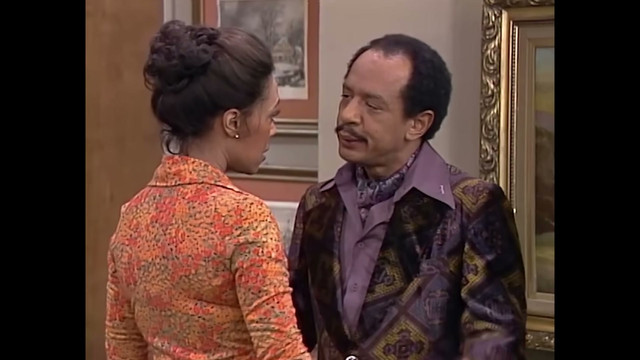
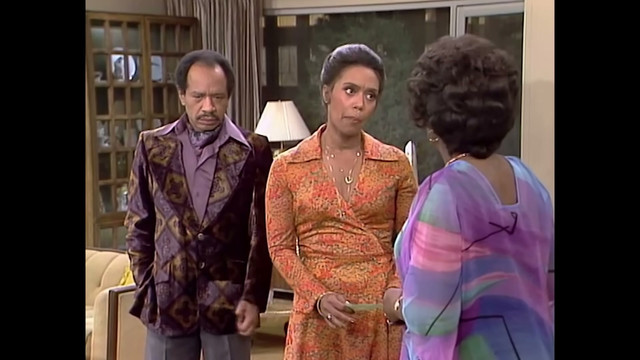
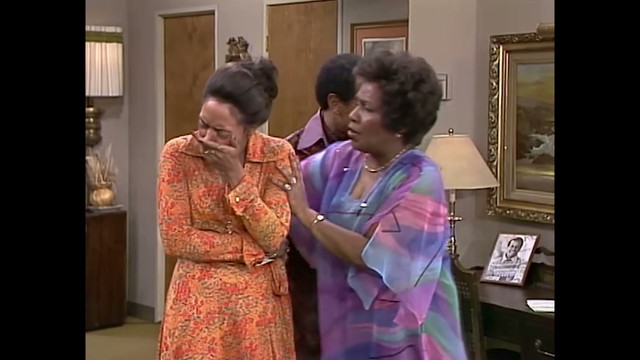
  • Classic Sitcom Dinner Surprise Forces Dry Cleaning Mogul To Choose Between Wife And Former Flame


    Article Image 1

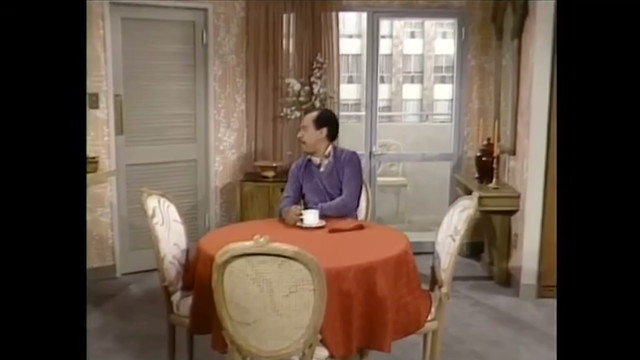
    Set high above Manhattan’s east side, the deluxe high-rise apartment has long served as the crown jewel of a self-made dry-cleaning empire. Within its polished walls, a quiet storm is about to break over a seemingly innocent dinner invitation.

    The skyline glitters through floor-to-ceiling windows, indifferent to the emotional collision unfolding below. Mother Jefferson, ever the orchestrator of family drama, has engineered the evening with surgical precision.

    Her guest of honor is Harriet Johnson, an old flame from her son’s bachelor days decades earlier. The matriarch sets the table herself, adjusts each fork, and smiles with the satisfaction of a woman expecting fireworks.

    The doorbell rings, and Harriet steps into the apartment dressed like a woman arriving for a verdict. George Jefferson freezes mid-sip at the bar, his confident swagger collapsing into nervous fumbling.

    The man who built a fortune on press and polish suddenly cannot find a single steady word. Well, well, Harriet Johnson, he manages, his voice catching just slightly.

    Louise watches from the kitchen doorway, napkin still folded in her hands, eyes narrowing by the smallest measurable degree. Mother Jefferson pretends to busy herself with candlesticks, but her grin widens with every awkward second.

    What should be a warm reunion between two women with shared history instead crackles with unspoken tension. Harriet plays the gracious guest, complimenting the apartment, the meal, Louise’s poise.

    But her eyes keep drifting toward George with deliberate intention, the way a chess player watches an unguarded piece. Louise Jefferson, the steady heart of the household, senses the undercurrent almost immediately.

    Her smile remains fixed, her hospitality gracious, but her mind begins cataloging small signs. She has survived decades of her mother-in-law’s schemes, and tonight she can feel one brewing in the marrow of the evening.

    Mother Jefferson watches the scene unfold with the calm satisfaction of a chess master surveying the board. She sips her drink, lets silence do the heavy lifting, and waits for the inevitable friction.

    Her cameo in this drama is small, but she knows exactly the role she is playing. Eventually, Harriet corners George alone near the apartment’s library shelves, away from Louise and Mother.

    Article Image 2

    There, she drops the polite pretense and lays out her intentions with startling directness. Her voice lowers, her eyes hold steady, and the proposition lands with the weight of a long-planned confession.

    She suggests he keep her as a discreet companion on the side, framing it as a comfortable arrangement between two people who already know each other well. The offer lands like a velvet-wrapped grenade on the polished floor.

    George blinks, swallows, and tries to remember how to breathe. Cornered between the flattering proposition and the loyalty he owes his wife, George fumbles and hedges.

    He compliments Harriet warmly but carefully, hinting that their time has passed. Each attempt to deflect only sharpens her resolve, and the private conversation grows heavier with every passing minute.

    Harriet presses on with practiced poise, citing the years they once shared and the ease of slipping back into old rhythms. She frames the arrangement as a kindness, a small comfort for two lonely people who already understand each other.

    George finds himself outmaneuvered, his usual bravado nowhere to be found. Louise begins pressing George with quiet questions the moment he returns from the private chat.

    She asks why he looks flushed, why his hands cannot stay still, why he keeps glancing toward the guest. She asks, with measured calm, what exactly he and Harriet discussed in the other room.

    George offers weak explanations about the heat in the apartment and a long day at the cleaners. He blames the wine, the candles, the evening’s unexpected guest list.

    Louise does not buy a single word, and her patience begins to thin like an overstretched hem. As the dinner wears on, the polite rhythms of sitcom hospitality give way to sharper exchanges.

    Harriet’s confidence hardens into something more demanding, and her smile carries an edge. George’s discomfort deepens into visible panic, his laugh a beat too loud and a touch too late.

    Mother Jefferson, seated at the head of the table, says little but sees everything. She watches Harriet’s sharpening tone and George’s shrinking posture with quiet wonder.

    Article Image 3

    In her mind, the evening is unfolding exactly as she hoped, even if she could never quite explain why she hoped it. Then comes the moment the title hints at, a confrontation wrapped around a cheque and a threat.

    Harriet, rebuffed and embarrassed, reaches into her purse and lays a cheque on the table. The gesture is small, deliberate, and absolutely devastating in the silence it creates.

    She suggests, in honeyed language, that the cheque might compensate George for any inconvenience the evening has caused. The implication hangs in the air like smoke from a snuffed candle.

    Louise’s eyes widen just slightly, then narrow into the kind of look that has ended dinner parties since time began. George is forced to choose between confession, deflection, or another path entirely.

    He chooses confession, partly out of panic and partly out of long practice with his wife’s penetrating gaze. He explains Harriet’s proposition in careful, halting words, watching Louise’s face for any sign of forgiveness.

    Louise listens, her expression unreadable, then turns her attention to Harriet with the practiced calm of a woman who has handled worse. She thanks Harriet for the cheque, then quietly suggests she leave.

    The evening, she says with a thin smile, has clearly run its course. Mother Jefferson, sensing the climax has passed, gathers her coat and prepares to follow her guest out.

    She murmurs something about the late hour and the weather, her face a perfect mask of grandmotherly innocence. George looks at her with the weary recognition of a man who knows exactly who lit the fuse.

    By episode’s end, the family dynamic resets with the warm familiarity the series is known for. George reaffirms his marriage in the quiet minutes after Harriet’s departure.

    Louise accepts the explanation with weary grace, and the apartment settles into a calm that feels, for once, hard-earned. Mother Jefferson phones later that night, asking innocently whether the dinner had been a success.

    George holds the receiver at arm’s length and stares at Louise across the room. Louise shakes her head slowly, and the line goes quiet with the unspoken understanding of two survivors.

    The episode trades on marital trust, old history, and the meddling power of family, all wrapped in the show’s signature blend of laughter and heart. For longtime fans, it remains a textbook example of the series’ gift for turning small social embarrassments into grand comedic opera. The cheque may end the evening, but the memory lingers long after the credits roll.


  • Stubborn Twenty Dollar Dispute Darkens Household Before Fifty Dollar Fee Delivers Final Shock


    Article Image 1

    For three years, the monthly electric bill has arrived with the comforting precision of a household ritual: exactly $50.59. Then one envelope lands with a demand for $70.59, and Mama refuses to surrender quietly.

    That unexplained $20 increase becomes an insult, a mystery, and eventually a full-scale domestic emergency. What begins as a customer-service complaint soon threatens schoolwork, grooming plans, clean clothes, and an important awards banquet.

    Mama plants herself beside the telephone, armed with certainty and an account number she can recite without hesitation. She has studied the bill so intensely that every digit seems permanently stamped into her memory.

    The first call tests her patience before she can even reach a person capable of answering questions. Hold music, transfers, and repeated requests for information transform a routine inquiry into an exhausting battle of wills.

    Each new representative seems to send her back to the beginning. Mama repeats the account number, explains the increase, and insists that her household has done nothing to justify another $20.

    Her frustration sharpens with every delay. The company may control the wires, meters, and monthly statements, but Mama believes stubbornness remains the strongest force operating inside this house.

    She has a compelling piece of evidence on her side. A bill that remains unchanged for three years does not suddenly leap without a reason, especially when she claims electricity use stayed steady.

    Yet the activity surrounding her quietly challenges that argument. While Mama describes a modest, predictable household, nearly every available appliance appears to be humming, heating, spinning, or flashing nearby.

    Bubba is working on a school paper with electronic equipment, trusting the household current to preserve his progress. His concentration depends on technology that feels reliable until the exact moment it is not.

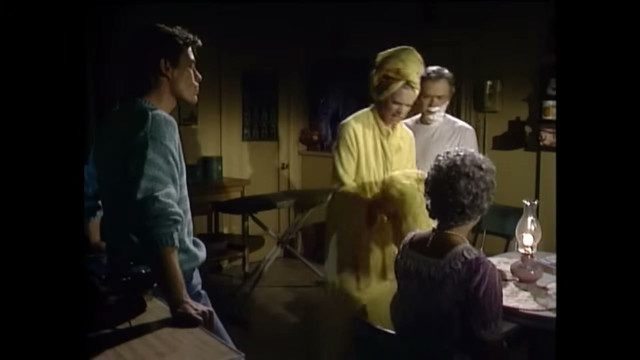
    Elsewhere, Naomi and Vint are racing against the clock before an awards banquet. Their preparations require showers, freshly dried clothing, an iron, electric rollers, bright lights, and uninterrupted power.

    The contrast gives the sequence its comic spark. Mama insists nobody is using more electricity while the house practically performs a noisy demonstration of modern electrical dependence behind her.

    Laundry equipment turns, water heats, grooming devices warm, and schoolwork advances one electronic step at a time. Nobody notices the contradiction because everyone is focused on a separate deadline.

    For Mama, however, the dispute has become about principle rather than money. Twenty dollars matters, but being treated as though her questions are unreasonable matters even more.

    She has been a customer for more than half a century, and she believes that history should command respect. Surely the utility will not challenge someone whose payments stretch across generations of service.

    That confidence hardens into refusal. Mama announces that she will not pay a bill she believes is wrong, expecting the company to investigate before taking any drastic action.

    The response arrives with brutal comic timing. Almost immediately after her declaration, the lights vanish, appliances stop, and the entire household drops into darkness.

    The silence after the shutdown is almost as dramatic as the blackout itself. Machines that had filled the rooms with purposeful noise become useless objects in a single instant.

    Article Image 2

    Bubba’s school paper suffers the most immediate academic blow. His work disappears with the power, turning hours of effort into another casualty of Mama’s stand against the utility.

    His reaction carries real exasperation beneath the comedy. A billing argument that seemed distant and administrative has suddenly entered his life, erased progress, and placed his assignment in jeopardy.

    Naomi faces a different disaster, although it feels equally urgent to her. Her dress remains wrinkled, her hair is unfinished, and the banquet clock continues moving without mercy.

    The outage traps her midway between preparation and presentation. Every tool she expected to use has failed at once, leaving her to imagine arriving at the event visibly unready.

    Vint is caught in the same collapsing schedule. Shower plans, clothing preparations, and the couple’s carefully timed departure are thrown into confusion by one stubborn unpaid bill.

    The family initially searches for an explanation that does not point toward Mama. A neighborhood outage would be inconvenient, but at least it would make the disaster nobody’s fault.

    Mama eagerly embraces that possibility. Random equipment trouble, a wider service interruption, or some distant failure all sound preferable to admitting that her refusal triggered the darkness.

    Then the outside world betrays her defense. Lights remain visible on another street, glowing with infuriating normality while her own household stands powerless.

    That small patch of illumination becomes decisive evidence. The problem is not universal, and it is not mysterious; this particular home has been disconnected.

    The family’s attention swings toward Mama. Their anger gathers quickly because each person can now identify exactly what her decision has cost.

    Bubba has lost work, Naomi has lost preparation time, and Vint has lost any confidence in their schedule. Mama’s private dispute has become a shared crisis with multiple furious witnesses.

    Cornered, she finally admits responsibility. Even then, she protects herself with humor, suggesting that retreat may be wise before the family finds a way to answer her stubbornness.

    Her quick escape releases some of the pressure without resolving the practical problem. The house remains dark, the banquet remains imminent, and the school paper remains compromised.

    Then, just as suddenly, the electricity returns. Lights flare, appliances awaken, and the family greets ordinary household power like a long-awaited rescue.

    The celebration is immediate and wonderfully excessive. After only a short outage, functioning electricity feels less like a monthly service and more like a miracle delivered through the walls.

    Relief changes everyone’s priorities. Schoolwork can resume, banquet preparations can restart, and even the possibility of waffles enters the conversation as proof that normal life has returned.

    For a brief moment, Mama’s gamble appears successful. She resisted the bill, endured the family’s outrage, and still watches the house come back to life.

    The real victory arrives through confirmation from the utility. Mama was right about the original charge, and the company acknowledges that the account was overbilled by exactly $20.
    Article Image 3

    That finding should be her moment of complete vindication. After repeated questions and endless waiting, the supposedly difficult customer has proved more accurate than the company’s own statement.

    The corrected charge validates every suspicious glance she gave the bill. It also justifies her insistence that three years of identical payments meant something important.

    However, the utility has one more figure waiting. Restoring service carries a $50 reconnection fee, transforming a $20 correction into a considerably more expensive lesson.

    The arithmetic is devastatingly simple. Mama wins the argument, recovers the disputed amount, and still emerges $30 behind because her victory required the power to be reconnected.

    That final twist captures the episode’s sharpest joke. Correctness offers no protection from consequences when pride, bureaucracy, and bad timing collide inside one crowded household.

    Mama’s satisfaction evaporates instantly. The woman who spent the day demanding recognition for a $20 mistake now faces a larger charge created by her refusal to compromise.

    Her fury returns with renewed force because the company has managed to concede defeat while still collecting more money. It is the kind of institutional logic designed to ignite her temper.

    Rather than accept the fee, Mama prepares for another confrontation. This time, a telephone call is no longer enough, and she intends to challenge the utility face to face.

    The closing beat sends her storming toward that next battle, still convinced that persistence can overpower policy. Whether the company is prepared for her arrival becomes the final delicious question.

    The sequence works because every complication grows naturally from the first disputed number. Twenty dollars creates a phone marathon, the marathon inspires defiance, and defiance shuts down an entire family’s plans.

    It also exposes how fragile household order can become when electricity disappears. School assignments, personal routines, clean clothing, hot food, and social obligations all depend on an invisible current.

    Mama understands the value of that current only after withholding payment makes it vanish. Yet even the blackout cannot persuade her that an incorrect bill deserves unquestioned obedience.

    Her position remains both reasonable and reckless. She correctly identifies the mistake, but her refusal to consider the immediate consequences forces everyone else to absorb the impact.

    That contradiction keeps the comedy alive. Viewers can support her demand for fairness while also recognizing that her method creates more chaos than the original overcharge ever could.

    Naomi’s unfinished appearance, Vint’s disrupted schedule, and Bubba’s lost paper make the dispute tangible. The damage is not abstract once darkness freezes each person at the worst possible moment.

    The utility’s correction then offers the satisfaction of seeing Mama proven right. The reconnection fee snatches away that satisfaction before she can enjoy it, preserving the scene’s relentless comic momentum.

    Nothing about the ending softens her resolve. If anything, the $50 charge gives her a larger grievance, a fresh audience, and another opportunity to wage war against customer service.

    The household may have its lights back, but peace remains far away. Mama leaves with her principles intact, her wallet threatened, and her anger burning brighter than every restored bulb.


  • The Heartbreaking Losses That Left All in the Family Fans in Tears


    All03

    For millions of television viewers, All in the Family was more than just a sitcom.

    It was family.

    Archie Bunker, Edith, Gloria, Mike, and the unforgettable characters who surrounded them became part of viewers’ lives. Week after week, fans laughed with them, argued with them, and sometimes even saw pieces of their own families reflected on screen.

    That’s why the passing of beloved cast members has been so difficult for longtime fans.

    When one of the actors who brought these characters to life was gone, it felt like losing a piece of television history.

    Jean Stapleton — The Heart of Edith Bunker

    For many fans, Jean Stapleton’s passing in 2013 was one of the most emotional losses connected to All in the Family.

    As Edith Bunker, Stapleton created one of television’s most beloved characters.

    Edith was sweet, sometimes naïve, occasionally frustrating, but always deeply human. Her gentle voice and unforgettable mannerisms became part of the show’s identity.

    What made Edith so special was the warmth she brought into a household often dominated by arguments.

    She was the emotional center of the Bunker family.

    When Stapleton died at the age of 90, fans around the world remembered not only an extraordinary actress but also a character who had brought comfort and laughter into their homes for generations.

    For many viewers, saying goodbye to Jean Stapleton felt like saying goodbye to Edith herself.

    Carroll O’Connor — The Loss of Archie Bunker

    When Carroll O’Connor died in 2001, television lost one of its most recognizable stars.

    Archie Bunker was loud.

    He was stubborn.

    He was often offensive.

    And yet, somehow, he became one of the most unforgettable characters in television history.

    O’Connor’s performance was so powerful that generations of viewers associated him with Archie—even though the actor himself was far more complex than the character he played.

    His death marked the end of an era.

    For fans of All in the Family, it was impossible to think about Archie Bunker without thinking about Carroll O’Connor.

    The character could live forever in reruns.

    But the man who created him was gone.

    Sherman Hemsley — A Beloved Part of the Bunker Universe

    Sherman Hemsley became famous as George Jefferson, one of the most memorable characters to emerge from All in the Family.

    George was outspoken, ambitious, proud, and constantly ready to challenge Archie Bunker.

    Their clashes became legendary.

    The character eventually became the center of his own hugely successful series, The Jeffersons, but fans never forgot where George Jefferson came from.

    When Hemsley died in 2012, viewers remembered an actor who had helped create one of television’s most iconic African American characters.

    His loss was felt far beyond All in the Family.

    It marked the passing of a performer who had changed television comedy forever.

    Isabel Sanford — The Strength Behind Louise Jefferson

    Isabel Sanford’s Louise “Weezy” Jefferson was the perfect counterbalance to George.

    Where George could be loud and impulsive, Louise was often more grounded and thoughtful.

    She was strong.

    She was intelligent.

    And she was never afraid to stand up to her husband.

    Sanford made history as the first Black woman to win the Primetime Emmy Award for Outstanding Lead Actress in a Comedy Series.

    Her death in 2004 was another heartbreaking reminder that the generation of performers who transformed television was slowly disappearing.

    For fans, Louise Jefferson wasn’t simply a supporting character.

    She was an icon.

    Mike Evans — The Original Lionel Jefferson

    Mike Evans played Lionel Jefferson, another important character connected to the Bunker family’s story.

    Lionel was often caught between generations and cultures, becoming part of the show’s exploration of race and social change.

    Evans later became involved in the writing of Good Times, but his early work as Lionel remained an important part of television history.

    His passing in 2006 was another loss felt by fans who remembered the original Jefferson family.

    The Pain of Watching a Television Family Disappear

    Perhaps the hardest part for longtime viewers isn’t simply the number of actors who have passed away.

    It’s the realization that the television family they grew up watching is slowly disappearing.

    The actors are gone.

    The sets are gone.

    The original production era is gone.

    But the episodes remain.

    Every time Archie shouts from the living room, Edith calls his name, or Mike challenges Archie’s beliefs, those characters come alive again.

    For a few minutes, it feels as if nothing has changed.

    And perhaps that’s the greatest gift these performers left behind.

    They May Be Gone, But Their Characters Remain

    Television has a unique kind of immortality.

    An actor can leave this world, but their performances can continue reaching new generations.

    A young viewer today can watch an episode of All in the Family and laugh at the same joke audiences laughed at decades ago.

    They can discover Edith’s kindness.

    They can be shocked by Archie’s opinions.

    They can appreciate Mike’s idealism.

    They can meet George and Louise Jefferson for the first time.

    The performers may no longer be here to see those reactions.

    But their work continues.

    A Legacy That Will Never Truly Disappear

    The deaths of beloved All in the Family performers remind fans of just how much these actors meant to television history.

    They weren’t simply entertainers.

    They became part of people’s memories.

    For some viewers, watching All in the Family brings back memories of childhood.

    For others, it reminds them of parents or grandparents who watched the show alongside them.

    That’s why these losses hurt so deeply.

    We weren’t just losing actors.

    We were losing pieces of our own memories.

    But every time the opening theme plays, every time Archie and Edith appear on screen, and every time an old episode makes someone laugh again, the legacy continues.

    The actors may be gone—but the Bunkers will always be home.

    And for millions of fans, that is something that can never be taken away.


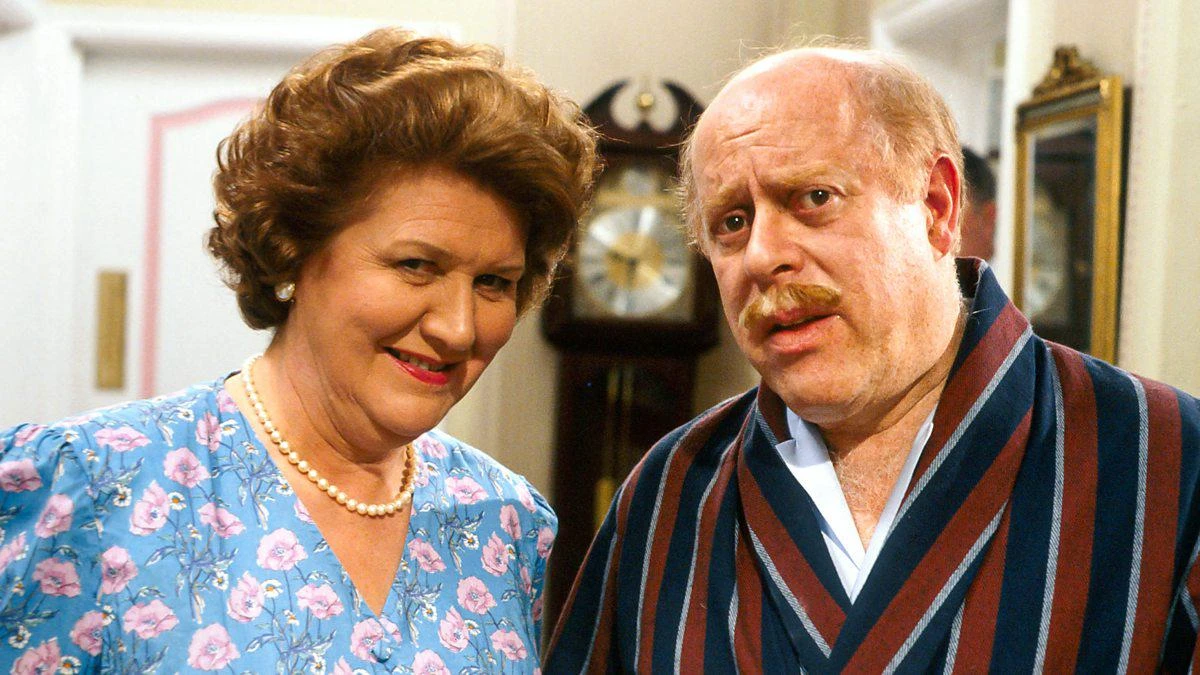
  • The Behind-The-Scenes Reason Hyacinth And Richard Still Feel So Real Together

    Introduction:

    Hyacinth and Richard Bucket are one of those sitcom couples viewers remember instantly because their marriage feels funny before the scene even begins.

    She is already planning the performance, and he is already preparing to survive it.

    Main Body:

    Richard Was Not Just The Tired Husband

    On paper, Richard could have been a simple straight man.

    In the actual show, Clive Swift made him something much better.

    Richard became the quiet emotional weather report of every scene.

    If Hyacinth was entering a social storm, Richard’s face usually told the audience how bad it was going to be.

    The Comedy Lived In What He Did Not Say

    Richard rarely needed a huge line to get a laugh.

    A pause, a careful answer, or one defeated glance could tell viewers that he had been through this exact nightmare many times before.

    That silence gave the show one of its strongest comic rhythms.

    Hyacinth created the pressure, but Richard measured it.

    The Marriage Worked Because It Felt Practiced

    The best sitcom couples feel like they have history before the audience arrives.

    Hyacinth and Richard had that quality.

    She knew how to push him into unwanted social missions, and he knew exactly how pointless it was to resist too loudly.

    That made their scenes feel lived-in rather than mechanical.

    Fans were not just watching a joke.

    They were watching a long marriage with a very specific survival system.

    Patricia Routledge Later Reflected On Richard’s Endurance

    In later retrospective material, Routledge discussed the character of Richard and why he endured years of marriage to Hyacinth, which shows how important that relationship was to the show’s structure.

    That detail matters because Richard was not decoration.

    He was the human anchor that kept Hyacinth’s impossible behavior from floating too far away from reality.

    Without Richard, Hyacinth might have become too loud.

    With Richard, she became painfully believable.

    The Audience Needed Someone Trapped Beside Her

    Every great comedy tyrant needs someone close enough to suffer politely.

    Richard filled that role perfectly.

    He could not escape Hyacinth’s plans, but he also could not fully stop loving her.

    That small emotional tension made the comedy warmer than it looked on the surface.

    Why Viewers Still Recognize The Dynamic

    Many fans laugh because they know someone who controls every plan.

    Many also know someone who quietly goes along just to keep the peace.

    That is why Hyacinth and Richard still work for modern viewers.

    Their marriage is exaggerated, but the emotional truth is easy to recognize.

    Conclusion:

    Hyacinth and Richard remain unforgettable because their comedy came from rhythm, restraint, and a marriage that felt strangely real beneath the absurdity.

    Behind the laughs was a perfectly balanced double act, with one character building the fantasy and the other quietly counting the cracks.

  • The Behind-The-Scenes Reason Hyacinth And Richard Still Feel So Real Together

    Introduction:

    Hyacinth and Richard Bucket are one of those sitcom couples viewers remember instantly because their marriage feels funny before the scene even begins.

    She is already planning the performance, and he is already preparing to survive it.

    Main Body:

    Richard Was Not Just The Tired Husband

    On paper, Richard could have been a simple straight man.

    In the actual show, Clive Swift made him something much better.

    Richard became the quiet emotional weather report of every scene.

    If Hyacinth was entering a social storm, Richard’s face usually told the audience how bad it was going to be.

    The Comedy Lived In What He Did Not Say

    Richard rarely needed a huge line to get a laugh.

    A pause, a careful answer, or one defeated glance could tell viewers that he had been through this exact nightmare many times before.

    That silence gave the show one of its strongest comic rhythms.

    Hyacinth created the pressure, but Richard measured it.

    The Marriage Worked Because It Felt Practiced

    The best sitcom couples feel like they have history before the audience arrives.

    Hyacinth and Richard had that quality.

    She knew how to push him into unwanted social missions, and he knew exactly how pointless it was to resist too loudly.

    That made their scenes feel lived-in rather than mechanical.

    Fans were not just watching a joke.

    They were watching a long marriage with a very specific survival system.

    Patricia Routledge Later Reflected On Richard’s Endurance

    In later retrospective material, Routledge discussed the character of Richard and why he endured years of marriage to Hyacinth, which shows how important that relationship was to the show’s structure.

    That detail matters because Richard was not decoration.

    He was the human anchor that kept Hyacinth’s impossible behavior from floating too far away from reality.

    Without Richard, Hyacinth might have become too loud.

    With Richard, she became painfully believable.

    The Audience Needed Someone Trapped Beside Her

    Every great comedy tyrant needs someone close enough to suffer politely.

    Richard filled that role perfectly.

    He could not escape Hyacinth’s plans, but he also could not fully stop loving her.

    That small emotional tension made the comedy warmer than it looked on the surface.

    Why Viewers Still Recognize The Dynamic

    Many fans laugh because they know someone who controls every plan.

    Many also know someone who quietly goes along just to keep the peace.

    That is why Hyacinth and Richard still work for modern viewers.

    Their marriage is exaggerated, but the emotional truth is easy to recognize.

    Conclusion:

    Hyacinth and Richard remain unforgettable because their comedy came from rhythm, restraint, and a marriage that felt strangely real beneath the absurdity.

    Behind the laughs was a perfectly balanced double act, with one character building the fantasy and the other quietly counting the cracks.

  • Stephanie Tanner Comes Out in Fuller House Season 4 – Here’s Why It’s a Game-Changer for LGBTQ+ Representation


    5

    Have you ever settled into your couch for a cozy evening of nostalgia, expecting mindless sitcom laughs, only to witness a moment that completely catches you off guard in the best way possible? That exact emotional jolt hit audiences when Netflix’s Fuller House decided to take a bold, progressive leap forward.

    We grew up watching Stephanie Tanner grow from a witty middle child with catchy catchphrases into a fiercely independent adult. But when Season 4 introduced a groundbreaking narrative turn involving her character’s romantic evolution, the internet erupted with surprise, praise, and plenty of passionate discussion. Let us dive deep and unpack why Stephanie Tanner stepping into her authentic self wasn’t just a plot twist—it was a seismic shift for family-friendly television.

    The Evolution of Modern Sitcom Storylines

    Television has come a lightyear away from the rigid censorship and predictable tropes of the 1980s and 90s. Back when the original series first aired on Friday nights, network standards kept storylines inside a very neat, traditional box.

    Today’s streaming landscape operates entirely differently. Writers possess the creative freedom to mirror actual society, reflecting the diverse spectrum of human love and identity. Seeing a legacy character from a wholesome childhood franchise embrace an inclusive narrative proves that even classic comfort shows can grow up right along with their audience.

    Revisiting Stephanie Tanner’s Journey Through the Years

    To truly appreciate this milestone, we have to look back at Stephanie’s trajectory. From dancing around the living room and declaring how rude people were to navigating career struggles and fertility hurdles, she fought hard for every ounce of happiness.

    Her character always marched to the beat of her own drum. She was the edgy, musical, unpredictable aunt who brought fresh energy to the Tanner-Fuller household. Watching her unpack her feelings and step into a new romantic frontier felt like watching an old friend finally discover a missing piece of her puzzle.

    Why LGBTQ+ Representation Matters in Family Sitcoms

    Mainstream family comedies hold immense cultural power. They occupy living room screens across the globe, shaping how younger generations perceive community, acceptance, and love.

    When a historically conservative sitcom universe embraces LGBTQ+ visibility, it sends a powerful message. It acts like an open door, telling viewers that belonging and family love have zero prerequisites. Representation isn’t just about checking a box; it is about saving young viewers from feeling invisible in their own homes.

    Breaking Down the Season 4 Turning Point

    What made this particular narrative arc stand out so vividly? Instead of treating the revelation as a cheap gimmick or a fleeting joke, the writers handled the emotional beats with genuine care and respect.

    Think of it like steering a vintage ship through unfamiliar waters—you need a steady hand at the helm to avoid rocky reefs. The creative team ensured Stephanie’s emotional truth remained front and center, allowing her character space to process, grow, and connect with fans on a profoundly human level.

    The Power of Nostalgia Meets Progressive Storytelling

    Nostalgia is a powerful emotional currency. It draws us back to comfort zones where everything feels safe and familiar. But when you blend that nostalgic warmth with modern, progressive storytelling, magic happens.

    It challenges viewers to expand their worldview without breaking the emotional trust built over decades. It proves that honoring the past doesn’t mean you have to stay frozen in time.

    Fan Reactions Across Social Media Platforms

    As expected, the internet split into passionate factions the moment the episodes dropped. Digital feeds flooded with celebratory commentary, emotional essays, and vibrant fan art.

    While some critics raised traditional eyebrows, the overwhelming wave of support drowned out the noise. For many queer fans who grew up watching TGIF blocks, seeing a beloved San Francisco staple champion inclusivity felt like a long-overdue validation.

    How the Cast and Crew Championed Inclusivity

    Bringing a storyline like this to life requires absolute buy-in from the cast and production team. Jodie Sweetin, who poured her heart into portraying Stephanie for decades, embraced the character’s new depth with fierce dedication and grace.

    Actors carry immense responsibility when portraying pivotal identity journeys. By throwing her full weight behind the narrative, Sweetin ensured the storyline resonated with authenticity rather than coming across as a forced network mandate.

    Comparing Past Sitcom Tropes With Current Standards

    Think about how past generations of television handled diverse identities. Often, queer characters were relegated to punchlines, tragic tropes, or single-episode guest appearances designed for cheap shock value.

    The shift in Fuller House represents a complete paradigm change. Stephanie’s journey wasn’t treated as an anomaly; it was framed as a natural, beautiful facet of her adult life exploration. That normalization is precisely why the milestone matters so much.

    The Impact on Younger Audiences Watching Today

    Children and teenagers streaming the series today absorb these narratives as normal parts of human existence. They don’t carry the baggage of old television taboos.

    For a young viewer struggling to understand their own identity, seeing a beloved television icon love freely and authentically can change a life. It provides a visual anchor of hope during confusing formative years.

    Navigating Personal Identity in the Public Eye

    Growing up in front of a global television audience brings intense pressure. Every personal choice, milestone, and emotional shift gets dissected by media outlets and fans alike.

    Stephanie’s fictional journey mirrors the courage required in real life to shed expectations, ignore societal judgment, and step boldly into your true self. That parallel adds an extra layer of emotional resonance to the performance.

    Overcoming Pushback From Traditionalist Audiences

    Any time a classic franchise updates its formula to reflect modern realities, vocal segments of the fanbase push back. Change feels scary to people who use television purely as an escape into the past.

    Yet, culture moves forward regardless of nostalgic resistance. Shows that refuse to adapt quickly become irrelevant relics, while those that evolve continue sparking meaningful generational conversations.

    The Role of Comedy in Humanizing Complex Issues

    Laughter has always been the ultimate bridge. By embedding important representation within a familiar, joke-driven sitcom format, the show disarmed hesitant viewers.

    It proved that you can tackle profound identity conversations without losing your comedic timing or heart. Comedy invites people in, lowers their defenses, and opens their minds to new perspectives.

    Looking at the Broader Landscape of Streaming Television

    Today’s streaming platforms lead the charge in diversifying screen narratives. Networks like Netflix understand that global audiences expect authentic reflections of the world outside their windows.

    This specific storyline sits comfortably among a wave of progressive content reshaping how families are portrayed across modern entertainment media.

    Celebrating a Milestone Worth Remembering

    As time marches on, individual episodes fade from active memory, but cultural milestones leave permanent footprints. Stephanie Tanner’s journey in Season 4 stands as a testament to the power of growth, courage, and unconditional acceptance.

    It transformed a comfort sitcom into a vehicle for real-world validation, proving that love truly is the ultimate family value.

    Conclusion

    Stephanie Tanner’s powerful evolution in Fuller House Season 4 transcended a typical television plot twist, cementing itself as a monumental milestone for LGBTQ+ representation in family media. By bridging the gap between beloved 90s nostalgia and modern inclusivity, the series proved that classic comfort shows can champion diversity without losing their heart. Through authentic storytelling and courageous character arcs, the San Francisco household opened its doors wider than ever before, reminding us all that true family is built on love, acceptance, and the freedom to be your authentic self.

    Frequently Asked Questions

    What happens to Stephanie Tanner in Fuller House Season 4?

    Stephanie explores a transformative personal journey, embracing her authentic identity and romantic truth, marking a major milestone for inclusivity within the franchise.

    Why was Stephanie Tanner’s storyline considered a game-changer?

    It brought authentic LGBTQ+ representation into a traditional, legacy family sitcom universe, helping normalize diverse relationship dynamics for mainstream audiences.

    How did fans react to Stephanie’s narrative arc?

    The storyline sparked widespread online discussion, drawing an overwhelming wave of praise from fans and queer viewers who celebrated the long-overdue representation.

    Did the original cast support the storyline?

    Yes, actors like Jodie Sweetin enthusiastically embraced the character’s emotional depth and evolution throughout the production of the sequel series.

    Where can I watch Fuller House online?

    All five seasons of Fuller House, including the pivotal fourth season, stream globally as a Netflix platform original.

    Post Views: 101

  • Sony Pictures Releases Thirty Minute Sitcom Reel Honoring Three Decades Of On Screen Chemistry


    Article Image 1

    Sony Pictures has quietly rolled out a roughly thirty minute YouTube compilation celebrating the legendary on screen chemistry between two of television’s sharpest comedic foils. The reel, posted on the official channel tied to the long running CBS sitcom, strings together scene after scene of biting banter and affectionate ribbing.

    Titled to mark the duo as an iconic pair for the full thirty minute runtime, the compilation mines footage from eight episodes spanning the show’s run. The selected scenes jump from the 1975 debut through a 1984 entry, capturing the full breadth of a partnership that helped anchor eleven seasons of prime time comedy.

    The two performances anchoring the reel belong to Marla Gibbs as Florence Johnston, the Jefferson family’s tart tongued maid. She stands opposite Isabel Sanford, who plays Louise Jefferson, the dignified matriarch of the household.

    Together they built one of the most enduring comedic pairings in American television history. Their on screen dynamic runs on a simple but devastating engine: Louise looks down her nose, Florence fires back, and the audience leans in.

    The rhythm depends on Sanford’s slow burn expressions as much as Gibbs’ rapid fire retorts, and the reel preserves both in equal measure. A recurring visual punchline punctuates the compilation from start to finish.

    Article Image 2

    Louise’s signature head wiggle, a slow motion swivel that telegraphs disbelief or disapproval, lands again and again as the duo trades verbal haymakers. The gesture has become so iconic that fans have spent decades quoting and imitating it.

    The compilation opens with footage drawn from the Season 1 Episode 5 entry “Mr. Piano Man,” a fifth episode gem that helped establish the duo’s comedic tempo.

    Early scenes between Florence and Louise already crackle with the kind of verbal sparring that would define the series for the next decade. Within minutes the reel pulls viewers into Season 6, where the partnership faces one of its warmest tests.

    “Baby Love,” the Season 6 Episode 9 entry, finds Florence entrusted with care of the Jefferson family’s newborn. Her interactions with the infant reveal a softer side rarely seen in her usual battles with Louise.

    The scene plays as a brief change of pace from the constant one upmanship that drives most of the compilation. Florence coos over the baby, fumbles through diapering, and quietly shows the kind of warmth that makes her later outbursts feel earned rather than random.

    That gentleness evaporates almost immediately as the reel cuts to “Louise vs. Florence,” the Season 6 Episode 10 installment that stages the duo’s most heated falling out.

    Article Image 3

    The two women trade accusations that feel sharper than the usual back and forth, and the editing leaves the audience guessing about the resolution. The argument plays out across a series of cutting remarks, with Louise invoking her status as employer and Florence firing back with reminders of just how indispensable she has become.

    The sequence moves fast, leaning on the actors’ precision timing to sell every jab. Eventually the two find their way back to each other, though the reel hints at the reconciliation rather than spelling it out.

    Fans familiar with the original episode know the makeup scene depends on a quiet acknowledgment of just how much each woman relies on the other behind the scenes. From that emotional stretch the compilation pivots into one of its most playful sequences.

    “Three Faces of Florence,” the Season 5 Episode 22 showcase, casts Gibbs in a series of role playing scenarios that test her comedic range and her rapport with Sanford. Florence cycles through impressions of herself as a mother, a maid, a professional woman, and a parade of other identities.

    Louise serves as both straight man and unwitting straight woman throughout each transformation. The setup lets Gibbs run wild while Sanford anchors every scene with a perfectly timed reaction shot.

    The role play segment also serves as a quiet showcase for how the duo’s banter can pivot from insult comedy to character comedy without missing a beat. Florence’s transformations land precisely because Louise refuses to break composure, and the


  • Reluctant Family Surrenders As Intellivision Space Games Turn Living Room Into A Battlefield


    Article Image 1

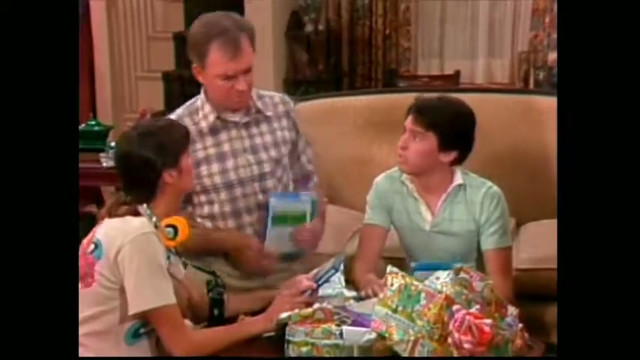
    The arrival looks less like a modest present than a full-scale invasion of the family living room. An Intellivision console appears alongside a formidable collection of cartridges, instantly drawing every eye in the room.

    Excitement ripples through the household before anyone can establish what the gift means or whether it should remain there. The sheer number of games promises hours of entertainment, arguments, discoveries, and rapidly vanishing peace.

    Then someone spots the cartridge that changes the temperature completely. “Asteroids Revenge,” a space-themed title with obvious dramatic possibilities, inspires the kind of enthusiasm usually reserved for a long-awaited celebration.

    The family crowds around the haul, inspecting the choices and imagining what might happen once the console powers up. Their reactions make one point clear: this is no ordinary household accessory.

    Yet the excitement immediately encounters resistance from a relative determined to preserve the family’s sense of propriety. Accepting such an extravagant gift, he argues, simply would not be right.

    His objection introduces a genuine question beneath the laughter. Can the family enjoy this unexpected bounty without feeling that they have accepted something excessive or inappropriate?

    For a fleeting moment, principle appears capable of defeating temptation. The console sits within reach, the cartridges beckon, and everyone must pretend they can walk away without regret.

    That position becomes harder to defend with every delighted glance toward the games. Even before the first meteor appears on-screen, Intellivision has already started exposing the family’s competing instincts.

    Some relatives want to explore the collection immediately. Others appear willing to let the moral debate continue, provided it ends with the console staying exactly where it is.

    The giver recognizes that the room’s resistance may be more fragile than advertised. Rather than launching a serious appeal, he chooses a teasing tactic perfectly suited to sitcom confusion.

    He jokingly requests a private moment with the reluctant man’s wife, suggesting he might persuade her away from the others. The remark lands with enough mischief to scramble everyone’s composure.

    Suddenly, the ethical discussion about an expensive present gives way to a far more immediate burst of awkwardness. Faces shift, reactions sharpen, and the household senses a comic emergency.

    The group races toward the kitchen, transforming a simple conversation into a frantic retreat. Studio-audience laughter punctuates the movement, rewarding both the misunderstanding and the family’s exaggerated response.

    Nobody needs a lengthy explanation for the joke to work. The speed of the escape says everything about these relatives and their talent for turning discomfort into spectacle.

    The console ultimately survives the objection, though not through careful negotiation or a persuasive argument about technology. It wins because curiosity, comedy, and family momentum prove stronger than one man’s hesitation.

    Once the action shifts to gameplay, any lingering concern about accepting the gift disappears. The family is no longer debating ownership; they are fighting for control, survival, and bragging rights.

    The space game transforms the television into a chaotic arena filled with meteors and green spaceships. Every movement becomes a reason to shout, protest, celebrate, or challenge somebody else’s account.

    At first, the session carries the loose energy of relatives testing an unfamiliar machine. Buttons are pressed, threats emerge from space, and nobody seems entirely certain who has mastered what.

    Article Image 2

    That uncertainty does not reduce anyone’s confidence. Instead, it creates ideal conditions for arguments, because each player can blame the machine, the opponents, or cosmic injustice.

    The meteors become more than obstacles moving across a screen. They are targets, hazards, excuses, and witnesses in an escalating family dispute over who deserves credit.

    Green spaceships soon trigger their own controversy. The players debate whose ships appeared first, treating a minor visual detail like evidence in an interstellar courtroom.

    Mock frustration flashes across the room as competing versions of events collide. Each relative seems prepared to defend a personal interpretation of the battle, regardless of what the screen actually shows.

    The comedy depends on that widening gap between the game’s simple premise and the family’s enormous emotional investment. A casual round becomes a referendum on reflexes, intelligence, and household status.

    No technical explanation of Intellivision could reveal as much as these reactions do. The console matters because it rearranges relationships, giving quiet relatives confidence and competitive relatives a fresh battlefield.

    Every successful shot carries a little triumph. Every mistake creates an opportunity for teasing, while every disputed spaceship threatens to reopen an argument that nobody intends to settle calmly.

    Thelma and Frannie initially seem prepared to accept an unflattering conclusion about their abilities. Perhaps, they suggest, they simply are not equipped for the demands of “intergalactic combat.” The phrase elevates ordinary gameplay into mock science fiction, turning a domestic gathering into a mission with impossibly high stakes.

    Their apparent concession briefly suggests the battle may be winding down. That impression does not last.

    One player finds a sudden reserve of confidence and refuses to let the supposed experts control the story. She declares that “the force” is with her, borrowing heroic language to announce a dramatic change in momentum.

    The boast instantly reframes her as a contender rather than a bewildered participant. It also exposes the family’s growing commitment to the fantasy.

    They are no longer merely handling controllers in front of a television; they are commanders defending reputations among the stars. The science-fiction reference earns its laugh because it arrives with total conviction.

    She speaks as though cosmic destiny has personally entered the living room and chosen a side. Then comes the warning that seals the sequence’s comic identity.

    “Hang on to your asteroids,” she announces, combining determination, wordplay, and a wonderfully outsized sense of danger. The line turns the game’s title and imagery into a rallying cry.

    It also signals that any earlier uncertainty has vanished beneath a surge of fearless competitive energy. Audience laughter reinforces the reversal.

    The relative who might have seemed overmatched now sounds ready to conquer the screen, silence the doubters, and rewrite the family hierarchy. That reversal provides the scene with more than a punch line.

    It reveals how quickly play can unlock a side of someone that everyday conversation keeps hidden. The console becomes a personality test disguised as entertainment.

    Patience, pride, confidence, and rivalry all surface as glowing objects move across a television screen. The performances keep the sequence lively through quick reactions and carefully sharpened expressions.

    Article Image 3

    A glance can challenge an opponent, while a pause can prepare the room for another explosive declaration. Exaggerated enthusiasm carries much of the humor.

    Nobody approaches the competition with moderation, because moderation would offer little protection once the family starts measuring victories and assigning blame. Mock irritation gives the scene another layer.

    The players may complain about meteors or spaceships, but the frustration remains part of a shared game rather than a genuinely bitter conflict. That balance allows the competition to feel fierce without becoming cruel.

    The relatives challenge one another relentlessly, yet their arguments remain rooted in affection and familiar household rhythms. The studio audience helps shape those rhythms.

    Laughter follows the awkward private-conversation joke, the kitchen scramble, and the grand language surrounding the space battle. Those responses make the clip feel like a carefully timed escalation.

    Each beat begins with something recognizable, then pushes it toward a bigger reaction and a more ridiculous conclusion. First, there is a gift that seems too generous to accept.

    Next comes a teasing misunderstanding, followed by a retreat, a gaming session, and an unexpected declaration of cosmic authority. The Intellivision itself never needs to dominate through specifications or technical demonstrations.

    Its dramatic value comes from what happens when this particular family gathers around it. A cartridge collection creates temptation.

    A space game inspires rivalry, and a few moving ships reveal who can remain calm when pride enters the contest. Even the initial refusal gains new meaning after the game begins.

    The family member who questioned the gift was not merely resisting a machine; he was delaying an emotional storm. Once that storm arrives, the living room belongs to the players.

    Their voices, reactions, and competing claims make the unseen scoreboard feel less important than their struggle for recognition. There is also a charming confidence in the clip’s willingness to treat domestic competition as epic drama.

    Meteors become enemies, controllers become instruments of power, and relatives become rival space commanders. Yet the setting never loses its everyday warmth.

    The kitchen remains nearby, the family stays crowded together, and the loudest battle is still taking place among people who know each other intimately. That contrast drives the humor.

    The language suggests galaxies at risk, while the reality involves relatives seated around a home console and refusing to surrender conversational ground. The clip ends before the competition can deliver a definitive champion.

    A television-style introduction begins abruptly, interrupting the showdown and leaving the final balance of power unresolved. That sudden ending preserves the scene’s best question.

    Nobody learns whether confidence becomes victory, whether the doubters recover, or whether another disputed spaceship sparks a fresh argument. What remains is the image of a reluctant household thoroughly conquered by its own gift.

    The family tried to refuse Intellivision, but Intellivision quickly became the center of the room. The true winner may not be any individual player.

    It is the game itself, which turns hesitation into excitement and transforms a peaceful gathering into joyous, noisy competition. By the final punch line, propriety has surrendered to play, and uncertainty has become swagger. The family’s battle for bragging rights is fully underway, even if the screen cuts away too soon.