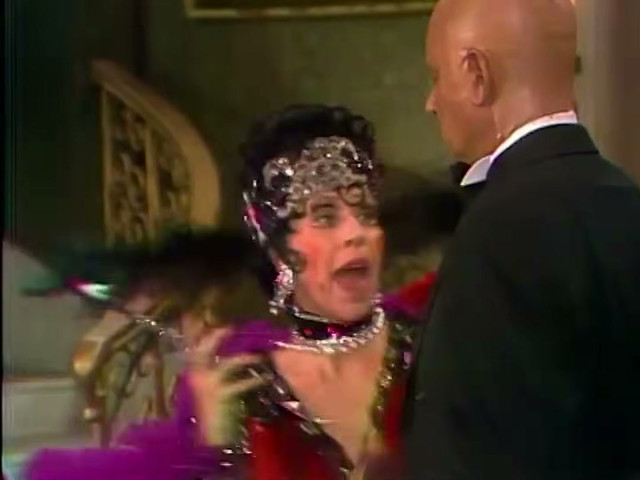
The Carol Burnett Show turned Hollywood fantasy into comic chaos with a sketch that sent a legendary screen image crashing into everyday advertising reality. The Season 6 performance revived Carol Burnett’s famous parody of a faded silent-film icon, placing her inside a mansion filled with dramatic illusions and impossible expectations.
The scene opened with a grand entrance into a world where old Hollywood still seemed alive. A loyal butler moved through the mansion as if every moment belonged on a movie set.
Then came an unexpected interruption. An advertising representative arrived with a simple proposal that immediately threatened the fragile fantasy surrounding the glamorous resident.
The visitor wanted a television commercial for bug spray. The offer was practical, inexpensive, and completely beneath the enormous standards of the actress at the center.
Burnett’s performance transformed the meeting into a battle between ego and reality. Every pause, gesture, and expression showed a performer convinced that history still waited for her.
The advertising representative revealed the budget was only $250. That number alone created a storm of disbelief from a woman who expected royal treatment.
The actress rejected the idea with theatrical outrage. She imagined herself returning to legendary roles instead of appearing in a modest product advertisement.
Her demands grew larger with every moment. She wanted a million-dollar payment, complete creative control, and the respect she believed belonged to a true star.
The comedy came from the enormous gap between her expectations and the tiny commercial opportunity. The sketch built tension through exaggerated confidence and perfect timing.
Instead of accepting defeat, the advertising team adapted. They decided to give her the power she demanded while keeping their unusual commercial plan alive.
The production shifted when the agency introduced the other performer. The supposed co-star was not another Hollywood legend but a hand puppet named Billy Bedbug.
The puppet arrived with surprising confidence and a reputation that created even more frustration. The agency claimed Billy had experience and commercial success beyond expectations.
Suddenly, the struggling star faced a new humiliation. Her puppet partner appeared to receive the kind of attention she believed she deserved.
Burnett played the rivalry with complete commitment. She treated the puppet as both a threat and a potential path back to fame.
The sketch pushed the absurdity further through a series of dramatic reactions. Every interaction became a grand emotional event worthy of a classic film.
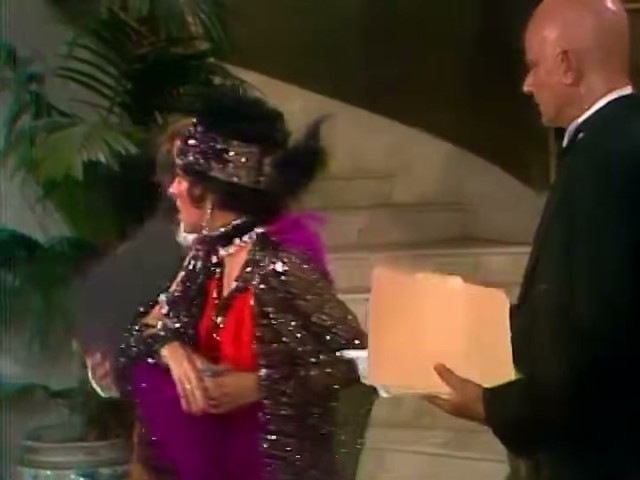
She imagined a future filled with attention, luxury, and celebration. Even the puppet became part of her enormous vision of renewed stardom.
The performance then shifted into a parody of old Hollywood romance. Burnett embraced the exaggerated emotions of silent-era storytelling with fearless physical comedy.
Her character created elaborate dreams around her unlikely co-star. The contrast between the tiny puppet and the massive fantasy made the scene increasingly hilarious.
The actress then prepared for the commercial with the seriousness of a historical epic. A simple bug-spray advertisement became a legendary mission in her imagination.
The sketch transformed the product into a battlefield of theatrical importance. Burnett’s dramatic movements made the ordinary assignment feel like a once-in-a-lifetime event.
Her famous high-pitched scream became a major comic moment. The sudden burst of sound matched the character’s unstoppable passion and oversized personality.
The scream was not just a joke but a reminder of Burnett’s physical comedy skills. She could turn a small reaction into a memorable television moment.
The performance also used conversations with the butler to reveal the character’s self-awareness. Those moments allowed the audience to share the joke from outside the fantasy.
The butler served as a connection between the mansion’s illusion and the audience’s understanding. His reactions highlighted the increasing absurdity of every dramatic decision.
As filming began, the commercial became something completely different from the agency’s original idea. It turned into a full-scale performance filled with exaggerated emotion.
The director’s calls and the actress’s choices created a battle over control. The sketch showed how ambition could become its own source of comedy.
Billy Bedbug continued stealing attention despite being a simple hand puppet. The joke worked because the unlikely performer seemed to become the biggest star.
Burnett’s commitment made the rivalry believable within the sketch’s strange universe. She never played the situation as small, which made every moment more entertaining.
The commercial eventually reached its wildly dramatic conclusion. The actress treated the moment like a historic achievement rather than a brief advertising appearance.
The final scenes delivered the sketch’s biggest twist. Instead of accepting a small role, she imagined herself receiving the highest possible recognition.
She held onto the fantasy of victory with complete confidence. The imaginary award represented her character’s endless desire for admiration and importance.
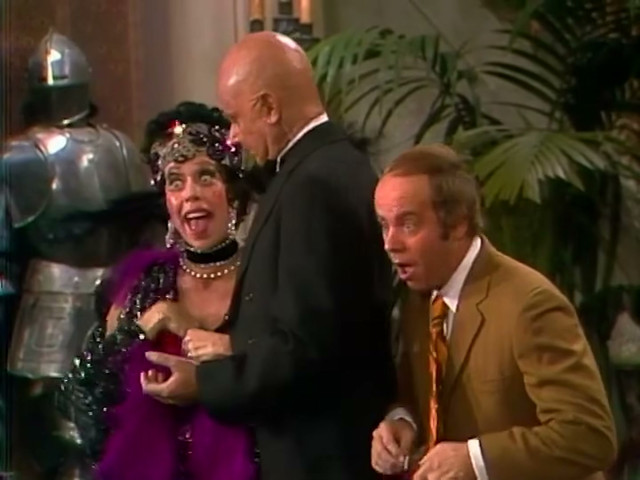
The closing moments celebrated the ridiculous journey. The actress thanked her unusual partner while maintaining the grand attitude that defined the entire performance.
The sketch succeeded because it combined several styles at once. It blended Hollywood parody, physical comedy, emotional exaggeration, and clever television satire.
Burnett’s portrayal captured a familiar entertainment theme. Some performers struggle to accept that fame and reality can move in different directions.
The commercial setting made that theme even sharper. A tiny advertising job became the perfect stage for a massive personal drama.
The puppet rivalry added another layer of surprise. The joke was not simply about a star losing attention but about discovering comedy in unexpected places.
The episode reflected the strengths that made The Carol Burnett Show memorable. It trusted performers to build elaborate worlds from simple ideas.
The sketch also showed Burnett’s ability to transform frustration into laughter. Her character’s disappointment became a celebration of theatrical imagination.
Decades later, the performance remains a standout example of television comedy. It captured the excitement of a performer willing to go completely over the top.
The clash between old glamour and a low-cost commercial created the central joke. A fading fantasy collided with a very ordinary business decision.
Through every dramatic demand and impossible reaction, Burnett maintained control of the chaos. The result was a comedy piece built on confidence and precision.
The puppet co-star became the perfect symbol of the sketch’s message. Even the smallest role can create the biggest surprise when timing is right.
The ending left audiences with a final image of exaggerated triumph. A fictional award ceremony became the perfect conclusion to an unforgettable comic performance.
At its heart, the sketch was about the power of imagination. The character refused to see a simple advertisement as anything less than a historic event.
That refusal created the comedy. The bigger the fantasy became, the funnier the distance between expectation and reality appeared.
Carol Burnett’s work in the sketch showed why her performances became television landmarks. She transformed a strange premise into a fully realized Hollywood adventure.
The result was a memorable collision of celebrity parody and everyday absurdity. A small bug-spray commercial became a stage for one enormous comic dream.
Để lại một bình luận