


Dinner begins with the promise of an ordinary family meal, but Thelma’s kitchen is already primed for comic disaster. Smiles look suspicious, appetites appear strangely selective, and every place setting seems ready to provoke another complaint.
The family settles around the table while Iola attempts to preside over the evening with familiar confidence. She expects gratitude, cooperation, and perhaps a little admiration for helping put dinner together.
Instead, the first blow comes before anyone seriously touches the food. A chipped plate becomes evidence that the entire gathering has somehow fallen beneath acceptable household standards.
Then somebody studies the silverware and notices spots. The observation lands like an official inspection report, forcing Iola to defend another tiny detail she never expected anyone to question.
That is the scene’s central comic weapon: nothing is allowed to pass without scrutiny. Every fork, plate, roll, vegetable, and drink becomes another opportunity to make Iola uncomfortable.
The family does not merely dislike the dinner. They perform their disappointment with the coordinated intensity of diners determined to shut down a restaurant before dessert.
Iola tries to answer each criticism, but the complaints arrive faster than explanations. Before she can solve one problem, someone discovers another outrage sitting inches away.
The rolls are cold. The carrots look questionable, and the meat receives the kind of suspicious examination usually reserved for an object nobody wants to identify.
Each objection appears petty on its own, yet the steady accumulation becomes overwhelming. That relentless rhythm transforms a simple dinner into a carefully controlled ambush.
The performers understand exactly how long to hold every reaction. A wounded stare, an impatient pause, or a sharp turn toward the kitchen gives each new grievance room to explode.
The studio audience responds as the requests become increasingly absurd. Their laughter rises because the family’s dissatisfaction has clearly moved beyond realism and entered strategic territory.
One person wants beer, while another asks for milk. Then Gatorade and Coke join the growing list, turning Iola into an exhausted server at the world’s least appreciative table.
The demands reveal how thoroughly she has lost control of the evening. She keeps moving, answering, defending, and searching while everyone else remains seated and unimpressed.
Condiments create another battlefield. Ketchup is requested, followed by mustard, horseradish, and even soy sauce, as though no possible flavor could rescue the supposedly ruined meal.
Iola becomes visibly more nervous with every new order. Her determination to hold the dinner together only makes the family’s calculated pressure feel more ruthless.
The brilliance of the sequence lies in its speed. No complaint remains unanswered for long because another voice immediately cuts through with a fresh problem.
That rapid dialogue gives the scene the energy of a domestic farce. The kitchen may be familiar, but the emotional temperature keeps climbing with every missing bottle and rejected bite.
Thelma watches the chaos from the center of the table. She is not merely witnessing a terrible dinner, although the full purpose of the evening remains hidden.
For the moment, the scene encourages viewers to focus on Iola’s unraveling patience. She entered believing she could manage the household, yet every effort now draws another insult.
Her defense of the meal becomes increasingly desperate. She points out what should be obvious, but the family treats her explanations as further evidence of failure.
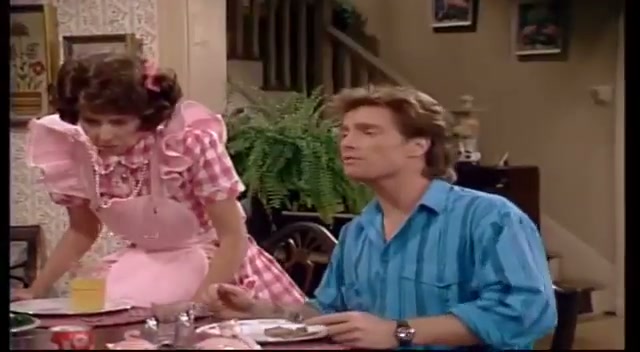
The meat is criticized as overcooked. The vegetables inspire doubtful looks, while the cold rolls become another symbol of an evening allegedly beyond repair.
Nobody seems willing to offer even minor encouragement. If one item escapes criticism, somebody quickly finds a new reason to object to its appearance, temperature, or presentation.
The humor remains sharp because Iola’s frustration is genuine within the scene. She is working hard to satisfy people who appear committed to finding fault.
That imbalance creates both laughter and tension. The audience can see that the dinner is becoming less about food and more about how much disrespect Iola will tolerate.
Eventually, the family raises the possibility of abandoning the meal entirely. Pizza suddenly sounds preferable, an especially brutal verdict after Iola’s frantic attempts to meet every demand.
That suggestion pushes the evening toward its breaking point. The message is unmistakable: her dinner has failed so completely that delivery food would represent a dramatic improvement.
Iola finally recognizes the hostility surrounding her. Confusion gives way to anger as she understands that nobody at the table intends to show gratitude or basic courtesy.
Her response changes the emotional balance instantly. The woman who spent the evening defending herself now stops trying to earn approval from anyone.
Furious and wounded, she announces that she is leaving until the cruise. The declaration initially sounds like the family has achieved exactly what it wanted.
Her exit, however, comes with consequences nobody at the table fully anticipates. Iola is not simply retreating from the kitchen and surrendering the evening.
She delivers her retaliation with devastating precision. Rather than taking Thelma aboard the Dixie Bell, she will bring her own mother on the riverboat cruise.
The news lands harder than any complaint about the meal. Thelma’s upcoming vacation disappears in a single angry decision, turning the family’s apparent triumph into an expensive mistake.
Iola also wants her belongings returned. Even the slipcovers become part of the reckoning, as though every connection to the household must be collected before she leaves.
That demand adds another layer of comic fury to the exit. She is not storming away empty-handed, and she refuses to let the family enjoy anything associated with her.
Then she is gone, leaving silence and the wreckage of a dinner that seemingly drove her from the house. For one brief moment, the operation appears successful.
The truth emerges almost immediately. The disastrous meal was never disastrous at all, and the relentless complaints were not spontaneous reactions to bad cooking.
This was “Plan B,” a coordinated scheme designed to send Iola home. The chipped plate, spotted silverware, cold-roll outrage, and condiment chaos were pieces of the same comic trap.
Once Iola exits, the family’s behavior changes with astonishing speed. The people who could barely tolerate the meal suddenly begin eating with genuine enthusiasm.
The supposedly overcooked meat is delicious. The suspicious vegetables inspire no further concern, and the dinner everyone wanted to replace with pizza becomes entirely acceptable.
Their delighted eating exposes the full deception. Every cutting observation was delivered to wear Iola down, not because the food deserved any criticism.
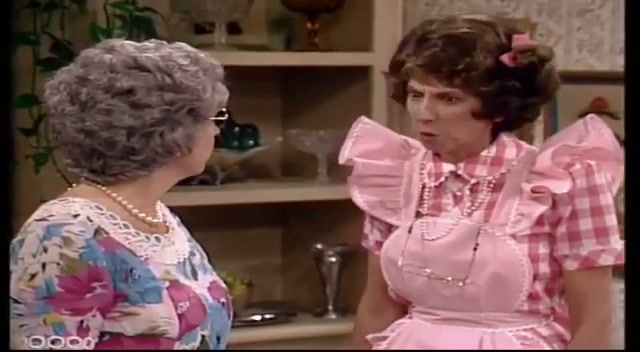
That reversal gives the scene its most satisfying burst of comedy. Viewers discover that the family’s terrible manners were not random, although their plan remains dangerously shortsighted.
The group celebrates because Plan B worked. Iola has left the house, and the oppressive tension surrounding her involvement has vanished along with her demands.
Yet Thelma cannot share their uncomplicated relief. The cost of victory is now painfully clear, and it includes a riverboat vacation she expected to enjoy.
Her expression carries the final turn from triumph to resentment. She helped create the conditions for Iola’s departure, but she never planned to surrender her seat on the Dixie Bell.
The family keeps eating as though the outcome deserves applause. Their happiness only deepens Thelma’s irritation because they have escaped the evening with full plates and no comparable loss.
She is left imagining what might have been waiting aboard the riverboat. The captain’s table represents comfort, attention, and escape from the household circus now chewing happily around her.
Instead, she remains in the kitchen with the same people who helped destroy her plans. The elegant cruise has been exchanged for another meal beside relatives she can barely tolerate.
Thelma’s final description of them as “water rats” delivers the closing sting. It captures her bitterness while preserving the show’s affection for insults that sound outrageous without becoming truly cruel.
The line works because the family’s scheme succeeded on the narrowest possible terms. They drove Iola away, protected the dinner, and regained control of the house.
They also managed to punish Thelma more effectively than their intended target. Iola leaves with a cruise companion, while Thelma remains behind to absorb the consequences.
That imbalance makes the ending stronger than a simple victory celebration. The trap closes exactly as designed, then snaps back on the person who expected to benefit.
The scene also showcases why domestic conflict drives “Mama’s Family” so effectively. Ordinary household details become weapons when pride, impatience, and family loyalty collide around one crowded table.
A chipped plate can ignite suspicion. A cold roll can become an accusation, and a bottle of soy sauce can push an already strained hostess closer to revolt.
Nothing in the room is inherently dramatic, yet the performances make everything feel urgent. Each actor contributes another precise beat to the accelerating collapse.
Iola’s growing distress provides the scene’s emotional spine. Her desire to be useful gradually turns into the realization that her efforts are being mocked.
The family’s commitment to the deception supplies the momentum. Nobody breaks character while she remains in the room, even when the list of complaints becomes gloriously unreasonable.
Thelma ultimately supplies the price of the joke. Her lost cruise prevents the scheme from ending too neatly and gives the episode a final reversal worthy of the elaborate setup.
By the closing moment, the food has been vindicated, the unwanted guest has departed, and the family has reclaimed the kitchen. Still, nobody can call the evening an unqualified success.
The Dixie Bell will sail without Thelma, carrying the woman she drove away and the replacement companion chosen in anger. Her carefully staged dinner has produced one unforgettable case of comic revenge.
What began as culinary sabotage ends as a lesson in family plotting. When every complaint is part of the plan, the most dangerous surprise may arrive after dessert.
