Danh mục: Chưa phân loại

  • The Sitcom Episode That Almost Got Canceled: Why “Edith’s 50th Birthday” Remains TV’s Most Chilling Moment tn01 – US TV Shows Hub


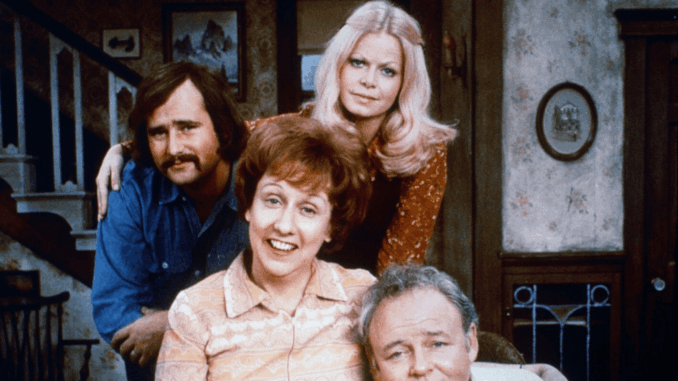
    All in the family 1420x798

    Imagine you’re sitting in your living room in 1977. You’ve got your favorite sitcom on, expecting the usual comfort of a familiar, bickering family. Then, the laughter stops. The tone shifts. Suddenly, the domestic space you thought was safe becomes a place of genuine, visceral terror. That was the experience for millions of viewers when All in the Family aired “Edith’s 50th Birthday.” It wasn’t just another episode; it was a societal earthquake. But why do we still find ourselves dissecting this specific half-hour of television nearly 50 years later?

    ## The Premise: When Darkness Enters the Bunker Home

    The plot seems simple enough on the surface—a classic “surprise party” setup. Edith Bunker, the sweet-natured heart of the show, prepares for her 50th birthday. But while the rest of the family hides next door, waiting to shout “Surprise!”, a predator tricks his way into the Bunker home, posing as a police detective. What follows isn’t a punchline; it’s a harrowing, realistic, and deeply uncomfortable sequence where Edith must fight for her survival.

    ## Why CBS Almost Pulled the Plug

    Before this episode ever hit the airwaves, the network was in a state of panic. Executives weren’t just worried about low ratings; they were terrified of a public backlash. There were rumors of boycotts, private screenings for law enforcement and doctors, and intense internal debates about whether to air it at all. Production even ground to a halt as the team questioned if they were crossing a line that no sitcom had dared to approach.
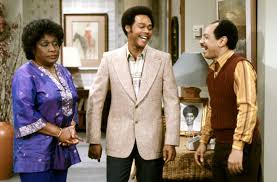
    Images (10)

    ## The Evolution of the “Very Special Episode”

    Before All in the Family, sitcoms were largely escapist. They were tidy, polite, and rarely acknowledged the uglier side of reality. “Edith’s 50th Birthday” broke the mold. By choosing to center this story on Edith—a character who embodied innocence—the writers forced the audience to realize that violence doesn’t discriminate.

    ## Is the Portrayal Still Relevant Today?

    One reason the debate continues is the sheer grit of the storytelling. Some modern critics argue that the depiction of the perpetrator is a bit “Hollywood,” perhaps relying on the trope of a stranger-danger predator rather than the more common reality of acquaintance-based assault. Others praise it for the raw, emotional aftermath—how the show captured the paralyzing fear and the societal victim-blaming that was so prevalent in the late ’70s.

    ## The Power of Performance: Jean Stapleton’s Masterclass

    We have to talk about Jean Stapleton. She brought a level of vulnerability to Edith that made this episode feel devastatingly real. When she finally escapes and collapses into Archie’s arms, it isn’t just acting—it’s an visceral reaction that resonates across decades.

    ### A Shift in Audience Response

    Do you remember hearing about the studio audience’s reaction? It is said that when Edith finally used the burning birthday cake to fight off her attacker, the audience erupted in the loudest cheers in the show’s history. That moment of catharsis is a testament to how deeply invested the audience was in her survival.

    ## Why the Debate Rages On

    People still debate this episode because it forces us to reconcile two different worlds: the lighthearted environment of 1970s television and the brutal reality of sexual assault. Was it “too much” for a comedy? Or was it exactly what America needed to see to start a real conversation?

    ### The Role of Archie Bunker

    Even Archie, usually the caricature of ignorance, undergoes a subtle shift. His fear for Edith, his helplessness, and his anger highlight how even the most stubborn, set-in-his-ways characters are forced to grow when confronted with real-world tragedy.

    ## The Long-Term Impact on Television

    If you look at modern dramas that tackle tough social issues, you can draw a direct line back to this episode. It proved that audiences were capable of handling complexity and that “serious issues” could be part of the primetime conversation.

    ## Analyzing the “Stranger Danger” Trope

    Critics today often point out that the episode frames the attacker as a random stranger. Is that problematic? Does it reinforce the idea that danger always comes from the outside? It’s a point of contention that keeps film students and sociologists talking to this day.

    ## The Psychological Aftermath

    The second half of the episode focuses on Edith’s recovery—or her struggle to recover. It doesn’t sweep the trauma under the rug. It shows the depression, the fear of answering the door, and the friction it causes in the family. That’s the real “controversy”: the show’s refusal to provide an easy, happy ending.

    ## Comparing “Edith’s 50th” to Other Controversial TV Moments

    How does it stack up against Maude’s abortion episodes or other “issue-heavy” sitcom stories? It sits in a league of its own, mainly because it centers on a physical violation rather than a moral or political choice.

    ## The Expert Consultation Behind the Scenes

    Norman Lear didn’t just write this out of thin air. The production team consulted with crisis centers and experts to ensure they were capturing the emotional reality of the situation. Does that effort hold up under modern scrutiny? That’s for you to decide.

    ## Why We Need These Stories

    Perhaps the reason we keep debating it is that we’re still trying to figure out the right way to tell stories about trauma. Can a sitcom be a place for healing? Or should we keep our heavy stories for the six o’clock news?

    ## The Legacy of the Bunker Home

    “Edith’s 50th Birthday” remains a landmark. It’s a snapshot of a moment when television stopped trying to distract us and started trying to challenge us.

    ## Conclusion: A Turning Point in TV History

    “Edith’s 50th Birthday” remains the gold standard for controversial sitcom storytelling. Whether you view it as a brave attempt at social awareness or a dated take on a sensitive issue, you can’t deny its impact. It changed the Bunker family, it changed CBS, and it changed the way we think about the characters who enter our living rooms every week.

    ## Frequently Asked Questions

    1. Was “Edith’s 50th Birthday” actually banned? While it wasn’t technically “banned,” it faced immense pressure and threats of boycotts, and some local stations were extremely hesitant to air it.

    2. Why was this episode considered so controversial in 1977? At the time, sexual assault was a taboo topic. Discussing it on a popular, family-oriented comedy show was viewed by many as dangerous and inappropriate.

    3. Did Jean Stapleton enjoy filming this episode? Stapleton was a consummate professional, but she recognized the weight of the episode. She and the rest of the cast were committed to treating the subject matter with the gravity it deserved.

    4. How did the audience react to the assault scene? The audience was reportedly horrified during the attack but erupted into massive cheers and applause when Edith finally fought back and escaped.

    5. Why do critics still debate this episode today? The debate usually centers on whether the episode’s depiction of a “stranger predator” is accurate and how well the show handled the complex psychological aftermath of the event.

    This article is a critical reflection on television history and the cultural impact of “All in the Family” as of 2026.

    The full story of the most controversial All in the Family episode

    This video provides an in-depth look at why the episode was so daring for its time and details the intense behind-the-scenes pressure the production team faced before it aired.

  • How to Stream Full House in 2026: A Step-by-Step Guide to Watching Every Episode


    Assetstask 01k475q68hfhxvsgcxx56

    Have you ever felt a sudden, overwhelming urge to curl up on the couch, eat a bowl of cereal, and binge-watch classic 90s television? That comforting wave of nostalgia hits us all out of nowhere. When the craving strikes, nothing cures it quite like heading over to San Francisco to hang out with the Tanner family.

    Trying to figure out where to stream your favorite comfort sitcom can feel like solving a frustrating puzzle. Licensing deals change faster than Danny Tanner can clean a kitchen counter. If you are scratching your head wondering how to watch every single season right now, you are definitely not alone. Let us walk through a complete, step-by-step guide to finding and streaming every episode without any hassle.

    Why We Still Crave the Comfort of the Tanners

    Why do we keep running back to a house full of quirky roommates, growing kids, and iconic catchphrases decades after it originally aired? Simple. It feels like a warm hug on a cold rainy day.

    Modern television is packed with heavy dramas, gritty antiheroes, and complex plots that require a spreadsheet to follow. Sometimes you just want a show where the problems get neatly wrapped up in twenty-two minutes, complete with a touching life lesson in the kitchen. Revisiting these classic moments acts like an emotional time machine, transporting us straight back to simpler childhood days.

    Navigating the Streaming Maze for Classic Sitcoms

    Finding classic content online can feel like searching for a needle in a digital haystack. Streaming platforms constantly shuffle their libraries, moving beloved shows from one service to another based on complex global licensing agreements.

    One month a show lives happily on your favorite app, and the next month it vanishes into thin air. Understanding how these platforms operate helps you save time, avoid dead ends, and track down your favorite episodes on the first try.509606708 700177256262927

    Checking Major Platforms for Availability

    Before diving into complex workarounds, you always want to check the major digital storefronts and subscription platforms. Depending on your current geographic region, platforms like Apple TV and Amazon Prime Video frequently offer digital purchases for individual seasons or complete series box sets.

    Buying digital episodes means you never have to worry about sudden licensing removals or platform hopping again. It is like owning the physical DVD box set, except it takes up zero space on your living room shelf.

    Understanding Regional Streaming Differences

    Have you ever noticed how a show available in one country completely disappears the second you cross an international border? That happens because television distribution rights are chopped up by region.

    What streams freely on one platform in North America might require a completely different service or digital storefront overseas. Knowing your local library’s current lineup is the absolute first step to mapping out your weekend binge session.

    Using Digital Stores for Permanent Access

    If subscription apps are playing hide-and-seek with your favorite show, digital purchase options provide a reliable backup plan. Platforms like Apple TV and Amazon Prime let you buy whole seasons outright.

    Think of it as building your own personal digital vault. Once you purchase the content, it stays locked into your library permanently, ready to play whenever a late-night nostalgia wave hits you.

    Exploring International Streaming Libraries

    For superfans willing to explore global options, international streaming catalogs sometimes hold hidden gems. Certain overseas Netflix libraries maintain streaming rights for the complete series run.

    Navigating these international options usually requires understanding regional availability shifts and digital tools designed to bridge geographic gaps. It takes a little extra effort, but true dedication knows no bounds when the Tanners are involved.

    How Virtual Private Networks Open New Doors

    When regional blocks keep you from accessing your favorite shows, virtual private networks step in as the ultimate digital key. A quality VPN lets you securely route your internet connection through servers located in different countries.

    Think of a VPN like a universal passport for the internet. It helps you bypass annoying geo-restrictions, ensuring your streaming marathon doesn’t get interrupted by an unexpected location error screen.

    Choosing the Right Streaming Tool Setup

    Setting up your viewing environment correctly makes all the difference. Whether you prefer watching on a smart TV, a tablet, or a laptop in bed, consistency is key.

    You want a setup that delivers crisp video quality and zero buffering lag. Nobody wants Uncle Jesse’s hair freezing mid-flip because of a weak internet connection or a sluggish server.

    Step-by-Step Guide to Setting Up Your Stream

    Ready to get started? Follow this simple roadmap to kick off your marathon:

    • Check your local subscription apps to see if the series is currently active in your region.

    • Explore digital storefronts like Apple TV or Amazon Prime if you prefer owning the episodes outright.

    • If necessary, configure a reliable streaming tool to bridge any regional gaps.

    • Grab your favorite snacks, get comfortable on the couch, and hit play.

    Diving Into the Fuller House Companion Series

    Once you finish a full run of the original classic, you do not have to say goodbye to the family just yet. The modern sequel series, Fuller House, continues the generational story with the younger kids all grown up.

    Available widely on major subscription platforms, the sequel brings back familiar faces, guest cameos, and plenty of cheesy dad jokes. It bridges the gap between past and present, giving longtime viewers an extra dose of comfort television.

    Avoiding Common Streaming Pitfalls

    As you hunt for episodes online, watch out for sketchy third-party sites promising free streams. These unverified links often flood your screen with annoying pop-ups, malware, or low-quality video rips.

    Stick to official platforms and trusted digital storefronts. Protecting your devices keeps your binge-watching session safe, smooth, and entirely stress-free.

    Why Physical Media Still Matters Today

    In an era dominated entirely by cloud streaming, physical media offers a bulletproof alternative. Snagging the complete series on DVD or Blu-ray means you never have to stress over expiring licenses or disappearing library catalogs again.

    There is also something deeply satisfying about sliding an actual disc into a player, watching the menu load, and picking your favorite episodes manually. It leans heavily into that authentic 90s aesthetic.

    Preparing Your Ultimate Binge Setup

    A proper television marathon requires proper preparation. You cannot just dive into eight seasons of classic comedy without a solid game plan.

    Fluff up your favorite pillows, blanket yourself on the sofa, and silence your phone notifications. Give yourself permission to completely disconnect from modern stress and step back into a simpler television era.

    Reliving the Best Classic Catchphrases

    Part of the joy of rewatching the series is shouting out the iconic lines right along with the characters. From Joey Gladstone’s cartoon voice impressions to Danny’s obsession with cleaning products, every episode brings a wave of familiarity.

    These running gags create a comforting rhythm that makes watching feel like visiting old friends you have known for years.

    Looking Forward to Your Nostalgic Weekend

    Now that you have the complete roadmap to finding and streaming every episode, your weekend plans are officially set. Whether you choose digital storefronts, subscription apps, or global tools, the Tanner family is ready to welcome you back home.

    Pop some popcorn, settle into your favorite spot on the couch, and get ready for a heavy dose of pure, unadulterated comfort television.

    Conclusion

    Finding and streaming every episode of Full House doesn’t have to feel like an impossible chore. By checking trusted digital storefronts, exploring regional availability, and utilizing reliable streaming tools when needed, you can dive right back into the iconic San Francisco household. Whether you are revisiting favorite childhood memories for the hundredth time or discovering the heartwarming chaos for the very first time, the Tanners remain a gold standard for comfort television. Set up your screen, grab your snacks, and enjoy your ultimate trip down memory lane.

    Frequently Asked Questions

    Where can I stream Full House online right now?

    Availability depends heavily on your geographic region; you can find the series on digital storefronts like Apple TV and Amazon Prime, or via international streaming libraries depending on your location.

    Can I buy individual seasons of Full House digitally?

    Yes, major digital platforms including Amazon Prime Video and Apple TV allow users to purchase individual seasons or the complete series box set for permanent digital access.

    Is the sequel series Fuller House available to stream?

    Yes, Fuller House streams globally as a platform original, letting fans follow the next generation of the family across all five seasons.

    Why is Full House hard to find on standard subscription apps in the US?

    Streaming availability shifts constantly due to complex, changing international licensing agreements and distribution rights held by various studios.

    What is the best way to watch Full House if it is blocked in my country?

    Many viewers use a reliable virtual private network (VPN) to connect to international servers where the series is actively streaming on supported platforms.

    Post Views: 90

  • Juneteenth Compilation Celebrates Five Classic Dry Cleaning Empire Episodes And Generational Business Drama


    Article Image 1

    A Juneteenth-themed compilation dropped this week on The Jeffersons’ official YouTube channel. The reel stitches together five classic scenes celebrating one of television’s loudest entrepreneurs.

    Released to mark the federal holiday honoring Black freedom and economic independence, the video is a tribute to scrappy ambition. It reframes a beloved sitcom character as a bold symbol of self-made business success and family-driven hustle.

    The five scenes span Seasons 3 through 9 of the legendary Norman Lear sitcom. Together they trace the journey of a combative dry-cleaning magnate who built his fortune floor by floor.

    Each clip doubles as nostalgia bait and a thematic nod to a meaningful national observance. The compilation opens with cold-open footage pulled from the Season 9 episode “Charlie’s Angels.” That scene, drawn from the show’s final stretch on the air, introduces the Juneteenth framing device.

    It sets a celebratory tone and hails the title character as an “amazing entrepreneur” on screen. From that opening, the reel jumps backward to Season 3 Episode 6, “The Retirement Party.” That segment places the character’s identity as a hands-on boss at the center of the conflict.

    He wrestles with the idea of stepping away from a business he built with his own two hands. Family members and longtime colleagues urge him toward a softer, quieter retirement life.

    He resists with the stubborn bluster that made him a television icon for nearly a decade. The scene leans hard into the show’s central comedic premise about a man who cannot let go.

    His fierce independence, the clip suggests, is part of why his business thrived in the first place. The reel then pivots to Season 5 Episode 19, “The Hold Out,” a labor-driven showdown.

    There, the dry-cleaning boss digs in during a tense negotiation with workers pushing back on terms. His stubbornness becomes both weapon and liability as the standoff drags into the late afternoon.

    He refuses to bend, even as the dispute threatens to disrupt the entire operation. The scene highlights labor tension that ran through the character’s run on the long-running sitcom.

    It also underscores his refusal to compromise on conditions he considers non-negotiable for the company. From boardroom battles, the reel moves to Season 4 Episode 17, “Lionel Gets The Business.” That hand-off marks a generational passing of the torch inside the family dry-cleaning empire.

    The father grooms his son for management, trusting the next generation with his hard-won legacy. Generational friction surfaces as old-school methods collide with a younger man’s newer approach to operations.

    Family drama drives the storyline as the patriarch watches his scion take the wheel of the business. There is pride in the handoff, but also lingering reluctance to fully surrender daily control.

    Article Image 2

    The segment frames succession not as an ending but as a strategic continuation of the brand he built. The next clip, drawn from Season 3 Episode 23, “George The Philanthropist,” pivots to community impact.

    Here the title character reveals a softer, more generous side of his often-blustery on-screen personality. He opens his wallet for local causes, showing the businessman also operates as a neighborhood benefactor.

    It is a rare glimpse of quiet generosity from a character better known for shouting matches and door slams. The segment showcases how self-made wealth can be turned outward toward a struggling community in need.

    The clip lands as a deliberate counterweight to the louder scenes that surround it in the reel. Together, the five segments paint a full portrait of ambition in all its messy, complicated forms.

    The reel closes by returning to the Season 9 “Charlie’s Angels” footage for a final bookend. Sherman Hemsley’s signature swagger returns to wrap the celebration with one last burst of bravado.

    That closing beat reassures fans the spirit of the show’s central figure still burns bright decades later. The compilation is not just retrospective; it is a deliberate tribute on a charged national calendar date.

    The Juneteenth timing adds intentionality to what could have been a routine clip reel. The release positions the title character as a stand-in for generations of Black business owners across America.

    His dry-cleaning empire, the framing suggests, echoes real-world entrepreneurial dreams stretching across decades. The video also doubles as a streaming-era gateway, pushed across Tubi, Pluto TV, and YouTube.

    That distribution push targets both nostalgic longtime fans and curious new viewers discovering the sitcom. The push leans into ongoing rerun deals that have kept the Norman Lear classic in heavy circulation.

    For longtime viewers, the reel offers a welcome chance to revisit favorite moments from seasons past. For younger audiences, it serves as a fast-paced introduction to a landmark sitcom from the mid-1970s.

    The show, which ran from 1975 to 1985, broke new ground with its predominantly Black principal cast. It spun off from “All in the Family” and followed the character’s climb from dry-cleaner to homeowner.

    The Juneteenth release lands the show’s central themes within an even larger American cultural conversation. That conversation now includes federal recognition of a long-fought freedom milestone on the national calendar.

    The reel places the character’s hustle within that broader history of Black striving and self-determination. It celebrates, in its own scripted way, the long arc of Black entrepreneurial ambition in modern America.

    Reactions on social media have been warm, with fans praising the holiday-themed framing of the reel. Many viewers noted the timeliness of placing familiar sitcom moments within a Juneteenth context.

    Article Image 3

    Others wrote online that the reel made them want to rewatch full episodes of the long-running series immediately. The compilation lands during a broader streaming push for classic Black sitcoms across major platforms.

    Pluto TV and Tubi have leaned into curated collections tied to cultural milestones and holidays this year. This reel represents one of the more thoughtful tie-ins between legacy television and holiday observance.

    The framing is deliberate, choosing uplift and self-made pride over mere run-of-the-mill sitcom nostalgia. For the show’s studio and rights-holders, the message is clear that this catalog remains culturally relevant.

    For loyal fans, the reel is a reminder that a loud, combative dry-cleaning boss still resonates deeply. His swagger, his stubbornness, and his willingness to fight for what he built feel remarkably current.

    The compilation’s warm reception could encourage similar holiday-themed reels across classic TV catalogs. Industry observers say such tie-ins allow legacy networks to reconnect with viewers on meaningful national dates.

    For now, the Juneteenth release stands as a tribute to ambition, family legacy, and self-determination. It also functions as a small, scripted celebration of Black economic independence on a meaningful holiday date.

    The compilation runs just over seven minutes, packing dense character beats into a quick, shareable package. Each cut is timed for maximum comedic impact and emotional payoff for both new and returning viewers.

    The YouTube description leans into the Juneteenth framing with language about Black business and self-determination. Comments underneath the post have ranged from heartfelt to hilarious, with fans trading favorite episode memories.

    Several viewers singled out the labor standoff segment as a standout moment of comedic tension in the reel. Others praised the soft-focus philanthropy segment as an underrated reminder of the character’s hidden depth.

    The reel positions itself as both tribute and gateway, bridging past audiences with potential new ones. For a show that helped redefine American television in the 1970s and 1980s, the timing feels right.

    Its central character remains a vivid shorthand for stubborn, self-made pride in the face of doubt. That shorthand lands especially hard during a national observance built around freedom and economic self-reliance.

    The compilation treats its subject with clear affection, refusing to soften his sharpest comedic edges. It also refuses to flatten him into a simple hero, preserving the contradictions that made him iconic.

    That balance is what gives the reel its surprising emotional weight beneath all the swagger and shouting. In the end, the Juneteenth release works because it trusts viewers to read the larger meaning themselves.

    The five classic scenes do the heavy lifting, letting the character’s arc speak directly to a new holiday. And for fans who have loved the dry-cleaning boss for nearly fifty years, the tribute lands warmly. It is a small, joyful piece of programming that doubles as cultural commentary at exactly the right moment.


  • Street Mugging Fear Meets Karate Nerve And A Feather Light Iron Twist


    Article Image 1

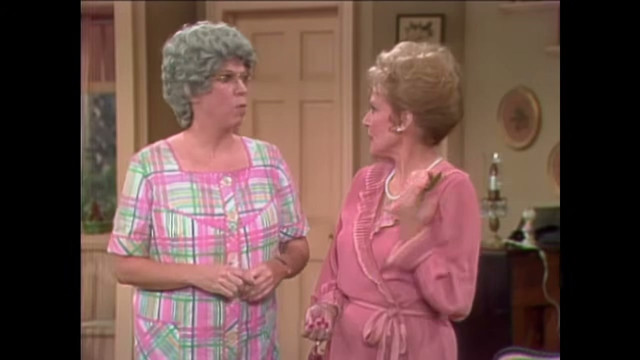
    The self-defense class begins with Mama Harper carrying more anger than technique. A street mugging has shaken her confidence, and she wants something stronger than reassurance.

    Instructor Chuck quickly recognizes the problem behind her aggressive stance. Mama is ready to fight the world, but raw fury is not the lesson he intends to teach.

    Chuck stresses finesse, confidence, and surprise instead of physical power. His approach sounds almost too restrained for Mama, whose skepticism is written across every impatient glance.

    To make his point, Chuck demonstrates escape techniques with Sonia and Naomi. Each movement depends on timing, leverage, and an opponent’s mistaken belief that he controls the encounter.

    The exercises have a practical rhythm, but Mama watches like a doubtful critic. She seems less interested in slipping from danger than in delivering instant punishment.

    Chuck keeps returning to the same principle. Strength may intimidate, but surprise can overturn an encounter before the stronger person understands what has happened.

    That idea begins settling into Mama’s mind, even as she continues challenging the instructor. Her resistance is part stubbornness, part fear, and part refusal to appear frightened again.

    When she volunteers to test the lesson, her old swagger suddenly returns. Mama steps forward like someone determined to prove that experience can outmaneuver polished instruction.

    Chuck accepts the challenge, apparently prepared for another clumsy burst of force. Instead, Mama changes the atmosphere with an abrupt complaint about her arthritis.

    Her confidence disappears beneath theatrical helplessness. She appears uncomfortable and defeated, giving Chuck every reason to relax his guard and abandon his defensive posture.

    That is exactly the opening she wants. The moment Chuck accepts her performance, Mama catches him off guard and turns his own teaching against him.

    The room’s balance shifts in an instant. Mama has not merely copied a maneuver; she has understood the psychological trick at the heart of the class.

    Her arthritis complaint becomes a disguise, and vulnerability becomes strategy. Chuck learns that his most skeptical student has already mastered the element he considered essential.

    The victory restores something the mugging took from her. Mama leaves the exercise with renewed confidence, although moderation is not among her strongest qualities.

    That confidence follows her into a declining shopping district, where the story’s comic tension takes a sharper turn. Mama walks beside another older woman carrying purchases from Neidermeyer’s.

    Their conversation begins with nostalgia rather than danger. They remember a neighborhood and department store that once seemed sturdier, busier, and more dependable than their present versions.

    Neidermeyer’s has changed, and Mama is unimpressed by modern merchandise. A lightweight iron becomes the latest symbol of everything she believes manufacturers no longer build properly.

    The appliance feels too light to command her respect. Mama treats its lack of heft as evidence that contemporary convenience has replaced durability with something suspiciously flimsy.

    Article Image 2

    Around them, the shopping district carries its own faded mood. Familiar storefronts and passing strangers create a setting where memory competes with visible decline.

    The conversation gradually shifts from old retail standards to present-day street awareness. Mama, energized by her training, assumes the role of an uncompromising security expert.

    She tells her companion to stand tall and project strength. Looking uncertain, she insists, can encourage trouble before a single threatening word is spoken.

    Her advice contains genuine wisdom, but Mama delivers it with escalating intensity. Every passerby becomes a possible test of her newly recovered courage.

    A normal pedestrian can trigger a hard stare. An ordinary movement can become suspicious once Mama filters the street through fear, pride, and fresh classroom instruction.

    Her companion is not simply receiving safety advice anymore. She is being coached through an elaborate performance designed to convince the entire neighborhood that they are untouchable.

    The comedy comes from Mama’s extreme vigilance. She has moved beyond refusing to look vulnerable and begun acting as though danger is hiding behind every shopping bag.

    Yet the performance reveals how deeply the earlier incident still affects her. The bravado is real, but it remains fragile because it was built over unresolved fear.

    Mama can lecture about confidence while the threat remains hypothetical. The true test arrives when she recognizes the man connected to the earlier mugging.

    In that moment, all her rehearsed toughness appears to vanish. Her posture changes, her certainty falters, and the street suddenly feels less like a classroom exercise.

    The difference between controlled practice and an actual confrontation becomes painfully clear. Chuck’s lessons offered structure, while this encounter arrives with memory, pressure, and no predictable sequence.

    Mama seems to retreat into the frightened role she worked so hard to escape. Her apparent surrender is startling because it follows such an emphatic campaign of streetwise confidence.

    She presents herself as overwhelmed and compliant. Even more surprisingly, she calls attention to her companion’s purse, as though helping the threatening stranger complete his demand.

    For a brief stretch, it looks like the training has failed her. The woman who challenged Chuck now appears unable to summon even the defensive posture she preached moments earlier.

    However, Mama is repeating the move that worked in class. She is not abandoning the lesson; she is creating the same dangerous comfort that allowed her to surprise Chuck.

    Her fear may be genuine, but the surrender is also misdirection. She lets the man believe he understands her before revealing that he has underestimated her again.

    The shopping bag now holds more than a disappointing purchase. Inside sits the feather-light iron Mama had dismissed as a symbol of modern decline.

    The prop has been planted through casual department-store complaints, making its return feel both ridiculous and inevitable. What seemed like nostalgic banter suddenly becomes part of Mama’s defense.

    Article Image 3

    Using surprise, nerve, and the unlikely appliance, Mama stops the confrontation. The moment avoids turning her into an action hero, preserving the character’s scrappy, improvised comic identity.

    Her victory comes from reading the situation rather than overpowering anyone. She understands assumptions, performs helplessness, and chooses the instant when that performance gives her an advantage.

    The iron’s light construction, previously treated as a flaw, becomes unexpectedly useful. Mama’s complaint circles back with the precision of a classic sitcom setup and payoff.

    She finally concedes that the modern appliance can “do the job after all.” The closing line lands because it resolves the danger, the shopping conversation, and her emotional struggle together. The punchline also allows relief to flood the scene.

    Tension breaks, Mama’s personality surges back, and an object she mocked becomes the unlikely emblem of her recovery. What makes the sequence work is the contrast between confidence and fear.

    Mama does not simply become fearless after one lesson, because the earlier mugging still has emotional consequences. Instead, she learns to act while frightened.

    That distinction gives the comedy an undercurrent of resilience without making the confrontation feel detached from what sent her to class. Chuck’s instruction also receives an unexpectedly thorough payoff.

    Finesse matters, confidence matters, but surprise proves decisive in both the classroom demonstration and the street encounter. Mama adapts that principle through performance rather than polished technique.

    Her greatest defensive tool is her ability to make others believe exactly what she wants them to believe. First, she convinces Chuck that arthritis has ended their exercise.

    Later, she convinces the returning threat that her courage has collapsed completely. Both deceptions exploit assumptions about age and vulnerability.

    Mama recognizes those assumptions, resents them, and ultimately uses them as openings instead of accepting them as limitations. The episode never lets her newfound bravado become entirely heroic.

    Her exaggerated suspicion of innocent passersby keeps puncturing the image of a perfectly disciplined self-defense student. That imbalance is essential to the humor.

    Mama has learned the right lesson, but she applies it with the volume, stubbornness, and theatrical flair that define her. The department-store nostalgia deepens the setup without slowing the story.

    Complaints about neighborhood decline and lightweight products create atmosphere while quietly preparing the final visual joke. By the confrontation, every piece is ready.

    Mama has fear to overcome, a lesson to remember, a companion to protect, and an iron she considers practically useless. The final twist combines those elements without requiring an elaborate explanation.

    One decisive surprise transforms a mundane purchase into the object that restores Mama’s control. Her closing remark is more than a product joke.

    It signals that she has reclaimed the quick wit and stubborn authority that the street mugging temporarily disrupted. The victory remains comic because Mama never stops being Mama.

    She survives the test through nerve, misdirection, practical timing, and a purchase she was already planning to criticize. The result is a tightly constructed sitcom sequence with an emotional spine.

    Fear launches the story, overconfidence complicates it, and improvisation delivers the satisfying final turn. Mama does not leave the street as a disciplined martial artist. She leaves as something more believable and more entertaining: herself, newly alert and armed with one excellent callback.


  • The Biggest Plot Twist in All in the Family Nobody Saw Coming 

    ChatGPT Image Jul 16, 2026, 05 51 54 PM

    For a sitcom that built its reputation on sharp humor and unforgettable arguments, All in the Family delivered far more emotional surprises than many fans remember. Beneath the laughter, the series constantly challenged expectations, proving that even the loudest opinions could change—and that was the greatest plot twist of all.

    Archie Bunker: The Character Everyone Thought They Knew

    At first glance, Archie Bunker seemed completely predictable. He was stubborn, opinionated, and convinced he was always right. Viewers expected him to stay exactly the same from the pilot to the finale.

    Instead, the show slowly revealed a much more complicated man.

    Time after time, Archie found himself questioning long-held beliefs after personal experiences with family, friends, and neighbors. While he rarely admitted he was wrong outright, fans could see the subtle changes in his actions. Those quiet moments often carried more emotional weight than any dramatic speech.

    That gradual transformation became one of television’s most unexpected twists.

    Edith’s Quiet Strength Changed Everything

    Many viewers initially saw Edith as the gentle, soft-spoken wife who simply tolerated Archie’s constant complaints.

    But episode after episode proved she was the emotional backbone of the Bunker household.

    When serious family conflicts erupted, Edith often became the voice of compassion and common sense. Her kindness wasn’t weakness—it was the force that held everyone together.

    The realization that Edith was, in many ways, the strongest character on the show remains one of the series’ most satisfying surprises.

    The Family Never Stayed Divided Forever

    One of the show’s smartest storytelling choices was refusing to let disagreements define its characters forever.

    Explosive arguments between Archie, Mike, Gloria, and Edith often ended with moments of understanding instead of permanent resentment.

    That emotional balance made every conflict feel real. Fans never knew whether an episode would end with laughter, tears, or a heartfelt conversation around the dinner table.

    Those unpredictable endings kept audiences coming back week after week.

    Comedy That Was Never Just Comedy

    Many classic sitcoms relied on simple misunderstandings.

    All in the Family did something far bolder.

    The series used comedy to explore prejudice, politics, marriage, generational conflict, religion, and social change. Just when viewers expected another funny exchange, the story would suddenly become deeply emotional or surprisingly thoughtful.

    That ability to switch from hilarious to heartbreaking in a matter of minutes became the show’s signature twist.

    Why Fans Still Talk About It Today

    Decades later, All in the Family remains one of television’s most discussed sitcoms because it constantly challenged expectations.

    The biggest plot twist wasn’t a shocking death, a secret identity, or a surprise romance.

    It was discovering that every character—especially Archie—was far more human than they first appeared.

    That’s why the series continues to resonate with new generations. Behind every heated argument was a family trying to understand one another, and behind every laugh was a lesson that still feels relevant today.

    Did All in the Family have a moment that completely surprised you? Share the episode or scene that changed the way you saw the Bunker family!

    Post Views: 847

  • Jodie Sweetin Says Mary-Kate and Ashley Didn’t Return for Fuller House Because ‘This Isn’t What They Love’


    0ad592253394cf07046991448ea118b2

    It’s been over a decade since the Full House revival, Fuller House, hit our screens, and yet, one question persists like a stubborn stain on a white carpet: Where was Michelle? For years, fans speculated. Was it drama? A falling out? A secret feud between the cast and the world’s most famous twins? Well, Jodie Sweetin—our beloved Stephanie Tanner—has finally offered the most grounded, human explanation we’ve heard yet.

    In a recent appearance on the Taboo’s Comics and Kicks podcast, Sweetin cleared the air. The reason Mary-Kate and Ashley Olsen didn’t return to reprise their role as Michelle Tanner wasn’t rooted in malice or high-stakes Hollywood beef. It was much simpler, and perhaps, much more relatable: They simply moved on to a life that didn’t involve a laugh track.

    A Different Relationship with the Spotlight

    Jodie Sweetin’s insights offer a perspective we often overlook. While the rest of the cast grew up on the set and largely continued their careers in entertainment, the twins’ experience was fundamentally different. They were infants—literally nine months old—when they began. To them, the set of Full House wasn’t just a workplace; it was a part of a childhood they didn’t get to experience outside of the public eye.

    The Burden of Being a Child Star

    Imagine being “invaded” for public consumption before you can even talk. Sweetin didn’t shy away from this reality. She acknowledged that the twins lived a life of intense scrutiny from the moment they entered the world. By the time they stepped away from the series, they had spent years being “the girls” or “the twins.” It’s no wonder they eventually craved the exact opposite of that: privacy.

    Fashion Over Fame

    We all know the success story: Mary-Kate and Ashley pivoted into the world of luxury fashion, eventually founding their powerhouse label, The Row. But as Sweetin points out, this wasn’t just a career change—it was a reclamation of identity. They moved from being the subjects of everyone’s attention to being the architects of a high-end, private brand where they call the shots.

    Addressing the ‘Fuller House’ Meta-Moment

    Do you remember that first episode of Fuller House where the family looks at the camera after mentioning Michelle’s fashion empire in New York? Fans were divided—some loved the cheeky nod, while others felt it was a dig. Sweetin clarifies that it was never meant to be mean-spirited. It was simply an acknowledgment of the elephant in the room. You can’t reboot Full House and pretend the youngest sibling doesn’t exist, can you?

    Are They Really on Good Terms?

    Despite the internet’s love for a good “feud” headline, Sweetin insists that the relationship is fine. There’s no bitterness, just the reality of people who grew up and drifted into different lanes. It’s like bumping into someone you went to elementary school with—you’re happy for their success, but you’re living in a completely different world now.

    The Perspective of Time

    It’s important to remember that Mary-Kate and Ashley were only eight years old when Full House ended. Sweetin noted that at that age, memories are fleeting. They don’t have the same emotional attachment to the “family” aspect of the show that she does. To the twins, the show was a job they started as babies, not the formative, life-defining chapter it was for the rest of the cast.

    Why We Keep Asking the Question

    Why does the public demand their return so fervently? It’s because Michelle Tanner is a piece of our collective nostalgia. When we watch the reboot, we are looking for a sense of completeness. When that piece is missing, we project our own disappointment onto the actors. But perhaps it’s time we respect the choice of two women who decided they didn’t want to be “Michelle” for the rest of their lives.

    The Evolution of the ‘Full House’ Cast

    The cast members are all in different places now. Some leaned into the nostalgia, some moved into politics, some into new acting roles. The fact that the twins chose a path that doesn’t involve the show doesn’t make their contribution any less significant. It just means they grew up.

    The Privacy Paradox

    They built an empire valued at over a billion dollars, yet they are notoriously private. That is a masterclass in modern fame. In an era where everyone is “over-sharing” on social media, the twins’ decision to retreat from the public eye feels almost radical. It’s the ultimate act of self-preservation.

    Should We Stop Expecting a Reunion?

    Sweetin’s words sound like the final word on the matter. If the incentive to return to acting isn’t there, and the desire for attention is non-existent, why would they? The idea of a full-cast reunion that includes them is likely a fantasy we need to let go of.

    What the Olsen Twins Taught Us About Boundaries

    If there’s one lesson to take away from their exit, it’s the importance of setting boundaries. They successfully detached their personal worth from their professional output. That is a rare feat in Hollywood.

    The Reality of Co-Worker Friendships

    Sweetin’s comments normalize something we all experience: you don’t stay friends with every co-worker you’ve ever had. Especially those you worked with as a toddler! The “drift” is natural. It’s a sign of maturity to accept that people move on.

    Supporting Their New Life

    Instead of lamenting the loss of Michelle, maybe we should celebrate the success of Mary-Kate and Ashley. They are masters of their craft in a completely different field. They didn’t just survive child stardom; they outgrew it.

    Reflecting on the Legacy

    The Full House legacy is secure, with or without the twins. They left a mark on pop culture that remains untouched. Their choice not to return doesn’t erase their history; it just defines their future.

    Conclusion: Choosing Your Own Path

    At the end of the day, Jodie Sweetin’s explanation is a reminder that we are all the protagonists of our own stories. For the rest of the Full House crew, that story involved a joyful return to the Tanners’ living room. For Mary-Kate and Ashley, it involved a pivot into the private, high-stakes world of fashion. Neither path is wrong; they are just different. It’s time we put the “feud” rumors to bed and respect that sometimes, the best role an actor can play is the one they write for themselves—away from the cameras.

    FAQs

    1. Did Mary-Kate and Ashley Olsen hate the idea of a Full House reunion?

    According to Jodie Sweetin, there was no hate involved. The twins simply have a different relationship with the show and have prioritized a private life and a fashion career over reprising their old roles.

    2. Why was the mention of Michelle in the first episode of Fuller House considered controversial?

    Some fans felt the “fourth-wall break” and the joke about her running a fashion empire in New York was a jab at the twins, but the cast has maintained it was just a necessary way to explain her absence.

    3. Are the cast members still in touch with the twins?

    The cast is on good terms with them, but as Sweetin has noted, they have “drifted apart.” They are essentially former co-workers who have moved on to different lives.

    4. How old were the twins when they left the original series?

    Mary-Kate and Ashley were only eight years old when Full House ended, which is why their connection to the show’s “family” experience differs from that of the older cast members.

    5. Why are Mary-Kate and Ashley so private now?

    They spent their entire childhoods in the public eye and have expressed a desire for a life away from the “invading” attention that comes with fame, focusing instead on their successful fashion label, The Row.

    Post Views: 571

  • Beloved Sitcom Matriarch Dominates 27 Minute Compilation Of Loud Opinions And Family Chaos


    Article Image 1

    The 27 minute compilation reframes a beloved sitcom matriarch as its most unpredictable force. Each clip leans into her fearless personality and her knack for turning ordinary moments into chaotic comedy.

    Fans who have not revisited the show in years meet her again, and meet her hard. The reel stitches together decades of television into one relentless, laugh packed showcase of her reign.

    Viewers are reintroduced to a character whose blunt opinions and stubborn choices rarely leave a quiet room behind. She arrives uninvited and unfiltered, treating every family gathering like her personal stage.

    She sweeps past every front door without knocking. From her introductory episode onward, she has made clear that no living room belongs to anyone else.

    The reel leans hard into her reputation as the household’s most disruptive voice. Her screen presence borders on theatrical, with entrances timed for maximum emotional impact.

    Editors clearly favor her entrances and exits, cutting around supporting players to keep her in focus. Every door she crosses becomes a turning point in the scene.

    She sweeps into rooms with pronouncements that immediately shift the energy of every scene. Her wardrobe choices and posture reinforce the air of someone who refuses to be ignored.

    Her clothes are bright, her heels are loud, and her posture never bends. She plants herself in doorways like she is claiming territory from a rival nation.

    The compilation cuts together moments that span arguments, celebrations, and quiet personal exchanges. The result is a portrait of a character who treats life as a series of grand performances.

    Birthdays, holidays, hospital waiting rooms, even quick errands become arenas for her commentary. The reel never lets her off camera for long, and few viewers seem to mind.

    Her confrontations with the family patriarch form the spine of the reel’s most charged moments. He absorbs her barbs with the exasperated patience of a man outmatched in his own home.

    He has weathered years of her unsolicited advice and her tactical verbal jabs. The compilation makes his quiet suffering the perfect straight man foil for her fireworks.

    She targets his decisions with pointed observations delivered without hesitation. The exchange escalates into full throated arguments that fill the living room with tension.

    Article Image 2

    Whether the topic is money, parenting, or what to have for dinner, she attacks first. He rarely lands a counterpunch before she has already shifted the topic in her favor.

    He retreats into shrugs and sighs, leaving her declarations hanging in the air. She refuses to back down, doubling down with a raised eyebrow and another pointed jab.

    His shoulders drop as her voice rises another register. She lifts her chin higher, daring anyone in the room to contradict her version of events.

    “You never listen,” she snaps at one point, cutting the patriarch off mid sentence. He throws up his hands, muttering about needing a vacation from his own dining room.

    The line lands like a starter pistol at the family dinner table. The camera holds on his defeated face just long enough to let the audience wince and laugh in the same breath.

    At one point, he tries to change the subject with a peace offering. She waves it off, declaring the original grievance far from settled.

    The kitchen falls quiet as the rest of the family pretends to study their plates. Even the dog under the table seems to hold its breath.

    The peace offering is a fresh plate of food, slid across the table with an almost sheepish smile. She does not even glance at it, choosing instead to reload her argument with fresh ammunition.

    A grandchild giggles nervously, and she silences the child with one raised finger before turning back to the fight. The matriarch’s interference in family decisions drives several standout sequences in the reel.

    She weighs in on weddings, career moves, and the small daily choices no one asked her to consider. Career pivots, romantic partners, even the color of a new couch fall under her jurisdiction.

    The reel treats her meddling like weather, inevitable and impossible to argue with. Each member of the household seems to carry a story about her dropping by unannounced.

    The compilation collects those stories like war medals, displaying each one with relish. She weighs in with the force of a memo from head office.

    Her opinions arrive without apology, and her family has long learned not to request one. The matriarch does not save her loudest takes for the dining room alone.

    Article Image 3

    She delivers her verdict on neighbors, doctors, and checkout clerks with equal volume and equal timing. Her neighbors whisper about her on the sidewalk between houses.

    She overhears from her porch and adds her own commentary without missing a beat. Between the shouting matches, the reel slips in surprisingly tender exchanges.

    She hands a grandchild a wrapped gift, whispering advice no audience member was meant to hear. She dials her voice down to a register the living room crowd rarely gets.

    Her softer side feels like a secret, and the editors let it linger just long enough. The matriarch lights up when the grandchildren enter a scene, softening only for them.

    Her tough outer shell cracks just enough to show something warmer underneath. She keeps cookies in her purse and opinions for everyone else.

    The reel quietly notes that her loudest tirades often arrive in defense of those she loves most. In a backyard clip, she teaches her grandson to throw a baseball with patient corrections.

    She adjusts his grip three times in five minutes, then beams at his perfect throw. At a hospital waiting room scene, she lectures her daughter about a recent breakup.

    The daughter cries quietly, and her mother clutches her hand tighter than her words are sharp. At a wedding sequence in the reel, she critiques the bride’s choice of flowers before the cake is cut.

    The bride smiles politely, and the patriarch covers his face with the printed program. Online, fans are clipping individual moments from the reel and trading them across social platforms.

    Some quote her lines in comment sections, others rewatch her kitchen entrances on repeat. Younger viewers who never watched the original series discover her through these very compilations.

    The reel functions as a perfect crash course in her voice, her timing, her reign. For all the shouting, she remains the emotional center of the household.

    Even her worst moments teach the family something about loyalty, stubbornness, and showing up. The compilation makes a quiet case that she is not just loud, she is necessary.

    By the closing clip, viewers may find themselves standing and cheering her on. The 27 minute reel ends on a note of unexpected warmth.

    She walks out of frame one last time, leaving the family wondering what they will do without her. The credits roll on a house that is louder, messier, and somehow better for her presence. The reel is less a reunion and more a reminder of why she always wins the room.


  • A Burned Dress Sparks A Frantic Family Cover Up Before A Night Out


    Article Image 1

    A routine pass of the iron becomes a household emergency in this memorable 1983 sequence from “Mama’s Family.” Within seconds, Thelma Harper turns Fran’s brand-new dress into an unmistakable disaster. The trouble begins at the ironing board, where Thelma is already working with her familiar combination of impatience and irritation.

    Then she notices the damage burned directly into the front of the garment. There is no strategic hem adjustment or carefully placed accessory capable of hiding what happened.

    The ruined area sits exactly where anyone looking at Fran would immediately see it. Ellen surveys the damage with the cool detachment of someone relieved not to be holding the iron.

    Her verdict is swift, dry, and devastating: the dress cannot be saved. Thelma does not respond with a calm acceptance of responsibility.

    She explodes into defensive outrage, treating the accident like a conspiracy organized by everyone except the person who caused it. Her first instinct is to blame Ellen for rushing her.

    Ellen rejects that accusation and makes it clear that hurried conversation did not force Thelma to scorch the fabric. That exchange establishes the scene’s comic engine.

    Thelma grows louder as her options shrink, while Ellen remains just distant enough to sound reasonable and just involved enough to stay trapped. The deeper problem is Fran’s emotional investment in the dress.

    She is already nervous about wearing it that evening, making the timing of the accident especially disastrous. Thelma understands that a confession will provoke questions she cannot comfortably answer.

    She also knows the evidence is sitting on the ironing board, practically demanding an explanation. Instead of choosing honesty, Thelma and Ellen embrace a much riskier strategy.

    They will find another dress, present it as the original, and hope Fran notices nothing. That decision transforms a household mishap into a frantic family cover-up.

    What could have ended with embarrassment now becomes a test of memory, acting ability, and wildly misplaced confidence. The women rush to Neiman Marcus in search of a replacement.

    Their mission is simple in theory, but matching a specific new dress requires more than desperation and department-store lighting. They locate something similar enough to encourage false hope.

    The substitute apparently passes a hurried visual inspection, allowing Thelma to believe the crisis has been contained. Yet clothing does not merely need the right color or general design.

    It must also fit the person expected to wear it, and that crucial detail quickly destroys the plan. Fran enters wearing the replacement and immediately senses that something is wrong.

    The dress sits awkwardly, bunching where it should lie smoothly and gathering in ways she does not remember. Her uncertainty initially gives Thelma and Ellen a narrow opening.

    Article Image 2

    If they can persuade Fran that the strange fit is intentional, perhaps the deception can survive long enough for her departure. They begin praising the very defects that threaten to expose them.

    Awkward tucks become fashionable details, while visible bunching is presented as though it reflects sophisticated design. The harder Fran studies herself, the more aggressively the women compliment the dress.

    Their enthusiasm becomes so excessive that reassurance starts sounding like an alarm. Then comes their most desperate invention: the “pooch look.” The phrase is offered as if it describes a recognized fashion movement rather than a panicked explanation created inside the living room.

    The absurd label briefly shifts the scene from suspicion into disbelief. Fran must now consider whether fashion has changed overnight or whether her family is openly misleading her.

    Thelma commits fully to the performance because retreat would mean confession. She treats every wrinkle as intentional, every gather as elegant, and every objection as evidence that Fran lacks confidence.

    Ellen attempts a more polished version of the same argument. However, her dry manner cannot disguise the fact that the replacement looks wrong and the story explaining it sounds worse.

    Fran’s transformation drives the tension. She moves from nervous uncertainty to focused interrogation, examining not only the dress but also the strangely coordinated behavior surrounding it.

    Her questions force Thelma and Ellen to keep adding details. Each improvised answer creates another weakness, and each compliment makes the original deception harder to maintain.

    The scene’s comedy depends on that tightening rhythm. Fran asks something reasonable, Thelma reacts too strongly, and Ellen tries to stabilize an explanation already sliding toward collapse.

    Nobody can simply change the subject because Fran is preparing for a night out. The evidence is on her body, and every uncomfortable fold demands attention before she leaves.

    For a moment, Fran wonders whether she has been handed a “joke dress.” It is an understandable theory because the garment’s fit and her relatives’ behavior both seem deliberately ridiculous. That possibility does not hold for long.

    Fran remembers that Thelma is hardly known for practical jokes, especially elaborate ones involving expensive clothing and sudden fashion terminology. The suspicion changes direction.

    If the dress is not a joke, then it must be a replacement, and someone in the room knows exactly what happened to the original. Ellen finally makes the crucial mistake by revealing that she knows the dress cost $55.

    The figure lands with the force of a confession because she should not possess that information. Her knowledge points directly toward the secret shopping trip.

    It also confirms that the women have been discussing the dress far more extensively than their innocent expressions suggest. Thelma can no longer rely on volume to overpower the facts.

    Fran now has the mismatched fit, the invented “pooch look,” the excessive praise, and Ellen’s revealing price slip. Ellen recognizes that the cover story is finished.

    Article Image 3

    Rather than manufacture another excuse, she urges Thelma to tell Fran the truth and accept the consequences. That suggestion leaves Thelma isolated at the center of her own scheme.

    The ally who helped purchase the substitute is now stepping aside before the final confrontation. Fran asks the question that has been waiting beneath every awkward compliment: Where is her original dress?

    Her directness strips away the last possibility of misunderstanding. Thelma’s eventual answer is brutally concise.

    The original dress, she admits, is in the garbage, where the burned garment has apparently been hidden from view. That blunt revelation becomes the sequence’s final comic payoff.

    After so many elaborate claims about style and fit, the truth arrives without decoration, explanation, or fashionable terminology. The confession also retroactively exposes every previous moment.

    The ironing panic, the blame shifting, the department-store dash, and the invented trend all lead to one discarded dress. What makes the sequence endure is not merely the accident.

    The humor comes from watching ordinary embarrassment expand into a crisis because nobody wants to endure one uncomfortable conversation. Thelma could have admitted the mistake immediately.

    Instead, guilt combines with pride, producing a scheme that costs money, recruits an accomplice, and nearly sends Fran outside in an ill-fitting substitute. Ellen’s role adds another layer to the chaos.

    She recognizes the absurdity at every stage, yet continues participating until her own precision about the price gives everything away. Fran provides the necessary resistance.

    Her questions remain grounded in what she can see and feel, allowing the other women’s frantic inventions to appear even more outrageous. The performances turn a simple wardrobe accident into escalating verbal combat.

    Thelma’s indignation collides with Ellen’s dry observations, while Fran steadily closes every available escape route. Even the setting strengthens the comedy.

    An ironing board, a living room, and a dress become the props for a deception treated with the urgency of a major operation. The sequence also captures the show’s sharp understanding of family dynamics.

    Relatives may know one another too well for convincing lies, yet that familiarity rarely stops them from trying. Thelma’s defensive fury cannot conceal her guilt because Fran understands her habits.

    Ellen’s sophisticated tone cannot protect her because one precise detail reveals how deeply she is involved. By the time the truth emerges, Fran has endured confusion, unwanted fashion advice, and a garment that plainly does not belong to her.

    Her anticipated night out has become secondary to solving the mystery. The damaged dress may be beyond repair, but the cover-up proves even less durable.

    One burned panel creates the problem, while a dozen unnecessary lies guarantee its spectacular collapse. That is the scene’s lasting comic lesson. In the Harper household, a routine chore never remains routine once panic, pride, and family loyalty gather around the ironing board.


  • The Sitcom Episode That Almost Got Canceled: Why “Edith’s 50th Birthday” Remains TV’s Most Chilling Moment tn01 – US TV Shows Hub


    All in the family 1420x798

    Imagine you’re sitting in your living room in 1977. You’ve got your favorite sitcom on, expecting the usual comfort of a familiar, bickering family. Then, the laughter stops. The tone shifts. Suddenly, the domestic space you thought was safe becomes a place of genuine, visceral terror. That was the experience for millions of viewers when All in the Family aired “Edith’s 50th Birthday.” It wasn’t just another episode; it was a societal earthquake. But why do we still find ourselves dissecting this specific half-hour of television nearly 50 years later?

    ## The Premise: When Darkness Enters the Bunker Home

    The plot seems simple enough on the surface—a classic “surprise party” setup. Edith Bunker, the sweet-natured heart of the show, prepares for her 50th birthday. But while the rest of the family hides next door, waiting to shout “Surprise!”, a predator tricks his way into the Bunker home, posing as a police detective. What follows isn’t a punchline; it’s a harrowing, realistic, and deeply uncomfortable sequence where Edith must fight for her survival.

    ## Why CBS Almost Pulled the Plug

    Before this episode ever hit the airwaves, the network was in a state of panic. Executives weren’t just worried about low ratings; they were terrified of a public backlash. There were rumors of boycotts, private screenings for law enforcement and doctors, and intense internal debates about whether to air it at all. Production even ground to a halt as the team questioned if they were crossing a line that no sitcom had dared to approach.

    Images (10)

    ## The Evolution of the “Very Special Episode”

    Before All in the Family, sitcoms were largely escapist. They were tidy, polite, and rarely acknowledged the uglier side of reality. “Edith’s 50th Birthday” broke the mold. By choosing to center this story on Edith—a character who embodied innocence—the writers forced the audience to realize that violence doesn’t discriminate.

    ## Is the Portrayal Still Relevant Today?

    One reason the debate continues is the sheer grit of the storytelling. Some modern critics argue that the depiction of the perpetrator is a bit “Hollywood,” perhaps relying on the trope of a stranger-danger predator rather than the more common reality of acquaintance-based assault. Others praise it for the raw, emotional aftermath—how the show captured the paralyzing fear and the societal victim-blaming that was so prevalent in the late ’70s.

    ## The Power of Performance: Jean Stapleton’s Masterclass

    We have to talk about Jean Stapleton. She brought a level of vulnerability to Edith that made this episode feel devastatingly real. When she finally escapes and collapses into Archie’s arms, it isn’t just acting—it’s an visceral reaction that resonates across decades.

    ### A Shift in Audience Response

    Do you remember hearing about the studio audience’s reaction? It is said that when Edith finally used the burning birthday cake to fight off her attacker, the audience erupted in the loudest cheers in the show’s history. That moment of catharsis is a testament to how deeply invested the audience was in her survival.

    ## Why the Debate Rages On

    People still debate this episode because it forces us to reconcile two different worlds: the lighthearted environment of 1970s television and the brutal reality of sexual assault. Was it “too much” for a comedy? Or was it exactly what America needed to see to start a real conversation?

    ### The Role of Archie Bunker

    Even Archie, usually the caricature of ignorance, undergoes a subtle shift. His fear for Edith, his helplessness, and his anger highlight how even the most stubborn, set-in-his-ways characters are forced to grow when confronted with real-world tragedy.

    ## The Long-Term Impact on Television

    If you look at modern dramas that tackle tough social issues, you can draw a direct line back to this episode. It proved that audiences were capable of handling complexity and that “serious issues” could be part of the primetime conversation.

    ## Analyzing the “Stranger Danger” Trope

    Critics today often point out that the episode frames the attacker as a random stranger. Is that problematic? Does it reinforce the idea that danger always comes from the outside? It’s a point of contention that keeps film students and sociologists talking to this day.

    ## The Psychological Aftermath

    The second half of the episode focuses on Edith’s recovery—or her struggle to recover. It doesn’t sweep the trauma under the rug. It shows the depression, the fear of answering the door, and the friction it causes in the family. That’s the real “controversy”: the show’s refusal to provide an easy, happy ending.

    ## Comparing “Edith’s 50th” to Other Controversial TV Moments

    How does it stack up against Maude’s abortion episodes or other “issue-heavy” sitcom stories? It sits in a league of its own, mainly because it centers on a physical violation rather than a moral or political choice.

    ## The Expert Consultation Behind the Scenes

    Norman Lear didn’t just write this out of thin air. The production team consulted with crisis centers and experts to ensure they were capturing the emotional reality of the situation. Does that effort hold up under modern scrutiny? That’s for you to decide.

    ## Why We Need These Stories

    Perhaps the reason we keep debating it is that we’re still trying to figure out the right way to tell stories about trauma. Can a sitcom be a place for healing? Or should we keep our heavy stories for the six o’clock news?

    ## The Legacy of the Bunker Home

    “Edith’s 50th Birthday” remains a landmark. It’s a snapshot of a moment when television stopped trying to distract us and started trying to challenge us.

    ## Conclusion: A Turning Point in TV History

    “Edith’s 50th Birthday” remains the gold standard for controversial sitcom storytelling. Whether you view it as a brave attempt at social awareness or a dated take on a sensitive issue, you can’t deny its impact. It changed the Bunker family, it changed CBS, and it changed the way we think about the characters who enter our living rooms every week.

    ## Frequently Asked Questions

    1. Was “Edith’s 50th Birthday” actually banned? While it wasn’t technically “banned,” it faced immense pressure and threats of boycotts, and some local stations were extremely hesitant to air it.

    2. Why was this episode considered so controversial in 1977? At the time, sexual assault was a taboo topic. Discussing it on a popular, family-oriented comedy show was viewed by many as dangerous and inappropriate.

    3. Did Jean Stapleton enjoy filming this episode? Stapleton was a consummate professional, but she recognized the weight of the episode. She and the rest of the cast were committed to treating the subject matter with the gravity it deserved.

    4. How did the audience react to the assault scene? The audience was reportedly horrified during the attack but erupted into massive cheers and applause when Edith finally fought back and escaped.

    5. Why do critics still debate this episode today? The debate usually centers on whether the episode’s depiction of a “stranger predator” is accurate and how well the show handled the complex psychological aftermath of the event.

    This article is a critical reflection on television history and the cultural impact of “All in the Family” as of 2026.

    The full story of the most controversial All in the Family episode

    This video provides an in-depth look at why the episode was so daring for its time and details the intense behind-the-scenes pressure the production team faced before it aired.

  • Prestigious Manhattan Tennis Club Invitation Uncovers Performative Diversity In Classic 1970S Sitcom


    Article Image 1

    George Jefferson strutted into his dry-cleaning shop on Manhattan’s Upper East Side brimming with familiar swagger. A crisp envelope from Judge Markel sat on his counter, an invitation to join the prestigious Windsor Tennis Club.

    He read the words twice, his eyes widening like a man who had finally arrived. “This is it, Weezy,” he beamed to his wife Louise, waving the letter like a trophy.

    The club represented old Manhattan money, polished marble lobbies, and tennis whites pressed to perfection. For George, the invitation read as a long-overdue medal of honor.

    Louise Jefferson, known to family as Weezy, raised one careful eyebrow at her husband’s burst of enthusiasm. She had seen plenty of polite smiles that stopped short of the doorway.

    Still, she poured him coffee and let the moment breathe before offering any quiet caution. The Windsor Tennis Club occupied a corner of Manhattan where old families had volleyed for generations.

    Members sipped drinks beneath striped awnings while debating cases, markets, and gossip between sets. George imagined his name engraved on a brass placard beside captains of industry.

    That night George practiced his serve in front of the bedroom mirror, racket in hand and grin wide. He buttoned his crispest polo and announced he was ready to take his rightful place.

    Louise rolled her eyes but let him enjoy the fantasy, her practical mind already counting the monthly dues. Inside the club’s marble lobby, George received smiles usually reserved for visiting diplomats.

    The headwaiter poured chilled sparkling water while the membership chair asked warmly about his thriving business. George felt years of hustling suddenly validated by the warmth of the paneled room.

    Weezy settled onto a velvet bench near the pro shop, smiling at her husband’s exuberance but watching carefully. She had learned long ago that warm welcomes often came with hidden conditions.

    Her quiet vigilance kept the family anchored even as George floated on cloud nine. The fantasy cracked open at the membership committee’s whispered luncheon the following afternoon.

    A club secretary, hoping to curry favor, let slip the real reason George had been approached. The board had brought him in specifically to address media scrutiny over the club’s total lack of diversity.

    “They want a Black face on the membership list,” the secretary confided, eyes darting toward the door. “Just one is enough to keep the reporters quiet for another season.” The words landed like a tray of glasses crashing across hardwood during a quiet tea service.

    George overheard the confession from the hallway, his face turning slowly from joy to stone. The brass placard he had imagined now felt like a prop in someone else’s staged photograph.

    His shoulders sagged for one moment before fury flooded every corner of his expression. Back home that evening, George paced the apartment like a man preparing to argue a case before the Supreme Court.

    Louise watched him from the kitchen doorway, her face softening with the empathy of someone who had seen his anger rise before. She handed him water and waited for the storm to pass.

    “They used me, Weezy,” George seethed, slumping into his chair under the weight of humiliation. “They invited me in so they could point at me when cameras started rolling.” Louise nodded slowly, recognizing the sting of being treated as a prop instead of a person.

    Sherman Hemsley delivered the moment with the wide-eyed outrage that had made George a sitcom legend. His eyebrows climbed toward his hairline while his voice pitched between disbelief and righteous indignation.

    Article Image 2

    The comic timing landed the blow with surgical precision across living rooms nationwide. The next morning George marched back to the club with Louise at his side in her Sunday best.

    He asked to see Judge Markel and the membership chair without raising his voice. The polite mask he had worn on day one was nowhere to be found.

    Judge Markel greeted him at the mahogany desk with practiced warmth that now sounded hollow to George’s ears. The judge spoke of tradition, community, and the gentle evolution of the club’s sensibilities.

    George cut him off mid-sentence with a glare that could have curdled the room’s sparkling water. “I didn’t come here to make your press clippings look better,” George snapped, planting both palms on the polished desk.

    “I came here because I thought I’d earned a seat at the table, not a costume.” The room went quiet as a courtroom after a verdict had been read aloud. Weezy stepped forward with the calm authority of someone accustomed to untangling her husband’s emotional knots.

    She thanked the judge for his time and reminded him gently that respect cannot be rented by the month. Her words carried moral weight that even stubborn gatekeepers could not ignore.

    The judge shifted uncomfortably in his chair, suddenly aware his grand gesture had been exposed as window dressing. He offered compromises, additional committee seats, and promises of meaningful integration efforts.

    Louise shook her head slowly, signaling that performative gestures would no longer satisfy either of them. George did not storm out in dramatic fury; instead he delivered a measured ultimatum that landed harder than any tantrum.

    He demanded a full revote of the membership list with transparent criteria and meaningful representation. The board members exchanged nervous glances, suddenly aware their publicity stunt had backfired.

    The board reconvened that same week in a session far less polished than its usual luncheons. New members were admitted across racial and professional lines for reasons beyond optics.

    The Windsor Tennis Club finally resembled the cosmopolitan Manhattan it had long claimed to serve. Back at the Jefferson apartment, George loosened his tie and let out a long breath he had been holding for days.

    Louise poured two glasses of lemonade and settled onto the couch beside her exhausted husband. For once neither spoke, because the victory had spoken loudly enough on its own.

    The episode aired during a season when television began taking sharper aim at the racial status quo. Norman Lear’s brand of social commentary had pushed “All in the Family” into America’s dinner table conversations.

    The Jeffersons carried that torch with their own Harlem flair and bite. Critics of the era praised the script for balancing laugh-track levity with genuine cultural substance.

    They noted the episode’s willingness to name tokenism without reducing characters to grim lectures. Sherman Hemsley’s manic energy kept the comedy humming even as the moral stakes climbed higher.

    Isabel Sanford matched Hemsley beat for beat as Weezy, the steady anchor who refused to let anger win the day. Her delivery carried the patience of a woman who had weathered every kind of uphill battle.

    Together they formed the series’ emotional core, rage tempered by grace. The tennis club setting let the writers skewer an institution that prized exclusivity over inclusion.

    Marble halls and pressed whites became visual shorthand for the polite machinery of exclusion. By contrast, the Jeffersons’ living room remained warm, cluttered, and unmistakably alive with real feeling.

    Article Image 3

    Viewers in 1975 recognized the storyline because similar debates were unfolding in their own boardrooms. Newspapers were running exposes about token hiring in corporate America and beyond.

    The episode arrived like a small, witty dispatch from the front lines of that conversation. Decades later the installment remains a touchstone for fans who cite it as one of the series’ sharpest entries.

    It captures the moment when African American professionals demanded seats at tables they had been excluded from for generations. The humor never softens the message; it amplifies the injustice through laughter.

    The final scene finds George and Louise leaving the club arm in arm beneath a row of freshly hung portraits. The new board had updated the wall to reflect the membership’s transformed face.

    Weezy smiled, while George offered only a curt nod that spoke volumes about his expectations going forward. Network executives reportedly debated the script for weeks, wary of alienating Southern affiliates and advertisers.

    Writers ultimately kept the framing comedic enough to dodge accusations of preachy lecturing. The result was an episode that entertained first and provoked ideas second, but provoked them deeply.

    Supporting cast members gave the episode its texture without crowding the central confrontation. The club’s headwaiter, the membership chair, and the loose-lipped secretary each carried a sliver of the institution’s smugness.

    Their reactions illustrated how thoroughly rot can hide behind the right tablecloth. Behind the scenes the writing room saw this script as a deliberate departure from typical sitcom escapism.

    Producers wanted a story that could be screened at parties and quoted in op-eds alike. The episode became a quiet experiment that paid off in reruns and cultural memory.

    Today streaming platforms and clip channels have given the episode new life among viewers who never saw it first run. Younger audiences discover the series as social commentators rather than mere archetypes.

    The tennis club storyline still lands because the questions it raises remain stubbornly unresolved. Reception among civil rights advocates of the period was notably warm, even if network brass flinched at first.

    Community leaders praised the writers for skewering tokenism without descending into despair. They saw the Jeffersons as a rare mainstream voice willing to say what newspapers were only beginning to print.

    The episode’s endurance rests on a simple comedic truth: hypocrisy makes excellent material. Few targets are richer than an institution claiming virtue while practicing exclusion.

    The Jeffersons aimed that target with the discipline of writers who trusted their audience to follow. Looking back, the installment feels less like a relic and more like a blueprint.

    It showed that prime-time television could tackle race and class without sacrificing laughs. It proved that an audience could cheer a Black family’s righteous anger while still humming the closing credits.

    For fans returning to the series now, the tennis club chapter glows with new relevance. Recent headlines about corporate board diversity and athletic club memberships echo the same old patterns.

    The Jeffersons’ warning about performative inclusion still rings with uncomfortable clarity. In the end, George’s discovery that his invitation was a publicity stunt becomes the season’s sharpest dramatic engine.

    The reveal transforms a tidy sitcom plot into a small civic lesson. And it leaves viewers weighing their own institutions against the mirror the episode holds up with such steady, unforgiving grace.