Danh mục: Chưa phân loại

  • From San Francisco Stoop to Netflix Screen: The Ultimate Full House Cast Evolution


    Assetstask 01k4762ngkem8tvjmpvzs

    Full House (1987 Vs 2016) 🏠 Cast Evolution | Then And Now

    Do you ever catch yourself staring at a photograph from your childhood and wondering where the absolute time went? Picture this: it is Friday night in 1987. You are sitting on the living room floor, eating snacks, and listening to the iconic theme song of Full House fill the air. The Tanner family welcomed us into their cozy San Francisco Victorian home with open arms, guiding us through tantrums, teenage heartbreak, and life lessons wrapped in warm hugs. Fast forward nearly three decades to 2016, and Netflix drops Fuller House, pulling us right back into that exact same living room. Seeing the cast step back through those front doors felt like slipping into a warm, worn-out pair of slippers. Let us take a deep dive into the fascinating evolution of the cast, looking at where they started in 1987 and how they transformed by 2016!

    The Blueprint of Comfort Television: 1987 Beginnings

    When Full House first premiered on ABC in September 1987, television looked completely different. There were no streaming algorithms dictating our viewing habits or multi-season binge drops on a lazy Sunday. Families gathered around a single box television set every single week. The show relied on a high-concept yet deeply relatable premise: a grieving father trying to raise three young daughters with the help of his wild brother-in-law and his cheesy comedian best friend. That charming blend of domestic chaos and unconditional love laid down an indestructible cultural blueprint that would anchor television history for decades to come.

    Bob Saget: From Obsessive Neat-Freak Dad to Beloved Patriarch

    In 1987, Bob Saget stepped into the role of Danny Tanner, bringing a high-pitched, vacuum-wielding, neurotic yet fiercely loving energy to the screen. He was the ultimate tidy patriarch who demanded clean countertops and moral speeches. By the time 2016 rolled around and Fuller House premiered, Bob’s Danny had evolved into a wiser, slightly more relaxed grandfather figure, though he still maintained a healthy obsession with his cleaning supplies. Watching Bob reprise his role reminded us why he served as the emotional bedrock of the entire franchise. His sudden passing years later made those 2016 reunion moments feel even more precious and sacred.

    John Stamos: The Ultimate Cool Uncle Evolution

    Remember when Uncle Jesse Katsopolis walked into the house with his leather jacket, Elvis obsession, and rock-and-roll hair in 1987? John Stamos instantly captured the hearts of millions, redefining what a cool television uncle looked like. By 2016, Uncle Jesse traded in his rebellious youth for a mature, doting husband and father persona, though he could still rock a denim vest and pull off a killer guitar riff. John’s ability to age like fine wine while keeping that mischievous twinkle in his eye proved that some charm truly defies the passage of time.

    Dave Coulier: Joey Gladstone Then and Now

    In the late eighties, Dave Coulier brought cartoon voices, terrible puns, and a penchant for sleeping in an alcove to the Tanner household as Joey Gladstone. He was the fun-loving uncle who kept the kids laughing with his endless impressions of cartoon characters. Fast forward to 2016, and Joey returned to the Fuller House fold with the exact same goofy energy, trading his bicycle shorts for more mature comedic timing while still pulling out the occasional Bullwinkle impression. Dave proved that you can grow older without ever losing your inner child.

    Candace Cameron Bure: From Teenager to Matrix Leader

    Back in 1987, Candace Cameron Bure was just a bright-eyed preteen actor stepping onto a massive soundstage to play D.J. Tanner, the responsible oldest sister navigating school yard drama and middle school anxiety. By 2016, Candace stepped up to the plate as the literal center of gravity for the Netflix revival series, playing an adult widowed mother of three boys in Fuller House. Watching her transition seamlessly from the oldest daughter needing guidance to the matriarch providing it was like watching a masterclass in television evolution.

    Jodie Sweetin: Stephanie Tanner’s Wild Ride

    Who could ever forget little Stephanie Tanner shouting “How rude!” in 1987? Jodie Sweetin grew up right in front of our living room televisions, tackling every iconic catchphrase with absolute spunk. By 2016, Jodie stepped back onto the soundstage as an adult Stephanie Tanner—free-spirited, deeply loyal, and stepping up to help raise her sister’s kids. Jodie’s personal journey through life gave her adult character a rich layer of grit, empathy, and resilience that made her performance in the reboot feel deeply authentic and grounded.

    Mary-Kate and Ashley Olsen: The Road Not Taken in 2016

    In 1987, the arrival of infant twins Mary-Kate and Ashley Olsen to share the role of baby Michelle Tanner launched a pop culture phenomenon. They grew from toddlers into global superstars under the brightest spotlight imaginable. When 2016 rolled around, the twins famously chose not to return for Fuller House, having long since pivoted away from acting to build a multi-million-dollar luxury fashion empire. While fans missed seeing the youngest Tanner sister on screen, respecting their boundary to protect their privacy was the ultimate adult evolution.

    Jaleel White and Guest Stars Who Kept the Magic Alive

    While not part of the core family unit in the pilot, Jaleel White’s arrival as Steve Urkel fundamentally reshaped the original run. By the time 2016 came around, classic guest stars and recurring characters frequently popped up to pay homage to the rich history of the show. Seeing familiar faces return to the soundstage acted like opening a time capsule buried in the backyard. It reminded us that the world of Full House was built by a vast community of colorful characters.

    How Television Production Shifted From 1987 to 2016

    Comparing the technical production of 1987 to 2016 reveals a fascinating industry evolution. The original series relied on traditional multi-camera setups before a live studio audience on standard-definition tape. The 2016 Netflix revival utilized modern high-definition digital cameras while keeping the nostalgic multi-camera format intact to preserve that classic studio laugh-track comfort. It bridged two entirely different eras of entertainment technology, proving that good chemistry transcends modern resolution standards.

    The Generational Torch Passing in Fuller House

    One of the most brilliant aspects of the 2016 evolution was the clever role reversal. The kids who needed babysitting in the eighties—D.J. and Stephanie—suddenly found themselves managing a house full of energetic children, with Kimmy Gibbler bringing her own chaotic brand of parenting to the mix. It acted like a relay race where the baton smoothly passed from Bob Saget and Dave Coulier to Candace Cameron Bure and Jodie Sweetin. The house remained the same, but the captains steering the ship changed positions.

    Fashion Evolution: From Neon Windbreakers to Modern Chic

    Let us be completely honest for a moment—the fashion choices in 1987 were a wild explosion of neon colors, oversized scrunchies, puffy sleeves, and geometric patterns. Looking back at early promotional photos feels like visiting a pastel-colored museum. By 2016, the wardrobe department upgraded the style to sleek modern denim, sophisticated blazers, and contemporary streetwear. Yet, the costume designers always sprinkled in clever nods to vintage aesthetics, ensuring fans got a sweet hit of retro fashion memory.

    Why Fans Remain Obsessed With the Tanner Family Legacy

    Why do we care so deeply about how much these actors changed between 1987 and 2016? Because watching them age mirrors our own lives. We grew up alongside D.J., Stephanie, and Michelle. When we see the cast smiling on a modern talk show or hugging on a Netflix set, we see physical proof of our own youth marching forward. It provides a rare, comforting anchor in a fast-paced world that constantly changes underneath our feet.

    Looking Back at the San Francisco Set Legacy

    Even though much of the filming took place on a closed studio lot in Los Angeles rather than actual San Francisco streets, that iconic painted Victorian house exterior became a global landmark. Fans still flock to Alamo Square just to take a selfie in front of the famous door. The evolution from a modest 1987 network gamble into an immortal pop culture institution is a testament to the enduring power of feel-good television.

    Conclusion

    The journey of the Full House cast from their 1987 television debut to the 2016 Netflix revival is a masterclass in longevity, resilience, and growth. They weathered personal storms, industry shifts, and decades of public scrutiny, yet they always managed to find their way back to each other. Whether we remember them as energetic kids in oversized sweaters or grounded adults navigating modern life, the Tanner family holds a permanent, cherished home in our collective cultural memory.

    Frequently Asked Questions

    When did Full House originally premiere on television?

    The classic sitcom officially premiered on ABC on September 22, 1987, running for eight successful seasons before concluding in May 1995.

    When was the spin-off series Fuller House released?

    Fuller House premiered on Netflix on February 26, 2016, running for five seasons before wrapping up its run in June 2020.

    Did Mary-Kate and Ashley Olsen appear in Fuller House in 2016?

    No, Mary-Kate and Ashley Olsen chose not to reprise their shared role as Michelle Tanner in the Netflix revival series, choosing instead to focus entirely on their fashion careers.

    Which original cast members returned as series regulars for Fuller House?

    Candace Cameron Bure, Jodie Sweetin, and Andrea Barber returned as the leads, with original stars Bob Saget, John Stamos, Dave Coulier, and Lori Loughlin making frequent guest and recurring appearances.

    Where was the real Full House house located in San Francisco?

    The famous exterior house featured in the opening credits is located on Broderick Street in San Francisco’s Lower Haight neighborhood, attracting thousands of visitors every year.


     

  • Business Prospect Visit Falls Apart As Friends Walk Out During Staged Welcome


    Article Image 1

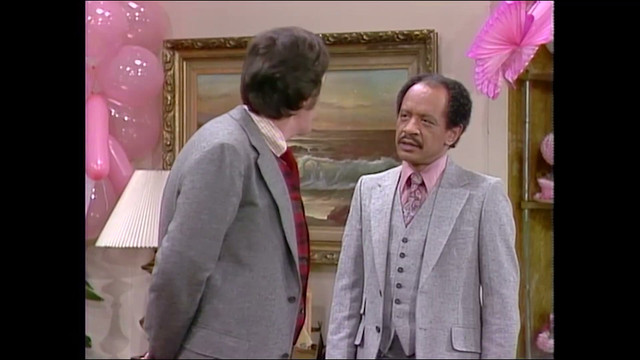
    The pressure begins with a simple business opportunity that quickly becomes a complicated test of pride, image, and personal beliefs. In this classic Season 3 episode of The Jeffersons, George Jefferson sees a major chance to expand his success.

    The potential deal comes from Frank Howard, a businessman whose personal life creates an uncomfortable challenge for George. Frank is in an interracial marriage, a situation George privately struggles to accept despite his public ambitions.

    George recognizes the value of the contract and immediately starts planning a carefully managed evening. He believes the right atmosphere could convince Frank that his home represents acceptance and sophistication.

    The plan depends on appearances, timing, and a carefully arranged performance. George wants Frank to see a welcoming circle of friends who reflect the open-minded image he hopes to project.

    To create that impression, George turns to Tom and Helen Willis. He expects them to serve as proof that his household belongs among the most progressive social circles.

    George views Tom and Helen as the perfect guests for the occasion. Their reputation for tolerance seems like the missing ingredient in his carefully designed business strategy.

    The problem is that George is not simply preparing a dinner. He is creating a stage where everyone must play a role that he has assigned.

    His confidence grows as he imagines the deal moving forward. He sees himself charming Frank while controlling every detail of the encounter.

    However, George underestimates the people around him. Tom and Helen are not interested in becoming props for a performance built around someone else’s agenda.

    When the meeting begins, George expects everything to unfold smoothly. Instead, the foundation of his plan starts cracking almost immediately.

    The tension rises as George tries to maintain control. His polished sales approach clashes with the reality that his friends refuse to participate.

    Tom and Helen’s decision to walk out becomes the episode’s turning point. Their exit leaves George stunned and suddenly exposed.

    The carefully prepared image disappears in an instant. George is forced to face the consequences of trying to manufacture an impression.

    The business prospect remains important, and George cannot afford a complete collapse. His desperation pushes him toward an even more outrageous solution.

    With his original plan ruined, George searches for a replacement. He needs someone who can fill the empty space and preserve the illusion.

    That search leads him to Florence and Ralph, two unlikely participants in George’s elaborate scheme. Their arrival changes the energy of the entire situation.

    Florence and Ralph bring a completely different style to the evening. They lack the polished presentation George originally wanted, but they bring natural warmth and humor.

    George approaches them with urgency and persuasion. He convinces them to pretend they are the sophisticated, accepting friends he needs.

    The request creates immediate comic tension. Florence and Ralph understand the absurdity of the situation, but they decide to play along.

    Article Image 2

    Their transformation becomes one of the episode’s biggest sources of laughter. They embrace the challenge with their own unique personality and confidence.

    George wants a perfect imitation of the Willises. Instead, he receives an unpredictable performance filled with personality and unexpected moments.

    The contrast drives the comedy forward. George attempts to maintain elegance while Florence and Ralph bring a more relaxed and genuine presence.

    Sherman Hemsley’s performance captures George at his most ambitious and frantic. He portrays a man determined to protect his reputation while losing control of the situation.

    George’s confidence makes the chaos even funnier. Every attempt to appear composed only reveals how nervous he truly is.

    The episode succeeds because the humor comes from character conflict rather than simple misunderstandings. Each person has a different view of honesty, pride, and social expectations.

    Florence and Ralph become the perfect counterbalance to George’s carefully constructed image. Their involvement exposes the weakness of trying to control every reaction.

    The story also reflects the complicated conversations of the 1970s. The episode uses social issues as the foundation for comedy without turning the characters into simple symbols.

    Norman Lear’s approach often placed everyday relationships at the center of larger cultural discussions. This episode follows that tradition by blending humor with uncomfortable questions.

    George’s situation highlights the difference between public behavior and private attitudes. His actions reveal a struggle between personal assumptions and professional ambition.

    The episode does not present George as a simple villain. Instead, it shows a flawed character caught between his desires, fears, and need for success.

    That complexity gives the comedy lasting appeal. Viewers can laugh at George’s schemes while recognizing the deeper issues behind his choices.

    As Florence and Ralph continue their performance, the evening becomes increasingly unpredictable. Their approach creates moments George never planned but cannot easily control.

    The business meeting turns into a battle between preparation and improvisation. George’s original script fades as real personalities take over.

    The apartment becomes a stage filled with competing performances. George tries to direct the scene, while Florence and Ralph create their own version.

    The result is classic sitcom chaos. Every attempt to restore order leads to another complication.

    The episode’s humor depends on the strong chemistry among the cast members. Their timing allows serious themes to exist alongside broad comedy.

    George’s desperation creates the central conflict. He wants acceptance from Frank while struggling with his own complicated perspective.

    The story uses that contradiction to create both laughs and reflection. The comedy comes from watching George confront a problem of his own making.

    Article Image 3

    Tom and Helen’s departure is especially important because it changes the entire direction of the episode. Their refusal forces George to confront the limits of manipulation.

    Without them, George must rely on people he never expected to involve. Florence and Ralph become the unlikely heroes of his plan.

    Their willingness to help creates a surprising emotional layer. Beneath the jokes, the episode shows the value of loyalty and human connection.

    George may begin the evening focused on business. Yet the experience teaches him something about the people around him.

    The episode never loses its comedic rhythm. Even during moments of tension, the performances keep the atmosphere energetic and entertaining.

    Florence and Ralph’s involvement allows the show to explore class differences alongside social attitudes. Their presence challenges George’s assumptions about appearances and respectability.

    The evening becomes less about impressing Frank and more about revealing George’s personality. His need to control the situation becomes the source of the biggest laughs.

    The storyline remains memorable because it combines a personal conflict with a broader cultural conversation. The episode captures a moment when television comedy was willing to tackle serious subjects.

    The Jeffersons frequently explored social issues through family, friendship, and neighborhood relationships. This episode represents that balance between entertainment and commentary.

    George’s scheme begins as an attempt to secure a deal. It ends as a chaotic lesson in authenticity and acceptance.

    The failed plan, the unexpected replacements, and the awkward performances create a memorable sitcom sequence. The episode remains a strong example of how comedy can address complicated topics.

    The story works because the characters are larger than the issue surrounding them. Their emotions, mistakes, and personalities drive the action from start to finish.

    George’s confidence never fully disappears, even when everything falls apart. That determination makes him frustrating, funny, and impossible to ignore.

    Florence and Ralph bring heart to the situation. Their improvised performance turns a desperate moment into one of the episode’s most entertaining conflicts.

    Decades later, the episode still represents Norman Lear’s signature style. It mixes sharp observations with memorable characters and accessible humor.

    The business opportunity may have started the chaos. The real story is about pride, friendship, and the unexpected ways people reveal themselves.

    By the end, George’s carefully planned performance has transformed into something completely different. The evening proves that genuine connections cannot always be arranged like a business presentation.

    The episode remains a snapshot of 1970s television at its most daring and thoughtful. It finds comedy inside conflict while keeping the focus on human behavior.

    Through George’s failed scheme and Florence and Ralph’s surprising rescue, the story delivers laughs with lasting relevance. It shows why The Jeffersons remains a landmark sitcom with enduring cultural impact.


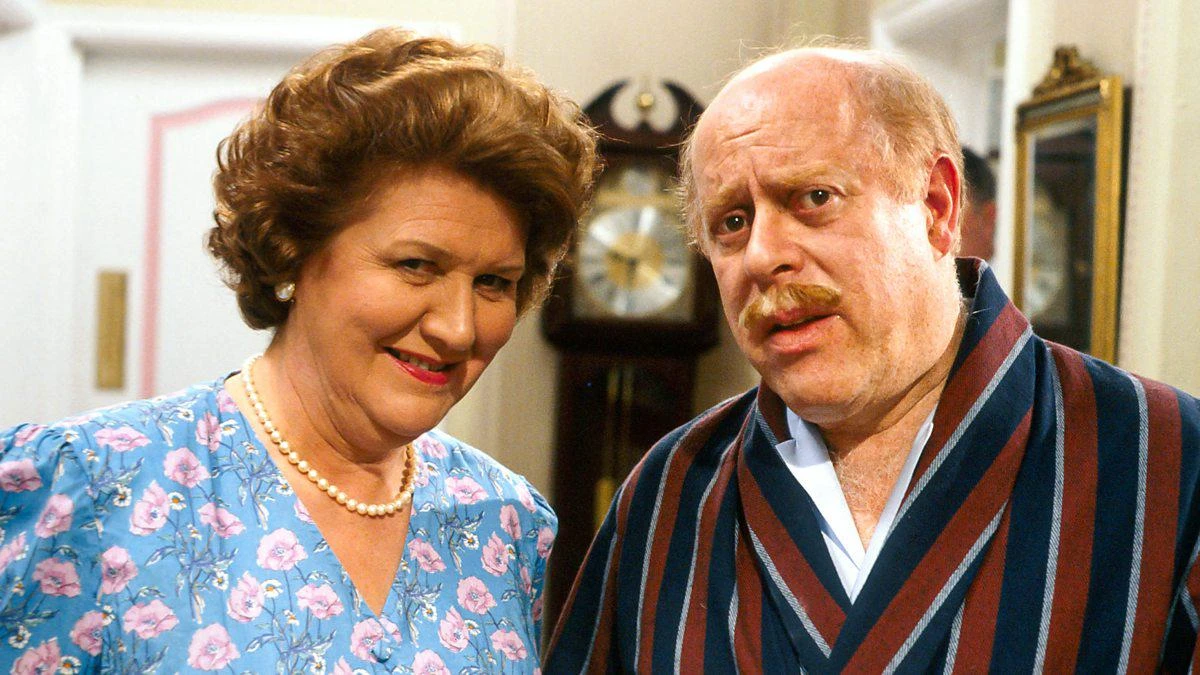
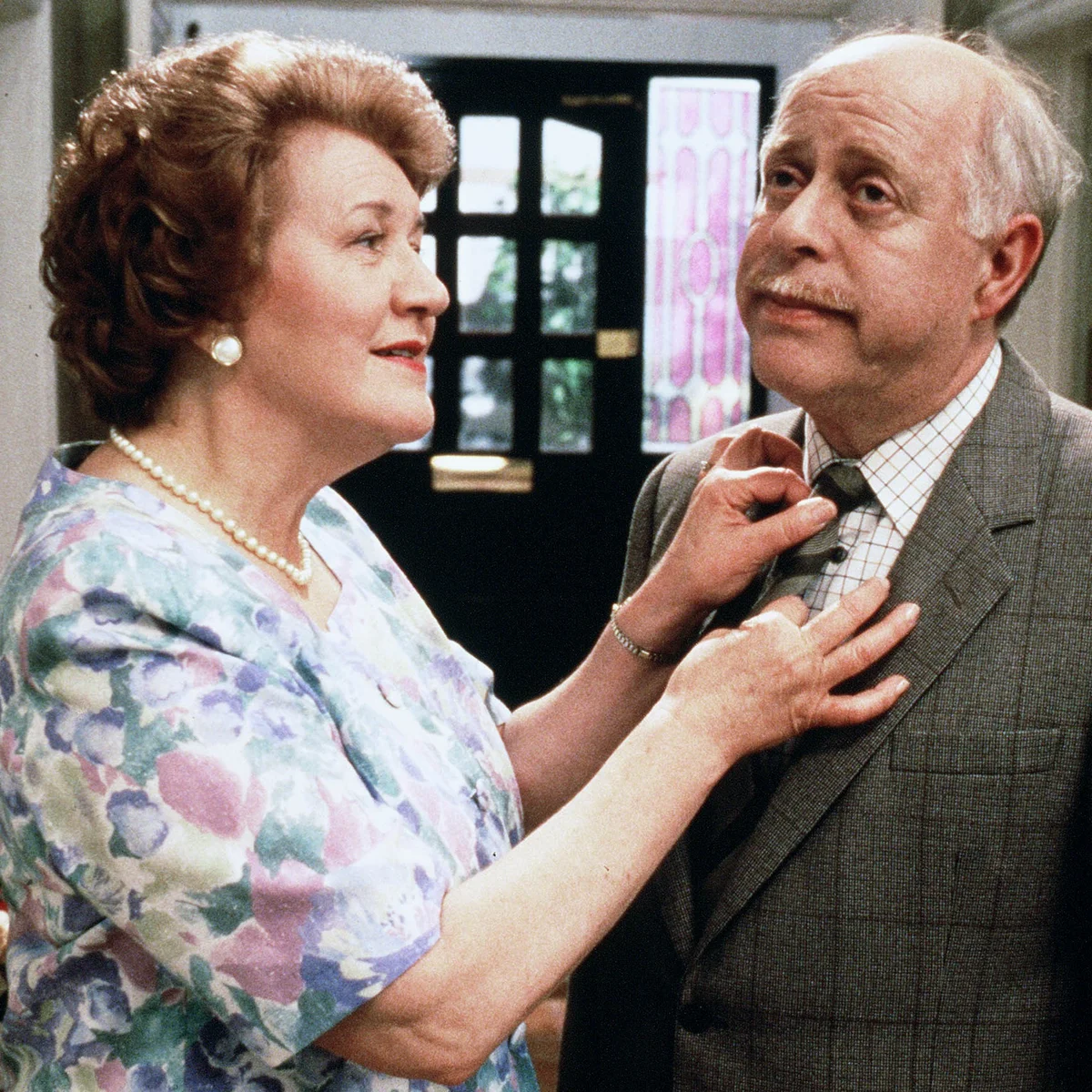
  • The Behind-The-Scenes Reason Hyacinth And Richard Still Feel So Real Together

    Introduction:

    Hyacinth and Richard Bucket are one of those sitcom couples viewers remember instantly because their marriage feels funny before the scene even begins.

    She is already planning the performance, and he is already preparing to survive it.

    Main Body:

    Richard Was Not Just The Tired Husband

    On paper, Richard could have been a simple straight man.

    In the actual show, Clive Swift made him something much better.

    Richard became the quiet emotional weather report of every scene.

    If Hyacinth was entering a social storm, Richard’s face usually told the audience how bad it was going to be.

    The Comedy Lived In What He Did Not Say

    Richard rarely needed a huge line to get a laugh.

    A pause, a careful answer, or one defeated glance could tell viewers that he had been through this exact nightmare many times before.

    That silence gave the show one of its strongest comic rhythms.

    Hyacinth created the pressure, but Richard measured it.

    The Marriage Worked Because It Felt Practiced

    The best sitcom couples feel like they have history before the audience arrives.

    Hyacinth and Richard had that quality.

    She knew how to push him into unwanted social missions, and he knew exactly how pointless it was to resist too loudly.

    That made their scenes feel lived-in rather than mechanical.

    Fans were not just watching a joke.

    They were watching a long marriage with a very specific survival system.

    Patricia Routledge Later Reflected On Richard’s Endurance

    In later retrospective material, Routledge discussed the character of Richard and why he endured years of marriage to Hyacinth, which shows how important that relationship was to the show’s structure.

    That detail matters because Richard was not decoration.

    He was the human anchor that kept Hyacinth’s impossible behavior from floating too far away from reality.

    Without Richard, Hyacinth might have become too loud.

    With Richard, she became painfully believable.

    The Audience Needed Someone Trapped Beside Her

    Every great comedy tyrant needs someone close enough to suffer politely.

    Richard filled that role perfectly.

    He could not escape Hyacinth’s plans, but he also could not fully stop loving her.

    That small emotional tension made the comedy warmer than it looked on the surface.

    Why Viewers Still Recognize The Dynamic

    Many fans laugh because they know someone who controls every plan.

    Many also know someone who quietly goes along just to keep the peace.

    That is why Hyacinth and Richard still work for modern viewers.

    Their marriage is exaggerated, but the emotional truth is easy to recognize.

    Conclusion:

    Hyacinth and Richard remain unforgettable because their comedy came from rhythm, restraint, and a marriage that felt strangely real beneath the absurdity.

    Behind the laughs was a perfectly balanced double act, with one character building the fantasy and the other quietly counting the cracks.

  • Free Dinner Pass Turns Elegant Restaurant Visit Into A Family Etiquette Meltdown


    Article Image 1

    The Higgins family reaches the elegant restaurant with a complimentary pass, aching feet, and an argument already in full swing. Before anyone studies the menu, the evening feels one complaint away from disaster.

    Eunice is furious because Ed refused to pay for convenient parking, forcing everyone to walk roughly half a mile. Mama repeats that her feet hurt, transforming every remaining step into a fresh family grievance.

    That exhausted entrance gives the sketch its sharp comic premise. The family has gained access to luxury, but they arrive carrying every resentment, insecurity, and penny-pinching habit they possess.

    Inside, the surroundings could hardly be more polished. Chandeliers glitter overhead, thick carpet cushions the floor, and formal service promises an experience far removed from the family’s ordinary routine.

    Mama studies the décor with open amazement, responding to the restaurant almost like a visitor touring a grand landmark. Ed remains far less impressed, especially whenever elegance appears connected to higher prices.

    Eunice immediately understands the social stakes. She wants her family to blend into the refined setting, but their exhaustion and bluntness make that ambition nearly impossible.

    Carol Burnett plays Eunice as a woman determined to manufacture sophistication through sheer force of will. Her extravagant politeness toward the host reveals both excitement and deep anxiety about being judged.

    Every enthusiastic thank-you is also a warning aimed at her family. She smiles for the staff, then turns toward her relatives with the tense vigilance of someone expecting an embarrassing eruption.

    Ed delivers that eruption almost immediately by announcing the complimentary pass. What Eunice hoped would remain a quiet advantage becomes public information, loudly confirming that they did not choose this expensive restaurant freely.

    The pass had been distributed to mall merchants, giving the family a rare chance to experience upscale dining without paying the usual price. Ed treats that fact as practical information rather than a secret.

    For Eunice, however, the announcement shatters the image she has been trying to create. She wants to look comfortable among the chandeliers, not like someone clutching an admission ticket.

    Seating brings another round of friction. Mama’s aching feet make comfort urgent, while Eunice keeps trying to impose order and prevent the family from turning a simple table assignment into open conflict.

    The comedy grows because no concern stays small. A chair becomes a territorial dispute, ordering priority becomes a moral question, and ordinary restaurant customs become obstacles requiring lengthy family negotiations.

    Eunice repeatedly invokes common courtesy, hoping those words will restore control. Instead, her corrections become increasingly frantic, exposing that she is just as combustible as the relatives she scolds.

    Ed’s attention soon lands on the menu prices. His loud disbelief punctures the restaurant’s calm atmosphere and makes the family’s financial discomfort impossible for nearby diners to ignore.

    He does not quietly calculate or disguise his concern. He reacts with the blunt alarm of someone who believes every printed price deserves immediate public examination.

    Eunice can feel her carefully staged evening slipping away. The more forcefully she tries to silence Ed, the more attention their table appears likely to attract.

    His decision to order a beer adds another clash between expectation and instinct. Eunice wants polished behavior, while Ed sees no reason to abandon familiar preferences merely because the carpet is thicker.

    Cocktails create more uncertainty rather than relaxation. The family debates what should be ordered, who understands the choices, and whether unfamiliar drinks are worth the trouble or expense.

    Each question exposes another layer of unease. Fine dining promises pleasure, but the Higgins family experiences it as a test filled with hidden rules and expensive consequences.

    Article Image 2

    Mama, meanwhile, discovers a different way to benefit from the restaurant. She begins pocketing sugar, treating the table’s supply as something too useful to leave behind.

    Eunice reacts with horror because the small act threatens her entire performance of respectability. Mama sees thrift, while Eunice sees evidence being transferred directly into a purse.

    That disagreement captures the family’s competing values. Eunice craves approval from strangers, Mama refuses to waste anything, and Ed distrusts an establishment where dinner appears priced like an investment.

    Their bickering also reveals old tensions beneath the evening’s surface. Ed resents Mama’s presence, while Eunice remains trapped between defending her mother and regretting every disruptive choice.

    The restaurant therefore becomes more than a lavish backdrop. It acts like a spotlight, enlarging every private irritation until the family’s familiar quarrels become a public spectacle.

    Mama’s trip to the restroom offers no escape from the escalating trouble. She returns irritated after encountering an attendant who apparently expects a tip for providing assistance.

    To Mama, the expectation represents another unnecessary charge hidden inside an already expensive experience. Her indignation arrives at the table with enough force to interrupt whatever fragile calm remained.

    Eunice receives the complaint as another social catastrophe. She knows tipping is part of the environment, but explaining that custom only creates another argument about money and principle.

    The joke never depends solely on the family lacking knowledge. It comes from their absolute confidence that unfamiliar customs should be challenged, debated, and possibly rejected in front of everyone.

    That confidence collides with Eunice’s desperate need to appear informed. She may understand more etiquette than Ed and Mama, but her mounting frustration makes graceful behavior increasingly difficult.

    Burnett’s performance turns that contradiction into the scene’s emotional engine. Eunice tries to police every voice, gesture, and decision, yet her own temper produces the loudest disruptions.

    The family’s discomfort reaches another level when the waiter introduces the salad bar. His courteous invitation to “visit” it sounds simple, but the wording immediately opens the door to confusion.

    The family treats “visit” almost literally, as though the salad bar were a person requiring conversation. A routine dining instruction suddenly becomes a puzzle nobody seems eager to solve.

    Standing presents another problem because Mama’s feet still hurt from the long walk. The free dinner has already demanded more physical effort than she considers reasonable.

    Instead of rising and moving smoothly, the family debates who should go first. Their uncertainty transforms a short walk across the dining room into a ceremonial procession without an agreed leader.

    Eunice again attempts to direct traffic. She wants everyone moving with quiet confidence, but every instruction generates another complaint, correction, or stubborn pause.

    At the salad bar, unfamiliar utensils become the next comic obstacle. Serving food should be straightforward, yet the family approaches the equipment with suspicion and visible confusion.

    The physical comedy works because the setting demands restraint. Every clumsy movement appears larger against the restaurant’s controlled atmosphere, where diners are expected to understand the procedure without discussion.

    Mama’s reluctance, Ed’s impatience, and Eunice’s embarrassment converge around bowls and serving tools. The family is no longer merely ordering dinner; they are battling the machinery of refinement.

    Audience laughter rises from the contrast between appearances and behavior. The restaurant remains serene, but the Higgins family carries its own weather system of complaints, accusations, and wounded pride.

    Article Image 3

    Their complimentary meal was supposed to be a treat. Instead, each luxury becomes another opportunity to feel uncomfortable, spend money, break a rule, or argue about who caused the problem.

    Ed’s refusal to pay for parking now feels like the first domino. That small act produced the long walk, the aching feet, the bad mood, and the resentment following them indoors.

    Mama’s repeated complaints keep that decision alive throughout the meal. Every time she must stand, move, or navigate another custom, the distant parking space returns as evidence against Ed.

    Eunice cannot let the evening collapse because the restaurant represents something larger to her. It offers a brief chance to feel glamorous, worldly, and removed from ordinary family frustration.

    That dream makes every embarrassment hurt more. She is not merely correcting manners; she is fighting to preserve the evening she imagined before the family entered the room.

    Yet her relatives refuse to become supporting players in that fantasy. Ed remains blunt, Mama remains stubborn, and both respond to Eunice’s pressure by digging deeper into their positions.

    The sketch’s brilliance lies in how naturally the conflict escalates. No single mistake ruins dinner, but dozens of tiny collisions steadily turn privilege into punishment.

    A free pass leads to parking complaints. Parking complaints lead to aching feet, aching feet complicate seating, seating invites arguments, and the menu triggers a fresh crisis over cost.

    Sugar disappears, cocktails cause confusion, and a restroom visit produces outrage over tipping. By the time the salad bar appears, the family is primed to treat lettuce like an adversary.

    The refined staff provides a calm counterweight to the turmoil. Their professional language and measured service make the family’s reactions seem even louder, sharper, and more gloriously out of place.

    Nobody needs to announce that the evening has gone wrong. Eunice’s tightening patience, Ed’s price protests, and Mama’s running commentary make the collapse visible in every exchange.

    Still, the scene never loses its affectionate recognition of family behavior. These people know exactly how to irritate one another because they have been repeating the same arguments for years.

    Their conflict feels immediate, but it also feels inherited. The restaurant merely supplies new objects for familiar disagreements about money, manners, loyalty, inconvenience, and respect.

    That familiarity allows the performers to build laughs through timing rather than elaborate plot twists. A pause, a repeated complaint, or a badly timed correction can detonate the entire table.

    Burnett anchors the chaos by making Eunice’s humiliation both enormous and understandable. Her desire for one elegant evening may be unrealistic, but it is never difficult to recognize.

    The harder she chases refinement, the farther it retreats. Every attempt to control her family becomes another public scene, leaving her trapped between social ambition and emotional exhaustion.

    By the salad bar sequence, the family has turned fine dining into an endurance test. They have survived the walk, the prices, the seating, the sugar, the cocktails, and the tipping dispute.

    What remains is the spectacle of people confronting unfamiliar etiquette while refusing to surrender their habits. The complimentary dinner costs them nothing, yet extracts patience from everyone at the table.

    That reversal gives the sketch its lasting comic sting. The family wins access to an elegant restaurant, but luxury cannot soften their bickering or make their aching feet hurt less.

    Instead, the chandeliers illuminate every insecurity, the thick carpet carries every complaint, and the formal service frames their disorder perfectly. Their free night out becomes priceless comedy precisely because nobody can relax.


  • All in the Family’ tv show back 2026


    ‘All in the Family’ tv show back 2026

    The Enduring Legacy and the Anticipated Return: ‘All in the Family’ tv show back 2026

    The landscape of television is constantly evolving, yet the allure of classic shows remains timeless. Few series have etched themselves into the cultural consciousness as deeply as “All in the Family.” Its unflinching portrayal of American life, often contentious but always thought-provoking, set a new standard for sitcoms. Now, whispers and official announcements alike suggest a monumental return: the ‘All in the Family’ tv show back 2026. This news has sent ripples of excitement and curiosity through generations of fans, prompting vital questions about how such a beloved and historically significant program could be reimagined for the 21st century. As we delve into the potential implications of this revival, we explore the legacy, challenges, and immense possibilities that await the Bunkers and their enduring story.

    The Enduring Legacy and the Prospect of ‘All in the Family’ tv show back 2026

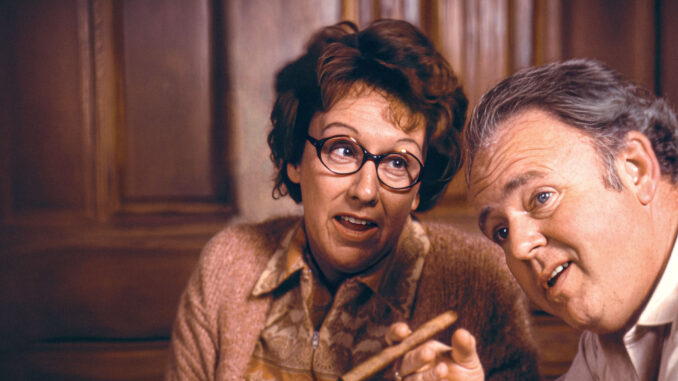
    “All in the Family,” which first aired in 1971, wasn’t just a television show; it was a cultural phenomenon. Breaking away from the sanitized family sitcoms of its era, it thrust viewers into the politically charged, often uncomfortable, living room of Archie Bunker. Through its masterful writing and unforgettable characters, the show dared to tackle subjects previously deemed taboo for network television: racism, sexism, homophobia, war, and class struggle. Its groundbreaking approach not only earned it numerous awards but, more importantly, sparked crucial conversations in homes across America. The prospect of the ‘All in the Family’ tv show back 2026 isn’t merely a nostalgic trip; it’s an acknowledgment of the show’s unparalleled ability to reflect and challenge society. In an increasingly polarized world, the return of a series renowned for its direct confrontation of social issues feels incredibly timely.

    • Cultural Icon Status

      “All in the Family” redefined the sitcom genre, proving that comedy could be both entertaining and deeply meaningful.

    • Timeless Relevance

      The core themes of generational conflict and societal change remain as pertinent today as they were five decades ago.

    • Anticipation for Dialogue

      Many hope a revival could once again serve as a catalyst for honest, albeit difficult, discussions about contemporary American life.

    What a Modern ‘All in the Family’ tv show back 2026 Could Look Like

    The announcement of the ‘All in the Family’ tv show back 2026 naturally leads to speculation about its form and content. Will it be a direct continuation, featuring surviving original characters and their descendants, or a complete reboot with new actors in familiar roles? The most compelling approach might involve a generational shift, perhaps focusing on Gloria Stivic’s children or even grandchildren, inheriting some of Archie’s stubbornness and Mike’s idealism, but grappling with entirely new 21st-century dilemmas. Imagine a scenario where the Bunkers’ legacy is explored through the lens of today’s social and political landscape. The writers would have a rich tapestry of modern issues to weave into the narrative, from digital divides and identity politics to climate change and economic inequality. The challenge will be to capture the original’s essence – its ability to provoke laughter and thought simultaneously – without merely replicating it.

    • Character Evolution

      How have Gloria and Mike (if they appear) changed? What new characters would embody today’s societal viewpoints?

    • Contemporary Issues

      Addressing topics like social media impact, cancel culture, political correctness, and global events through the Bunker family dynamic.

    • Format Innovation

      Could the show embrace modern storytelling techniques while retaining its classic multi-camera, live studio audience feel?

    Navigating Contemporary Sensitivities and Humor

    One of the most significant hurdles for a revival of “All in the Family” is navigating the vastly different landscape of contemporary sensitivities. The original show was famous for its edgy, often offensive, humor, primarily delivered by Archie Bunker, whose bigotry was always presented as a flaw to be challenged. In 2026, the line between satire and actual harm is more fiercely debated. The new series would need to carefully craft its comedic tone, ensuring that it continues to provoke thought and discussion rather than alienating a modern audience. This isn’t to say the show must become sanitized; rather, it must be acutely aware of how its humor lands in a world that has evolved significantly in its understanding of identity and social justice. The success of the revived series will hinge on its ability


  • Hyacinth’s Candlelight Catastrophe


    Hyacinth Bucket—pronounced Bouquet, as she never tired of reminding people—stood proudly in her drawing room holding an elegant ivory candle.

    “Richard,” she announced, “nothing creates an atmosphere of cultured refinement quite like candlelight.”

    Richard looked up from tightening a loose chair leg.

    “It also creates melted wax.”

    “Only in careless homes.”

    She ignored his observation and carefully placed six expensive candles along the dining table.

    “This evening,” she continued, “the members of the Arts Appreciation Circle shall enjoy what I have described as ‘An Authentic Victorian Candlelit Supper.’”

    Richard sighed.

    “Couldn’t we simply switch on the lights?”

    Hyacinth stared at him as though he’d suggested serving tea in paper cups.

    “Electricity lacks romance.”

    The telephone rang.

    “The Bouquet residence, lady of the house speaking.”

    Elizabeth’s timid voice floated down the line.

    “Hyacinth… I’m just checking whether you’d still like me to bring the dessert.”

    “Of course, Elizabeth. And please, whatever you do, don’t become nervous.”

    “I’ll try.”

    Hyacinth smiled confidently.

    “I’ve arranged everything to perfection.”

    Richard quietly muttered, “That’s usually when things begin.”

    An hour later, the dining room resembled something from a period drama. Crystal glasses sparkled. Silver cutlery gleamed. The candles stood perfectly straight in polished holders.

    Hyacinth admired her reflection.

    “Magnificent.”

    The doorbell rang.

    Elizabeth entered carefully carrying an enormous trifle.

    “I walked very slowly.”

    “I’m delighted to hear it.”

    A second knock followed almost immediately.

    It was Daisy, Rose and, inevitably, Onslow.

    “We only popped in to wish you luck,” Daisy smiled.

    “And maybe borrow a bit of sugar,” added Onslow.

    Hyacinth folded her arms.

    “This is hardly the moment.”

    Onslow sniffed the air.

    “Smells expensive.”

    Rose wandered into the dining room.

    “Ooh… how romantic.”

    Hyacinth beamed.

    “It is intended to recreate the elegance of nineteenth-century entertaining.”

    Onslow examined one of the candles.

    “So… no electricity?”

    “We shall dine exactly as refined society once did.”

    Onslow grinned.

    “Hope they had torches.”

    Richard coughed to hide a laugh.

    Soon the Arts Appreciation Circle arrived, including the chairman, Mrs. Fortescue, who fancied herself an authority on Victorian customs.

    “My dear Mrs. Bouquet,” she exclaimed. “How wonderfully authentic!”

    Hyacinth almost floated across the room.

    “I’ve spared no effort.”

    Everyone took their seats.

    The candles flickered beautifully.

    The atmosphere was calm.

    Sophisticated.

    Almost magical.

    Then…

    The lights throughout the entire neighborhood suddenly went out.

    Darkness swallowed the house.

    There was a chorus of surprised gasps.

    Hyacinth smiled triumphantly.

    “You see? We hardly noticed.”

    Then Onslow’s voice emerged from somewhere near the buffet.

    “I’ve noticed.”

    A loud crash echoed through the room.

    Elizabeth squeaked.

    Richard groaned.

    Someone had clearly walked into something.

    As Hyacinth reached for another candle, a strange shadow moved slowly across the dining room wall.

    Mrs. Fortescue whispered nervously,

    “Did… did anyone else see that?”

    Every head turned toward the enormous moving silhouette.

    Then came an unmistakable sound.

    Miaaaoowww…

    Hyacinth froze.

    Richard blinked.

    Onslow quietly said,

    “I don’t think Victorian ghosts usually purr.”


  • “A Legal Turning Point? Nevada’s Top Court Rules on ‘Sexual Penetration’ in Cosby Case”


    Nevada Supreme Court Clarifies ‘Sexual Penetration’ in Bill Cosby Civil Lawsuit

    In a decision that could ripple far beyond a single lawsuit, the Nevada Supreme Court clarified the legal meaning of “sexual penetration” in a civil case involving Bill Cosby.

    At first glance, it might sound like legal technicality. But in the courtroom, definitions matter. They shape outcomes. They determine whether claims stand or collapse. And in civil litigation involving allegations of sexual misconduct, precision in statutory language can make or break a case.

    Let’s break down what happened, what the court decided, and why this ruling carries broader implications for civil law in Nevada.

    Background of the Bill Cosby Civil Case in Nevada

    Civil vs. Criminal Proceedings

    Before diving into the ruling, it’s important to understand the distinction between criminal and civil cases. Criminal cases involve the state prosecuting someone for violating criminal statutes. Civil cases, on the other hand, typically involve private individuals seeking damages.

    Cosby has faced both types of proceedings over the years. In Nevada, the issue at hand centered on a civil lawsuit alleging sexual misconduct.

    The Legal Dispute Over Terminology

    The case turned on a critical question: How should “sexual penetration” be defined under Nevada civil law?

    That phrase might seem straightforward. It isn’t.

    Legal definitions can differ depending on statutory context. A word’s ordinary meaning doesn’t always align with its legal meaning. And when damages hinge on that interpretation, clarity becomes essential.

    What the Nevada Supreme Court Actually Ruled

    Interpreting Statutory Language

    The Nevada Supreme Court examined how state law defines sexual penetration in the context of civil claims. The justices analyzed statutory language, legislative intent, and prior case precedent.

    Their ruling clarified that the term should align with definitions already outlined within Nevada’s statutory framework. In essence, the court reinforced that civil courts must rely on the established legal definition rather than an expanded or generalized interpretation.

    Why This Clarification Was Necessary

    When lower courts interpret terms inconsistently, appellate courts step in to unify application. Without a clear definition, similar cases could produce wildly different outcomes.

    Imagine two lawsuits involving similar allegations but different interpretations of a key term. That inconsistency undermines predictability in law.

    The high court’s ruling aimed to prevent that.

    How This Impacts the Cosby Civil Lawsuit

    Narrowing or Expanding Legal Claims?

    Depending on how the term is defined, certain allegations may or may not meet statutory requirements. By clarifying the definition, the Nevada Supreme Court essentially set the boundaries for how the case proceeds.

    This does not automatically determine liability. Instead, it shapes what plaintiffs must prove.

    Legal Thresholds in Civil Assault Cases

    Civil assault cases often depend on whether conduct fits within precise statutory categories. A clarified definition provides a clearer roadmap for juries and judges.

    Think of it like defining the size of a doorway before deciding whether a case can pass through it.

    Broader Legal Implications Beyond Bill Cosby

    Establishing Precedent in Nevada

    High court decisions carry precedential weight. This ruling now guides lower courts in future civil cases involving similar claims.

    It is not merely about one defendant. It influences how Nevada interprets sexual misconduct claims moving forward.

    The Importance of Consistent Definitions in Civil Law

    Civil statutes often reference terms originally developed in criminal law. Courts must decide whether to import those definitions directly or adapt them for civil context.

    By reinforcing statutory alignment, the Nevada Supreme Court emphasized consistency.

    Consistency fosters fairness.

    Legal Definitions and Public Perception

    The Gap Between Legal Language and Everyday Language

    To the general public, “sexual penetration” might carry a broad, intuitive meaning. In court, however, it is a defined legal term with specific statutory parameters.

    This gap often creates confusion in media coverage. Headlines can simplify complex rulings. But inside the courtroom, precision rules.

    Why Legal Precision Matters in High-Profile Cases

    High-profile defendants draw intense media scrutiny. Every ruling can appear dramatic, even when it focuses on technical interpretation.

    Yet these technical clarifications often determine procedural direction rather than final judgment.

    Civil Litigation and the Burden of Proof

    How Civil Standards Differ From Criminal Standards

    Civil cases require proof by a “preponderance of the evidence,” meaning it is more likely than not that the claim is true. This is a lower standard than “beyond a reasonable doubt” in criminal cases.

    However, meeting statutory definitions remains essential regardless of the burden of proof.

    Why Definitions Shape Outcomes

    Even if evidence exists, it must satisfy statutory elements. If conduct does not meet the defined legal criteria, a claim may fail regardless of broader allegations.

    The Nevada Supreme Court’s clarification reinforces that legal claims rise or fall on statutory interpretation.

    The Role of Appellate Courts in Shaping Law

    Appellate courts do not retry cases. They interpret law.

    In this situation, the Nevada Supreme Court provided guidance on statutory meaning. That guidance ensures lower courts apply the same legal standards consistently.

    Without appellate clarification, legal systems fragment.

    The Continuing Debate Around Bill Cosby’s Legal Cases

    Bill Cosby remains a polarizing figure. His prior criminal conviction in Pennsylvania was overturned on procedural grounds. Civil lawsuits in various jurisdictions continue to surface.

    Each case operates within its own legal framework.

    The Nevada ruling does not determine public opinion. It addresses statutory interpretation.

    What Happens Next in the Nevada Case

    With the definition clarified, the civil lawsuit proceeds under the established legal parameters. The trial court must apply the Supreme Court’s interpretation moving forward.

    That may influence motions, evidence admissibility, or jury instructions.

    The case continues within that defined structure.

    Conclusion: Why This Nevada Supreme Court Decision Matters

    The Nevada Supreme Court’s clarification of “sexual penetration” in the Bill Cosby civil case highlights the central role of statutory interpretation in civil litigation. While the ruling may appear technical, it establishes precedent that will shape future cases across Nevada.

    High-profile lawsuits often capture public attention, but beneath the headlines lies a framework built on precise legal definitions. Courts must apply statutes consistently, regardless of who stands in the defendant’s chair.

    In the end, this ruling reinforces a fundamental principle of law: clarity ensures fairness. And in civil justice, words carry weight.

    FAQs

    1. What did the Nevada Supreme Court decide in the Cosby civil case?

    The court clarified the legal definition of “sexual penetration” under Nevada civil law to ensure consistent application in the lawsuit.

    2. Does this ruling determine Bill Cosby’s liability?

    No. The decision focuses on statutory interpretation and does not determine guilt or liability.

    3. Why are legal definitions important in civil lawsuits?

    Definitions establish the elements plaintiffs must prove. Without clear definitions, courts risk inconsistent rulings.

    4. How does a civil case differ from a criminal case?

    Civil cases involve private parties seeking damages, while criminal cases involve prosecution by the state and require a higher burden of proof.

    5. Will this decision affect other cases in Nevada?

    Yes. As a Supreme Court ruling, it sets precedent for future civil cases involving similar statutory language.

    Post Views: 786

  • Jodie Sweetin Drops the Real Deal on Mary-Kate and Ashley Olsen


    0ad592253394cf07046991448ea118b2

    Do you ever wonder what happens to childhood friendships when the studio lights finally click off and the cameras stop rolling? Imagine growing up on a soundstage in front of millions of viewers, sharing fake cereal bowls and living room laughs, only to watch everyone scatter in entirely different directions as adults. That exact reality shaped the lives of the beloved cast members of Full House. While fans across the globe spent decades picturing a cozy, continuous sleepover behind the scenes, real life is always a bit more complicated. Recently, Jodie Sweetin pulled back the curtain and shared exactly where she stands today with her iconic television sisters, Mary-Kate and Ashley Olsen. Pour yourself a cup of coffee, because we are diving deep into the heartwarming truth behind these legendary Hollywood relationships.

    Growing Up Together Under a Massive Microscope

    To truly grasp the dynamics between the Full House cast, we have to rewind the tape to the late eighties and nineties. Jodie Sweetin stepped onto the set as a vibrant, energetic little girl, playing Stephanie Tanner with unmatched comedic timing. Meanwhile, Mary-Kate and Ashley Olsen shared the infant and toddler duties of playing Michelle Tanner, literally growing up from babies into preteens right before our eyes. Living out your most awkward growth spurts, bad haircuts, and moody teenage phases while millions of strangers critique your every move creates a very specific type of bond. It acts like a pressure cooker—intense, messy, and entirely unforgettable.

    The Myth of the Constant Hollywood Reunion

    Pop culture fans love to imagine that casts from classic sitcoms maintain a group chat where everyone pings each other every single morning. We picture Sunday barbecues, spontaneous holiday dinners, and endless inside jokes. But let us be completely honest for a moment: how often do you hang out with people you went to high school with, let alone colleagues you worked with thirty years ago? Life happens. Careers pivot, families grow, geographical distances stretch out, and people simply drift into their own unique orbits. Understanding this helps frame why certain friendships look different today without assuming there is bad blood behind the scenes.

    Jodie Sweetin Clears the Air on Modern Communication

    Whenever entertainment reporters interview Jodie Sweetin, the conversation inevitably circles back to Mary-Kate and Ashley Olsen. Fans are desperate to know if they text, if they catch up over lunch, or if they share inside stories about their shared television past. Jodie has consistently addressed these curiosities with grace, honesty, and a hefty dose of realism. She acknowledges that while they share an unbreakable, lifelong historical connection rooted in those early San Francisco sitcom days, they do not necessarily talk every single day. Their communication ebbs and flows like any other adult relationship navigating busy schedules.

    The Unique Reality of Growing Up as Child Stars

    Think about the psychological weight of child stardom for a second. Mary-Kate and Ashley Olsen walked a path that almost nobody else on the planet could possibly understand. After dominating television, they pivoted into a massive fashion empire, choosing to step away from traditional acting entirely. That monumental shift required intense privacy and a tightly guarded personal life. When you protect your peace as fiercely as the Olsen twins do, your circle naturally gets very small. Jodie respects that boundary completely, recognizing that their shared history does not demand constant public performance.

    Navigating Life After the Final Bow

    When Full House wrapped its original run, every cast member faced the daunting task of figuring out who they were away from their fictional characters. Jodie navigated personal struggles, pursued higher education, built a career in theater and television, and stepped into motherhood. The Olsen twins built a high-end luxury fashion brand from the ground up, winning prestigious awards and avoiding the Hollywood press circuit like the plague. Because their adult worlds look so radically different, their day-to-day paths rarely cross physically, yet the foundational respect remains utterly rock-solid.

    Why Fans Obsess Over Every Single Interaction

    Why do millions of people care so deeply about whether Jodie Sweetin and the Olsen twins share a text message? Because nostalgia is a deeply emotional anchor. When we invest our childhood hearts into a television family, we want that family to be real. We want the fiction to bleed seamlessly into reality. When an actor mentions that they haven’t spoken to a former costar in a few months, it feels like a tiny glass ornament shattering. Yet, looking at it through a mature lens, casual distance doesn’t mean affection is absent.

    The Bond That Survived the Loss of Bob Saget

    Tragedy has a unique way of cutting through the noise and reminding people what truly matters. When the beloved patriarch of the Full House family, Bob Saget, unexpectedly passed away, the entire cast rushed together to grieve, support one another, and celebrate his incredible legacy. Moments like that strip away Hollywood pretense and highlight the core human connection underneath. Whether they speak weekly or yearly, knowing that this television family steps up for each other in moments of deep personal sorrow proves that the underlying love never faded away.

    Respecting Boundaries in the Age of Social Media

    In today’s digital landscape, fans expect total transparency. If an actor doesn’t post a birthday tribute on Instagram, the internet immediately assumes a bitter feud is brewing. Jodie Sweetin and the Olsen twins operate from entirely different philosophies regarding digital visibility. Mary-Kate and Ashley famously maintain zero public social media presence, while Jodie engages with fans and advocates for various causes online. Judging their relationship based on Instagram grid posts is like trying to read a novel by looking at a single punctuation mark—it misses the entire story.

    The Evolution of Sisterhood Across the Decades

    Sisterhood on television looks like synchronized dance routines, witty catchphrases, and shared bedroom gossip. Real-life adult relationships look like mutual respect, occasional check-ins, and celebrating each other’s milestones from afar. Jodie has frequently spoken about how proud she is of what Mary-Kate and Ashley built in the fashion world. Watching former child actors transform into powerhouse businesswomen inspires anyone who watched them grow up. That pride acts as a quiet, steady bridge between their past and present lives.

    Addressing the Fuller House Absence

    When Netflix launched the nostalgic revival series Fuller House, fans held out a tiny spark of hope that Mary-Kate and Ashley might make a cameo appearance as Michelle Tanner. When that didn’t happen, the internet churned out endless speculation about why they declined. The truth was far less dramatic than the gossip columns suggested: the twins were simply deeply entrenched in running their multi-million-dollar fashion houses and had closed the door on acting. Jodie and the rest of the cast accepted that decision with total professionalism, refusing to let it poison their history.

    What Jodie’s Transparency Teaches Us About Life

    One of the most refreshing aspects of Jodie Sweetin’s public persona is her authentic, no-nonsense candor. She doesn’t spin PR-crafted fairy tales about unbreakable daily bonds, nor does she feed into messy tabloid drama. She speaks about her costars like an adult reflecting on a shared chapter of a massive book. It teaches us a valuable lesson about our own lives: not every important relationship has to be a daily fixture to remain meaningful and deeply respected.

    Looking Back at the San Francisco Memories

    Whenever Jodie looks back at old clips from the show, a wave of fond nostalgia washes over her. The silly bloopers, the cue card mishaps, and the chaotic energy of a live studio audience form the bedrock of her youth. Even if her adult path doesn’t intertwine with Mary-Kate and Ashley every weekend, the shared archive of memories remains entirely untouchable. They share a private club of human experience that only a handful of people on earth can truly comprehend.

    The Enduring Magic of Full House Legacy

    Decades after the final episode aired, Full House continues to loop on syndication networks and stream into new households every single day. Parents pass their favorite comfort show down to their kids, keeping the Tanner family alive across generations. The legacy belongs to all of them—Carl, Bob, Dave, Candace, Jodie, and the Olsen twins. No matter where their individual paths take them now, that collective cultural footprint remains permanently cemented in television history.

    Conclusion

    Jodie Sweetin’s openness about where she stands with Mary-Kate and Ashley Olsen proves that real life doesn’t always mirror a scripted television finale. While they may not be texting every single day or hanging out on weekends, a deep, abiding mutual respect anchors their relationship. They survived the wild, dizzying heights of childhood stardom together, weathered the loss of loved ones, and evolved into strong, independent women. That kind of shared history doesn’t need daily maintenance to remain powerful; it simply stands the test of time.

    Frequently Asked Questions

    Are Jodie Sweetin and the Olsen twins close friends today?

    While they share a profound, lifelong bond forged during their years on Full House, they do not talk every day. Their adult lives and careers took very different paths, but mutual respect and fondness remain between them.

    Why didn’t Mary-Kate and Ashley Olsen appear on Fuller House?

    The twins declined to participate in the Netflix revival series because they had completely transitioned away from acting to focus full-time on running their successful fashion brands.

    How did the cast react to the Olsen twins declining the reboot?

    The cast expressed understanding and respect for their decision, recognizing that Mary-Kate and Ashley had built entirely different professional lives and wanted to protect their privacy.

    Do Jodie Sweetin and the rest of the Full House cast still stay in touch?

    Yes, several cast members—including Jodie Sweetin, Candace Cameron Bure, and Dave Coulier—maintain close friendships and frequently reunite for fan conventions, media appearances, and personal milestones.

    What are Mary-Kate and Ashley Olsen doing now?

    After stepping away from acting, Mary-Kate and Ashley established themselves as major forces in the fashion industry, successfully launching and managing their luxury label, The Row.

    Post Views: 27

  • A Proud Patriarch Unveils A Lavish Shower Gift That Misses What A New Mother Needs


    Article Image 1

    The Jefferson apartment glimmers with soft afternoon light and pastel balloons, every corner humming with quiet anticipation for the newest family arrival. Friends and relatives stream through the doorway in matching smiles, balancing casseroles, floral arrangements, and softly wrapped boxes in their careful arms.

    The guest list buzzes with laughter and old family gossip, the kind that only gathers when something small and brand new is about to change everything. At the center of it all stands the dry cleaning magnate himself, shoulders squared and chin tilted like a man who has already won the day.

    He clutches a towering, ribbon-tied box at his side, eyes bright with the unmistakable thrill of a man about to deliver the gift of the afternoon. His wife watches him drift toward the center of the room and offers her mother a small, knowing smile that says more than words could manage.

    The sharp-eyed, silver-haired matriarch returns the look with a chuckle she does not bother to hide behind her teacup. She has seen this swagger before, every holiday and birthday for decades, and she knows exactly where this show is headed.

    Her gaze flicks to the cushioned chair across the room where her daughter-in-law sits with folded hands. Jenny, the daughter-in-law of the hour, rests in a soft chair near the window, hands folded gently over her swelling belly.

    She smiles politely at each new compliment on the gift table, her eyes soft but tired, the fatigue of late pregnancy settling behind every careful word. Her husband Lionel drifts between the kitchen and the living room, checking drinks and quietly adjusting cushions whenever her posture shifts.

    The patriarch pauses near the gift table, scanning the wrapped towers already piled there, and lets out a small, satisfied huff of approval. Then he launches into his pitch, voice carrying across the room with the practiced confidence of a man who once sold suits by the hundreds.

    He describes the gift in lavish, theatrical detail, painting every feature like a salesman closing a deal on the showroom floor. “Now this,” he announces, lifting the ribbon with a flourish, “is not just any present.” The room quiets, every face turning toward him with curiosity and a polite expectation that matches his own rising volume.

    He peels back the lid with the slow drama of a man unveiling a masterpiece, and the gathered cousins lean in. What emerges from the tissue paper is something no one in the room expected, an extravagant, oversized spectacle built more for show than for soothing a newborn.

    Article Image 2

    The piece gleams under the chandelier, all polished brass and plush velvet, an heirloom-quality monument to excess that no practical baby book would ever recommend. A few guests gasp.

    A few more exchange sideways glances. The patriarch beams as if he has just opened a new flagship store.

    He paces in front of the crowd, hands moving like a carnival barker, listing every gleaming feature with the pride of a man reciting stock prices. “Hand-stitched.

    Imported. One of a kind.” Each phrase lands heavier than the last, and each guest nods politely while searching for a kind response.

    His wife leans toward her mother and whispers something that ends in a soft, resigned laugh. “George means well,” she murmurs into her teacup, her voice warm but faintly tired.

    The matriarch raises one silver eyebrow but says nothing, choosing instead to take a slow sip and let the show run its course. Both women understand the rhythm of this particular family drama, the one that always ends with a lesson nobody asked for.

    Jenny presses a hand to her cheek and offers a careful, gracious smile, the kind a polite daughter-in-law learns to wear like armor. “Oh my,” she breathes, leaning forward just enough to be seen as impressed, “it is certainly something.” The room exhales in soft laughter, the polite kind that fills space without committing to an opinion.

    Lionel appears at her elbow with a fresh glass of lemonade, his eyes flicking between his wife and the towering spectacle on the table. “You okay?” he asks quietly, low enough that only she can hear, his hand resting briefly on the small of her back.

    She nods, but her smile tightens just a fraction, the kind of flicker only a husband catches. The cousins drift closer to the gift, circling it the way shoppers inspect a used car, murmuring among themselves about scale and craftsmanship.

    One reaches out and runs a finger along the polished edge, then pulls back as if unsure whether the piece is meant to be touched. The patriarch watches each inspection like a proud artist at a private gallery opening, nodding at every murmur.

    Article Image 3

    “To think,” he boasts to no one in particular, “most people would never even dream of giving something this fine.” He straightens his jacket, squares his shoulders, and lets his gaze sweep the room as if taking a bow after a sold-out performance. Somewhere behind him, his wife pinches the bridge of her nose with practiced patience.

    The matriarch rises from her chair, sets her teacup down with a delicate clink, and crosses the room toward the table. “May I?” she asks, her voice honey-smooth and just loud enough to quiet the room.

    The patriarch, momentarily startled, steps aside with a flourish and gestures toward the gleaming monument as if presenting royalty. She studies the piece in silence for a long, theatrical moment, her eyes tracing every curve and stitched seam with the patience of a jeweler.

    Then she turns to her daughter-in-law and asks, gently, “Jenny, dear, what did you and Lionel actually need for the baby?” The room stills. Jenny blinks.

    Lionel sets down the lemonade pitcher. The question hangs in the pastel balloon air like the first note of a song no one wanted to hear.

    The cousins exchange glances. The patriarch’s smile falters, just barely, before he recovers with a small, confident nod.

    His wife closes her eyes for one second, the way a woman does when she knows the next minute will be a long one. “Well,” the patriarch begins, recovering his footing with the speed of a man who has closed a thousand tough deals, “this gift shows the child where quality begins.” He gestures broadly at the gleaming tower, as if quality itself were embroidered across the velvet.

    The matriarch tilts her head and offers a small, polite smile that carries the weight of a thousand kitchen-table lectures. “And when the baby cries at three in the morning,” she asks, voice still warm but firmer now, “will the velvet sing a lullaby?” A ripple of muffled laughter moves through the cousins.

    The patriarch’s jaw tightens. His wife presses her lips together to keep from joining the laughter.

    Jenny, sensing the room tilting, sets her hands on the arms of her chair and pushes herself upright with the careful grace of late pregnancy. “I think,” she says softly, “the baby will need quite a few practical things in the first few months.” Her voice carries the quiet authority of a woman who has read every baby book cover to cover. Lionel steps closer, his hand finding the small of her back again, and nods toward the table


  • Family Calls Turn A First Day At The Travel Agency Into Instant Unemployment


    Article Image 1

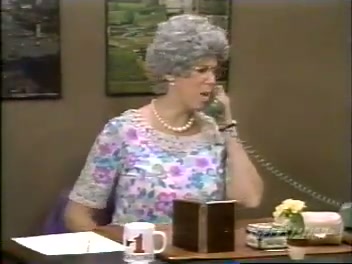
    The phone is flashing, customers are waiting, and Mama Harper is already wrestling with the polished greeting expected from Raytown’s newest travel agent. Her first day should represent independence, but the office quickly becomes an extension of the household she hoped to leave behind.

    At first, Mama attempts to sound bright, capable, and professionally delighted whenever she answers the agency line. That welcoming voice disappears the instant she realizes another relative is calling with another supposedly urgent domestic problem.

    The transformation is immediate and wonderfully sharp, with Mama shifting from practiced hospitality to familiar exasperation in a single breath. Her desk may belong to the travel agency, but her family keeps treating it like a command center.

    Naomi is among the first to break through the professional calm, arriving by telephone with complaints from home. Missing makeup, an unironed work shirt, and a bathroom dispute somehow become Mama’s responsibility from across town.

    None of the problems appears catastrophic, yet their accumulation gives the sequence its frantic momentum. Every ring announces a fresh inconvenience, another interruption, and one more reason for Mama’s patience to collapse.

    Sonya has locked herself in the bathroom during the confusion, while Buzz’s missing basketball sneakers add another layer to the household mystery. Mama immediately starts directing traffic, ordering Vinton to step in and restore some measure of order.

    Her instructions carry the authority of someone who knows nobody else will solve anything efficiently. They also carry unmistakable resentment that she must supervise the family while attempting to hold a new job.

    Vinton becomes Mama’s reluctant representative at home, expected to manage the locked door and competing complaints. Mama’s advice is practical, sarcastic, and delivered with the urgency of a dispatcher handling an especially foolish emergency.

    Then she hangs up and tries to return to work as though the disruption never happened. The cheerful agency greeting reappears, polished but increasingly fragile around the edges.

    Waiting nearby are Mr. and Mrs.

    Brennan, who want help arranging a trip to Tahiti. Their tropical plans should offer Mama a straightforward assignment, but the booking becomes trapped inside her escalating family drama.

    The Brennans expect attention, reassurance, and perhaps a little excitement about their journey. Instead, they encounter an agent who seems unconvinced that either their patience or their finances can carry them across the Pacific.

    Mama barely conceals her skepticism, allowing pointed observations to slip into what should be a courteous conversation. Her famously blunt delivery turns ordinary questions into personal challenges, leaving the couple visibly less enchanted with the agency.

    The contrast fuels the comedy because Tahiti promises escape, sunshine, and leisure. Mama, meanwhile, cannot escape a ringing telephone long enough to finish the paperwork sitting directly in front of her.

    Another call interrupts, bringing more news about the shirt, the sneakers, or the bathroom standoff. Details overlap until the Harper home sounds less like a residence and more like a building under confused management.

    Mama tries to determine who saw the sneakers last and why nobody handled the shirt earlier. Each answer produces another question, ensuring that the conversation expands while the Brennans continue waiting.

    Article Image 2

    The office rhythm becomes a battle between two competing versions of Mama. One is the smiling employee trained to welcome clients, while the other is the family matriarch accustomed to saying exactly what she thinks.

    The employee answers with a pleasant scripted phrase, but the matriarch takes over whenever Naomi, Vinton, or Buzz speaks. That rapid change in tone becomes the performance’s central comic weapon.

    Even abandoned paperwork contributes to the sense that the day is slipping away. Names, destinations, and household details blur together while Mama attempts to keep every crisis organized through sheer force of personality.

    The Brennans repeatedly try to pull the conversation back toward their vacation. Their requests are reasonable, but each reminder lands at the worst possible moment and sounds increasingly demanding to Mama.

    She responds with remarks that push professional courtesy toward open confrontation. What begins as impatience hardens into a standoff between customers expecting service and an employee refusing to be treated like a servant.

    Mama’s irritation is not limited to any single person in the room. She is angry with the callers, frustrated by the customers, and offended that the job requires her to swallow every sharp response.

    The humor depends on that pressure building without relief. Every attempt to settle one issue creates an opening for another, usually accompanied by a fresh ring from the telephone.

    Buzz’s missing sneakers become especially absurd because they command attention far beyond their actual importance. Yet inside the Harper household, misplaced footwear can apparently derail employment, travel plans, and everybody’s afternoon.

    Naomi’s concerns bring their own urgency, particularly when the missing makeup and unironed shirt become linked with the larger confusion. Mama hears each complaint as evidence that nobody at home can function without her.

    That belief feeds both her confidence and her fury. She knows how to solve the problems, but she cannot accept that everyone waited until her first workday to demand those solutions.

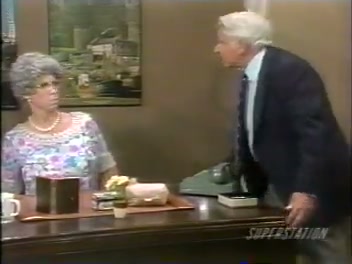
    The Brennans finally protest Mama’s treatment, forcing supervisor Herbert into the widening dispute. He reminds her that travel agents must make customers feel welcome, even when those customers become impatient or difficult.

    Herbert’s intervention changes the stakes because Mama is no longer trading barbs without consequences. Her employment now depends on whether she can retreat, apologize, and perform the gracious role the agency requires.

    Mama does not retreat. She rejects the idea that professionalism means becoming a doormat, especially after enduring constant interruptions and what she considers the Brennans’ unreasonable attitude.

    Her response is grand, defiant, and deliberately excessive. She promises to get the couple to Tahiti by practically any means necessary, turning customer service into a theatrical declaration of war.

    The flourish does not rescue the booking. Instead, the Brennans leave, taking their vacation plans and whatever remained of Mama’s first-day optimism with them.

    Herbert then delivers the consequence that has been approaching with every ringing phone and cutting remark. Mama is fired, transforming her attempt at independence into a short-lived workplace disaster.

    Article Image 3

    The dismissal lands as both an inevitable outcome and a comic injustice from Mama’s perspective. She may have insulted the customers, but she sees the family’s nonstop calls as the true cause.

    That distinction matters once the action returns home. Vinton gently suggests that Mama can find another job, offering reassurance to someone who is in no mood to receive it.

    Mama answers by distributing blame with impressive speed. Vinton, Naomi, Buzz, and Sonya all receive their share for turning her workday into a remote household-management shift.

    Nobody escapes her verdict because every relative contributed something to the chaos. A shirt, a cosmetic item, a locked door, and missing sneakers become exhibits in Mama’s case against the entire family.

    Her anger also reveals the disappointment beneath the jokes. Mama wanted the chance to prove she could succeed outside the home, only to discover that home would not release her.

    The final home scene extends the workplace conflict rather than resolving it. Vinton’s optimism collides with Mama’s conviction that another job would only produce another telephone number for everyone to call.

    She caps the argument with a cutting observation about waiting for the family to become self-sufficient. The line captures her impossible position as both indispensable matriarch and exhausted target of everyone’s dependence.

    The outtake-style presentation adds another layer of comic instability. Abrupt entrances, stray dialogue, and loose timing make the scenes feel as unpredictable as the fictional day unfolding inside them.

    Rather than weakening the sequence, those rough edges amplify its audience-friendly energy. The cast appears to ride the disorder, letting pauses and slightly unruly exchanges sharpen Mama’s eruptions.

    The office phone remains the perfect symbol of the disaster. Each flash promises legitimate business, but Mama can never know whether a traveler or another family complaint is waiting.

    That uncertainty keeps her suspended between professional performance and domestic reality. She cannot fully inhabit either world because the other one is always demanding an immediate answer.

    The Brennans ultimately become collateral damage in a family system already operating at maximum volume. Their Tahiti getaway collides with Raytown problems so ordinary that Mama finds their timing personally insulting.

    Herbert sees a travel agent alienating customers, while Mama sees a woman cornered by relatives and workplace expectations. Both perspectives can be true, which gives the farce more bite than a simple firing gag.

    Still, Mama’s own temper seals the outcome. Family interruptions light the fuse, but her refusal to soften a single judgment ensures the explosion happens in public.

    By the end, the dream of a fresh career has vanished beneath ringing phones, unfinished forms, and accusations. Mama returns home without the job, but with enough outrage to dominate the household once again.

    The family may have disrupted her first day, yet Mama delivers the final word with characteristic authority. Employment ends, Tahiti slips away, and domestic chaos wins because nobody remembered the most important rule.

    When Mama is at work, calling her should be reserved for a genuine emergency. Missing sneakers, makeup, and an unironed shirt do not qualify, no matter what the Harper family believes.