President Donald Trump warned Iran on Thursday that the U.S. will hold Tehran responsible if the Houthis continue to fire on shipping in the Red Sea.
In a Truth Social post, Trump said the Iran-backed Houthi rebels had acted “very responsibly” since the U.S. launched a major campaign against the group last year, but their conduct changed after the Houthis claimed responsibility for attacking two Saudi oil tankers overnight.
“A year ago the United States of America attacked, very powerfully, the Houthis, for their interference with commerce and trade, by shooting at ships,” Trump wrote. “If they do this again, the U.S. will hold Iran responsible, in that the Houthis are a Surrogate and/or Proxy of Iran, and major military punishment will be inflicted upon Iran and, of course, the Houthis, themselves.”
Trump added that he was “very disappointed” with the Houthis after saying they had “until now, acted very professionally and smart.”
The warning came after the Houthis announced they had struck two Saudi oil tankers as part of what they described as a naval blockade against Saudi Arabia.
One vessel transmitted a distress call after it was hit by a missile near the Saudi port of Jizan, while Saudi state media said the attack sparked a fire aboard the ship.
The attacks threaten to create a second major chokepoint for global energy supplies alongside the Strait of Hormuz, where Iran has targeted commercial shipping for weeks.
Shipping analysts warned that sustained Houthi attacks near the Bab el-Mandeb Strait could further disrupt global trade and push energy prices higher.
Secretary of State Marco Rubio said Thursday that Tehran would continue paying a steep price until it agrees to a lasting peace arrangement.
“Iran is begging for a deal every day,” Rubio told reporters during a diplomatic summit in Southeast Asia. “The problem with Iran is every time they make a deal … they either break it or they want to change it.”
Rubio also argued the Houthis had been manipulated by Tehran, saying the militant group had been “snookered into this.”
The latest escalation follows Trump’s warning a day earlier that the United States would destroy an Iranian bridge or power plant every time Tehran attacked a vessel in the Strait of Hormuz.
Meanwhile, U.S. military operations against Iran continued overnight, as Iranian forces reportedly launched additional attacks against U.S. positions and infrastructure in neighboring countries.
The widening conflict has rattled energy markets, with Brent crude climbing sharply as traders weigh the growing risk to two of the world’s most important maritime oil routes.
The Trump administration has maintained that sustained military pressure is necessary to protect freedom of navigation, defend U.S. forces and allies, and bring Iran back to the negotiating table.
Vừa thấy vợ đặt bút ký vào đơn ly hôn, T. hí hửng chi ngay 500 triệu mua nhẫn kim cương cầu hôn nhân tình. Cả gia đình kéo nhau đi ăn mừng, còn lên kế hoạch dọn cô bồ về biệt thự ngay trong đêm. Thế nhưng, khi trở về nhà, cảnh tượng trước cánh cổng khiến tất cả chết lặng…
Nét bút của T. lướt nhanh trên tờ đơn l//y hôn, dứt khoát như thể vừa trút bỏ được gánh nặng đeo bám suốt nhiều năm. Anh ta đẩy xấp giấy sang phía H., khóe môi nhếch lên đầy đắc thắng.
– Thế là xong! Từ nay ai sống cuộc đời người nấy. Theo thỏa thuận, em nhận 2 tỷ tiền mặt rồi rời đi. Còn biệt thự và công ty đều thuộc về anh.
H. cầm tờ đơn, gương mặt bình thản đến lạ.
Không nước mắt.
Không trách móc.
Cũng chẳng níu kéo.
Cô chỉ lặng lẽ ký tên, khép tập hồ sơ lại rồi kéo chiếc vali đã chuẩn bị từ trước ra cửa.
Trước khi bước đi, cô chỉ nhẹ nhàng nói:
– Chúc anh hạnh phúc với lựa chọn của mình.
Cánh cửa vừa khép lại, T. lập tức không giấu nổi vẻ sung sướng. Anh ta gần như nhảy cẫng lên, vội bấm điện thoại gọi cho M. – cô nhân tình trẻ trung, quyến rũ mà anh ta đã qua lại suốt thời gian dài.
– Em yêu ơi! Anh chính thức tự do rồi. Cô ta vừa ký đơn ly hôn xong. Tối nay mình đi ăn mừng nhé, anh còn chuẩn bị một bất ngờ cực lớn dành cho em!
Đầu dây bên kia, M. cười khúc khích đầy thích thú.
Chiều hôm ấy, T. lái xe đến một cửa hàng trang sức hạng sang bậc nhất thành phố.
Không cần suy nghĩ nhiều, anh ta quẹt thẻ mua ngay chiếc nhẫn kim cương trị giá 500 triệu đồng.
Trong đầu T. lúc ấy chỉ có một ý nghĩ:
“Công ty đang ăn nên làm ra, dự án sắp ký hàng trăm tỷ. Nửa tỷ chỉ là chuyện nhỏ. Phải có chiếc nhẫn thật xứng đáng thì M. mới vui vẻ về làm bà chủ căn biệt thự.”
Buổi tối, T. đặt bàn tại một nhà hàng 5 sao sang trọng.
Ngoài M., anh ta còn mời cả bố mẹ và em gái đến chung vui.
Tiếng cụng ly, tiếng cười nói rôm rả vang khắp phòng VIP.
Mẹ T. mỉm cười mãn nguyện, vừa vuốt chuỗi ngọc trai con trai mới mua tặng vừa nói:
– May mà con ly hôn sớm. Cái kiểu phụ nữ chỉ biết cắm mặt vào bếp núc thì giúp được gì cho chồng. Phải như M., vừa xinh đẹp, vừa biết giao tiếp, nhìn mới xứng với con trai mẹ.
Nghe vậy, M. càng đắc ý.
Cô ta nép sát vào vai T., cố tình giơ bàn tay vừa được đeo chiếc nhẫn kim cương lấp lánh để mọi người cùng nhìn.
– Anh chiều em quá! Hay tối nay em dọn luôn về biệt thự nhé. Em muốn thay hết rèm cửa với đồ nội thất cũ của chị vợ trước. Nhìn tối tăm, chẳng có chút gu thẩm mỹ nào.
T. bật cười sảng khoái.
– Em thích gì cứ thay. Từ hôm nay căn nhà ấy là của em.
Cả bàn ăn phá lên cười.
Không một ai nhắc đến H., như thể cô chưa từng tồn tại trong gia đình ấy.
Gần 11 giờ đêm, chiếc Mercedes sang trọng chậm rãi dừng trước căn biệt thự trong khu đô thị cao cấp.
Cả nhà T. vẫn còn lâng lâng men rượu.
Ai cũng háo hức tưởng tượng cảnh từ ngày mai, M. sẽ chính thức trở thành nữ chủ nhân mới của căn biệt thự.
T. bước xuống xe đầu tiên.
Anh ta rút chùm chìa khóa trong túi quần, tiến đến cổng chính với vẻ đầy tự tin.
Nhưng ngay khi tra chìa vào ổ khóa…
Cạch!
Không vào.
Anh ta thử lại lần nữa.
Cạch!
Vẫn không được.
T. cau mày, bật đèn điện thoại soi kỹ.
Khuôn mặt anh ta bỗng biến sắc.
Ổ khóa vân tay thông minh quen thuộc đã biến mất.
Thay vào đó là một hệ thống khóa điện tử hoàn toàn mới, trên màn hình chỉ hiện dòng chữ màu đỏ:
“Từ chối truy cập.”
Anh ta vội đưa ngón tay lên quét vân tay.
Bíp…
“Xá//c thực thất bại.”
Một linh cảm chẳng lành bất chợt ập đến…
T. toát mồ hôi hột, tay run run liên tục ấn vân tay nhưng màn hình khóa chỉ liên tục nhấp nháy đèn đỏ báo lỗi.
– Có chuyện gì thế con? – Mẹ T. lảo đảo bước xuống xe, giọng còn nồng nặc men say. – Sao không mở cửa ra để cả nhà vào nhà nghỉ ngơi? Đi cả ngày mệt quá rồi.
M. cũng õng ẹo bước tới, vòng tay qua ôm lấy cánh tay T.:
– Anh yêu ơi, sao thế? Hay là hệ thống khóa bị lỗi? Anh gọi bảo vệ khu đô thị đến phá khóa đi.
T. chưa kịp định thần để trả lời thì bỗng nhiên, chiếc cổng sắt tự động từ từ trượt mở. Đèn sân biệt thự vụt sáng trưng.
Thế nhưng, người bước ra từ bên trong không phải là người giúp việc quen thuộc, mà là hai người đàn ông cao lớn trong trang phục vest đen lịch lãm, đi kèm là một người đàn ông trung niên đeo kính cận, tay cầm một tập hồ sơ dày cộp.
Và người đi cuối cùng, thong thả bước ra với phong thái vô cùng sang trọng, chính là H.
Cô đã thay bộ quần áo giản dị lúc chiều bằng một chiếc đầm nhung đen quý phái, mái tóc bới cao kiêu kỳ. Gương mặt cô không còn nét cam chịu của người vợ tào khang ngày nào, mà toát lên khí chất của một người thực sự nắm quyền sinh sát.
T. trợn tròn mắt, lắp bắp:
– H… H.? Sao cô lại ở đây? Cô ký đơn ly hôn và dọn đồ đi rồi cơ mà? Ai cho phép cô tự tiện đổi khóa nhà tôi? Cô có tin tôi báo cảnh sát bắt cô vì tội xâm nhập gia cư bất hợp pháp không?
H. nhìn T. bằng nửa con mắt, rồi khẽ gật đầu với người đàn ông đeo kính bên cạnh. Ông ấy bước lên, dõng dạc lên tiếng:
– Chào ông T. Tôi là luật sư đại diện cho công ty quản lý tài sản và cũng là luật sư riêng của bà H. Tôi xin đính chính lại một vài thông tin pháp lý để ông và gia đình được rõ.
Người luật sư mở tập hồ sơ, dõng dạc đọc to:
“Căn biệt thự này, cùng với toàn bộ khu đất xung quanh, vốn đứng tên sở hữu của Tập đoàn xây dựng Đại Phát – do bố đẻ của bà H. làm chủ tịch. Trước đây, bố bà H. chỉ cho hai vợ chồng ông mượn để ở tạm trong thời gian kết hôn.
Trong thỏa thuận ly hôn mà ông vừa ký lúc chiều, ông đã đồng ý bàn giao lại toàn bộ những tài sản ‘không thuộc sở hữu chung’. Vì căn biệt thự này là tài sản riêng của gia đình bà H. trước hôn nhân, nên hiện tại, quyền sử dụng đã chính thức bị thu hồi. Từ 18 giờ tối nay, ông T. không còn bất kỳ quyền hạn nào đối với bất động sản này.”
Cú sốc dồn dập
Mặt T. cắt không còn một giọt máu. Anh ta loạng choạng lùi lại một bước, đầu óc quay cuồng:
– Không… không thể thế được! Còn công ty thì sao? Công ty là do một tay tôi lập ra và chèo lái cơ mà? Dự án trăm tỷ sắp ký…
H. bước lên phía trước, khẽ mỉm cười, nụ cười lạnh tanh đến thấu xương:
– Anh vẫn nghĩ một kỹ sư quèn như anh, nếu không có bố tôi đứng sau rót vốn và dọn đường quan hệ, thì có thể thâu tóm được những dự án lớn thế sao? Anh quên mất ai là người nắm giữ 70% cổ phần của công ty à?
H. rút điện thoại ra, bấm nút loa ngoài của một cuộc gọi nhỡ. Ngay lập tức, giọng nói hốt hoảng của gã trợ lý thân cận của T. vang lên qua điện thoại:
“Anh T. ơi cứu em với! Bên phía Tập đoàn Đại Phát vừa thông báo rút toàn bộ vốn đầu tư và phong tỏa mọi tài khoản ngân hàng của công ty mình rồi! Dự án trăm tỷ họ cũng hủy bỏ hợp đồng vì điều khoản vi phạm đạo đức của người đại diện pháp luật. Công ty mình… phá sản thật rồi anh ơi!”
Điện thoại từ tay T. rơi bộp xuống đất, màn hình vỡ tan tành.
Kết cục của những kẻ tham lam
Mẹ T. nghe đến hai chữ “phá sản” và “thu hồi biệt thự” thì xây xẩm mặt mày, suýt ngã quỵ xuống đất nếu không có cô em gái đỡ kịp. Chuỗi ngọc trai trên cổ bà bỗng trở nên nặng nề và lố bịch hơn bao giờ hết.
Còn M. – cô nhân tình bé nhỏ vừa mới một tiếng trước còn đòi thay rèm cửa, dọn đồ về làm bà chủ – giờ đây vội vàng buông cánh tay T. ra. Cô ta nhìn chiếc nhẫn kim cương 500 triệu trên tay mình, rồi nhìn vẻ mặt thất thần, trắng tay của T., trong mắt hiện rõ vẻ tính toán và sợ hãi.
– T… T… Thế này là thế nào? Anh bảo anh là đại gia cơ mà? Anh lừa tôi à? – M. hét lên, rồi chẳng thèm nhìn T. lấy một lần, cô ta vội vã quay lưng, vẫy một chiếc taxi chạy vụt qua rồi nhanh chóng leo lên, biến mất vào màn đêm, bỏ lại gã nhân tình đang đứng thẫn thờ như một pho tượng đá.
H. nhìn cảnh tượng hỗn loạn trước cổng, ánh mắt không một chút gợn sóng. Cô quay sang bảo vệ:
– Đóng cổng lại đi. Đêm muộn rồi, đừng để những người không liên quan làm ồn ào khu phố.
Cánh cổng sắt nặng nề từ từ khép lại, ngăn cách giữa hai thế giới: bên trong là ánh đèn ấm áp, sang trọng của sự giàu có thực sự; bên ngoài là màn đêm lạnh buốt, nơi T. và gia đình anh ta phải đối mặt với sự thật phũ phàng của kẻ phản bội trắng tay.
President Donald Trump is expanding U.S. military forces in the Middle East, giving his administration broader options to intensify operations against Iran as the conflict enters its fifth month and Tehran continues threatening commercial shipping through the Strait of Hormuz.
The Wall Street Journal, citing U.S. officials and others familiar with the matter, reported that special operations forces, additional fighter squadrons, long-range bombers, aerial refueling aircraft, and more than 150 medical personnel had been surged to the region or placed on heightened alert.
The buildup follows the deaths of four U.S. service members in recent Iranian attacks and comes as the Trump administration considers additional military action.
U.S. Central Command said Wednesday it carried out a 12th consecutive day of strikes inside Iran aimed at degrading Tehran’s ability to threaten civilian mariners and commercial shipping in the region.
The Pentagon declined to discuss specific troop movements, citing operational security, while the White House said Trump “always has all options at his disposal.”
Trump warned Iran the United States would destroy “one bridge or power plant” every time the Islamic Republic attacks a vessel transiting the Strait of Hormuz.
Iranian Foreign Minister Abbas Araghchi responded that any strike on Iranian infrastructure would trigger a “powerful and decisive response.”
Secretary of State Marco Rubio also warned Iran against attempting to control one of the world’s most important waterways.
“If we create a precedent … where a nation state can decide that they are going to control an international waterway, charge a toll, and if you don’t pay them, blow up your ships, we have created a very dangerous precedent,” Rubio said during a summit in the Philippines.
The Journal reported the military buildup could also bolster U.S. operations against Yemen’s Iran-backed Houthi rebels, who recently threatened to blockade Saudi shipping in the Red Sea.
On Wednesday, two Saudi oil tankers reportedly were struck by projectiles near the Bab al-Mandeb chokepoint, underscoring the growing threat to global energy supplies.
Congress also moved this week to strengthen military funding.
The Republican-controlled House approved a $95 billion budget framework that includes roughly $73 billion for military and intelligence programs, while also passing its version of the annual National Defense Authorization Act.
War Secretary Pete Hegseth testified the conflict has cost approximately $37.5 billion so far.
Despite those costs, Trump and administration officials have argued that sustained military pressure is necessary to prevent Iran from obtaining a nuclear weapon and to restore freedom of navigation through the Strait of Hormuz, a critical passage that normally carries about one-fifth of the world’s traded oil.
Chị chồng vay 2 tỷ xây nhà, sau tiệc tân gia chồng tôi tuyên bố xóa nợ. Tôi giận đến mức gọi chị đến ba mặt một lời. Không ngờ chị chỉ lặng lẽ dúi vào tay tôi một túi nylon đen, khi mở ra thì sừng sờ bên trong là…
Bữa tiệc tân gia của chị chồng kết thúc trong không khí rộn ràng. Căn nhà hai tầng khang trang sáng đèn, tiếng trẻ con nô đùa hòa cùng tiếng cười của họ hàng khiến ai cũng vui vẻ. Người thì khen thiết kế đẹp, người trầm trồ vì sân vườn rộng rãi. Chị chồng tôi đứng ở cửa, liên tục cúi đầu cảm ơn từng vị khách.
Nhìn khung cảnh ấy, trong lòng tôi cũng nhẹ nhõm. Ít nhất sau bao năm chật vật, cuối cùng chị cũng có được một mái nhà tử tế để ổn định cuộc sống.
Nhưng sự bình yên ấy chỉ kéo dài cho đến khi vợ chồng tôi về đến nhà.
Vừa thay quần áo xong, chồng tôi ngồi xuống mép giường, trầm ngâm một lúc rồi nói:
– Anh có chuyện muốn bàn với em.
Tôi vẫn đang cất túi xách nên đáp qua loa:
– Có gì mai nói cũng được.
Anh lắc đầu.
– Không, chuyện này anh đã suy nghĩ rất kỹ.
Tôi quay lại nhìn chồng. Linh cảm mách bảo sẽ chẳng có gì tốt đẹp.
Anh hít một hơi dài rồi nói chậm rãi:
– Anh quyết định… xóa khoản nợ hai tỷ của chị.
Chiếc móc áo trên tay tôi rơi xuống nền nhà.
Tôi tưởng mình nghe nhầm.
– Anh vừa nói gì?
– Anh muốn chị không phải trả nữa.
M//áu trong người tôi như dồn hết lên mặt.
– Hai tỷ đồng chứ không phải hai triệu! Anh nói nhẹ tênh như đang cho ai gói bánh.
Anh vẫn bình tĩnh.
– Chị là chị ru/ột anh. Chị khó khăn nhiều năm rồi.
– Khó khăn nên vay thì phải trả. Chính chị cũng ký giấy vay, ghi rõ thời hạn. Chẳng ai ép chị cả.
– Nhưng giờ chị còn bao nhiêu việc phải lo.
Tôi bật cười.
– Thế còn gia đình mình thì sao? Anh quên chúng ta cũng đang gánh khoản vay ngân hàng à? Con chuẩn bị vào đại học. Bố mẹ hai bên tuổi càng ngày càng cao. Hai tỷ đó là tiền tích góp mười mấy năm của cả hai vợ chồng, không phải tiền riêng của anh.
Anh im lặng.
Sự im lặng ấy càng khiến tôi tức giận.
Tôi cầm điện thoại, bấm số chị chồng.
– Chị sang nhà em ngay tối nay. Em muốn ba mặt một lời.
Khoảng bốn mươi phút sau, chị xuất hiện. Chị mặc chiếc áo khoác cũ, tóc còn hơi rối vì gió đêm.
Vừa bước vào, chị đã nhìn thấy gương mặt căng thẳng của tôi.
– Có chuyện gì vậy em?
Tôi đặt tờ giấy vay tiền lên bàn.
– Chồng em vừa nói sẽ xóa khoản nợ hai tỷ. Em muốn nghe ý kiến của chị.
Chị khựng lại.
Rồi chị từ từ cúi đầu.
Không thanh minh.
Không giải thích.
Chị chỉ mở chiếc túi xách đã sờn màu, lấy ra một túi nylon đen buộc cẩn thận rồi đặt vào tay tôi.
– Chị mang cái này đến.
Tôi mở túi..
Tôi mở túi nylon đen, tim đập thình thịch vì giận dữ. Tôi cứ nghĩ bên trong sẽ là một xấp tiền lẻ gom góp, hoặc tệ hơn là một vài món đồ trang sức cũ kỹ để “gán nợ” tạm thời.
Nhưng không.
Nằm im lìm dưới đáy túi là một cuốn sổ hồng nguyên bản mang tên tôi và chồng, một tập tài liệu pháp lý dày cộp, cùng một cuốn sổ tiết kiệm trị giá đúng 1,5 tỷ đồng.
Tôi bàng hoàng ngước lên nhìn chị chồng, rồi lại nhìn sang chồng mình. Đầu óc tôi quay cuồng, hoàn toàn không hiểu chuyện gì đang xảy ra.
Chị chồng khẽ thở dài, nắm lấy bàn tay đang run rẩy của tôi, giọng chị run run nhưng ấm áp:
– Lan à, chị xin lỗi vì đã giấu em đến tận bây giờ. Khoản nợ hai tỷ đó… thực ra chưa bao giờ là để xây nhà cho chị cả.
Chị từ từ giải thích, từng lời nói như gạt đi lớp sương mù trong lòng tôi suốt bấy lâu nay. Hóa ra, hai năm trước, dự án chung vốn làm ăn của chồng tôi bị đối tác lừa đảo và đứng trước nguy cơ vỡ nợ, thậm chí có thể liên đới đến pháp luật. Để bảo vệ gia đình và giữ lại căn nhà chúng tôi đang ở (vốn đã bị chồng tôi âm thầm mang đi thế chấp), chồng tôi đã phải tìm mọi cách xoay xở.
Trong cơn đường cùng, chính chị chồng là người đã đứng ra gánh vác. Chị đã âm thầm bán đi mảnh đất bố mẹ để lại cho riêng chị, gom góp toàn bộ tiền tiết kiệm cả đời để chuộc lại cuốn sổ hồng này về. Nhưng để giữ thể diện cho chồng tôi, và cũng để tôi không phải lo lắng, hoảng loạn đến mức ảnh hưởng sức khỏe (khi đó tôi đang điều trị bạo bệnh), chị đã cùng chồng tôi dựng lên màn kịch “vay 2 tỷ xây nhà”.
– Chị giả vờ vay tiền của tụi em để hợp thức hóa số tiền chị chuyển qua cho chồng em xử lý khủng hoảng. Căn nhà mới xây của chị… thực chất là tiền đền bù giải tỏa từ mảnh đất cũ của chồng chị ở quê mới nhận được gần đây, chứ chị không hề dùng một đồng nào từ số tiền “vay” kia cả. Còn cuốn sổ tiết kiệm 1,5 tỷ này là phần tiền đền bù còn dư, chị gửi lại cho hai đứa lo cho cháu vào đại học và phòng thân.
Tôi chết lặng. Hóa ra, người mà tôi thầm oán hận, người tôi cho là “kẻ đào mỏ” gia đình mình, lại chính là ân nhân đã âm thầm bảo vệ mái ấm của tôi suốt hai năm qua.
Tôi quay sang nhìn chồng. Anh cúi gục đầu, những giọt nước mắt hối hận lăn dài trên má:
– Anh xin lỗi em, Lan. Anh hèn nhát không dám thừa nhận sự thất bại của mình, lại bắt chị phải mang danh kẻ mắc nợ. Anh nói xóa nợ… thực ra là vì anh không muốn em phát hiện ra sự thật rằng chúng ta mới là người nợ chị cả đời này.
Nhìn cuốn sổ hồng phẳng phiu và chiếc túi nylon đen giản dị, sống mũi tôi cay xè. Cơn giận dữ, uất ức trong tôi hoàn toàn biến mất, thay vào đó là sự xấu hổ và lòng biết ơn vô hạn. Tôi ôm lấy bờ vai gầy guộc của chị chồng, nước mắt giàn giụa:
– Chị ơi… em xin lỗi. Em sai rồi…
Chị chồng vỗ vỗ lưng tôi, cười hiền hậu:
– Khóc gì chứ cô bé này. Người một nhà cả, sóng gió qua rồi, giờ chỉ còn bình yên thôi em.
When you hear the name Lisa Bonet, you probably think of effortless beauty, quiet strength, and a life that has always danced to its own rhythm. But beyond the spotlight, beyond the iconic roles, there’s another side to her story—one that revolves around family, motherhood, and raising children away from the chaos of Hollywood.
So who are her kids, really? And why are fans suddenly so curious about them?
Let’s take a closer look at Lola Iolani Momoa and Nakoa-Wolf Manakauapo Namakaeha Momoa—two names you’ve probably heard, but may not fully know.
A Different Kind of Hollywood Family
Privacy Over Publicity
In a world where celebrity kids grow up in front of cameras, Lisa Bonet chose a different path. She built a life centered on privacy, nature, and authenticity.
No constant paparazzi. No forced fame.
Just real life.
Who Is Lisa Bonet as a Mother?
A Free-Spirited Parenting Style
Bonet isn’t your typical Hollywood mom. She embraces a holistic, grounded approach to parenting—focusing on emotional intelligence, creativity, and independence.
Think less red carpets… more barefoot walks and meaningful conversations.
Meet Lola Iolani Momoa
The Eldest Daughter
Born in 2007, Lola Iolani Momoa is the first child of Lisa Bonet and Jason Momoa.
Growing Up Away From the Spotlight
Despite having famous parents, Lola’s upbringing has been refreshingly low-key.
What Makes Lola Stand Out
Natural confidence
Strong family values
A calm, grounded presence
She’s not chasing fame—and that’s exactly what makes her intriguing.
Lola’s Personality and Interests
Creative and Thoughtful
Lola is often described as introspective and artistic. Whether it’s music, expression, or simply observing the world around her, she carries a quiet depth.
A Reflection of Her Mother
You can see Lisa Bonet’s influence in her—subtle, strong, and unapologetically authentic.
Meet Nakoa-Wolf Manakauapo Namakaeha Momoa
A Name That Tells a Story
Born in 2008, Nakoa-Wolf Manakauapo Namakaeha Momoa has one of the most unique names in Hollywood—and it’s deeply meaningful.
What His Name Represents
His name reflects Hawaiian heritage and cultural significance, connecting him to his roots in a powerful way.
Nakoa-Wolf’s Personality
Energetic and Strong-Willed
While Lola leans toward calm introspection, Nakoa-Wolf brings a more energetic presence.
A Balance Within the Family
Together, the siblings create a dynamic that feels both balanced and real.
The Influence of Jason Momoa
A Hands-On Father
Jason Momoa plays a major role in their upbringing.
He’s known for being deeply involved—bringing adventure, humor, and a sense of freedom into their lives.
A Childhood Rooted in Nature
Life Beyond Hollywood
Instead of growing up in a fast-paced city, Lola and Nakoa-Wolf spent much of their time surrounded by nature.
And in today’s world, that kind of privacy makes people even more curious.
Do They Want to Enter Hollywood?
No Clear Signs—And That’s Intentional
Unlike many celebrity kids, neither Lola nor Nakoa-Wolf has been pushed into acting or public life.
A Choice, Not an Expectation
Their future remains open—and that’s exactly how their parents want it.
The Bond Between the Siblings
More Than Just Brother and Sister
They share a close relationship built on trust, shared experiences, and a unique upbringing.
Growing Up Together, Away From Chaos
That bond? It’s something you can’t fake.
How Lisa Bonet Protects Her Children’s Privacy
Setting Boundaries With Fame
Bonet has always been intentional about what she shares—and what she keeps private.
Why It Works
Because she understands something many don’t: not everything needs to be public.
A Blended Family Dynamic
Connections Beyond Just One Household
Lola and Nakoa-Wolf are also part of a larger family network, including their half-sister, Zoë Kravitz.
A Unique Family Structure
Different parents, shared love, strong connection.
Lessons From Lisa Bonet’s Parenting Style
Raising Humans, Not Celebrities
Her focus isn’t on fame—it’s on character.
Key Takeaways
Encourage individuality
Prioritize emotional growth
Protect personal space
Why Their Story Feels So Refreshing
In a World of Oversharing
Everything today is documented, posted, and shared.
But this family? They chose something different.
And that difference stands out.
What the Future Might Hold
Anything Is Possible
Will they step into the spotlight? Maybe.
Will they choose a completely different path? Also possible.
And That’s the Beauty of It
Nothing is forced. Everything is open.
The Real Reason People Admire This Family
Authenticity
It’s not about fame. It’s not about headlines.
It’s about living life on your own terms.
Lisa Bonet’s children, Lola and Nakoa-Wolf, represent something rare in today’s celebrity culture: privacy, authenticity, and grounded living. Raised away from the spotlight but surrounded by love, creativity, and strong values, they embody a different kind of Hollywood legacy—one that isn’t defined by fame, but by freedom.
And maybe that’s why people can’t stop talking about them.
Because in a world where everything is loud, their quiet story speaks the loudest.
1. Who are Lisa Bonet’s children?
Lisa Bonet has two children with Jason Momoa: Lola Iolani Momoa and Nakoa-Wolf Manakauapo Namakaeha Momoa.
2. How old are Lola and Nakoa-Wolf?
Lola was born in 2007, and Nakoa-Wolf was born in 2008.
3. Are Lisa Bonet’s kids in the entertainment industry?
No, they have largely stayed out of the public spotlight.
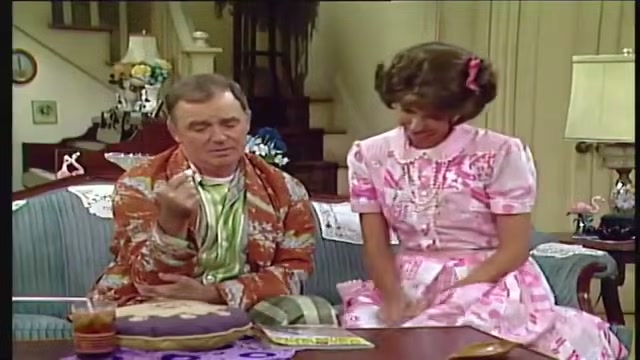
The world of Mama’s Family still remembers one unforgettable force of personality, a neighbor whose arrival could transform an ordinary moment into pure comedy. This retrospective bonus feature celebrates Beverly Archer’s Iola and the carefully crafted chaos she brought to every scene.
Ken opens the tribute by focusing on the famous entrance that announced Iola before she even appeared. The familiar knock at the door became a comic signal that something unusual was about to happen.
For the cast, that simple entrance represented everything Archer understood about performance. She combined physical comedy, sharp timing, and precise movement to create a character who felt instantly recognizable.
Ken describes Archer as brilliant because every gesture had purpose. Iola never seemed random, even when her actions created complete confusion around her.
Vonda recalls how Iola’s appearance added another layer of mystery to the character. Her style made audiences wonder exactly where she fit within the Harper family circle.
The wardrobe choices helped create an ageless quality that became part of Iola’s charm. Her baby-doll wig and frilly dresses suggested a personality untouched by ordinary expectations.
The character existed between generations in a way that made her unique. She was older than Vonda’s child character but younger than Mama, creating an unusual social position.
That uncertainty became part of the comedy because Iola embraced her own world completely. She carried herself with confidence, no matter how strange her latest idea appeared.
The cast remembers that Archer’s humor came from commitment rather than exaggeration alone. She treated every unusual moment as completely normal, which made the jokes land harder.
One of the tribute’s most memorable stories involves Iola attempting a dramatic climb into a shop through a window. The scene relied on careful physical timing and a perfectly controlled comic performance.
The visual joke grew from the awkward situation rather than anything harmful. Iola’s determination turned a simple attempt into a memorable display of classic sitcom slapstick.
The cast still laughs about the precision required for moments like that. Archer understood exactly how long to hold a pause, when to react, and when to let the scene breathe.
Another remembered moment involves an aversion-therapy storyline that pushed Iola into another unusual situation. The humor came from her reactions and the escalating absurdity surrounding her.
The tribute also highlights a scene involving a hand-painted imported toy. Iola’s unexpected action leaves everyone around her stunned, creating another example of her unpredictable energy.
These moments reveal why Iola became more than a supporting character. She was a carefully designed comic presence who could dominate a scene without changing who she was.
Behind the laughter, the cast also remembers the emotional side of Iola’s relationships. A surprising storyline explored what happened when a new woman in town became Iola’s closest companion.
The friendship shift created tension because Mama suddenly felt pushed aside. The situation introduced a rare moment where jealousy entered the normally familiar relationship.
Vonda explains that Mama reacted by trying to protect her own place in Iola’s life. Instead of openly confronting the change, Mama quietly influenced the situation.
The plan involved encouraging the new friend to end the friendship. The decision created an emotional turning point because Iola valued the connection and did not expect the rejection.
Iola’s response showed another side of the character beneath the comedy. She handled the disappointment with politeness, dignity, and surprising emotional control.
The moment worked because viewers could see both sides of the conflict. Mama’s insecurity was understandable, but Iola’s confusion made the situation more complicated.
Eventually, Iola realized Mama had played a role in the friendship ending. The discovery added another twist to a storyline built around loyalty and affection.
The cast remembers this arc because it gave the comedy genuine emotional weight. Iola could create laughs while still making audiences care about her feelings.
That balance helped define Beverly Archer’s contribution to Mama’s Family. She could turn a quirky neighbor into someone viewers wanted to see succeed.
The tribute also celebrates one of Iola’s most recognizable habits: creating homemade household items. Her collection of unusual crafts became a running joke and a symbol of her imagination.
Among the beloved inventions were dryer-lint cozies and decorative covers for everyday objects. Iola transformed ordinary materials into creations that reflected her distinctive personality.
The cast laughs while remembering her crochet drumstick holster and dental-floss fairy wand. Each invention felt impossible, yet somehow completely believable coming from Iola.
Her decorative toilet-seat protectors and other handmade pieces showed the character’s endless creativity. She saw potential in items most people would ignore.
Those crafts represented more than a joke. They captured Iola’s optimism, resourcefulness, and determination to add beauty to the world around her.
Beverly Archer’s performance made those eccentric details feel sincere. She never treated Iola’s ideas as foolish, which allowed the audience to enjoy the character’s perspective.
The tribute paints a picture of a performer who understood the value of small choices. A pause, a glance, or a carefully timed movement could define an entire scene.
Iola’s comedy came from confidence and commitment. She believed in every unusual moment, and that belief made the audience believe too.
The memories shared by Ken and Vonda reveal the affection the cast still holds for Archer’s work. Their stories celebrate both the laughter and the heart behind the character.
From the famous knock at the door to the elaborate homemade cozies, Iola’s legacy remains built on originality. She brought unpredictability to the sitcom while staying wonderfully consistent.
The friendship conflict with Mama showed that Iola’s world was not only about jokes. She experienced disappointment, loyalty struggles, and moments that reflected real relationships.
Yet even during emotional scenes, the character maintained her distinctive spirit. Iola faced challenges with the same determined optimism that defined her funniest moments.
The bonus feature ultimately serves as a warm reminder of why classic sitcom characters endure. They become memorable because audiences connect with their personalities, not just their punchlines.
Beverly Archer created a character filled with contradictions. Iola was unusual but practical, dramatic but sincere, and chaotic while remaining deeply caring.
Years after Mama’s Family first welcomed viewers into its world, Iola continues to stand out. Her inventions, entrances, and unforgettable reactions remain part of the show’s lasting charm.
The tribute captures a performer who turned small details into comedy gold. Every knock, craft project, and unexpected decision helped build a character audiences still celebrate.
Iola’s greatest gift was making ordinary life feel extraordinary. Through Beverly Archer’s performance, even a simple household item could become the center of a memorable story.
The cast’s reflections show that the laughter came from respect for the character. They remembered not only the jokes but the creativity behind every scene.
That combination of warmth and unpredictability explains why Iola remains a favorite among fans. She represented the kind of sitcom personality who could surprise viewers while feeling familiar.
The final message of the tribute is clear. Beverly Archer’s Iola was a unique blend of imagination, precision, and heart.
Her unusual crafts and dramatic entrances created comedy that still feels fresh. Her relationships added emotional depth that made audiences care beyond the laughter.
From neighborhood friendships to homemade inventions, Iola’s world was always full of unexpected discoveries. That spirit remains one of Mama’s Family’s most cherished memories.
The U.S. House of Representatives has approved one of the largest defense authorization bills in American history, voting to advance a $1.15 trillion National Defense Authorization Act (NDAA) for fiscal year 2027. The legislation comes at a time of extraordinary geopolitical tension, with the United States deeply involved in military operations connected to the ongoing conflict with Iran. Alongside the defense bill, lawmakers also advanced separate legislation providing tens of billions of dollars to support continued military operations related to the Iran War.
The vote marked a dramatic departure from the traditionally bipartisan support that defense authorization bills have enjoyed for decades. Instead, lawmakers found themselves sharply divided over military spending, foreign policy priorities, and the growing financial burden of prolonged overseas conflicts.
What Is Included in the $1.15 Trillion Defense Bill?
The legislation authorizes approximately $1.15 trillion in defense-related funding, making it one of the largest military spending packages ever considered by Congress. The bill includes funding for:
Modernizing America’s military capabilities
Expanding naval and air force readiness
Investments in missile defense systems
Military infrastructure improvements
Research into emerging technologies including artificial intelligence
Increased funding for troop readiness and training
Pay raises for service members ranging from roughly five to seven percent
Supporters argue the package is necessary because today’s security challenges are unlike those of previous decades. Rising competition with China, continued instability in the Middle East, cyber threats, and rapid technological advances have convinced many lawmakers that maintaining military superiority requires unprecedented investment.
At the same time, House Republicans approved a separate package totaling approximately $95 billion, much of which supports ongoing military operations connected to the Iran conflict.
According to the legislation:
Around $60 billion is directed toward Pentagon operations.
Additional funding supports broader national security priorities.
Other portions address domestic policy priorities included in the broader legislative package.
The administration argues that these resources are essential to sustain military operations while protecting American forces and allies in the region. Supporters contend that failing to provide adequate funding could weaken military readiness during an active conflict.
Why the Bill Sparked Fierce Debate
The legislation became one of the most divisive defense votes in recent memory.
Republicans largely argued that the United States cannot afford to reduce military preparedness during a period of growing global instability. They emphasized the importance of deterring adversaries, strengthening alliances, modernizing aging equipment, and ensuring American troops have the resources they need.
Democrats, however, questioned both the overall size of the package and the timing of such massive military spending. Many argued that Congress should exercise greater oversight over military operations in Iran while also prioritizing domestic investments such as healthcare, education, and infrastructure.
Another major concern centered on whether Congress has adequately debated America’s expanding military role in Iran before committing additional taxpayer dollars. Several lawmakers argued that long-term military engagements deserve greater public discussion and congressional authorization.
The Financial Cost of War Continues to Rise
The debate over the legislation reflects growing concern about the financial consequences of sustained military operations.
Recent Pentagon estimates indicate that U.S. operations related to the Iran conflict have already cost tens of billions of dollars, with expenditures continuing to rise as military deployments, logistics, precision munitions, and operational support expand. Analysts warn that prolonged conflicts often become significantly more expensive than initial projections.
History provides numerous examples where military engagements initially expected to last months ultimately stretched into years, carrying costs far beyond original estimates.
This financial reality has intensified questions over how the United States balances national security with fiscal responsibility.
Beyond the Budget: A Broader Political Statement
Defense bills are never just about numbers.
They also signal America’s strategic priorities to allies and rivals alike.
Passing such a massive defense package sends a message that Washington intends to maintain military strength despite growing budget pressures. It also demonstrates continued support for ongoing operations in the Middle East, even as public opinion remains divided over long-term involvement.
For international observers, the legislation reinforces the idea that the United States continues to view military readiness as a cornerstone of its global leadership strategy.
Whether allies interpret that as reassurance—or competitors see it as escalation—will likely shape diplomatic relationships in the months ahead.
Commentary: Security and Spending Must Move Together
National defense is one of the federal government’s most important responsibilities. Few would argue that American service members should lack the equipment or resources necessary to perform their missions safely.
However, the scale of this legislation raises important questions that extend beyond politics.
As defense budgets continue to grow, many Americans naturally wonder how these commitments affect the nation’s long-term financial outlook. Every additional dollar allocated to defense competes with other priorities, from infrastructure and healthcare to education and deficit reduction.
Supporters see the spending as an investment in stability and deterrence. Critics view it as another example of military expenditures growing faster than public scrutiny.
Neither perspective should be dismissed lightly.
Strong national security requires capable armed forces, but it also benefits from transparent debate, clear objectives, and careful oversight. Sustaining public confidence means explaining not only why resources are needed today but also what measurable outcomes those investments are expected to achieve tomorrow.
Although the House has approved the legislation, it has not yet become law.
The Senate must pass its own version before both chambers negotiate a final compromise. Any differences between the House and Senate bills will need to be resolved before the legislation reaches President Trump for his signature or veto. Given the political disagreements already surrounding the measure, additional debate and amendments are expected before the process concludes.
Concluding Remarks
The House’s approval of the $1.15 trillion defense bill represents a defining moment in American defense policy. Coupled with billions more directed toward the ongoing Iran conflict, the legislation reflects a government placing extraordinary emphasis on military preparedness during a period of international uncertainty.
Yet it also reignites enduring questions about the balance between security, fiscal responsibility, congressional oversight, and America’s long-term role in global conflicts. As the Senate prepares to consider the legislation, the national conversation is likely to extend well beyond the size of the budget itself and focus on the broader direction of U.S. foreign and defense policy for years to come.
É//p mẹ già ký giấy sang tên đất, vợ chồng con trai bẽ bàng chỉ sau 10 phút vì…
Con dâu bật cười khinh khỉnh, tiếng cười vang vọng trong căn phòng căng thẳng. Cô ta liếc nhìn chiếc đồng hồ treo tường, rồi quay lại nhìn thẳng vào Bà Mai, đôi mắt đầy vẻ trêu ngươi.
“Mười phút ư? Mẹ tính làm gì trong mười phút đó? Gọi luật sư? Hay gọi cảnh sát? Hay mẹ định gọi… mấy người bạn già của mẹ đến đây làm chứng cho cái cảnh bẽ bàng này?” Con dâu nói, nhấn mạnh từng từ bằng giọng mỉa mai, đầy đắc chí.
Con trai đứng đó, ánh mắt cũng lộ rõ sự chế giễu, tay vẫn nắm chặt chiếc thắt lưng, nhưng giờ đây có vẻ hắn đã bớt căng thẳng hơn một chút, tin rằng Bà Mai chỉ đang kéo dài thời gian vô ích. Hắn cũng chờ xem, mười phút của Bà Mai có thể làm nên trò trống gì.
Bà Mai vẫn giữ vẻ mặt điềm tĩnh đến lạ. Không một chút dao động. Bà nhìn thẳng vào mắt Con dâu, ánh mắt chất chứa điều gì đó sâu thẳm, nhưng không phải là sự sợ hãi hay tuyệt vọng. Chỉ là một cái nhìn… chờ đợi. Một cái nhìn khiến Con dâu bất giác cảm thấy hơi rờn rợn, nhưng cô ta nhanh chóng xua đi cảm giác đó, cho rằng Bà Mai chỉ đang cố tỏ ra mạnh mẽ trong những giây phút cuối cùng.
Căn phòng im lặng, chỉ còn tiếng tích tắc của chiếc đồng hồ, đếm ngược từng giây. Mười phút. Mười phút định mệnh. Ai sẽ là người bẽ bàng?
Từng giây trôi qua nặng nề như chì. Tiếng tích tắc của chiếc đồng hồ treo tường trở nên to hơn bao giờ hết, như đang đếm ngược chính sự kiên nhẫn của Con trai. Hắn đứng đó, vẻ mặt bắt đầu lộ rõ sự khó chịu. Cái lắc đầu nhẹ của hắn không còn mang vẻ tự mãn mà chuyển sang sự bực bội. Bàn tay hắn vẫn giữ chặt chiếc thắt lưng, nhưng nó đã hạ thấp xuống, không còn giơ cao uy hiếp như trước nữa.
Con trai nhíu chặt mày, ánh mắt liên tục dáo dác nhìn lên chiếc đồng hồ treo tường. Kim giây nhích từng chút một, chậm chạp đến phát điên. Hắn sốt ruột, mong muốn mọi chuyện mau chóng kết thúc để có thể tống khứ Bà Mai và nắm trọn lấy căn nhà cùng mảnh đất mà hắn hằng thèm khát.
“Mẹ đừng làm trò nữa, nhanh lên đi,” hắn lẩm bẩm, giọng nói xen lẫn sự cáu kỉnh và bực dọc. Hắn không còn kiên nhẫn để chơi trò mèo vờn chuột với Bà Mai nữa. Con dâu đứng cạnh, im lặng quan sát, nụ cười đắc chí vẫn chưa tắt hẳn trên môi nhưng cũng bắt đầu có một chút xao động nhỏ khi thấy sự sốt ruột của chồng.
Bà Mai vẫn ngồi đó, đôi mắt bình thản nhìn hai đứa con đang nóng ruột. Bà không nói gì, chỉ khẽ nhếch mép, một nụ cười gần như không thể nhận ra, ẩn chứa điều gì đó sâu xa mà cặp vợ chồng kia không tài nào lý giải được. Thời gian đang cạn dần.
Bà Mai không nói thêm lời nào, chỉ lặng lẽ nhìn lên đồng hồ treo tường. Từng giây trôi qua thật chậm chạp, như thể thời gian đang cố tình kéo dài để thử thách sự kiên nhẫn của kẻ tham lam. Con trai không chịu nổi nữa. Hắn liên tục nhấp nhổm, ánh mắt nóng như lửa đốt dán chặt vào chiếc kim giây đang bò từng nhích trên mặt đồng hồ. Vẻ mặt Con dâu cũng dần mất đi sự đắc chí ban đầu, thay vào đó là nét lo lắng mong manh khi thấy chồng mình ngày càng bồn chồn. Bà Mai cảm nhận rõ ràng sự dao động trong không khí. Trong lòng bà, một sự bình thản đến lạ thường, vững như bàn thạch, nhưng đâu đó vẫn len lỏi chút hồi hộp, chờ đợi khoảnh khắc sắp đến. Bà biết, chỉ còn vài phút nữa thôi. Khoảng thời gian mà Con trai đã tự mình ấn định cho bà, hóa ra lại chính là thời khắc định đoạt số phận của hắn. Chiếc kim phút đã nhích gần đến con số quan trọng, báo hiệu cho một sự kiện không thể đảo ngược. Con trai bắt đầu thở dốc, hắn nhìn Bà Mai, rồi lại nhìn đồng hồ, môi lẩm bẩm điều gì đó không rõ. Hắn cảm thấy một dự cảm không lành, nhưng lại không thể gọi tên nó. Bà Mai chỉ khẽ nhắm mắt, như đang cầu nguyện, hay đơn giản là đang chuẩn bị cho màn kịch cuối cùng. Tiếng tích tắc của đồng hồ vẫn vang vọng, như đang đếm ngược đến một hồi chuông kết thúc.
Chiếc kim phút đã nhích sát con số quan trọng, tiếng tích tắc trở nên dồn dập hơn, như tiếng trống trận đang gõ. Con trai nín thở, hai mắt dán chặt vào Bà Mai, rồi lại lia sang đồng hồ. Hắn cảm thấy lồng ngực mình siết lại, một nỗi sợ hãi mơ hồ bóp nghẹt. Con dâu cũng không còn giữ được vẻ đắc chí, cô ta nhấp nhổm trên ghế, ánh mắt ngờ vực nhìn chồng. Đúng lúc chiếc kim giây chạm nhẹ vào vạch số 12, báo hiệu gần đủ mười phút, một tiếng chuông cửa vang lên dứt khoát, cắt ngang sự im lặng đến đáng sợ của căn nhà.
Cả Con trai và Con dâu đều giật bắn mình, như thể bị điện giật. Con trai lùi lại một bước, ánh mắt hoang mang tột độ. Hắn nhìn Bà Mai, rồi lại nhìn về phía cửa chính, khóe miệng run rẩy không nói nên lời. Con dâu nhướn mày, vẻ khó chịu hiện rõ trên gương mặt. “Ai vậy?” cô ta lẩm bẩm, giọng hậm hực như thể bị cắt ngang một vở kịch đang đến hồi cao trào. Bà Mai khẽ mở mắt, một tia sáng sắc lạnh lướt qua. Bà nhìn thẳng vào ánh mắt của Con trai, khóe môi khẽ cong lên một cách đầy ẩn ý. Tiếng chuông cửa lại vang lên lần nữa, dứt khoát và mạnh mẽ hơn, như một lời nhắc nhở. Con trai nuốt khan, mồ hôi bắt đầu lấm tấm trên trán. Hắn không thể giải thích được sự xuất hiện bất ngờ này, đúng vào thời khắc định mệnh mà hắn đã ấn định. Hắn quay sang nhìn Con dâu, trong mắt ngập tràn sự bối rối và lo sợ.
Con trai nuốt khan, mồ hôi bắt đầu lấm tấm trên trán. Hắn không thể giải thích được sự xuất hiện bất ngờ này, đúng vào thời khắc định mệnh mà hắn đã ấn định. Hắn quay sang nhìn Con dâu, trong mắt ngập tràn sự bối rối và lo sợ. Hắn hít một hơi thật sâu, cố gắng trấn tĩnh bản thân. Một tiếng thở dài nặng nề thoát ra, pha lẫn chút bực dọc vì bị ngắt quãng. Con trai với tay đặt chiếc thắt lưng xuống góc bàn một cách thô bạo, tạo ra tiếng động khô khốc trong căn phòng tĩnh lặng. Hắn gằn giọng, khuôn mặt cau có vì khó chịu tột độ.
“Để tôi xem là ai,” hắn lẩm bẩm, rồi sải bước về phía cửa chính, cảm giác khó chịu lấn át sự hoang mang ban đầu. “Chắc là thằng cha giao hàng hoặc ai đó nhầm nhà thôi.” Hắn nghĩ bụng, cố tìm một lý do hợp lý cho sự việc khó hiểu này.
Bà Mai vẫn ngồi im phắc trên ghế, như một pho tượng. Khóe môi bà khẽ nhếch lên một cách kín đáo, ánh mắt sâu thẳm dõi theo bóng lưng Con trai, hướng về phía cánh cửa. Một tia sáng lóe lên trong đáy mắt bà, như thể bà đã chờ đợi khoảnh khắc này từ rất lâu. Căn phòng lại chìm vào sự im lặng, chỉ còn tiếng bước chân của Con trai và tiếng tim đập dồn dập của Con dâu.
Con trai kéo mạnh tay nắm cửa, cánh cửa gỗ bật mở ra ngoài. Ánh nắng chói chang từ bên ngoài đổ vào, nhưng thứ khiến hắn sững người không phải là ánh sáng, mà là hình bóng đứng ngay ngưỡng cửa. Một người đàn ông trung niên, đầu tóc chải chuốt gọn gàng, mặc bộ vest đen lịch sự, áo sơ mi trắng tinh. Trên tay ông ta là chiếc cặp da màu nâu, bóng loáng, trông rất chuyên nghiệp.
Người đàn ông nhìn thẳng vào Con trai, ánh mắt sắc lẹm, dò xét. Con trai cảm thấy sống lưng lạnh toát, một cảm giác bất an dâng lên. Không nói một lời, người đàn ông lướt qua hắn, ánh mắt quét nhanh vào bên trong phòng khách, như đang tìm kiếm một điều gì đó. Cuối cùng, đôi mắt nghiêm nghị của ông ta dừng lại đúng nơi Bà Mai đang ngồi, lặng lẽ như pho tượng giữa căn phòng hỗn độn.
Con trai đứng chôn chân, cả người cứng đờ. Hắn chưa từng gặp người này bao giờ, một gương mặt hoàn toàn xa lạ, nhưng lại toát ra vẻ quyền uy khó tả. “Ông ta là ai? Đến đây làm gì vào cái giờ phút này?” – một loạt câu hỏi không lời bùng lên trong đầu hắn, chen lẫn sự bối rối và chút sợ hãi.
Phía sau, Con dâu cũng ngớ người, khuôn mặt từ vẻ đắc chí ban nãy đã chuyển sang trạng thái ngỡ ngàng, hoang mang tột độ. Bà Mai vẫn ngồi đó, khóe môi khẽ nhếch lên một cách kín đáo, ánh mắt sâu thẳm ánh lên một tia sáng bí ẩn. Bà đã chờ đợi khoảnh khắc này, và nó đã đến, đúng như bà dự liệu.
Bà Mai khẽ cử động, chậm rãi đứng dậy khỏi chiếc ghế. Mặc dù vừa trải qua cơn bạo hành, dáng đứng của Bà Mai vẫn thẳng, không một chút run rẩy. Ánh mắt Bà Mai kiên định nhìn thẳng vào người đàn ông đang đứng ở ngưỡng cửa. Một nụ cười nhẹ, đầy ẩn ý hé nở trên môi bà.
“Anh đến rồi sao?” Bà Mai cất tiếng, giọng nói nhẹ nhàng nhưng ẩn chứa một quyền lực khó tả, như thể bà đã biết trước mọi việc và đang chờ đợi sự xuất hiện này.
Người đàn ông gật đầu nhẹ, không nói một lời, nhưng ánh mắt ông ta dường như đã hiểu thấu mọi chuyện. Ông ta bước thêm vài bước vào trong căn nhà, chiếc cặp da trên tay khẽ đung đưa. Khi lướt qua Con trai đang đứng sững sờ, ánh mắt nghiêm nghị của người đàn ông dừng lại, lướt qua hắn một cách lạnh lùng, đầy ý cảnh cáo. Con trai cảm thấy sống lưng càng thêm lạnh buốt, một nỗi sợ hãi mơ hồ bắt đầu xâm chiếm. Người đàn ông không thèm liếc nhìn Con dâu mà đi thẳng vào giữa phòng khách.
Con dâu bất ngờ, từ nãy giờ vẫn ngồi sững trên ghế, giờ mới vội vã đứng bật dậy. Ánh mắt cô ta dáo dác, đầy vẻ hoang mang xen lẫn tò mò nhìn chằm chằm vào Người đợi sẵn ngoài cửa. Người đàn ông lạ mặt, với dáng vẻ uy nghiêm và chiếc cặp da trong tay, đứng đó như một vị phán quan vừa xuất hiện. Con dâu không tài nào hiểu được chuyện gì đang diễn ra, tại sao một người đàn ông lạ mặt lại có thể đường hoàng bước vào nhà họ như vậy, và thái độ của Bà Mai lại quá đỗi bình thản. Một linh cảm xấu, lạnh buốt, bắt đầu dâng lên trong lòng Con dâu, như báo hiệu một tai họa sắp ập đến.
Người đàn ông lạ mặt tiến thêm một bước vào trong nhà, ánh mắt lướt qua Con dâu đầy sự tự tin, rồi dừng lại trên Bà Mai. Ông ta lịch sự cúi đầu chào Bà Mai một cách trang trọng, động tác dứt khoát và điềm tĩnh. Bà Mai chỉ khẽ gật đầu đáp lại, khóe môi ẩn hiện một nụ cười thản nhiên, như thể mọi chuyện đều nằm trong lòng bàn tay bà. Sau đó, người đàn ông quay sang Con trai và Con dâu, ánh mắt nghiêm nghị quét qua từng người.
“Chào hai vị,” ông cất tiếng, giọng nói rõ ràng, đầy trọng lượng vang vọng khắp căn phòng, “Tôi là luật sư Hoàng, đại diện pháp luật của Bà Mai.”
Từng lời của luật sư Hoàng như những nhát búa giáng mạnh vào tai Con trai và Con dâu. Nét mặt Con dâu đang đầy vẻ hoang mang bỗng chốc cứng đờ, hai mắt mở to, miệng há hốc không thốt nên lời. Con trai, vừa nãy còn ngạo mạn, giờ đây cũng sững sờ, bàn tay đang siết chặt Thắt lưng bỗng thả lỏng. Cả hai như bị đóng băng tại chỗ, từng đường nét trên khuôn mặt bắt đầu tái đi, trắng bệch vì kinh ngạc và một nỗi sợ hãi vô hình đang dần xâm chiếm. Họ nhìn luật sư Hoàng, rồi lại nhìn Bà Mai, không thể tin vào những gì mình vừa nghe thấy. Một cảm giác lạnh buốt chạy dọc sống lưng Con trai. Vừa nãy anh ta còn đắc chí vì nghĩ Bà Mai sẽ không có đường thoát, vậy mà giờ đây, mọi chuyện lại đảo lộn hoàn toàn.
Luật sư Hoàng không để họ đợi lâu. Ông ta từ tốn mở chiếc cặp da đen, động tác chậm rãi nhưng dứt khoát, để lộ ra chồng giấy tờ được sắp xếp gọn gàng bên trong. Ông rút ra một bản tài liệu, lướt mắt qua trước khi đưa nó về phía Con trai và Con dâu, như thể muốn họ tận mắt chứng kiến.
“Theo di chúc được lập cách đây năm năm, đã được công chứng đầy đủ và hợp pháp,” Luật sư Hoàng cất giọng, từng lời ông nói như đóng đinh vào không khí tĩnh lặng đến đáng sợ, “toàn bộ căn nhà và mảnh đất này, nơi chúng ta đang đứng, đã được Bà Mai tặng cho một quỹ từ thiện, có hiệu lực ngay khi bà muốn.”
Bàn tay ông ta đưa ra, không phải để mời gọi mà là để khẳng định, giữ chặt tờ di chúc. Dòng chữ trên đó, dù chưa được đọc rõ, cũng đủ để khiến Con trai và Con dâu chết lặng. Con dâu lùi lại một bước, va vào chiếc ghế sofa, đôi mắt dại đi. Não cô ta cố gắng xử lý những thông tin vừa nhận được, nhưng tất cả chỉ là một mớ hỗn độn của sự bàng hoàng và tức giận. Con trai, đôi môi khô khốc, cảm giác như có một tảng băng vừa đổ ập vào lồng ngực. Anh ta nhìn chằm chằm vào tờ giấy trong tay luật sư, rồi lại quay sang nhìn Bà Mai, người đang đứng đó, khuôn mặt bình thản đến lạnh lùng. Di chúc… 5 năm trước? Điều này có nghĩa là mọi hành động của họ, từ sự lừa dối, đe dọa, cho đến tờ giấy ủy quyền vừa rồi, tất cả đều trở nên vô nghĩa. Anh ta đã tự đẩy mình vào bẫy, một cái bẫy do chính Bà Mai giăng ra từ rất lâu trước đó. Một nỗi nhục nhã ê chề bắt đầu trỗi dậy, thiêu đốt tâm can anh ta.
Khuôn mặt của Con trai méo mó đi trong giây lát, từ vẻ ngờ nghệch chuyển sang sự hoang mang tột độ, rồi bị nuốt chửng bởi cơn thịnh nộ. Đôi mắt anh ta đỏ ngầu, hai hàm răng nghiến chặt đến mức tạo ra tiếng ken két. Bên cạnh, Con dâu cũng không khá hơn. Cô ta lảo đảo lùi thêm một bước, bàn tay run rẩy đưa lên che miệng, những lời thóa mạ cay độc lúc trước dành cho Bà Mai giờ như hàng ngàn mũi kim đâm ngược vào chính mình. Sự ngạc nhiên ban đầu nhường chỗ cho nỗi sốc nặng nề, kế đến là sự giận dữ tột cùng khi nhận ra mình đã bị Bà Mai qua mặt một cách đau đớn, và cuối cùng là sự tuyệt vọng vô bờ bến khi tương lai bỗng chốc sụp đổ hoàn toàn.
“KHÔNG THỂ NÀO!” Con trai gằn giọng, tiếng hét xé toạc không khí tĩnh mịch, vang vọng khắp căn nhà và mảnh đất mà anh ta tưởng chừng đã nắm chắc trong tay.
Bằng một chuyển động đầy hung hãn, Con trai lao tới, vươn cánh tay vạm vỡ giật mạnh tờ di chúc khỏi tay Luật sư Hoàng. Ông luật sư, với phản xạ nhanh nhạy của một người dày dặn kinh nghiệm, đã kịp thời giữ chặt một góc, khiến tờ giấy bị kéo căng như sắp rách.
“Anh buông ra! Đây là tài liệu pháp lý!” Luật sư Hoàng trầm giọng cảnh cáo, ánh mắt sắc như dao nhìn thẳng vào Con trai.
Con trai không quan tâm. Anh ta nghiến răng, dùng hết sức bình sinh giằng co. Gân xanh nổi rõ trên thái dương, và khuôn mặt anh ta giờ đây chằng chịt những đường nét của sự căm phẫn và thất bại. Anh ta đã mất tất cả. Cả danh dự, cả tài sản, tất cả đều tan biến chỉ trong một khoảnh khắc.
Bà Mai đứng nhìn, đôi mắt vẫn tĩnh lặng như mặt hồ không gợn sóng, chỉ có một tia sáng lóe lên rất khẽ, như một ngọn lửa nhỏ vừa được thắp trong sâu thẳm. Bà đã chờ đợi khoảnh khắc này, chờ đợi sự sụp đổ của những đứa con đã quay lưng lại với mình. Sự im lặng của Bà Mai không phải là cam chịu, mà là một sự lên tiếng mạnh mẽ hơn bất kỳ lời lẽ nào. Bà đã thắng.
Luật sư Hoàng vẫn giữ chặt tờ di chúc, cố gắng giằng lại trước sức lực điên cuồng của Con trai. Con trai gầm gừ, mồ hôi vã ra trên trán, nhưng tờ giấy vẫn không nhúc nhích khỏi tay ông luật sư dày dặn. Gân xanh nổi rõ trên cổ anh ta, và hơi thở hổn hển tràn đầy sự tức giận pha lẫn tuyệt vọng.
Với sự bình tĩnh đáng kinh ngạc, Luật sư Hoàng cuối cùng cũng giật mạnh được tờ di chúc về phía mình, giữ nó vững chắc trong tay. Ông nhìn thẳng vào Con trai, ánh mắt không hề dao động trước sự hung hăng đang bùng cháy trong mắt gã.
“Anh buông ra!” Luật sư Hoàng trầm giọng, lặp lại lời cảnh cáo, nhưng lần này với một sự kiên quyết lạnh lùng. Ông không để tâm đến tiếng gầm gừ giận dữ của Con trai, mà quay sang Bà Mai, rồi nhìn sang Con dâu, người đang nín thở dõi theo mọi diễn biến, linh cảm một điều kinh hoàng sắp xảy đến.
“Di chúc này hoàn toàn hợp lệ, và Bà Mai chỉ cần xác nhận trước mặt tôi để kích hoạt nó,” Luật sư Hoàng nói, từng chữ như đóng đinh vào không khí. Giọng ông bình thản nhưng lại mang một sức nặng không thể chối cãi. “Bà ấy đã đợi đúng 10 phút để cho các vị cơ hội cuối cùng.”
Ngay lập tức, một sự im lặng nặng nề bao trùm căn phòng. Lời nói của ông luật sư như một bản án cuối cùng, đẩy mọi hy vọng của cặp vợ chồng xuống vực thẳm sâu nhất. Con dâu nghe thấy thế, đôi mắt trừng lớn, mọi sức lực trong cơ thể dường như bị rút cạn. Cô ta lảo đảo, hai đầu gối khuỵu xuống, ngã sụp vào chiếc ghế gần nhất, thân hình rũ rượi. Khuôn mặt cô ta giờ đây trắng bệch như tờ giấy, không còn một chút máu, những lời cay độc và vẻ đắc chí trước đó giờ chỉ còn là tro tàn của sự nhục nhã và tuyệt vọng. Cả căn nhà và mảnh đất giờ đây đã hoàn toàn nằm ngoài tầm với của họ.
Con trai đứng chôn chân, đôi mắt dại đi, nhìn chằm chằm vào luật sư Hoàng như không tin vào tai mình. Anh ta không còn gầm gừ hay vùng vẫy, chỉ còn lại một sự trống rỗng đến kinh hoàng. Còn Con dâu, cô ta vẫn rũ rượi trên ghế, khuôn mặt trắng bệch, cả cơ thể run rẩy, những lời cay độc trước đó như đang phản lại chính cô ta.
Bà Mai bước đến gần hơn, đứng thẳng giữa phòng, ánh mắt đầy kiên định lướt qua từng đứa con. Không còn sự van xin, không còn nỗi sợ hãi, chỉ còn lại sự thanh thản lạ thường. Luật sư Hoàng đứng im lặng phía sau, dõi theo Bà Mai với vẻ tôn trọng.
“Mẹ đã cho các con quá nhiều cơ hội,” giọng Bà Mai trầm tĩnh vang lên, nhưng từng từ lại như những tảng đá ném vào lòng hai người. “Mẹ đã nhẫn nhịn, đã chịu đựng, đã cầu mong các con thay đổi. Nhưng các con thì sao? Chỉ một lòng ham muốn, chỉ muốn cướp đi tất cả những gì mẹ và người chồng quá cố đã gầy dựng cả đời.”
Con trai lùi lại một bước, nuốt khan. Anh ta cảm thấy từng thớ thịt trên cơ thể đang bị siết chặt bởi cảm giác bất lực. Con dâu khẽ nấc lên, hai tay ôm mặt.
“Giờ thì,” Bà Mai tiếp tục, giọng nói tuy nhỏ nhưng sức nặng đè nén khiến cả hai đứa con phải cúi đầu, “tất cả những gì các con nhận được từ mẹ là bài học này.”
Nước mắt bắt đầu lăn dài trên má Con dâu, chúng tuôn ra không ngừng, rửa trôi đi lớp trang điểm đã lem luốc. Cô ta không còn kìm nén được nữa, những giọt nước mắt không phải của sự ăn năn, mà của sự cay đắng tột cùng khi giấc mộng đổi đời tan tành như bong bóng xà phòng. Con trai đứng đó, cảm giác nhục nhã, bẽ bàng len lỏi khắp cơ thể, nhưng anh ta không thể thốt nên lời.
Con trai đứng bất động, gương mặt biến sắc giữa sự trống rỗng và ê chề. Từng thớ thịt trên cơ thể anh ta như đông cứng lại. Con dâu không còn tiếng nấc, cô ta chỉ còn là một khối vô hồn, đôi mắt sưng húp trân trân nhìn xuống nền nhà, không dám ngẩng đầu. Giấc mộng về một cuộc đời giàu sang, về căn nhà này đã tan thành mây khói, chỉ còn lại sự nhục nhã đang thiêu đốt cô ta từ bên trong.
Bà Mai không nói thêm lời nào. Bà chỉ đứng đó, dõi theo hai con bằng ánh mắt bình thản, nhưng ẩn chứa cả một biển trời đau đáu. Giây phút ấy, nỗi sợ hãi đã hoàn toàn biến mất khỏi đôi mắt bà, chỉ còn lại sự thanh thản đến nao lòng. Luật sư Hoàng vẫn trầm mặc, im lặng đứng sau lưng Bà Mai như một bức tượng công lý.
Con dâu là người động đậy trước, cô ta chầm chậm đứng dậy, từng cử động nặng nề như mang theo gánh nặng ngàn cân. Cô ta lảo đảo bước đến chỗ chiếc túi xách, đôi tay run rẩy mở khóa, thu dọn vội vã vài vật dụng cá nhân một cách vô thức. Không một lời thốt ra, không một ánh mắt dám hướng về phía Bà Mai. Mỗi động tác của cô ta là một sự thừa nhận cay đắng cho thất bại ê chề.
Con trai, sau một khoảnh khắc dại dột, cũng nặng nề nhấc chân, bước về phía ba lô của mình. Anh ta cúi gằm mặt, đôi vai trĩu nặng. Cái thắt lưng đã từng vung lên đe dọa giờ đây chỉ là một vật vô tri nằm gọn trong ba lô, như một lời nhắc nhở không thể xóa nhòa về tội lỗi của anh ta. Cả hai người họ đều tránh né ánh mắt của Bà Mai, của Luật sư Hoàng, thậm chí tránh né cả ánh mắt của nhau. Sự hổ thẹn dâng lên như một cơn thủy triều, nhấn chìm mọi kiêu ngạo, mọi tham vọng từng có.
Họ thu dọn đồ đạc một cách vội vã nhưng đầy chậm chạp, như thể đang kéo dài những giây phút cuối cùng trong căn nhà từng là giấc mơ của mình. Mỗi vật dụng cá nhân được cất vào túi đều như một nhát dao cứa vào lòng, nhắc nhở về những gì họ đã mất đi.
Khi mọi thứ đã được gói ghém, Con trai và Con dâu đứng đó, cúi gằm mặt, lẳng lặng quay lưng. Họ bước đi, không dám nhìn lại, từng bước chân nặng nề kéo lê trên sàn nhà quen thuộc. Căn nhà rộng lớn bỗng trở nên ngột ngạt hơn bao giờ hết dưới sự im lặng đè nén. Họ đi qua Bà Mai, qua Luật sư Hoàng, qua cánh cửa mà Người chồng quá cố và Bà Mai đã dày công gầy dựng. Cánh cửa mở ra, đón lấy họ vào không gian bên ngoài, mang theo sự ê chề, hổ thẹn tột cùng.
Cánh cửa vừa khép lại sau lưng Con trai và Con dâu, một âm thanh nhỏ nhưng đủ sức nặng như trút bỏ mọi u uất vang lên. Bà Mai thở phào một hơi thật dài, từng thớ thịt trên cơ thể như được thả lỏng sau bao năm căng cứng. Gánh nặng vô hình từng đè nén trái tim Bà Mai, nay đã tan biến như sương khói buổi sớm. Khóe mắt Bà Mai ươn ướt, không phải vì đau buồn, mà là sự giải thoát.
Luật sư Hoàng đứng đó, lặng lẽ chứng kiến khoảnh khắc ấy. Anh gật đầu một cách chậm rãi, ánh mắt đầy tôn trọng và sự ngưỡng mộ sâu sắc dành cho Bà Mai. Anh hiểu, không phải ai cũng có đủ dũng khí để đối mặt và vượt qua nỗi đau đớn như Bà Mai đã làm.
Bà Mai khẽ quay người, bước đến bên khung cửa sổ rộng lớn. Ánh mắt bà lướt qua khoảng sân quen thuộc, rồi hướng về phía xa xăm, nơi những tia nắng chiều cuối cùng đang dần buông. Trong đôi mắt ấy, vẫn còn đó những suy tư về một quãng đời đã qua, về những hy sinh thầm lặng, về Người chồng quá cố và những giấc mơ họ từng vun đắp. Nhưng giờ đây, những suy tư ấy không còn là gánh nặng. Thay vào đó, chúng được bao bọc bởi một cảm giác tự do, thanh thản đến lạ kỳ, như cánh chim sổ lồng sau một hành trình dài bão táp. Bà Mai khẽ nhếch môi, một nụ cười nhẹ bẫng nở trên đôi môi nhăn nheo, nụ cười của sự bình yên đã tìm lại được.
Bà Mai rời khung cửa sổ, bước chậm rãi về phía bộ bàn ghế giữa nhà. Luật sư Hoàng vẫn đứng đó, nhẹ nhàng gật đầu như một lời chào tạm biệt không thành tiếng, sau đó lặng lẽ rời đi, để lại không gian riêng tư cho Bà Mai.
Căn nhà giờ đây thật sự yên tĩnh, không còn tiếng gào thét phẫn nộ hay sự đe dọa trắng trợn nào. Chỉ còn tiếng chim hót líu lo ngoài vườn vọng vào qua khung cửa sổ rộng mở, và tiếng gió hiu hiu lùa qua những tán cây cổ thụ. Bà Mai rót cho mình một tách trà nóng, hương trà thoang thoảng lan tỏa, ấm áp xua tan đi những lạnh lẽo còn vương vấn trong lòng. Bà từ tốn nhấp một ngụm, cảm nhận vị chát nhẹ rồi ngọt hậu nơi đầu lưỡi, một sự bình yên hiếm hoi len lỏi vào từng tế bào sau bao sóng gió.
Bà Mai nhìn quanh Căn nhà và mảnh đất – tổ ấm bà đã cùng Người chồng quá cố dày công vun đắp suốt cả cuộc đời. Từng góc nhỏ, từng món đồ vật đều gợi nhắc về những kỷ niệm, về những tháng ngày nhọc nhằn nhưng cũng đầy ắp tình yêu thương. Bà biết, mình đã làm điều đúng đắn nhất. Đúng đắn cho bản thân, cho sự thanh thản cuối đời, và cho những gì bà đã gây dựng bằng mồ hôi, nước mắt và cả máu thịt của mình. Không còn sự ràng buộc, không còn nỗi sợ hãi, chỉ còn sự tự do đang chảy tràn trong huyết quản.
Cuộc đời vốn dĩ là một hành trình dài, với những ngã rẽ bất ngờ và những bài học không ngừng nghỉ. Bà Mai đã đi qua gần hết hành trình ấy, nếm trải đủ mọi cung bậc cảm xúc: từ niềm vui sướng của những ngày đầu xây dựng tổ ấm, nỗi đau mất mát khi Người chồng quá cố ra đi, cho đến sự giày vò từ chính những người ruột thịt. Nhưng chính trong những thử thách tột cùng, bà đã tìm thấy sức mạnh nội tại, tìm thấy giá trị của lòng tự trọng và sự kiên cường. Bà hiểu rằng, tình yêu thương không phải là sự dung túng cho cái sai, mà là việc dám đối mặt và bảo vệ lẽ phải.
Giờ đây, khi giông bão đã tan, khi bình minh thực sự ló dạng, Bà Mai chỉ muốn sống những ngày tháng còn lại thật trọn vẹn. Bà sẽ dành thời gian cho bản thân, cho những sở thích còn dang dở, và có lẽ, cho cả những mối quan hệ đã bị lãng quên trong guồng quay của trách nhiệm và nghĩa vụ. Căn nhà này, mảnh đất này không chỉ là tài sản vật chất, mà còn là minh chứng cho sự kiên định của Bà Mai, cho quyết định dám buông bỏ để tìm lại chính mình. Nụ cười trên môi Bà Mai không còn là nụ cười gượng gạo, mà là nụ cười mãn nguyện của một người phụ nữ đã tìm thấy sự an yên đích thực, giữa vòng xoáy cuộc đời. Bà Mai khẽ nhắm mắt, hít một hơi thật sâu, cảm nhận mùi hương của tự do và sự thanh thản đang bao trùm lấy không gian.
“Bố đi làm xa về, râu mọc dài lởm chởm, mặt sạm nắng nhưng tay vẫn không quên đưa cho thằng Tí 500 nghìn. Ông xoa đầu nó, cười hiền: ‘Mấy tháng bố không có nhà, có chú nào đến tìm mẹ không con?’ Câu trả lời ngây thơ của thằng bé khiến ông lặng người, tim như bị ai bóp nghẹt.”
Anh Quang là một người thợ xây, sống ở một vùng quê nghèo miền Trung. Sau Tết, anh khăn gói ra Bắc làm công trình, gửi lại vợ và đứa con trai 7 tuổi tên Tí ở nhà. Cuộc sống mưu sinh khắc nghiệt, mỗi tháng anh gửi về vài ba triệu, để vợ con chi tiêu.
Lần này, công trình kéo dài hơn dự kiến. Gần 6 tháng anh mới có dịp về lại quê. Trên chuyến xe đêm, anh nằm co ro giữa ghế, tay ôm khư khư túi đồ, trong đó có ít quà bánh và 500 nghìn dành cho thằng Tí – món quà nhỏ cho một đứa bé suốt nửa năm không được gặp cha.
Vừa về đến cổng, trời còn chưa sáng hẳn, anh đã thấy thằng Tí lon ton chạy ra. Nó nhảy cẫng lên khi thấy anh, gương mặt rạng rỡ như có ánh mặt trời.
– “Bố về rồi! Bố về thiệt rồi!” – Nó ôm chầm lấy anh.
Chị Hoa – vợ anh – từ trong bếp chạy ra, tay còn dính bột bánh. Gặp chồng, chị hơi khựng lại rồi vội vàng nở nụ cười:
– “Anh về sớm hơn em tưởng… Đã ăn gì chưa? Em đang làm bánh bèo bán chợ, để em lấy cho anh tô nóng.”
Anh Quang nhìn vợ, ánh mắt có gì đó không giống lần trước. Không phải vì chị khác lạ, mà vì chính anh đang mang một sự nghi ngờ âm ỉ.
Suốt mấy tháng làm ở công trình, mấy ông bạn cứ rỉ tai nhau về chuyện vợ con ở quê, về những cuộc “viếng thăm” lúc chồng vắng mặt. Anh không muốn nghĩ đến, nhưng trong đầu lại văng vẳng mãi.
Lúc hai bố con ngồi chơi trong nhà, anh đưa 500 nghìn cho Tí:
– “Bố có quà nè. Con thích gì thì mua nha!”
Thằng Tí reo lên sung sướng, nhảy lên nhảy xuống. Một lát sau, khi hai cha con ngồi ăn cơm, anh giả vờ hỏi:
– “À, mấy tháng bố không có nhà, có ai tới tìm mẹ không con?”
Tí vừa nhai cơm vừa đáp tỉnh bơ:
– “Có chứ bố! Có mấy chú tới chơi với mẹ lắm!”
Anh Quang khựng lại. Đôi đũa trên tay rơi xuống bàn đánh cạch. Chị Hoa từ bếp nhìn ra, mắt hơi mở lớn.
– “Gì cơ? Chú nào? Con kể rõ cho bố nghe xem nào!” – Anh cố giữ bình tĩnh, nhưng giọng đã lạc đi.
Thằng Tí ngây thơ không để ý sắc mặt bố, cứ tiếp tục kể:
– “Chú Nam hôm trước mang xe đạp tới sửa giúp mẹ. Chú Long đem bánh kem tới, mẹ nói là chú bạn cũ. Còn chú Dũng hay ghé nhà mẹ ban trưa, lúc đó con đang ngủ nên không thấy chú nói gì.”
Anh Quang chết lặng. Trong lòng, cơn giận cuộn lên. Anh đứng bật dậy, làm đổ cả bát nước mắm.
– “Dũng nào? Cái thằng Dũng sửa điện hả? Sao nó lại tới giờ đó?”
Chị Hoa đặt vội cái dĩa bánh xuống, mặt tái đi:
– “Anh nghe con nói lung tung rồi tưởng bậy! Chú Dũng hôm đó mẹ gọi đến sửa máy bơm, nó hư giữa trưa. Có gì đâu?”
Anh Quang không nói gì. Anh đi ra sân, châm điếu thuốc. Tay anh run lên, khói thuốc bay nghẹn nơi cổ họng. Mắt anh đỏ hoe, không biết vì khói hay vì lòng nghi ngờ đang thiêu đốt trong lồng ngực.
Ở trong nhà, chị Hoa lặng lẽ dắt thằng Tí đi rửa tay. Mặt chị không còn cười nữa. Đôi mắt chị có chút gì u uẩn.
Tối hôm đó, cả nhà ăn cơm trong im lặng. Anh Quang không hỏi gì thêm. Nhưng trong lòng anh, cơn bão vẫn chưa ngừng.
Sáng hôm sau, anh gọi Tí ra ngồi nói chuyện riêng. Anh giả vờ như đang chơi đùa, nhưng giọng nghiêm trọng:
– “Con trai, nói thật cho bố nghe nhé. Những chú tới nhà mẹ, có ai ôm mẹ hay làm gì lạ không?”
Thằng Tí gãi đầu, ngẫm nghĩ:
– “Không bố ạ… nhưng… có lần con thấy mẹ với chú Dũng ngồi nói chuyện lâu lắm ở hiên nhà.”
Anh Quang gằn giọng:
– “Rồi sao nữa?”
– “Mẹ khóc, chú Dũng lau nước mắt cho mẹ. Con đứng trong buồng nhìn qua khe cửa.”
Tim anh thắt lại. Lau nước mắt? Nói chuyện gì lâu thế?
Tối hôm đó, anh lén mở điện thoại của vợ. Sau nhiều lần đoán mật khẩu, cuối cùng anh vào được. Trong mục tin nhắn, không có gì đáng nghi. Nhưng trong thư mục ảnh, có một tấm hình khiến anh chết lặng: chị Hoa và thằng Tí đứng cạnh một ngôi mộ mới đắp, phía sau là chú Dũng.
Anh bấm xem kỹ. Trên bia mộ ghi rõ: “Nguyễn Thị Hiền – mẹ ruột chị Hoa, mất ngày 4 tháng trước.”
Dưới tấm ảnh là tin nhắn chị gửi cho chú Dũng:
“Cảm ơn anh đã thay Quang đưa mẹ em đi đoạn đường cuối… Em biết Quang bận công trình, nhưng nhìn mẹ ra đi không có người thân bên cạnh, em đau lắm…”
Anh Quang như bị ai tát thẳng vào mặt. Anh nhớ lại hôm ấy, đúng lúc công trình đang đổ bê tông, anh không kịp nghe điện thoại. Sau đó chỉ nhận được tin nhắn ngắn gọn: “Mẹ mất rồi…”
Anh buông điện thoại. Ngồi thẫn thờ giữa đêm.
Sáng hôm sau, anh nhìn vợ đang lúi húi rửa bát, đứa con thì đang ngồi học bài. Không ai nói gì. Nhưng trong lòng anh, thứ nghi ngờ đã lặng lẽ rút lui, nhường chỗ cho nỗi xót xa. Xót vì hiểu sai người vợ tảo tần. Xót vì mình để chị gánh vác cả gia đình, lẫn nỗi đau mất mẹ một mình.
Tối ấy, anh gọi Tí lại, đưa thêm cho nó 100 nghìn:
– “Mẹ con là người giỏi nhất nhà. Sau này lớn lên, con phải biết trân trọng mẹ nghe chưa?”
Tí ngơ ngác gật đầu, rồi lí nhí hỏi:
– “Thế… bố không giận chú Dũng nữa hả?”
Anh Quang cười buồn:
– “Không con à… Bố nợ chú ấy một lời cảm ơn.”
Kể từ buổi sáng ấy, anh Quang đổi hẳn. Không còn những câu hỏi bóng gió, không còn ánh mắt dò xét hay những cơn bực dọc âm ỉ. Anh đi chợ sớm cùng vợ, đèo chị trên chiếc xe máy cũ kĩ. Tối về, anh chơi với con, kể cho nó nghe chuyện hồi nhỏ bố từng đi bắt chim sẻ bằng nẹp tre, từng nhịn đói nhiều ngày để mẹ mua cho một đôi dép tổ ong.
Thằng Tí cười toe toét, vừa nghe vừa gặm nửa trái xoài chấm muối ớt. Nó đâu biết rằng, chỉ mấy ngày trước, một câu trả lời vô tình của nó suýt nữa khiến mái nhà này nghiêng ngả.
Anh Quang một lần nữa lặng lẽ mở điện thoại vợ. Không phải để kiểm tra, mà để đọc lại đoạn tin nhắn ngắn ngủi với chú Dũng:
“Cảm ơn anh vì đã thay Quang ở bên mẹ em lúc cuối. Nếu hôm ấy không có anh, chắc em ngã gục rồi…”
Lúc ấy anh mới chợt hiểu: không phải lúc nào người đàn ông xuất hiện bên vợ mình cũng là “người thứ ba”. Có khi, họ là người cứu rỗi những giây phút yếu lòng – đúng lúc người chồng mà họ tin tưởng nhất lại không thể ở bên.
Ngày hôm sau, anh đến tiệm điện gần chợ. Gặp chú Dũng đang hì hục sửa chiếc nồi cơm điện cho khách, anh gãi đầu chào:
– “Dũng… có rảnh thì qua nhà anh chơi. Uống chén rượu nhạt.”
Tối hôm ấy, ba người ngồi quanh mâm cơm. Anh rót rượu, mời Dũng một ly:
– “Cảm ơn cậu, vì đã thay tôi chăm sóc vợ con tôi lúc tôi không thể.”
Chị Hoa quay mặt đi, đôi mắt đỏ hoe. Còn Dũng thì gãi đầu, cười gượng:
– “Có gì đâu anh. Nhà gần, bà con với nhau, giúp được thì giúp. Nhưng… cũng may anh hiểu. Có người khác chắc đã không giữ nổi.”
Bữa cơm ấy, ba người nói chuyện nhiều hơn bao giờ hết. Những hiểu lầm như cơn mưa rào, ào đến rồi rút đi, để lại bầu trời trong trẻo hơn.
Nhiều năm sau, khi Tí đã lớn, anh Quang mới kể cho con nghe câu chuyện ngày xưa. Cậu thiếu niên phì cười:
– “Vậy là hồi đó vì con mà suýt tan nhà à bố?”
Anh Quang xoa đầu con, mỉm cười:
– “Con nói thật, nhưng người lớn nhiều khi không đủ bình tĩnh để hiểu sự thật. Câu trả lời của con khiến bố tỉnh ra. Người mình thương, không phải lúc nào cũng nên nghi ngờ – nhất là khi họ gồng gánh mọi thứ một mình.”
– “Vậy nếu mai mốt vợ con khóc với người khác thì sao bố?”
Anh Quang lặng vài giây, rồi đáp:
– “Hỏi kỹ rồi hẵng giận. Không ai đáng bị tổn thương vì những thứ mình tự tưởng tượng.”
Disclaimer: This story is a work of fiction created for entertainment purposes. Any resemblance to real persons, events, or places is coincidental.
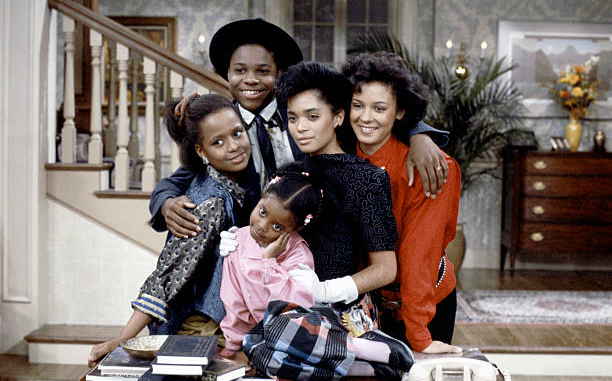
When The Cosby Show premiered in 1984, it redefined the landscape of television, introducing viewers to the vibrant lives of the Huxtable family.
Blending humor with poignant social commentary, the show became a cultural touchstone that resonated with audiences across the nation, forever altering the portrayal of African American families on screen. At the heart of The Cosby Show was the charming and relatable Huxtable family, led by the indomitable Cliff (Bill Cosby) and the elegant Clair (Phylicia Rashad). The show was revolutionary, showcasing an affluent African American family that defied stereotypes and celebrated the complexities of modern life. Cliff’s playful wisdom and Clair’s fierce intelligence made them not only a loving couple but also role models for viewers.
The Huxtables became a symbol of pride and representation, inspiring countless viewers to pursue their dreams and challenge societal norms. As much as The Cosby Show is celebrated, it also exists in a complex legacy. The show’s impact has been overshadowed by the serious allegations against Bill Cosby, sparking debates about how we reconcile our affection for art with the actions of its creators. While the Huxtables brought joy to many, the darker chapters of Cosby’s life serve as a reminder of the complexities that often accompany fame.
Despite the controversies surrounding its star, the themes of love, family, and resilience that The Cosby Show portrayed remain timeless. The laughter shared around the dinner table, the lessons learned through life’s ups and downs, and the unwavering support of family continue to resonate today. The Huxtable family’s journey reminds us of the importance of community, understanding, and empathy.
The Cosby Show was more than just a sitcom; it was a groundbreaking exploration of family and culture that captured the hearts of millions. Its legacy is one of laughter, love, and complexity, reminding us that the stories we tell shape our understanding of each other. As we reflect on this iconic series, we acknowledge both its achievements and its challenges, celebrating the impact it has had on television history and on the lives of those who watched it.


 President Donald Trump is expanding U.S. military forces in the Middle East, giving his administration broader options to intensify operations against Iran as the conflict enters its fifth month and Tehran continues threatening commercial shipping through the Strait of Hormuz.