Danh mục: Chưa phân loại

  • Madylin Sweeten’s Remarkable Journey After Everybody Loves Raymond 


    1af Copy

    Have you ever wondered what happens when the cameras stop rolling on a massive hit show? For millions of us, the Barone family on Everybody Loves Raymond felt like our own neighbors. We watched Ally Barone grow from a little girl into a young woman right before our eyes. But while we were eating dinner and laughing at Ray’s antics, the actress behind the character—Madylin Sweeten—was living a life that was both incredibly unique and surprisingly normal.

    It’s easy to label former child stars with the tired cliché of “burning out,” but Madylin’s story is the exact opposite. It’s a masterclass in resilience, artistic growth, and choosing your own path when the world expects you to fit into a pre-written script.

    Those Early Days: The Raymond Era

    When Madylin stepped into the role of Ally Barone in 1996, she wasn’t just another kid on set. She became the heartbeat of the Barone children. For nine seasons, she balanced schoolwork with the grueling demands of a top-rated sitcom. Can you imagine doing your algebra homework between takes while the rest of the world is tuning in to watch you grow up? That was her reality. She was professional, sharp, and quickly became a staple of American living rooms.

    The Myth of the Child Star Curse

    Hollywood loves a tragic story. We’ve all seen the documentaries about child stars who lose their way, fall into bad habits, or struggle to find meaning once the sitcom contracts dry up. But Madylin Sweeten didn’t fall into the trap. She treated acting as a craft, not a validation of her worth. She understood early on that fame is a side effect, not the goal. This perspective allowed her to navigate the transition from child to adult with a level of maturity that is frankly rare in Tinseltown.

    The Transition: Choosing Art over Fame

    After Everybody Loves Raymond wrapped in 2005, a lot of actors would have rushed to sign on to the next big network show to keep the momentum alive. Madylin chose a different route. She didn’t chase the limelight; she chased the art. She dove into independent films, theater, and creative projects that allowed her to stretch her acting muscles in ways a sitcom never could. She didn’t want to be “Ally Barone” forever; she wanted to be Madylin.

    Handling the Unimaginable: Finding Strength Through Tragedy

    We have to talk about the harder chapters, too. When Madylin lost her brother, Sawyer Sweeten, in 2015, the world lost a bright light. It was a tragedy that rocked the Everybody Loves Raymond family and deeply affected Madylin. Watching how she navigated that grief—with grace, support for her family, and an unwavering commitment to mental health awareness—showed the world who she really is. It wasn’t about being a celebrity; it was about being a sister. That kind of real-world struggle defines character much more than any script ever could.

    Meet Sawyer Sweeten's family after siblings Madylin and Sullivan speak out  in emotional Everybody Loves Raymond reunion

    Why She Stepped Into Sketch Comedy

    Did you know Madylin has a wicked sense of humor? She didn’t just stick to drama. She threw herself into sketch comedy, which is basically the high-wire act of the acting world. If you’ve ever watched her work in web series or sketch troupes, you see a completely different side of her. She’s unfiltered, quick-witted, and clearly having a blast. It’s refreshing to see someone who was known for being the “level-headed kid” on a sitcom turn around and play characters that are totally off the wall.

    The Pivot to Producing and Writing

    Acting isn’t the only string in her bow. Madylin realized that in Hollywood, if you want to tell good stories, sometimes you have to build the table yourself. She moved behind the scenes, getting involved in producing and writing. This is the hallmark of a smart professional. She’s not just waiting for the phone to ring; she’s creating the work she wants to see.

    The Sweeten Sibling Bond

    The Sweeten family was a unit. Working alongside your siblings—like Madylin did with Sawyer and Sullivan—could have easily created tension, but by all accounts, it strengthened their bond. Growing up in a trailer on a studio lot creates a specific kind of sibling dynamic. They were a team. Even today, the legacy of that team remains a huge part of how Madylin approaches her work: as a collaboration.

    Life Beyond the Hollywood Hills

    People often forget that celebrities have lives that don’t involve red carpets. Madylin has managed to keep a relatively grounded personal life. She isn’t constantly splashed across the tabloids for the wrong reasons. She found a balance between being a public figure and having a private reality. That is a massive achievement in an industry that loves to invade your personal space.

    Breaking Out of the “Sitcom Box”

    Typecasting is the silent killer of acting careers. You spend ten years playing one role, and suddenly, that’s all casting directors can see. Madylin fought against that. She took roles that were gritty, complicated, and sometimes unlikable. She wanted to prove she could play more than just the sweet, sensible daughter. And looking at her resume now, she succeeded.

    The Influence of Her On-Screen Parents

    She grew up with Ray Romano and Patricia Heaton as her “TV parents.” You can’t spend nearly a decade around that kind of talent without picking up a few things. She absorbed their work ethic, their timing, and their ability to stay humble. She often speaks about the lessons learned on set, not just about acting, but about how to treat people—from the janitor to the executive producer.

    Why Audiences Are Still Rooting for Her

    Why do we care? Because we feel like we know her. There is a sense of ownership we feel over child stars. We want them to win. When we see Madylin thriving—producing her own work, speaking her mind, and growing as an artist—it feels like a personal victory. We want the kids from our favorite shows to turn out okay, and Madylin Sweeten isn’t just “okay.” She’s doing great.

    Her Take on the Industry Today

    Madylin has been vocal about the changes in the industry. She’s seen the shift from traditional network TV to the streaming-dominated landscape. She navigates these changes by staying adaptable. She knows that in 2026, you can’t just rely on a resume; you have to have a brand, a voice, and an audience.

    The Importance of Mental Health Advocacy

    If there is one thing that has truly defined her journey, it is her openness. She doesn’t hide behind a curated Instagram aesthetic. She talks about the realities of life, the importance of therapy, and the necessity of checking in on the people you love. She uses her platform to normalize talking about our struggles. That is a role worth playing.

    What’s Next for Madylin?

    What does the future hold? Knowing Madylin, it’s probably something you won’t expect. She has the independence to choose projects that excite her, whether that’s a small indie feature, a digital series, or something entirely new. She isn’t playing by the standard “celebrity” rulebook, and that’s what makes her journey so fascinating to watch.

    Lessons We Can Learn from Her Path

    If we take anything away from Madylin’s career, it’s this: define your own success. Don’t let a role or a childhood job dictate the rest of your life. Keep learning, keep shifting, and keep showing up. She reinvented herself without losing the parts of her that made us fall in love with her in the first place.

    Conclusion

    Madylin Sweeten’s journey from the girl next door on Everybody Loves Raymond to the multifaceted creative she is today is nothing short of inspiring. She navigated the treacherous waters of child stardom, handled devastating loss with profound strength, and emerged as a confident, capable, and driven adult. She proved that you can have a life in the public eye without sacrificing your identity. As we watch her continue to evolve, we’re reminded that the best stories aren’t the ones written for us—they’re the ones we write for ourselves.

    FAQs

    1. Is Madylin Sweeten still acting? Yes, Madylin continues to work in the industry, taking on various acting roles in independent films, sketch comedy, and theater, while also exploring writing and producing.

    2. How did the loss of Sawyer Sweeten affect her? The loss was a profound tragedy for her family. Madylin has been open about the pain of that experience and has used her platform to advocate for mental health awareness and the importance of checking in on loved ones.

    3. Did she work with her siblings on Everybody Loves Raymond? Yes, both her brothers, Sawyer and Sullivan Sweeten, played her brothers (Geoffrey and Michael Barone) on the show, making it a true family project.

    4. Has Madylin Sweeten directed or produced? She has expanded her career into producing and writing, taking a more active role in the creative development of the projects she is involved in.

    5. What is Madylin Sweeten doing in 2026? She remains an active participant in the entertainment industry, focusing on creative storytelling, voice-over work, and collaborating on various independent projects.

    Post Views: 65

  • The hidden grief behind Everybody Loves Raymond: A look back at Sawyer Sweeten’s death md04

    1498592242 gettyimages

    We all remember the Barone family. For nine glorious seasons, Everybody Loves Raymond brought laughter into our homes, centering on the chaotic, relatable, and often hilarious dynamics of a Long Island clan. At the heart of that chaos were the twins, Geoffrey and Michael Barone, played by real-life brothers Sawyer and Sullivan Sweeten. They were the cute, wide-eyed kids who mostly stayed in the background, offering sweet comic relief. But behind the scenes, life for these young actors—and eventually, the tragedy that struck their family—remains one of the most heartbreaking chapters in sitcom history.

    The Early Years on the Set

    Sawyer Sweeten started on the show when he was just a toddler. Can you imagine growing up on one of the most successful sets in television history? He spent his formative years surrounded by Ray Romano, Patricia Heaton, and the late, great Doris Roberts. For Sawyer, the Everybody Loves Raymond set wasn’t just a place of work; it was a second home, a place of stability, and a second family.

    Growing Up in the Spotlight

    It’s a strange thing, being a child star. You’re famous before you even understand what the word means. Sawyer navigated those high-pressure years with relative grace, but like many child actors, he eventually moved away from the limelight once the show ended. He tried to find normalcy in a world that often demands perfection from those who grew up in the public eye.

    The Shocking News That Stunned the World

    In April 2015, the news broke, and it felt like the air left the room for fans everywhere. Sawyer Sweeten, only 19 years old, had taken his own life while visiting family in Texas. The suddenness of it left his co-stars, his family, and his fans in a state of absolute, profound shock. How does someone so young, someone we watched grow up right before our eyes, just disappear?

    The Grief of the Barone Family

    When you work with someone for nine years, you don’t just “co-star” with them; you raise them. Ray Romano and Patricia Heaton were devastated. Their public tributes weren’t just rehearsed statements; they were the raw, unfiltered expressions of parents who had watched a bright light go out far too soon.

    Understanding the Complexity of Mental Health

    We often look at child stars and assume they have the world at their feet. But mental health struggles don’t care about your resume, your fame, or your bank account. Sawyer’s death became a somber, necessary reminder that behind the laughter on screen, there is often a private, silent battle raging that even the closest loved ones might not fully see.

    The Impact on His Twin, Sullivan

    If the world felt the loss, imagine what it was like for Sullivan, Sawyer’s twin brother. They weren’t just brothers; they were two sides of the same coin, sharing not only their genetics but the unique, surreal experience of growing up as Barone kids. The depth of that grief is something most of us can only imagine, and our hearts remain with him.

    The Legacy of Geoffrey Barone

    While Sawyer played the character of Geoffrey, he brought a specific, quiet charm to the role that was entirely his own. He wasn’t the loudest Barone, but he was essential to the fabric of the show. Every time we watch those old episodes, we aren’t just seeing a character; we are seeing a piece of a young man who left us way too early.

    Why Grief Lingers for Sitcom Stars

    Why do we grieve for sitcom actors who haven’t been on our screens in years? It’s because they are part of our emotional architecture. We invited them into our living rooms every week. They provided comfort, laughter, and a sense of routine. When a piece of that puzzle is lost, we feel a genuine, personal sense of sorrow.

    The Danger of the ‘Child Star’ Label

    We tend to label people for the rest of their lives based on their childhood roles. It can be suffocating. Sawyer was much more than Geoffrey Barone, yet the world often saw him through that lens. Breaking free from that image is a challenge every child star faces, and it’s a burden we often ignore.

    Honoring Him Through Awareness

    The best way to honor a loss like this is to talk about it. By acknowledging the struggle, we remove the stigma. Sawyer’s death pushed the conversation around mental health in the entertainment industry into the light, forcing people to stop looking at child stars as “products” and start seeing them as people.

    How the Cast Kept His Memory Alive

    In the years since his passing, his co-stars have consistently spoken about his sweetness, his kindness, and his light. They’ve ensured that the world remembers him not just for how he died, but for the joy he brought to the people who knew him best.

    The Importance of Community Support

    Grief is not a solo journey. The outpouring of support from fans to the Sweeten family showed that even in the digital age, a community can form around loss. It’s a testament to the power of human empathy.

    Looking Back Without Regret

    It’s easy to ask “what if?” or “why didn’t anyone see it?” But those questions only serve to weigh us down. Instead, we should focus on the impact he made and the joy he provided. He was a part of something that made the world a little lighter, and that is a meaningful contribution to any life.

    The Responsibility of the Media

    How we talk about tragedy matters. The way the media handled Sawyer’s death was a turning point in how outlets report on mental health. There was a shift toward more respectful, informative, and compassionate storytelling, moving away from sensationalism.

    Finding Peace in the Memories

    While the pain of his absence remains, we can find peace in the laughter he left behind. Every time we catch a rerun, we are reminded of the sweet, observant kid who helped make Everybody Loves Raymond a classic. That is a kind of immortality.

    Conclusion

    Grief is a strange, winding road. It doesn’t have an expiration date, and it certainly doesn’t follow a schedule. Sawyer Sweeten’s death was a stark, painful reminder that the people we watch on screen are human beings with real struggles, real hearts, and real lives that can change in an instant. We honor him best by being kinder to ourselves and to those around us, and by remembering that everyone we meet is fighting a battle we know nothing about. Sawyer’s light may have been extinguished far too soon, but the warmth he shared continues to be felt by everyone who calls him part of their own television family.

    FAQs

    1. Who was Sawyer Sweeten in Everybody Loves Raymond? Sawyer Sweeten played Geoffrey Barone, one of the twin sons of the main characters, Ray and Debra Barone, throughout the show’s nine-season run.

    2. When did Sawyer Sweeten pass away? Sawyer Sweeten tragically passed away on April 23, 2015, at the age of 19.

    3. What was the cause of Sawyer Sweeten’s death? Sawyer Sweeten died by suicide while visiting family in Texas.

    4. How did the Everybody Loves Raymond cast react to his death? His co-stars, including Ray Romano and Patricia Heaton, were devastated and expressed their deep sorrow, describing him as a kind, wonderful young man who was a joy to work with.

    5. How is Sawyer Sweeten remembered today? He is remembered by fans and co-stars alike as a talented actor who grew up on screen, bringing joy to millions through his performance as Geoffrey Barone.

    Post Views: 346

  • Visiting Niece’S Sweet Visit Spirals Into Demonic Soap Spoof As Exorcist Parody Erupts Mid Scene


    Article Image 1

    The clip opens on familiar turf for fans of the long-running variety hit, the cobblestone avenues of Kanawha Falls. This is the fictional hamlet that hosts “As the Stomach Turns,” the show-within-a-show soap parody that has anchored the program for years.

    Today’s episode, drawn from the seventh season, plunges viewers straight into the chaos of Marion’s small-town weekend. Our frazzled heroine stands at the heart of the storm, hands already fluttering with worry.

    She confides to a neighbor that her mysteriously orphaned niece Raven is arriving by bus from Washington, D.C. Marion gushes that Raven is “a sweet innocent little girl” who will “never give me a moment of worry.” The line lands like a dare, a perfect setup for the mayhem about to unfold.

    The doorbell rings, and in sweeps Raven, played by Bernadette Peters with a radiant, almost suspiciously wholesome smile. She bears gifts from the capital, including cherry blossoms and a box of Martha Washington candy.

    She sings a sunny greeting that sounds sweet on the surface but somehow carries an odd chill underneath. Before Marion can protest, Raven “accidentally” crushes the vase of flowers in her arms.

    “Oh dear,” Raven chirps, in a voice pitched just a touch too high. “I’m so sorry, Grandmother.” The word lands hard, since Marion has not once introduced herself as anyone’s grandmother.

    The vase lies in shards at her feet, and the parlor suddenly feels colder than the drafty room should allow. Marion clutches her pearls and stares at her visitor with growing unease.

    Raven next plucks the candy box from her bag and tosses it casually into the dirt outside the door. She announces that the room is freezing, even though she herself admits she does not feel any chill.

    Marion shuffles toward the kitchen, already sensing trouble brewing beneath her niece’s perfect posture. The audience can feel the sketch tilting toward darker territory.

    The mood shifts when Raven stares down at Marion’s swollen wrist and calmly predicts a flare-up of bursitis. The diagnosis is delivered with eerie precision, as if she had somehow read the script of Marion’s medical chart.

    Then her smile slips, and something darker flickers behind her eyes. A long, theatrical pause stretches across the parlor.

    Suddenly, Raven’s voice drops an octave, and her head begins to rotate in an unmistakable horror-film tribute. She announces, in a guttural growl, that she is “possessed” and demands to be called “Grandmother” again.

    Marion screams, clutches a chair, and dials the only number she can think of in her panic. The comedic pivot from soap to supernatural has landed with full force.

    “Auto Black Flag, Canawha Falls’ leading exterminator,” Marion blurts into the receiver, her voice quavering with fear. “Please hurry.

    I have a situation.” The operator on the other end apparently takes such calls in stride, because a knock arrives within seconds at the parlor door. Marion hangs up and braces herself for whatever is about to walk through.

    The door opens to reveal a shaggy, wild-haired opportunist in a rumpled coat. He introduces himself as a freelance exorcist, a career pivot he made after a horror film caught on at the local movie theater.

    Article Image 2

    Pest control, he explains with a shrug, just wasn’t paying the bills anymore. So he rebranded on the fly and never looked back.

    The self-styled wizard leans casually against the doorframe, brandishing a tattered spell book. He sizes up Raven, who by now is levitating slightly off the floor and making theatrical hand gestures.

    “A routine possession,” he assures Marion with practiced calm, “well within my wheelhouse.” Marion relaxes, just a fraction, at his confident tone. He then launches into a boastful résumé, recounting a previous case in Chicago.

    He blames that incident on the June Taylor Dancers, whose rhythmic tapping allegedly summoned the wrong spirits. He taps his own fingers against the spell book as he speaks, illustrating the curse with broad comedic gestures.

    Marion nods politely, not understanding a single word. Raven, unimpressed by the newcomer, lets out a low demonic chuckle and declares he has “no powers over me.” The exorcist flips through his book, pretending to search for the correct Latin phrase.

    Marion wrings her hands and urges him to hurry, calling him “old mighty wizard” in her flustered distress. The audience howls at her polite desperation.

    The exorcist insists, in a deeply earnest tone, that evil can only be defeated through “goodness and purity.” He asks Marion to fetch a candelabra and a bowl of spring water, both standard ritual items in his improvised trade. Marion dashes off, leaving Raven to taunt the wizard alone for a brief moment.

    Raven grins a grin that does not reach her eyes. The wizard plants his feet and squares his shoulders, channeling what he calls his “purity reserves.” He begins a long incantation that sounds suspiciously like a recipe for tapioca pudding.

    Raven rolls her eyes, or at least her head does, in a slow theatrical circle that draws gasps from the offstage audience. The laughs keep coming in waves.

    Marion returns with the candelabra just as the wizard’s voice rises to a theatrical crescendo. She places the bowl of water on the parlor table and lights the candles with trembling hands.

    The three characters freeze in tableau as the wizard prepares to unleash his grand ritual. The audience leans forward in anticipation.

    The clip ends on a deliberate cliffhanger, just before the exorcist completes his spell. Raven cackles one last demonic warning, and Marion clasps her hands in prayer.

    The wizard raises the spell book high, and the scene cuts to black with the audience left howling in laughter at the absurd spectacle. The sketch earns its applause in full.

    Throughout the bit, the comedy thrives on contrast. Marion’s 1950s-style decorum, with its polite small talk and genteel pearls, sets up every supernatural gag perfectly.

    Bernadette Peters delivers Raven’s transformation with a brilliant shift from perky innocence to theatrical menace, never overplaying the demonic beats. The whole sequence lands as affectionate parody.

    The exorcist, meanwhile, plays the perfect comic foil to both women, treating his profession with mock solemnity. His improvised backstory, the June Taylor Dancers, and his tapioca-pudding incantation all land as gentle jabs at horror film conventions.

    Article Image 3

    The show’s signature blend of sentimental warmth and broad physical comedy is on full display for the entire runtime. Even by the standards of a variety show famous for stretching its sketches into operatic chaos, this clip pushes the parody to wild extremes.

    The creators trust their audience to follow the laughs from sunny soap to spooky possession without missing a beat. The result is a perfectly paced slice of television history that still plays well decades later.

    For fans revisiting the episode, the segment remains a highlight of the show’s seventh-season run. It showcases Bernadette Peters’ gift for shifting between sweet and sinister in a single scene.

    It also reminds viewers why “As the Stomach Turns” became one of the most beloved recurring bits on the program. The chemistry on screen is undeniable.

    The Carol Burnett Show built its legacy on sketches that mixed warmth with wildness, sentiment with slapstick. This particular clip captures that balance with grace, finding laughs in both the cozy parlor and the supernatural chaos.

    It is the kind of television moment that rewards rewatching, revealing new comic beats on every viewing. New fans continue to discover it online.

    The producers clearly relished the chance to spoof the horror genre that was booming at the time. They dressed the parlor in cheerful curtains and lace doilies, then staged the supernatural chaos against that wholesome backdrop.

    The clash of tones is exactly what made the program a cultural touchstone. It is parody done with affection rather than contempt.

    Bernadette Peters, then a rising star, used the role to display remarkable range within minutes of screen time. She could pivot from sweet niece to guttural villain without breaking the comic spell.

    Her timing, her arched eyebrow, her slow head turn all land as expert physical comedy. The sketch offered her a perfect showcase for her gifts.

    The supporting cast, including the frazzled heroine and the rumpled exorcist, anchor the mayhem with seasoned timing. They allow the bigger comic moments to breathe while keeping the soap-opera framing intact.

    By the end, the audience has laughed at voodoo, vaudeville, and visit-from-the-capital all in one tight scene. That balance is no small feat.

    For longtime viewers, the clip also serves as a time capsule of late-1970s television. The fashions, the decor, the references to Martha Washington candy and the June Taylor Dancers all place it firmly in its era.

    Yet the comedy itself feels timeless, which explains its continued popularity online. Good parody, it turns out, ages far better than most.

    Ultimately, the sketch earns its place in the show’s catalog through sheer comic discipline. Every gag is set up by the previous one, and every payoff lands where it should.

    The cliffhanger ending, with the wizard mid-spell and Raven mid-cackle, leaves viewers delighted and wanting more. It is variety television operating at the very top of its game.

  • Hollywood Diva Faces A $250 Bug Spray Commercial With A Puppet Rival


    Article Image 1

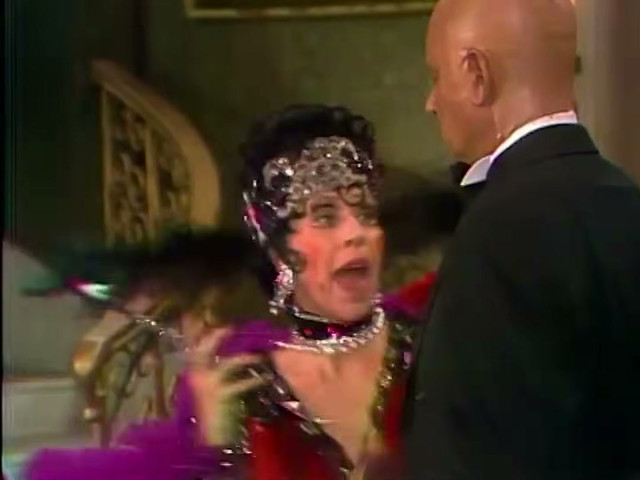
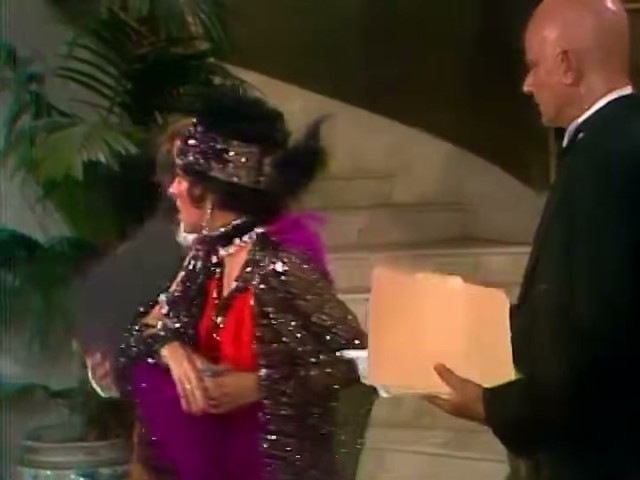
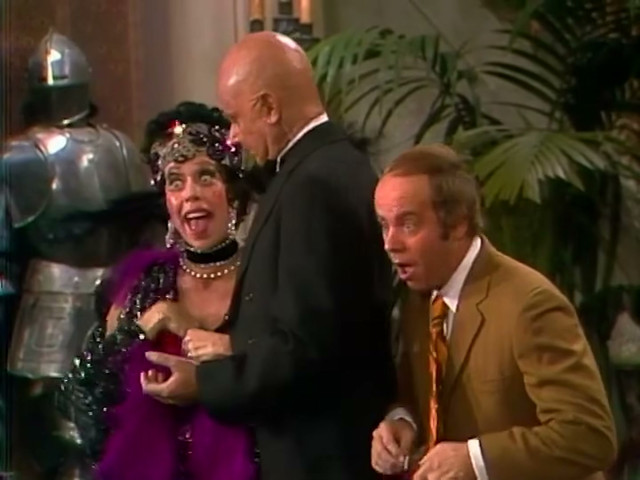
    The Carol Burnett Show turned Hollywood fantasy into comic chaos with a sketch that sent a legendary screen image crashing into everyday advertising reality. The Season 6 performance revived Carol Burnett’s famous parody of a faded silent-film icon, placing her inside a mansion filled with dramatic illusions and impossible expectations.

    The scene opened with a grand entrance into a world where old Hollywood still seemed alive. A loyal butler moved through the mansion as if every moment belonged on a movie set.

    Then came an unexpected interruption. An advertising representative arrived with a simple proposal that immediately threatened the fragile fantasy surrounding the glamorous resident.

    The visitor wanted a television commercial for bug spray. The offer was practical, inexpensive, and completely beneath the enormous standards of the actress at the center.

    Burnett’s performance transformed the meeting into a battle between ego and reality. Every pause, gesture, and expression showed a performer convinced that history still waited for her.

    The advertising representative revealed the budget was only $250. That number alone created a storm of disbelief from a woman who expected royal treatment.

    The actress rejected the idea with theatrical outrage. She imagined herself returning to legendary roles instead of appearing in a modest product advertisement.

    Her demands grew larger with every moment. She wanted a million-dollar payment, complete creative control, and the respect she believed belonged to a true star.

    The comedy came from the enormous gap between her expectations and the tiny commercial opportunity. The sketch built tension through exaggerated confidence and perfect timing.

    Instead of accepting defeat, the advertising team adapted. They decided to give her the power she demanded while keeping their unusual commercial plan alive.

    The production shifted when the agency introduced the other performer. The supposed co-star was not another Hollywood legend but a hand puppet named Billy Bedbug.

    The puppet arrived with surprising confidence and a reputation that created even more frustration. The agency claimed Billy had experience and commercial success beyond expectations.

    Suddenly, the struggling star faced a new humiliation. Her puppet partner appeared to receive the kind of attention she believed she deserved.

    Burnett played the rivalry with complete commitment. She treated the puppet as both a threat and a potential path back to fame.

    The sketch pushed the absurdity further through a series of dramatic reactions. Every interaction became a grand emotional event worthy of a classic film.

    Article Image 2

    She imagined a future filled with attention, luxury, and celebration. Even the puppet became part of her enormous vision of renewed stardom.

    The performance then shifted into a parody of old Hollywood romance. Burnett embraced the exaggerated emotions of silent-era storytelling with fearless physical comedy.

    Her character created elaborate dreams around her unlikely co-star. The contrast between the tiny puppet and the massive fantasy made the scene increasingly hilarious.

    The actress then prepared for the commercial with the seriousness of a historical epic. A simple bug-spray advertisement became a legendary mission in her imagination.

    The sketch transformed the product into a battlefield of theatrical importance. Burnett’s dramatic movements made the ordinary assignment feel like a once-in-a-lifetime event.

    Her famous high-pitched scream became a major comic moment. The sudden burst of sound matched the character’s unstoppable passion and oversized personality.

    The scream was not just a joke but a reminder of Burnett’s physical comedy skills. She could turn a small reaction into a memorable television moment.

    The performance also used conversations with the butler to reveal the character’s self-awareness. Those moments allowed the audience to share the joke from outside the fantasy.

    The butler served as a connection between the mansion’s illusion and the audience’s understanding. His reactions highlighted the increasing absurdity of every dramatic decision.

    As filming began, the commercial became something completely different from the agency’s original idea. It turned into a full-scale performance filled with exaggerated emotion.

    The director’s calls and the actress’s choices created a battle over control. The sketch showed how ambition could become its own source of comedy.

    Billy Bedbug continued stealing attention despite being a simple hand puppet. The joke worked because the unlikely performer seemed to become the biggest star.

    Burnett’s commitment made the rivalry believable within the sketch’s strange universe. She never played the situation as small, which made every moment more entertaining.

    The commercial eventually reached its wildly dramatic conclusion. The actress treated the moment like a historic achievement rather than a brief advertising appearance.

    The final scenes delivered the sketch’s biggest twist. Instead of accepting a small role, she imagined herself receiving the highest possible recognition.

    She held onto the fantasy of victory with complete confidence. The imaginary award represented her character’s endless desire for admiration and importance.

    Article Image 3

    The closing moments celebrated the ridiculous journey. The actress thanked her unusual partner while maintaining the grand attitude that defined the entire performance.

    The sketch succeeded because it combined several styles at once. It blended Hollywood parody, physical comedy, emotional exaggeration, and clever television satire.

    Burnett’s portrayal captured a familiar entertainment theme. Some performers struggle to accept that fame and reality can move in different directions.

    The commercial setting made that theme even sharper. A tiny advertising job became the perfect stage for a massive personal drama.

    The puppet rivalry added another layer of surprise. The joke was not simply about a star losing attention but about discovering comedy in unexpected places.

    The episode reflected the strengths that made The Carol Burnett Show memorable. It trusted performers to build elaborate worlds from simple ideas.

    The sketch also showed Burnett’s ability to transform frustration into laughter. Her character’s disappointment became a celebration of theatrical imagination.

    Decades later, the performance remains a standout example of television comedy. It captured the excitement of a performer willing to go completely over the top.

    The clash between old glamour and a low-cost commercial created the central joke. A fading fantasy collided with a very ordinary business decision.

    Through every dramatic demand and impossible reaction, Burnett maintained control of the chaos. The result was a comedy piece built on confidence and precision.

    The puppet co-star became the perfect symbol of the sketch’s message. Even the smallest role can create the biggest surprise when timing is right.

    The ending left audiences with a final image of exaggerated triumph. A fictional award ceremony became the perfect conclusion to an unforgettable comic performance.

    At its heart, the sketch was about the power of imagination. The character refused to see a simple advertisement as anything less than a historic event.

    That refusal created the comedy. The bigger the fantasy became, the funnier the distance between expectation and reality appeared.

    Carol Burnett’s work in the sketch showed why her performances became television landmarks. She transformed a strange premise into a fully realized Hollywood adventure.

    The result was a memorable collision of celebrity parody and everyday absurdity. A small bug-spray commercial became a stage for one enormous comic dream.

  • Kami Cotler Comforted a Lonely Boy After a School Play One Simple Act of Kindness Inspired a Lifetime of Giving Back – S T O R Y T E L L I N G


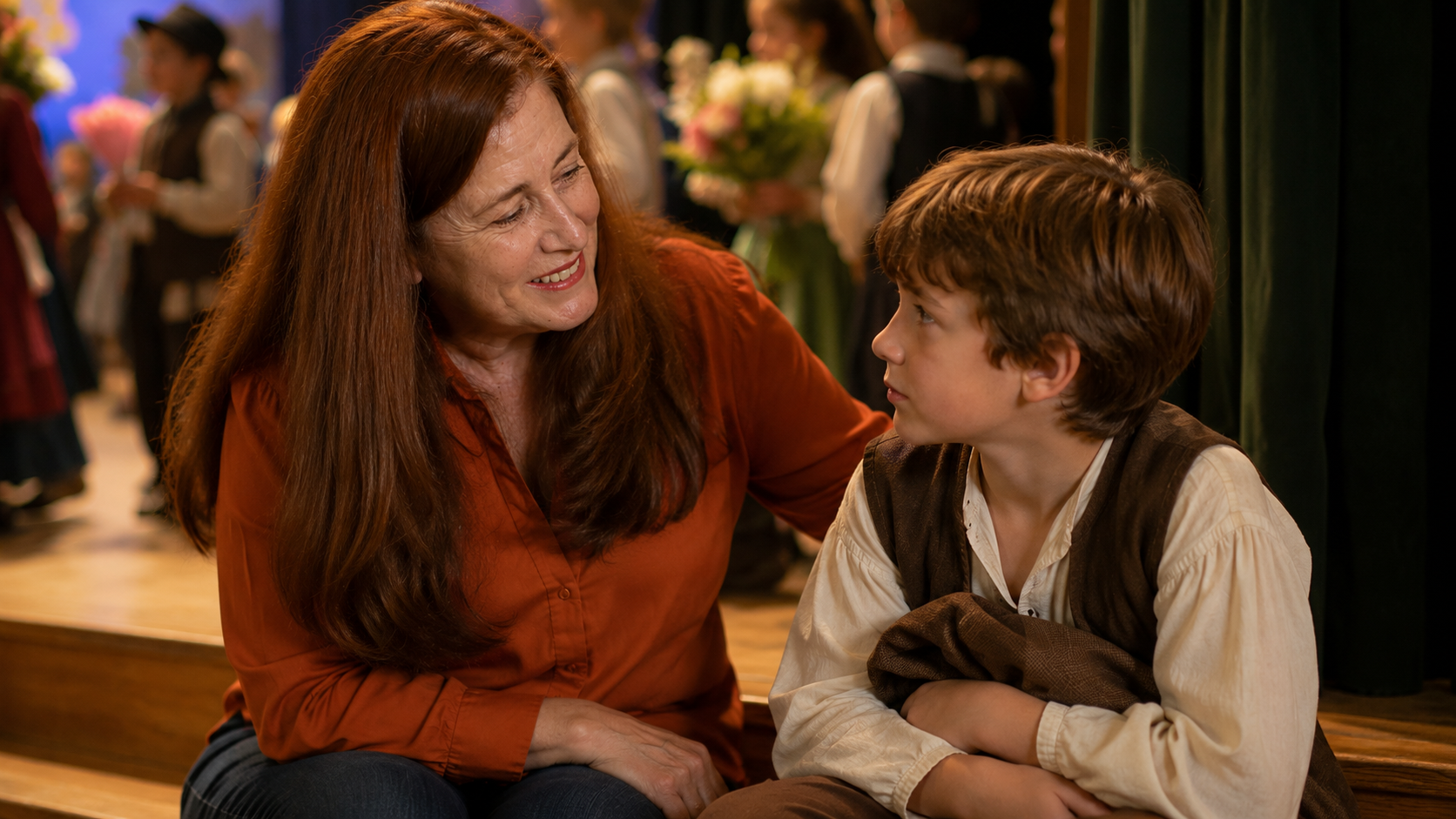
    The old community theater buzzed with excitement as families filled every seat. Parents carried bouquets of flowers. Grandparents held cameras, eager to capture every smile. Children peeked nervously from behind the curtains, waiting for the school play to begin.

    Among the honored guests that evening was actress and educator Kami Cotler. Though known by many for her beloved television role, Kami had spent much of her life working with children, encouraging them to believe in themselves. She had accepted the invitation because she loved seeing young people discover confidence through the arts.

    The play was simple—a story about friendship, courage, and helping others. The costumes were homemade, the stage decorations painted by volunteers, and every child had practiced for months.

    Kami smiled through the entire performance.

    The children forgot a few lines, laughed at unexpected moments, and even knocked over a cardboard tree. The audience applauded louder each time, making every little mistake feel like part of the magic.

    When the final curtain fell, parents rushed backstage.

    “You were wonderful!”

    “We’re so proud of you!”

    Flowers, hugs, and laughter filled every corner of the room.

    But hidden behind an old curtain sat one little boy.

    His name was Ethan, and he quietly hugged his costume to his chest.

    No one had come.

    His mother had passed away years earlier, and his father worked long hours driving trucks across the country. Ethan lived with his elderly grandmother, who had become ill that morning and couldn’t attend.

    He had told everyone she would come.

    He kept looking toward the backstage door anyway.

    Maybe she would still arrive.

    Minute after minute passed.

    Children left one by one.

    Soon the hallway grew quiet.

    Kami was preparing to leave when she noticed the small figure sitting alone.

    She gently walked over.

    “Mind if I sit here?” she asked softly.

    Ethan looked up, surprised.

    “It’s your seat,” he whispered.

    Kami smiled.

    “I think it’s ours for a little while.”

    She sat beside him without saying anything else.

    Sometimes silence can be kinder than questions.

    After a minute Ethan quietly asked, “Did I mess up?”

    Kami looked at him with warm eyes.

    “I didn’t see someone who messed up.”

    “You didn’t?”

    “I saw someone who kept smiling even after forgetting a line.”

    Ethan lowered his head.

    “No one came.”

    Kami nodded gently.

    “I’m sorry.”

    He tried not to cry.

    “My grandma wanted to. She really did.”

    “I believe you.”

    That simple sentence broke the wall around his heart.

    Tears rolled down his cheeks.

    Kami handed him a tissue from her purse.

    “You know,” she said, “sometimes life keeps the people who love us away. But it never changes how proud they are.”

    “You think Grandma is proud?”

    “I know she is.”

    Ethan finally smiled.

    Only a little.

    But it was the first smile he’d worn all evening.

    A volunteer approached.

    “Ms. Cotler, everyone’s waiting to meet you.”

    Kami looked toward the growing line.

    Then back at Ethan.

    “They can wait.”

    For nearly thirty minutes, she stayed beside him.

    They talked about school.

    Favorite books.

    Baseball.

    Drawing.

    And his dream of becoming a teacher one day because “teachers never leave kids alone.”

    Kami listened carefully.

    She never rushed him.

    Before leaving, she reached into her bag and pulled out a small notebook with a blue cover.

    She wrote a message on the first page.

    She handed him the notebook.

    “This belongs to you now.”

    Ethan held it carefully, almost afraid to touch it.

    “I’ll never lose it.”

    “I believe that too.”

    Before leaving, Kami gave him one gentle hug.

    “It was an honor watching you perform.”

    No one took a picture of that moment.

    No newspaper wrote about it.

    There were no headlines.

    Only one lonely little boy who went home believing he mattered.

    That night Ethan showed the notebook to his grandmother.

    She cried as she read the words.

    She kissed his forehead.

    “One day,” she whispered, “I think you’ll help people the way she helped you.”

    Years passed.

    Life wasn’t easy.

    Ethan worked after school delivering newspapers.

    Later he stocked grocery shelves.

    He earned scholarships by studying late into the night.

    Whenever life became difficult, he opened the blue notebook.

    The words never changed.

    But somehow they always seemed to say exactly what he needed.

    When college graduation arrived, Ethan chose education.

    Just as he’d once dreamed.

    His professors noticed something unusual.

    He remembered every student’s name.

    He stayed after class to help struggling children.

    He never ignored the quiet kid sitting alone.

    When asked why, Ethan would simply smile.

    “Because someone once stayed with me.”

    By the time he turned thirty-five, Ethan had become one of the most beloved teachers in his state.

    But his greatest work was only beginning.

    One rainy afternoon, he noticed a student eating lunch alone.

    The child reminded him of himself all those years ago.

    Instead of walking past, Ethan sat down.

    Exactly as Kami once had.

    “Mind if I sit here?”

    The boy looked surprised.

    “It’s your seat.”

    Ethan smiled.

    “I think it’s ours.”

    At that moment, without realizing it, Ethan had passed along the same kindness that had once saved him.

    And soon, that single act would grow into something far bigger than anyone could have imagined.

    Part 2: Kami Cotler Comforted a Lonely Boy After a School Play — One Simple Act of Kindness Inspired a Lifetime of Giving Back

    Ethan never forgot the evening Kami Cotler sat beside him after the school play.

    Now, as a teacher, he found himself doing the same for children who felt invisible.

    The little boy he had joined at lunch that rainy afternoon was named Noah. He had recently moved to town and struggled to make friends. While the other students laughed and played outside, Noah quietly ate his sandwich with his eyes fixed on the table.

    Ethan didn’t ask why he was alone.

    He simply sat beside him.

    They talked about books, favorite cartoons, and Noah’s dream of becoming an artist. By the end of lunch, the boy was smiling.

    It reminded Ethan how one small conversation could change an entire day.

    Soon, Ethan made it a habit to look for children who seemed forgotten.

    Every Monday morning, he greeted each student by name.

    Every Friday afternoon, he handed out handwritten notes of encouragement instead of prizes.

    Some read:

    “You make our classroom brighter.”

    “Thank you for helping a classmate today.”

    “Never stop believing in yourself.”

    The notes cost almost nothing.

    But the children treasured them.

    Parents began writing to Ethan.

    One mother shared that her daughter had taped his note to her bedroom mirror because it reminded her she mattered.

    Another father said his son, who had struggled with confidence for years, had finally raised his hand in class after reading one of Ethan’s messages.

    Word spread through the town.

    Teachers from nearby schools came to visit his classroom.

    They weren’t there to see expensive technology or fancy decorations.

    They wanted to understand why Ethan’s students felt so cared for.

    When they asked for his secret, Ethan smiled.

    “There isn’t one,” he said. “Children remember how you make them feel.”

    Inspired by his example, several schools began their own kindness programs.

    Students wrote encouraging letters to nursing home residents.

    Families collected books for children who couldn’t afford them.

    Local businesses donated backpacks and school supplies.

    High school students volunteered to tutor younger children after class.

    What had begun with one conversation after a school play slowly grew into a community tradition.

    People called it The Blue Notebook Project, named after the notebook Ethan had kept safely for so many years.

    Inside the front cover, Kami’s message remained just as clear as the day she had written it.

    The pages behind it, however, had become filled with Ethan’s own memories.

    Names of students.

    Stories of hope.

    Lessons learned.

    Simple reminders that kindness always mattered.

    Nearly thirty years after that unforgettable school play, the town organized a celebration honoring volunteers, teachers, and community leaders who had made a difference in the lives of others.

    As part of the event, the organizers invited a very special guest.

    Kami Cotler.

    She accepted with gratitude, unaware that the evening would become one of the most meaningful moments of her life.

    When she arrived at the beautifully decorated community hall, children welcomed her with flowers and handmade cards.

    She greeted everyone warmly, never expecting to be the focus of the evening.

    After dinner, the mayor stepped onto the stage.

    “Tonight,” he said, “we celebrate someone whose kindness has reached far beyond this town. But before we honor him, we’d like to tell you how it all began.”

    A man walked toward the stage.

    Kami watched him with curiosity.

    He looked familiar, though she couldn’t place him.

    The audience rose in applause.

    “Ladies and gentlemen,” the mayor announced, “please welcome Mr. Ethan Brooks.”

    Ethan smiled as he approached the microphone.

    He looked across the room until his eyes met Kami’s.

    She smiled politely, still unsure why he seemed so emotional.

    Ethan reached into his jacket pocket.

    From a protective case, he carefully removed a small blue notebook.

    Time had faded its cover, but it was still unmistakable.

    Kami’s eyes widened.

    “It can’t be…” she whispered.

    Ethan held the notebook high.

    “Thirty years ago,” he began, “I was a little boy sitting alone after a school play. Everyone else had someone waiting for them. I thought no one noticed me.”

    The room became silent.

    “But one person did.”

    He turned toward Kami.

    “You sat beside me.”

    Tears filled Kami’s eyes as the memory slowly returned.

    “You told me my grandmother would still be proud of me.”

    He gently opened the notebook to the first page.

    Your handwriting had faded slightly, but every word was still there.

    He read aloud:

    “Never measure your worth by who was able to be in the audience. Measure it by the kindness you give the world.”

    Many people quietly wiped away tears.

    Ethan closed the notebook.

    “I’ve carried these words with me every day of my life. They helped me become a teacher. They inspired thousands of notes to students. They led to scholarships, volunteer projects, food drives, and friendships that continue today.”

    He looked around the room.

    “If even one child feels less alone because of something we’ve done, it all started with one woman who decided not to walk past a lonely boy.”

    The audience stood together in a long, heartfelt ovation.

    Kami covered her mouth, overwhelmed.

    When the applause finally settled, Ethan walked down from the stage and stopped in front of her.

    “I promised I would never lose it,” he said, smiling as he held out the notebook.

    “You kept your promise,” Kami replied softly.

    “So did you.”

    She hugged him tightly.

    For a long moment, neither of them spoke.

    Sometimes gratitude doesn’t need words.

    As the evening came to an end, dozens of former students approached Ethan.

    Some were nurses.

    Others were firefighters, artists, engineers, business owners, and teachers.

    Each shared a similar story.

    “You believed in me.”

    “You listened.”

    “You reminded me I mattered.”

    One by one, they explained how they were now passing that same kindness to others.

    Kami looked around the room and realized something extraordinary.

    The kindness she had shown one lonely child had never stopped growing.

    It had traveled from one heart to another, across classrooms, neighborhoods, and generations.

    Like ripples spreading across a quiet lake, one simple act had become hundreds, then thousands.

    As she prepared to leave, a little girl ran up to her holding a folded piece of paper.

    “I wrote this for my friend,” she said proudly. “Mr. Brooks says kind words can last forever.”

    Kami smiled.

    “They certainly can.”

    Walking to her car beneath a sky filled with stars, she thought back to that evening so many years before.

    She had almost hurried home after the school play.

    Instead, she had chosen to sit beside a lonely child.

    She had no idea that thirty quiet minutes would help shape a lifetime of compassion.

    And that was the beautiful truth about kindness.

    You rarely see how far it travels.

    But when it is given with a sincere heart, it can become a gift that changes not only one life, but many others for years to come.

    The End.

  • QQ.The day Tim Conway quietly rested his head on Betty White’s shoulder during a simple bench scene — and instantly stole the entire episode

    Some of the Best Comedy Happens When No One’s Trying Too Hard

    There are moments in television that stay with you long after the credits roll.

     Not because of big laughs or wild antics, but because of quiet, perfectly timed humanity. One such scene came during an episode of Hot in Cleveland, when Tim Conway and Betty White shared a simple moment on a backyard bench that turned into pure comedy treasure.

    Betty White was chatting away in her usual bright, cheerful manner. Tim Conway sat beside her, listening quietly like the old friend he was. Then, without any warning, he slowly leaned his head over and gently rested it on her shoulder. The gesture was so casual, so sweetly mischievous, that it caught everyone off guard in the very best way.

    The audience burst into laughter because it felt so real. It was the kind of thing an old married couple might do after decades together — tired, comfortable, and a little bit naughty. Conway didn’t say a word. He didn’t need to. That single, slow movement said everything.

    What made the moment even funnier was Betty White’s reaction. She kept talking as if nothing had happened, barely missing a beat, while the camera caught the delightful sparkle in her eyes. Two comedy legends who had known each other for years were simply enjoying the pleasure of making people smile. No big setup. No punchline delivered with force. Just two old pros doing what they did best.

    Tim Conway had a special talent for finding humor in the smallest things. Whether he was playing the bumbling Dorf character or delivering deadpan lines on The Carol Burnett Show, he understood that the audience loves to feel like they are in on the joke. This bench scene with Betty White was a perfect example of that gentle genius.

    For those of us who grew up watching classic television, scenes like this feel like a warm visit with old friends. They remind us of a time when comedy was allowed to be kind, clever, and unhurried. There was no need to shout or rush. The laughter came naturally because the moment felt honest.

    Even now, watching that short clip brings an instant smile. You can almost hear the studio audience chuckling along with you. It is the kind of humor that never gets old because it comes from real affection between performers who genuinely liked each other. In today’s fast-paced world, that kind of gentle comedy feels like a rare and welcome gift.

    Tim Conway gave us decades of laughter, often in the most unexpected ways. His work with Betty White, even in the later years of their careers, showed that great comedians never really retire. They simply keep finding new ways to make us feel good.

    If you have seen the clip already, you know exactly what I mean. And if you have not, treat yourself. Come back afterward and enjoy remembering just how much joy two legends could create with nothing more than a bench and a well-timed lean. Some television moments are loud and flashy, but the very best ones are quiet, warm, and wonderfully human.

  • Kami Cotler Spent One Afternoon Reading to a Shy Little Boy Twenty Years Later, His Surprise Gift Brought Her to Tears – S T O R Y T E L L I N G

    The autumn leaves drifted gently across the sidewalks of a quiet California town as families gathered for the annual community book festival. Children laughed between rows of colorful tents, local authors signed novels, and volunteers filled every corner with stories waiting to be discovered.

    Among the guests that afternoon was actress and educator Kami Cotler, who had gladly accepted an invitation to spend the day reading children’s books. She wasn’t there because of cameras or publicity. She came because she believed that stories could change lives.

    Parents and children packed the small reading area, eager to hear her gentle voice bring beloved characters to life.

    As the reading began, Kami noticed one little boy sitting alone beneath a large oak tree several yards away.

    He couldn’t have been older than eight.

    Unlike the other children, he never smiled or joined the group.

    He simply hugged an old backpack against his chest and watched from a distance.

    After finishing the first story, Kami thanked the audience and quietly walked toward him.

    “Would you like to hear another story?” she asked with a warm smile.

    The boy looked down.

    “I don’t read very well,” he whispered.

    Kami knelt beside him.

    “That’s perfectly okay,” she replied. “Stories belong to everyone.”

    His name was Ethan.

    His mother later explained that Ethan had struggled with severe shyness ever since losing his father two years earlier. Reading aloud in class terrified him. He avoided conversations whenever possible because he feared making mistakes.

    Most people assumed he simply didn’t like books.

    The truth was different.

    He loved stories more than anything.

    He was just afraid the words would fail him.

    Kami asked if she could sit beside him under the tree.

    For nearly an hour, the festival seemed to disappear.

    She read adventure stories filled with brave children, magical forests, kind strangers, and impossible dreams.

    Sometimes she paused and invited Ethan to read a single word.

    Only one.

    When he succeeded, she smiled as though he had read an entire chapter.

    Little by little, his shoulders relaxed.

    Then something remarkable happened.

    Ethan volunteered to read a complete sentence.

    His voice trembled.

    He stumbled over two words.

    He apologized.

    Kami gently shook her head.

    “No,” she said softly. “Every reader stumbles. What matters is that you keep turning the page.”

    Those words settled deep inside the boy’s heart.

    Before leaving, Kami walked with him through the festival bookstore.

    She quietly purchased three children’s novels and wrote a note inside each one.

    “Dear Ethan—Never stop believing that every great story begins with someone brave enough to read the first page. With love, Kami.”

    Ethan held the books as though they were priceless treasures.

    His mother wiped away tears.

    “You have no idea what this means,” she whispered.

    Kami smiled.

    “I think I do.”

    As the years passed, Ethan read every book he could find.

    Whenever school became difficult, he reopened Kami’s handwritten note.

    Whenever fear returned, he remembered the afternoon beneath the oak tree.

    Books slowly became his safest place.

    Then his greatest dream quietly began to grow.

    He wanted to write stories that would give lonely children the same hope someone had once given him.

    Twenty years passed.

    Kami continued teaching, speaking at schools, and encouraging young readers wherever she went.

    She never forgot that peaceful afternoon at the little festival, though she often wondered what had become of the shy boy beneath the tree.

    One spring morning, an elegant envelope arrived at her home.

    Inside was a beautifully designed invitation.

    “You are warmly invited to the grand opening of the Ethan Brooks Children’s Library.”

    Kami smiled.

    The name sounded strangely familiar.

    Curious, she decided to attend.

    She had no idea that the little boy she once encouraged had spent two decades preparing a surprise that would touch her heart more deeply than she could ever imagine.

    Part 2: The Gift That Came Back After Twenty Years

    The new library stood at the edge of a quiet neighborhood, surrounded by flowering trees and a small garden filled with wooden benches.

    Above the entrance, golden letters read:

    The Ethan Brooks Children’s Library

    Kami stepped out of the car and paused.

    Families were gathering near the front doors. Children carried books beneath their arms. Teachers, parents, and community leaders filled the walkway.

    Yet something about the building felt deeply personal.

    Near the entrance stood a large oak tree.

    Beneath it was a simple reading bench.

    Kami’s heart stirred.

    It reminded her of the tree where she had once sat beside a frightened little boy so many years before.

    A tall man in a navy suit walked toward her.

    He looked to be in his late twenties. His eyes were kind, but nervous.

    “Kami?” he asked.

    She smiled.

    “Yes.”

    The man took a slow breath.

    “My name is Ethan Brooks.”

    For a moment, Kami could not speak.

    Then she saw it.

    The same gentle eyes.

    The same quiet smile.

    The shy little boy beneath the oak tree was standing before her as a grown man.

    “Ethan,” she whispered.

    He nodded, already fighting tears.

    “You remembered me?”

    Kami reached for his hands.

    “Of course I did.”

    Ethan told her what had happened after that afternoon.

    He had taken the three books home and read them again and again.

    At first, he read only a few pages each night.

    Then a chapter.

    Then entire books.

    Whenever he felt afraid, he opened the covers and reread Kami’s message.

    Her words became a promise he made to himself.

    He would keep turning the page.

    At school, his confidence slowly grew.

    He joined the library club.

    He began helping younger students with reading.

    By the time he reached high school, Ethan had written his first short story about a lonely child who discovered courage inside an old book.

    Years later, he became a successful children’s author.

    His books were now read in classrooms across the country.

    But Ethan had never forgotten the children who still felt embarrassed, frightened, or left behind.

    So he used part of his earnings to build a free library where every child could read without pressure and receive help without shame.

    “I wanted this place to feel like that afternoon,” Ethan told her. “Quiet. Safe. Patient.”

    Kami looked toward the oak tree.

    “You built all this because of one afternoon?”

    Ethan smiled gently.

    “No. I built it because you made one afternoon feel important.”

    The opening ceremony began.

    Children gathered in front of a small stage while Ethan welcomed the community.

    He spoke about books, dreams, and the people whose kindness changes lives without ever knowing it.

    Then he invited Kami forward.

    “I have one more gift,” he said.

    Two children carried a glass display case onto the stage.

    Inside were three old books.

    Their covers were faded.

    The pages were worn.

    Kami recognized them immediately.

    They were the books she had bought for Ethan twenty years earlier.

    Each one still contained her handwritten note.

    But beneath the books was something else.

    A newly published novel titled:

    The Girl Beneath the Oak Tree

    Ethan handed Kami the first copy.

    She opened the cover.

    Inside, he had written:

    Dear Kami,

    You once gave a shy little boy three books and one hour of your time.

    That hour became his courage.

    Those books became his future.

    This library, this story, and every child who finds hope here are part of the kindness you gave without asking for anything in return.

    You taught me that dreams do not disappear when they are delayed.

    They wait quietly until someone helps us believe again.

    With endless gratitude,

    Ethan

    Kami pressed one hand to her mouth.

    Tears filled her eyes.

    The crowd grew silent.

    Ethan stepped closer.

    “I spent years wondering how I could repay you,” he said. “Then I realized kindness is not something we repay. It is something we continue.”

    Kami embraced him.

    The children began applauding.

    Many of the adults wiped tears from their faces.

    After the ribbon was cut, Ethan led Kami through the library.

    There was a room for children who struggled with reading.

    Another room offered free tutoring.

    A quiet corner had soft chairs for shy children who did not yet feel ready to join a group.

    On one wall were the words Kami had spoken long ago:

    Every reader stumbles. What matters is that you keep turning the page.

    Kami stood before the message for a long time.

    She had once said those words beneath a tree without planning them.

    She never imagined they would travel through twenty years and return as a library filled with hope.

    That afternoon, Kami sat beneath the new oak tree and read to a small group of children.

    Ethan sat nearby.

    Among the group was a nervous little girl holding a book tightly against her chest.

    When Kami invited her to read one sentence, the girl shook her head.

    “I’m afraid I’ll make a mistake,” she whispered.

    Kami smiled.

    Before she could answer, Ethan knelt beside the child.

    “Every reader stumbles,” he said softly. “What matters is that you keep turning the page.”

    The girl looked at him.

    Then she opened the book.

    Her first word came out quietly.

    The next was stronger.

    By the end of the sentence, everyone was smiling.

    Kami watched with tears in her eyes.

    The kindness had continued.

    A small moment had become a lifetime.

    One afternoon had become a library.

    And a frightened little boy had grown into a man who gave children the same courage he had once received.

    Because dreams do not always begin with grand opportunities.

    Sometimes they begin beneath an oak tree.

    With one patient voice.

    One open book.

    And one person willing to believe in us before we know how to believe in ourselves.

    THE END
  • Tim Conway’S Tongue Tied Bachelor Steals 1978 Carol Burnett Show Dating Game Spoof


    Article Image 1

    The studio lights came up on a familiar parody stage. The year was 1978, and the season six cast of The Carol Burnett Show was ready to spoof The Dating Game.

    The host walked three eager bachelorettes into place, their heels clicking against the polished floor. One of them gushed about her recent move from a small mining town out west.

    Her eyes went wide at the bright studio lights, and the energy backstage was nervous and giggly. Each woman clutched her numbered card as if it were a winning lottery ticket in a televised gamble.

    Bachelorette number one squared off with number two in a quick verbal jab. The exchange was light, petty, and perfectly tuned to the show’s ensemble rhythm.

    Number one tucked her shirt in to sharpen her look, a tiny adjustment that read as competitive theater under the studio glare. The host stepped forward to introduce the bachelor with a playful drumroll.

    He painted the man, a homegrown California boy named Milt, as having simple tastes and a sunny outlook. The card described Milt as a man who liked sports, relatives, and late nights on the town.

    The three women reacted with over the top flattery that bordered on parody within the parody. Bachelorette number one leaned in with a sugary “lovey honeypoo” greeting.

    Her voice dripped with stage rehearsed charm that pulled laughs from the audience on cue. Number two countered with a compliment about his deep voice.

    The praise was so earnest that it played as an honest sweet moment in a sketch built on wink and nudge. Number three offered a quick wink and a small wave, the softest of the three greetings, and it landed cleanly.

    The studio audience settled in for round one with a knowing chuckle. The host asked Milt how he would “turn on” a date, raising eyebrows from the panel and a smattering of laughter in the balcony.

    Milt blinked, then misunderstood the prompt on purpose. His confused stammer pulled a ripple of laughter from the studio audience.

    He asked if they meant a light switch, and the bachelorettes broke character just long enough to titter. They slid back into the bit with the practiced ease of seasoned sketch players.

    Number one offered a breathy hint about mood lighting. The delivery turned the answer into a flirtatious double entendre aimed squarely at the home viewers.

    Milt thanked her for the explanation, then turned to number two with his trademark slow burn pacing. His long pause milked every second for another small laugh.

    Article Image 2

    The first round ended with no clear winner, and Milt looked genuinely lost. The wide eyed bewilderment only deepened the comic spell of the sketch, pulling the studio deeper into Conway’s net.

    Round two opened with a question about cheese fondue. The host asked Milt what he would do with Sterno canned heat at the table.

    Milt’s eyes lit up at the mention of food, and he launched into a long tangent about melted cheese and family dinners. The bachelorettes tried to steer him back toward a real answer.

    Their gentle nudges only pushed him deeper into the pun, which Conway played with absurd patience. He stalled the line just long enough to make the audience lean forward in their seats.

    The camera caught a quick cut to a side curtain where castmates bit back smiles. The payoff landed with a loud “old flame” punchline that drew a groan from the room.

    The host pretended to write it down as a correct answer, and the studio audience rewarded the bit with warm applause. Milt bowed his head in fake embarrassment, then grinned wide at the panel.

    The exchange was pure Conway, his comic timing still in prime form after years on the variety stage. He stretched the moment into a small victory lap before the final round began.

    Round three moved into the home viewer ballot, a viewer poll question with a goofy twist. The host asked Milt to describe his ideal Sunday afternoon in three words.

    Milt paused, scratched his chin, and offered “wrestling, mother, midnight” as his answer. The panel erupted in playful protest.

    Number one fanned herself with her card, number two clutched her pearls, and number three threw her head back in laughter. The answers made no sense together, and that was exactly the point.

    Conway’s eyes darted across the panel as if counting votes. He asked the host if he could change one of the words, then tried to swap mother for aunt.

    The switch earned a bigger laugh than the original line, a small reminder of his gift for rewriting the joke in real time. The host shuffled his cue cards and tried to wrap the segment.

    Milt stalled him with a long, rambling story about his Uncle Sal. The story went nowhere, and that was the joke, drawn out beat by deliberate beat.

    The bachelorettes tried to chime in, but Milt kept talking. He told a tale of a fishing trip, a broken boat, and a fish that got away.

    By the end, the women were laughing too hard to deliver their next rehearsed line. The host finally cut in with a grin and asked Milt to pick his date.

    Article Image 3

    Milt looked at the three women, then at the camera, then back at the women. He admitted he could not choose and asked if he could take all three to a drive in movie.

    The audience howled. The host pretended to check the rule book, then shook his head with mock disappointment.

    Number one blew a kiss, number two curtsied, and number three waved the whole set off with a bright smile. The curtain music swelled as Conway broke character with a quick wink to the live audience.

    The cast shuffled into a group bow while the applause kept rolling through the fade out. It was the kind of mid season bit that reminded viewers why the show still topped the ratings.

    The sketch aired in a year crowded with classic variety television. Shows like Donny and Marie and The Sonny and Cher Comedy Hour still pulled in loyal viewers on the dial.

    Yet The Carol Burnett Show kept its edge with sketches built on character, surprise, and ensemble trust. Conway’s Dating Game spoof leaned on the same formula that had fueled the show for years.

    A familiar game show format gave the cast a structure to bend and break. Conway’s gift for misdirection turned the entire bit into a slow motion pratfall without a single pratfall at all.

    The routine also gave the three guest bachelorettes a chance to shine in supporting roles. Each one played a different flavor of delighted contestant, from sweet to saucy to sly.

    Their willingness to play along made Conway’s wandering bachelor feel even more off balance. Behind the cameras, the writing staff had rehearsed the segment for nearly a week.

    Even so, Conway’s best moments came from the bits he improvised at the edges. The Uncle Sal story and the aunt swap were added in rehearsal but shaped on the floor.

    Director Dave Wilson kept the camera loose during the long pauses. He let the wide shots breathe so the studio laughter could roll across the screen.

    The choice turned a taped sketch into something that felt live, an unusual feel for a heavily produced variety hour. Costume designer Bob Mackie had dressed Milt in a soft plaid jacket and a clip on bow tie.

    The look read instantly as a man trying a little too hard on a Saturday night date. Every wardrobe choice was another small straight line for Conway to undercut.

    The musical guest that week was close friend Steve Lawrence, a frequent visitor to the Burnett set. He watched the taping from a folding chair just off camera and laughed hardest at the cheese fondue bit.

    The cast later credited his applause with lifting the room before the final round. By the time the credits rolled, the segment had run nearly twelve minutes of stage time

  • Best Medicine review – this US remake of Doc Martin is perfect rubbish … and you need it in your life

    Best Medicine review – this US remake of Doc Martin is perfect rubbish … and you need it in your life
    Lucy Mangan
    4-5 minutes
    Well, what in the cultural cringe is going on here? Of all the things I could possibly have imagined the US would take an interest in to the point of executing a straight-to-series commission, Doc Martin would not have been one of them. And yet here we are: Dominic Minghella’s creation, starring Martin Clunes as a crotchety GP in the fictional sleepy Cornish village Portwenn, which ran for 10 series on ITV between 2004 and 2022, has been tweaked for a new market and relabelled Best Medicine because it never really worked as a pun on Dr Martens anyway. Like 99% of puns, actually, but that’s probably a discussion for another time.

    Clunes is now Josh Charles. The character’s name is Dr Martin Best instead of Ellingham, otherwise the new title wouldn’t work, and he went to Harvard medical school instead of Imperial College London. But he is still cantankerous – by medical teatime drama standards, which is to say that he barely approaches normal human levels of irritability. And he is still a vascular surgeon who developed a fear of blood, had to abandon surgery and decided instead to inflict his lack of bedside manner on the good people of Port Wenn, now two words and in Maine, where he used to stay in the summer as a child.

    His love interest remains the saintly local schoolteacher Louisa (Abigail Spencer), but this is complicated by the fact that she has recently cancelled her wedding to the local sheriff, Mark Mylow (Josh Segarra), having realised, perhaps, that she can, and should, probably do better. Louisa has spent time in New York, but knows that smalltown life suits her better. I wonder if she will help open Dr Best’s eyes to its charms, too?

    Most of the other turns – more than in the original it feels like a reach to call them characters – are present, too, providing eccentricity, charm and plotlines in roughly equal proportions. Father and son handyman duo Bert (John DiMaggio) and Al Large (Carter Shimp) have, respectively, health problems for the good doctor to investigate and an unrequited love for Best’s internet-obsessed receptionist, Elaine (Cree). Pharmacist-in-a-neck-brace Sally Tishall has become Mark’s mother, Sally Mylow (Clea Lewis, stealing all her scenes), there is a dog who forcibly adopts Best, an Aunt Sarah (Annie Potts) instead of an Aunt Joan (who lobster fishes instead of farms) and a strewing of medical mysteries that never threaten any real harm every episode.

    The new team has added a gay couple, Greg (Stephen Spinella) and George (Jason Veasey), who run the bar and restaurant that forms the backdrop to the many town events that keep the community together, and a childhood bully of Best’s who has grown up to be the local tyrant. I wonder if old scores will be settled?

    A girl with long dark curly hair taking a selfie with others holding spoons on their noses
    Spoon fed … Cree (as Elaine, left). Photograph: F Roman/© 2026 Fox Media LLC. CR: Francisco Roman/FOX.
    Charles is fine as the tetchy doctor with a heart of gold. It’s not his usual beat – smooth sophistication is what he’s best known for, thanks to his long stint as Alicia’s potential-then-actual lover in The Good Wife, though anyone who has seen Unbreakable Kimmy Schmidt knows he can make it fantastically comic, too – and you have to have a generous attitude not to wonder if the part couldn’t have been better cast. But Best Medicine encourages generosity. This is formulaic television lavishly done, skimping on none of the required whimsy, medical nonsense (gynocomastia caused by unstinting use of oestrogen cream, glaucoma diagnosed at a glance), mild complications or set pieces (the baked bean supper Best wants to cancel when there is a highly contagious disease in town, an annual day when all the women get to do wilderness training in the forest with an extremely ripped tutor).

    Best Medicine is softer than Doc Martin. Best, for example, is given a backstory to explain away his abrasiveness where the original was let stand, and there is more hugging and learning than any Briton would tolerate. But it does exactly what it sets out to do – soothe viewers’ souls with a celebration of smalltown values, of the secret goodness hidden behind even the prickliest of men and the promise that nothing for the next 42 minutes plus ads will distress us. It’s perfect rubbish and we need it very much.

    Best Medicine aired on Sky One and is on Now

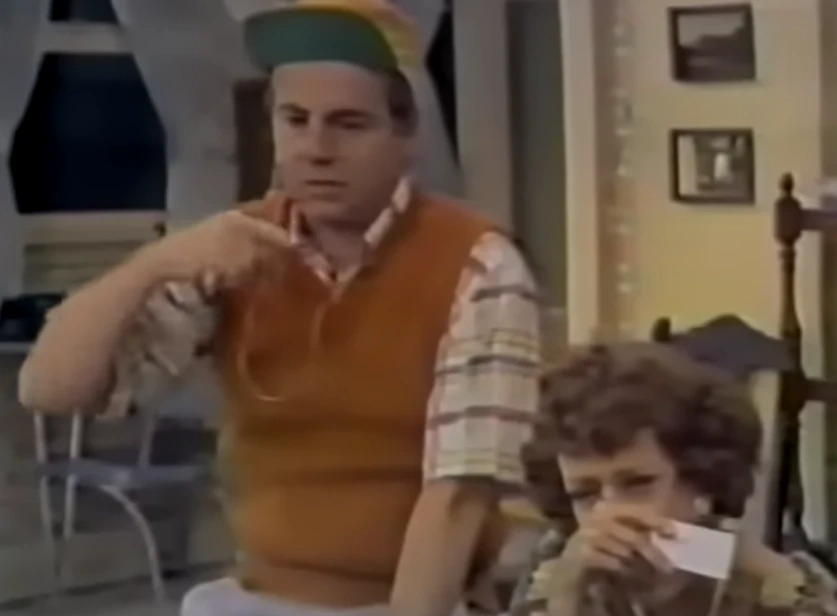
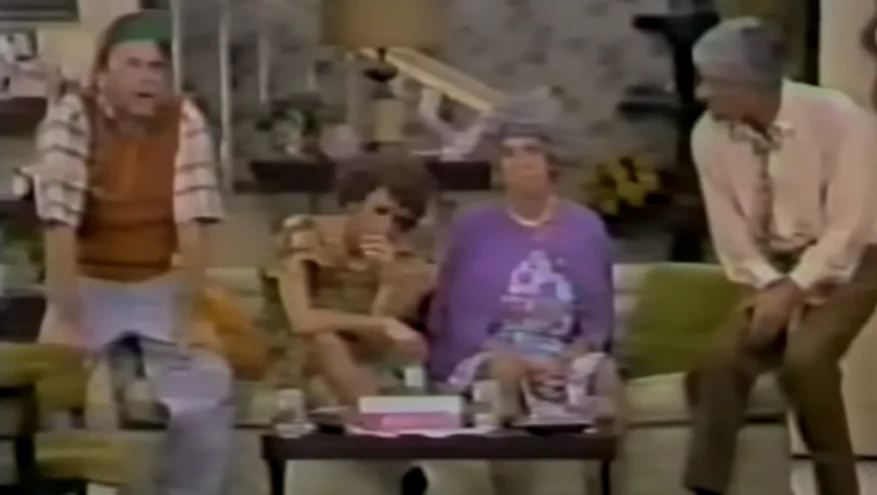
  • DN. The Elephant Story That Made Tim Conway a Comedy Legend


    Posted July 11, 2026

    Television history is filled with scripted jokes and carefully rehearsed masterpieces.
    However the moments that truly define comedic genius are the ones that happen completely by accident.
    On the set of The Carol Burnett Show an unscripted moment became an immortal legend.
    It all started when the brilliant Tim Conway decided to deviate from the script entirely.


    He began telling a bizarre and completely fabricated story about circus elephants.
    The sketch was supposed to move forward but Conway had a different destination in mind.
    With a perfectly deadpan delivery he described Siamese elephants joined together at their trunks.
    The atmosphere on the stage changed instantly as the tension started to build step by step.


    You can visibly see the incredible Dick Van Dyke biting his lip to keep from smiling.
    Carol Burnett tries desperately to stay in character but her eyes betray her growing panic.
    Conway continues to push the boundaries of improvisation with vivid and cinematic descriptions.
    He acts out the tragic sounds of the elephants blowing and snorting through their connected trunks.


    The comedic tension reaches a boiling point where containment is no longer possible.
    Just when you think the scene cannot get any funnier Vicki Lawrence delivers the ultimate strike.
    Remaining completely in her character as Mama she looks over and delivers a devastating punchline.
    She asks if that little asshole is finally finished with his story.
    That single unscripted phrase completely destroys what was left of the cast’s composure.


    The entire stage collapses into absolute beautiful and chaotic laughter.
    Tim Conway literally falls off his chair and onto the floor because he is laughing so hard.
    Dick Van Dyke buries his face in the sofa cushions to hide his tears of joy.
    Carol Burnett is completely incapacitated and unable to speak a single word.
    The live studio audience goes absolutely wild with roars of uncontrollable laughter.
    It is a rare and precious look at legendary performers completely letting go of their professionalism.
    This iconic moment captures a deep sense of nostalgia for an era of television that feels lost today.
    Modern comedy relies heavily on heavy editing and highly polished production values.
    We rarely get to witness the rare magic of raw authentic and dangerous humor on modern screens.


    As one emotional viewer stated they simply do not make television like this anymore.
    The deep camaraderie and genuine affection between these actors shine through every single frame.
    It reminds us of why we fell in love with variety shows and live performances in the first place.
    This clip is not just a simple blooper from an old archive.
    It is a masterclass in comedic timing improvisation and the power of shared human joy.
    You owe it to yourself to experience this legendary piece of television history today.
    Watch the full video right now and prepare to laugh until your sides hurt.

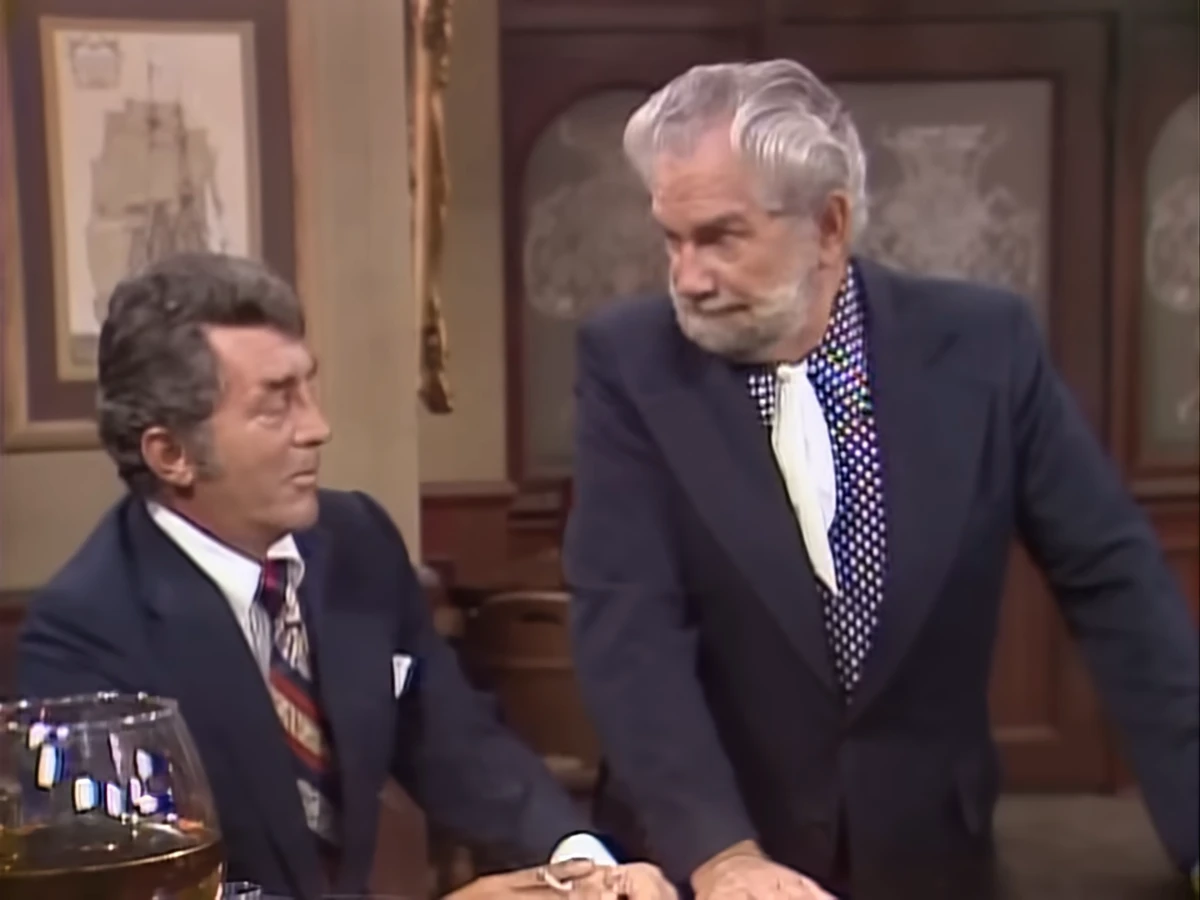
    Vtinh.Dean Martin Couldn’t Stop Laughing 😂

    Vtinh.Dean Martin Couldn't Stop Laughing 😂

    Dean Martin was known for his effortless charm, smooth voice, and ability to make every audience feel like they were part of the joke.

    One unforgettable performance that still makes fans smile is his legendary sketch with Foster Brooks, where a simple visit to a bar turns into one of television’s funniest comedy routines.