
The Carol Burnett Show turned classic Hollywood melodrama into coastal comedy with A Swiped Life, a sketch built around mistaken identities and emotional chaos. The Season 9 performance transformed a serious twin tale into a playful lighthouse adventure filled with absurd surprises.
The sketch drew inspiration from the 1946 Bette Davis film A Stolen Life, but it pushed the premise into pure farce. Instead of a dramatic romance, the story unfolded around a lonely lighthouse, a missing bulb, and a confused visitor.
Carol Burnett carried the segment with a remarkable triple-role performance as Aunt Leona and twin sisters Patsy and Vera. The comic challenge became the heart of the sketch, as each personality collided in unexpected ways.
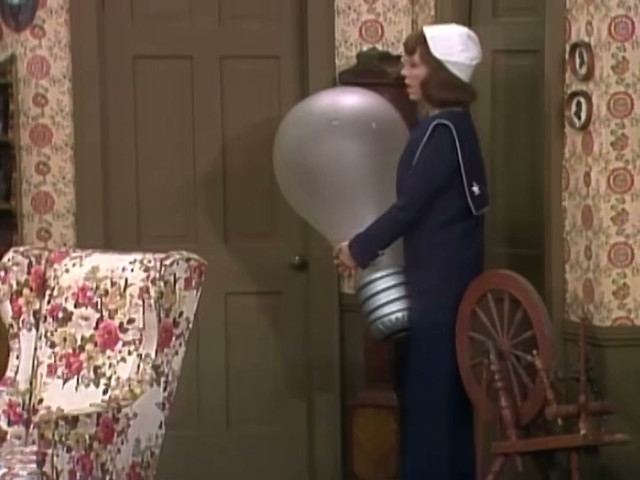
Harvey Korman played Bill, a lighthouse keeper who arrived with a simple request. He needed a powerful 100,000-watt replacement bulb and expected a routine exchange.
Instead, his visit opened the door to a strange world of sensitivity, imagination, and sibling confusion. The quiet cottage quickly became the center of an emotional storm.
At the beginning, Patsy appeared as a shy artist living with Aunt Leona. She spent her days sketching the nearby lighthouse and treating its foghorn like a trusted companion.
The unusual relationship immediately revealed Patsy’s dreamy personality. She saw beauty in the lonely structure and listened for signs that the lighthouse somehow understood her.
Aunt Leona had a very different opinion of Patsy’s habits. She worried that the young woman’s unusual interests would keep her isolated forever.
Leona pointed toward Vera as the opposite example. Vera represented confidence, energy, and social ease, making Patsy feel even more uncertain about herself.
When Bill arrived searching for the replacement bulb, Patsy cautiously welcomed him inside. The unexpected visitor soon discovered that the quiet artist shared his view of the world.
Their conversation became a meeting of two sensitive souls. They connected through their dislike of artificial behavior and their appreciation for simple coastal details.
They talked about fog horns, seaweed, and the strange beauty of a life away from ordinary crowds. Their exchange became a gentle parody of intense movie romances.
The comedy came from treating everyday objects with enormous emotional importance. A lighthouse was no longer just a building, but a symbol of loneliness and longing.
Bill seemed fascinated by Patsy’s sincerity. She appeared unlike anyone he had met before, and her unusual perspective made the lonely keeper feel understood.
Patsy’s emotions quickly became overwhelming. Messages from various callers piled up, but she struggled to respond because her attention remained fixed on her new connection.
The sketch increased the confusion by introducing more hints of Patsy’s nervous nature. She became caught between excitement and uncertainty as her feelings grew.
Then came the central trick that drove the entire story forward. Patsy briefly transformed into the confident Vera, creating a moment of complete confusion for Bill.
The sudden personality change left Bill trying to understand what had happened. The lighthouse keeper could not tell whether he had met one person or another.
Korman’s reaction became one of the sketch’s funniest elements. His character appeared genuinely overwhelmed by the impossible situation unfolding around him.
Burnett’s performance depended on sharp timing and clear character differences. Patsy’s hesitation contrasted with Vera’s bold confidence, allowing the audience to follow the deception.
The sketch continued building tension as Bill’s connection to the twins became increasingly complicated. Every revelation made the situation more ridiculous and entertaining.
Aunt Leona eventually revealed that Bill had gone to the lighthouse with Vera. That discovery shifted the direction of the entire story.
Patsy responded with a surprising revelation of her own. She explained that Bill had actually been married to Vera for months.
The twist changed the meaning of everything that came before it. The romantic confusion became a larger joke about personality, ambition, and transformation.
Vera’s impact on Bill had extended far beyond the lighthouse. The once-sensitive keeper had become a New York executive shaped by a completely different lifestyle.
The final joke focused on what had been lost. Bill’s gentle connection to the lighthouse world had disappeared beneath city pressures and professional demands.
The closing scene delivered the final comic blow. Vera entered Patsy’s cottage wearing a cheerful sailing outfit and carrying an air of effortless confidence.
She acted warmly toward her sister while sharing news about Bill. Her bright personality suggested a victory that was far more complicated than it appeared.
Vera reported that Bill sent his love while working hard in the city. The message carried a humorous sadness beneath its cheerful surface.
The lighthouse keeper who once found meaning in quiet moments had been pulled into a faster world. The sketch found comedy in that dramatic contrast.
A Swiped Life succeeded because it understood the power of old-fashioned movie emotions. It exaggerated every feeling until romance, loneliness, and identity became comic weapons.

Burnett’s ability to shift between three characters gave the sketch its strongest rhythm. Each role pushed against the others, creating constant movement and surprise.
Korman provided the perfect reaction figure. His confusion allowed the audience to experience the strange events through someone equally lost.
The lighthouse setting also strengthened the parody. The isolated location made every conversation feel bigger, stranger, and more dramatic than reality.
The sketch never needed a complicated story to create excitement. Its humor came from personality clashes and the ridiculous seriousness given to ordinary problems.
By borrowing the structure of a classic film and reshaping it with comedy, the performance created something completely different. It honored the source while sending up its dramatic traditions.
The result was a memorable showcase of Burnett’s versatility and Korman’s comic timing. The two performers turned a simple lighthouse visit into a full-scale identity puzzle.
Decades later, the sketch remains a strong example of television variety comedy at its most imaginative. It mixed character work, parody, and emotional exaggeration into one unforgettable performance.
The final image of Vera standing confidently while Bill’s old world faded away captured the sketch’s biggest idea. People could change completely when life pulled them in another direction.
A Swiped Life was not simply a joke about two sisters and one confused keeper. It was a playful look at how dreams, personalities, and expectations can collide.
The lighthouse remained at the center of the story as both a setting and a symbol. It represented the quiet life that some characters wanted to protect.
The city represented the opposite force. It suggested a world of ambition, responsibility, and constant pressure.
Between those two places, the characters created a comic battle over identity. That contrast gave the sketch its emotional spark beneath the laughter.
Burnett’s performance made every shift feel immediate and believable. Her characters existed as separate personalities despite sharing the same performer.
Korman’s bewildered keeper gave the audience a steady point of view. His reactions highlighted how impossible the situation had become.
Together, they created a parody that balanced affection and absurdity. The sketch laughed at melodrama while still respecting the emotions that made those stories memorable.
That combination helped A Swiped Life stand apart. It was a lighthouse tale, a twin mystery, and a Hollywood spoof wrapped into one lively comedy performance.
Để lại một bình luận