A Sunday Sermon Sparks A Chaotic Family Reckoning Over Forgiveness And Old Grudges

A family gathering after church becomes an unexpected emotional battlefield when a message of forgiveness collides with years of frustration. The comedy unfolds through familiar tensions, where good intentions meet stubborn habits and unresolved feelings.
The scene begins with Eunice returning from a meaningful service, carrying a powerful message from Reverend Plumm. She arrives convinced that kindness, patience, and understanding can transform even the most difficult relationships.
Her enthusiasm immediately changes the atmosphere at home, as she shares the sermon’s lesson with her husband. She believes everyone should search for the good in others instead of focusing only on their faults.
The message sounds simple and inspiring, but the household quickly reveals how complicated forgiveness can become. Everyday complaints begin testing the very principles Eunice hopes to follow.
Her husband listens with curiosity and some hesitation as Eunice explains her new outlook. He struggles to understand how a single sermon could suddenly reshape the family’s approach to conflict.
The conversation starts with broad ideas about compassion and morality. It soon shifts into the smaller frustrations that often expose deeper emotions inside a family.
Food, routines, and household disagreements become examples of how difficult patience can be. The humor grows as the characters try to balance peaceful ideals with ordinary irritations.
Eunice insists that people must look beyond mistakes and recognize the positive qualities in those around them. Yet her own reactions reveal how challenging that promise can be.
The sketch creates comedy from this contradiction between belief and behavior. Eunice wants to practice forgiveness, but she still carries strong opinions about the people closest to her.
Her husband notices the difference between Eunice’s words and her actions. His responses highlight the struggle between wanting harmony and continuing familiar arguments.
As the discussion develops, family history enters the conversation. Old disagreements begin resurfacing, showing that forgiveness requires more than simply making a decision.
The focus eventually turns toward Eunice’s relationship with her sister Ellen. The mention of Ellen brings years of emotional tension into a conversation that began with a peaceful message.
Eunice explains that she has been holding onto resentment for a long time. She begins questioning whether her own attitude has contributed to the distance between them.
The realization creates a surprising shift in the scene. Instead of only criticizing others, Eunice starts examining her own behavior and choices.
However, the change is not easy or immediate. Even while discussing forgiveness, she continues revealing the same strong personality that created many disagreements.
That contrast drives the sketch’s central comedy. The audience recognizes the familiar experience of wanting to improve while still struggling with old patterns.
Eunice’s husband watches her transformation with a mixture of amusement and uncertainty. He supports the idea of peace but remains aware of the challenges ahead.

The conversation becomes a lively debate about whether people can truly change. The family members question how much patience and understanding relationships require.
Eunice feels inspired to take action rather than simply discuss her feelings. She decides that reaching out to Ellen could become a meaningful step toward reconciliation.
Preparing for the phone call brings a new wave of emotion. She hopes the conversation will create a fresh beginning after years of conflict.
At the same time, the audience understands that old habits are difficult to overcome. The tension comes from wondering whether good intentions will survive a real conversation.
When Eunice contacts Ellen, her sincere desire for peace meets the complicated reality of their relationship. The exchange reflects both affection and the lingering effects of past arguments.
The humor comes from the emotional swings during the attempted reconciliation. A hopeful moment can quickly turn into another reminder of their familiar disagreements.
The performance captures the unpredictable nature of family relationships. Love remains present, even when frustration and pride make communication difficult.
Each reaction adds another layer to the conflict. The characters are not simply arguing about one issue but confronting years of emotional history.
The sketch shows how a message about forgiveness can inspire reflection while also revealing unresolved problems. The lesson becomes harder when applied outside the church.
Eunice’s journey is not presented as a perfect transformation. Instead, it highlights the realistic struggle between wanting to be better and falling into familiar responses.
The family’s arguments feel exaggerated for comedy, but the emotions remain recognizable. Many viewers can identify with the challenge of repairing strained relationships.
The scene builds its impact through sharp dialogue and carefully timed reactions. Every interruption and complaint adds energy to the unfolding family confrontation.
The church sermon serves as the spark for the entire situation. It creates a hopeful goal while exposing the obstacles standing in the way.
Eunice believes forgiveness should be straightforward. Her family experience proves that genuine reconciliation often requires honesty, humility, and persistence.
The sketch’s strongest moments come from the gap between expectation and reality. A peaceful message does not erase years of complicated feelings.
Instead, the characters must navigate those feelings together. The comedy grows from watching them attempt something difficult with very human imperfections.
Eunice’s effort to reconnect with Ellen becomes the emotional center of the story. It transforms a simple discussion into a deeper examination of family bonds.
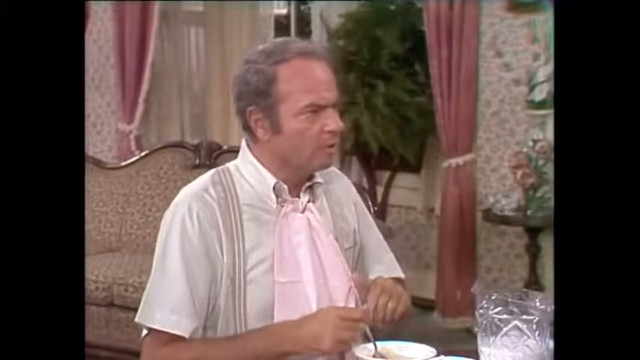
The phone call represents both hope and uncertainty. It is a chance for healing, but it also carries the weight of previous disagreements.
The audience watches as sincere intentions clash with familiar personalities. That tension creates the memorable balance between warmth and chaos.
The family dynamic works because each character brings a different perspective. Their disagreements feel personal, yet their connection remains undeniable.
The sketch does not suggest that forgiveness eliminates every problem. Instead, it explores the ongoing effort required to maintain understanding.
Eunice’s determination gives the scene its emotional momentum. Her attempt to change shows courage, even when her approach remains imperfect.
Her husband’s skepticism adds another layer to the comedy. He represents the practical side of the situation, questioning whether ideals can survive daily life.
The result is a story about the difficulty of practicing what people often believe. The family discovers that forgiveness is easier to discuss than to achieve.
Through exaggerated personalities and quick exchanges, the sketch turns a serious theme into entertaining television. The laughter comes from recognizable struggles rather than simple jokes.
The performance remains memorable because it captures a universal family experience. People often want peace while still carrying old frustrations.
The final moments leave the audience with a mixture of amusement and reflection. The effort to forgive becomes the real source of connection.
The family may not solve every disagreement immediately. However, the willingness to reach out creates a meaningful possibility for change.
The sketch transforms a Sunday sermon into a lively examination of relationships. It shows that compassion can be inspiring, challenging, and unexpectedly complicated.
At its heart, the story explores the difference between hearing a lesson and living it. Eunice discovers that forgiveness requires more than good intentions.
It requires patience, self-awareness, and the courage to confront uncomfortable feelings. Those challenges make the family conflict both humorous and emotionally engaging.
The lasting appeal comes from its honest portrayal of imperfect people. They want to love each other better, even when their emotions get in the way.
The scene turns a simple family conversation into a broader reflection on forgiveness. Its comedy comes from the struggle to match ideals with reality.
By the end, the audience sees a family still wrestling with its problems. Yet the desire for understanding remains stronger than the disagreements surrounding them.
Để lại một bình luận