A rehearsal is supposed to be the safe place where mistakes happen quietly.
But on The Carol Burnett Show, a rehearsal could become more dangerous than opening night.
That is exactly what happens in the sketch often remembered through the title Tim Conway Plays the World’s Worst Scene Partner.
The setup looks simple at first.
A community theater group is trying to stage A Streetcar Named Desire.
The famous Tennessee Williams drama is supposed to be full of heat, tension, longing, and explosive emotion.
Instead, it becomes a slow-motion comedy wreck.
Carol Burnett plays a woman rehearsing the role of Stella.
Her husband Roger is directing the production.
He clearly wants the show to matter because the president of the country club has turned it into a prestige project.
That small detail makes the whole sketch even funnier.
This is not Broadway.
This is not a serious artistic revolution.
This is community theater pressure dressed up like high drama.
The trouble begins before the real rehearsal even starts.
Carol is already frustrated by the idea of being in the play.
She calls the project ridiculous and admits she would not even be doing it if her husband were not directing.
Roger, however, is determined to push forward.
He has a show to put on.
He has scenery to finish.
He has a country club image to protect.
And unfortunately, he has cast George Perkins as Stanley.
George Perkins enters with all the confidence of a man who does not know what room he is in.
He announces himself politely, stiffly, and with none of the dangerous magnetism expected from the role made famous by Marlon Brando.
Carol immediately understands the problem.
Stanley is supposed to be animalistic, raw, physical, and magnetic.
George looks like the opposite of that.
Roger tries to defend him by saying it is all in the acting.
Carol is not convinced.
Her response turns the scene into a miniature war between artistic hope and obvious reality.
Roger wants to believe George can transform.
Carol sees a man who may not survive the first emotional line.
That is where the sketch begins to sharpen.
The comedy is not just that George is bad.
The comedy is that everyone can see he is wrong except the person who hired him.
When Roger asks George to strip down to his T-shirt for the famous torn-shirt scene, the rehearsal becomes painfully awkward.
George treats the request like a personal emergency.
He worries about changing in the room.
He worries about the shirt.
He worries about whether Carol actually has to tear it.
Instead of becoming Stanley, he becomes a nervous man protecting his favorite clothing.
That tiny detail is what makes the scene work.
A passionate theater moment becomes a laundry concern.
Carol tries to play Stella with the intensity the scene requires.
Roger keeps pushing for passion, lust, and desire.
George keeps shrinking from the moment.
When Carol reaches for him, he warns her to watch the shirt.
That single line destroys any possibility of romance.
It also exposes the real joke.
The scene does not fail because the actors forget the lines.
It fails because George Perkins is emotionally unavailable to the entire concept of theater.
Roger tries to demonstrate the feeling himself.
He delivers the lines with exaggerated passion, showing what he wants George to do.
But George cannot get there.
He does not burn.
He barely warms up.
Carol becomes more irritated.
Roger becomes more desperate.
The rehearsal starts to feel less like preparation for a play and more like a test of a marriage.
That is when Chuck enters.
Chuck is a pilot, and his arrival changes the energy instantly.
He is confident, relaxed, and masculine in exactly the way George is not.
He jokes about flying big planes and letting passengers watch him and the stewardesses from the cockpit.
It is a classic old-school joke, but inside the sketch, it functions like a flare gun.
Carol notices him.
Roger notices Carol noticing him.
George notices that he has just become even less impressive.
Then Chuck reveals that he once performed Streetcar in college.
Without hesitation, he launches into a powerful, over-the-top version of Stanley calling for Stella.
Suddenly, the room wakes up.
The dead rehearsal becomes alive.
Carol lights up.
Roger panics.
George fades into the background.
In seconds, Chuck becomes everything Roger wanted for the scene and everything Roger does not want near his wife.
That contradiction is the engine of the sketch.
As a director, Roger wants passion.
As a husband, he wants control.
The second Carol and Chuck begin to rehearse, Roger realizes those two desires cannot exist in the same room.
Carol throws herself into the scene.
Chuck plays along with reckless confidence.
The famous torn-shirt moment turns into a comic frenzy.
Carol asks if she can rip the shirt.
Things escalate so quickly that even the costume situation becomes confused.
Chuck points out that the clothing being grabbed is not his shirt but Carol’s blouse.
That line turns the entire rehearsal into a disaster.
Roger explodes.
The play is canceled.
The director is gone.
The husband has taken over.
It is one of those classic Carol Burnett Show reversals where the audience knows exactly why everyone is behaving badly, but the characters are too emotional to admit it.
Carol insists she was only doing what Roger told her to do.
He told her to forget he was her husband.
Roger snaps back that he meant with George Perkins, not with Chuck.
That distinction is ridiculous, jealous, and completely human.
The sketch works because every character is trapped by their own contradiction.
Roger wants artistic realism until it looks too real.
Carol wants to prove the scene can work until it works too well.
George wants to be Stanley without sacrificing his shirt.
Chuck wants to help, but his help nearly destroys the room.
By the end, Roger considers playing Stanley himself.
He knows the lines.
He has studied the play.
He believes that a husband and wife should be able to perform a love scene together.
For one second, it looks like the sketch might turn sweet.
Then he tries to summon the mood.
He calls for Stella.
Carol responds with Chuck’s name.
That final mistake lands like a comic punch in the ribs.
Roger delivers the devastating closer.
Carol has ruined a great play and a mediocre marriage.
It is sharp.
It is absurd.
It is exactly the kind of line that made The Carol Burnett Show feel dangerous in the safest possible way.
Nobody is truly hurt.
Nothing truly collapses.
But for a few minutes, a simple rehearsal becomes a battlefield of pride, jealousy, bad casting, and perfect comic timing.
Tim Conway’s presence as the impossible scene partner makes the entire sketch feel like a lesson in controlled disaster.
He does not need to overpower the scene.
He makes the scene fall apart by resisting everything it needs.
That is the genius.
In a sketch about passion, he becomes the least passionate Stanley imaginable.
In a scene built around desire, he is mostly concerned about a draft and a shirt.
And that is why the audience laughs.
The joke is not just that George Perkins is wrong for the part.
The joke is that the wrong man can sometimes reveal the truth faster than the right one.
A serious play becomes a marital trap.
A rehearsal becomes a comedy explosion.
And one terrible Stanley turns into the reason nobody can look away.
A rehearsal is supposed to be the safe place where mistakes happen quietly.
But on The Carol Burnett Show, a rehearsal could become more dangerous than opening night.
That is exactly what happens in the sketch often remembered through the title Tim Conway Plays the World’s Worst Scene Partner.
The setup looks simple at first.
A community theater group is trying to stage A Streetcar Named Desire.
The famous Tennessee Williams drama is supposed to be full of heat, tension, longing, and explosive emotion.
Instead, it becomes a slow-motion comedy wreck.
Carol Burnett plays a woman rehearsing the role of Stella.
Her husband Roger is directing the production.
He clearly wants the show to matter because the president of the country club has turned it into a prestige project.
That small detail makes the whole sketch even funnier.
This is not Broadway.
This is not a serious artistic revolution.
This is community theater pressure dressed up like high drama.
The trouble begins before the real rehearsal even starts.
Carol is already frustrated by the idea of being in the play.
She calls the project ridiculous and admits she would not even be doing it if her husband were not directing.
Roger, however, is determined to push forward.
He has a show to put on.
He has scenery to finish.
He has a country club image to protect.
And unfortunately, he has cast George Perkins as Stanley.
George Perkins enters with all the confidence of a man who does not know what room he is in.
He announces himself politely, stiffly, and with none of the dangerous magnetism expected from the role made famous by Marlon Brando.
Carol immediately understands the problem.
Stanley is supposed to be animalistic, raw, physical, and magnetic.
George looks like the opposite of that.
Roger tries to defend him by saying it is all in the acting.
Carol is not convinced.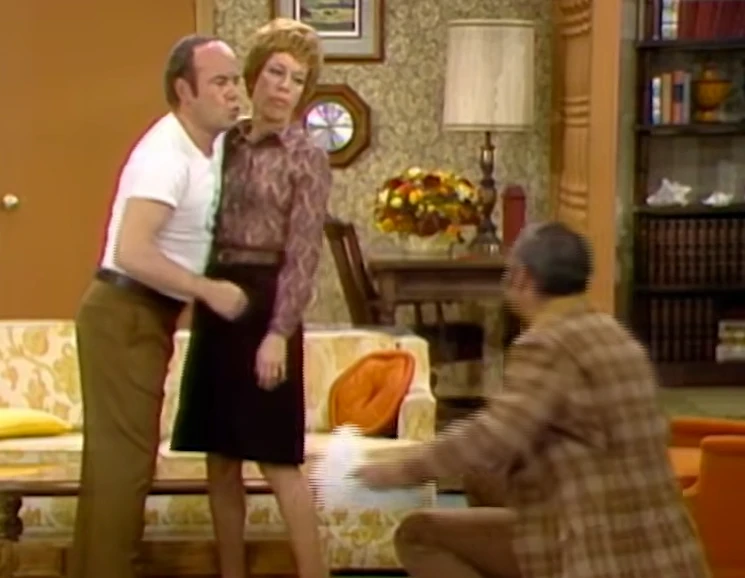
Her response turns the scene into a miniature war between artistic hope and obvious reality.
Roger wants to believe George can transform.
Carol sees a man who may not survive the first emotional line.
That is where the sketch begins to sharpen.
The comedy is not just that George is bad.
The comedy is that everyone can see he is wrong except the person who hired him.
When Roger asks George to strip down to his T-shirt for the famous torn-shirt scene, the rehearsal becomes painfully awkward.
George treats the request like a personal emergency.
He worries about changing in the room.
He worries about the shirt.
He worries about whether Carol actually has to tear it.
Instead of becoming Stanley, he becomes a nervous man protecting his favorite clothing.
That tiny detail is what makes the scene work.
A passionate theater moment becomes a laundry concern.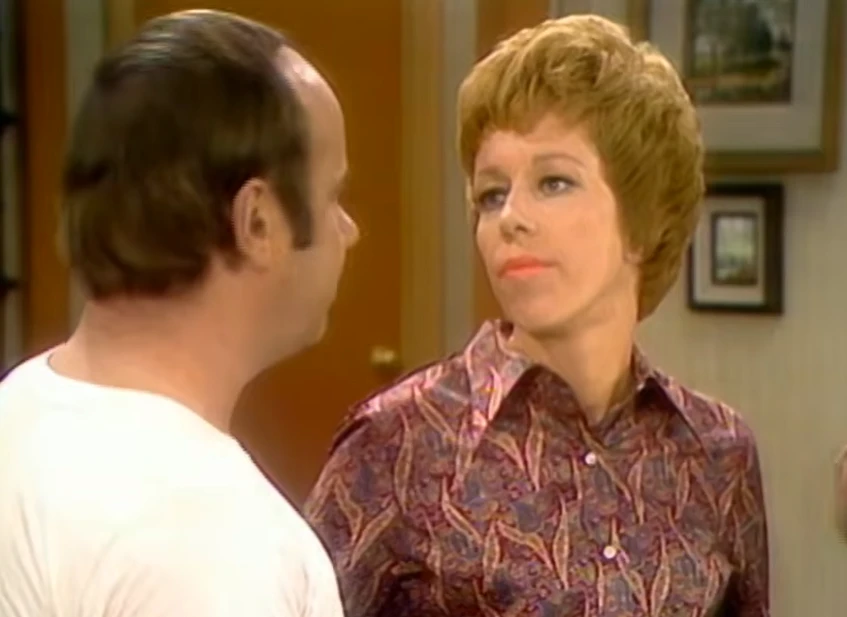
Carol tries to play Stella with the intensity the scene requires.
Roger keeps pushing for passion, lust, and desire.
George keeps shrinking from the moment.
When Carol reaches for him, he warns her to watch the shirt.
That single line destroys any possibility of romance.
It also exposes the real joke.
The scene does not fail because the actors forget the lines.
It fails because George Perkins is emotionally unavailable to the entire concept of theater.
Roger tries to demonstrate the feeling himself.
He delivers the lines with exaggerated passion, showing what he wants George to do.
But George cannot get there.
He does not burn.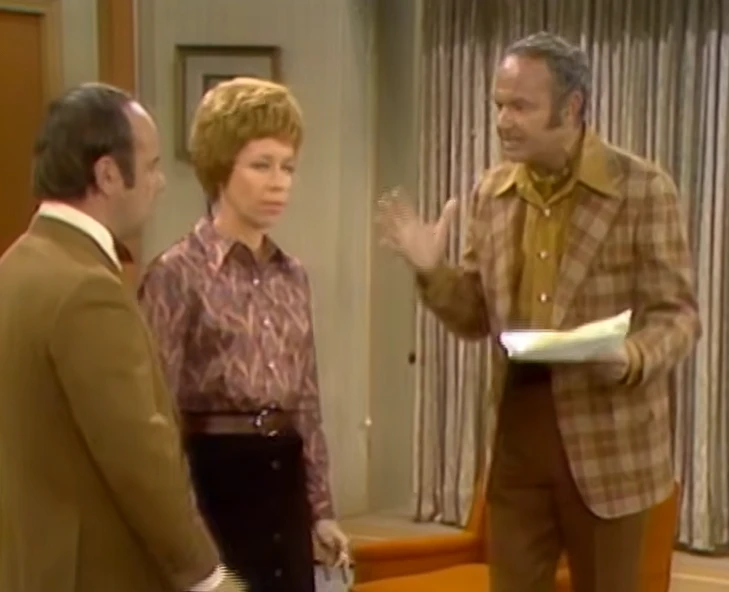
He barely warms up.
Carol becomes more irritated.
Roger becomes more desperate.
The rehearsal starts to feel less like preparation for a play and more like a test of a marriage.
That is when Chuck enters.
Chuck is a pilot, and his arrival changes the energy instantly.
He is confident, relaxed, and masculine in exactly the way George is not.
He jokes about flying big planes and letting passengers watch him and the stewardesses from the cockpit.
It is a classic old-school joke, but inside the sketch, it functions like a flare gun.
Carol notices him.
Roger notices Carol noticing him.
George notices that he has just become even less impressive.
Then Chuck reveals that he once performed Streetcar in college.
Without hesitation, he launches into a powerful, over-the-top version of Stanley calling for Stella.
Suddenly, the room wakes up.
The dead rehearsal becomes alive.
Carol lights up.
Roger panics.
George fades into the background.
In seconds, Chuck becomes everything Roger wanted for the scene and everything Roger does not want near his wife.
That contradiction is the engine of the sketch.
As a director, Roger wants passion.
As a husband, he wants control.
The second Carol and Chuck begin to rehearse, Roger realizes those two desires cannot exist in the same room.
Carol throws herself into the scene.
Chuck plays along with reckless confidence.
The famous torn-shirt moment turns into a comic frenzy.
Carol asks if she can rip the shirt.
Things escalate so quickly that even the costume situation becomes confused.
Chuck points out that the clothing being grabbed is not his shirt but Carol’s blouse.
That line turns the entire rehearsal into a disaster.
Roger explodes.
The play is canceled.
The director is gone.
The husband has taken over.
It is one of those classic Carol Burnett Show reversals where the audience knows exactly why everyone is behaving badly, but the characters are too emotional to admit it.
Carol insists she was only doing what Roger told her to do.
He told her to forget he was her husband.
Roger snaps back that he meant with George Perkins, not with Chuck.
That distinction is ridiculous, jealous, and completely human.
The sketch works because every character is trapped by their own contradiction.
Roger wants artistic realism until it looks too real.
Carol wants to prove the scene can work until it works too well.
George wants to be Stanley without sacrificing his shirt.
Chuck wants to help, but his help nearly destroys the room.
By the end, Roger considers playing Stanley himself.
He knows the lines.
He has studied the play.
He believes that a husband and wife should be able to perform a love scene together.
For one second, it looks like the sketch might turn sweet.
Then he tries to summon the mood.
He calls for Stella.
Carol responds with Chuck’s name.
That final mistake lands like a comic punch in the ribs.
Roger delivers the devastating closer.
Carol has ruined a great play and a mediocre marriage.
It is sharp.
It is absurd.
It is exactly the kind of line that made The Carol Burnett Show feel dangerous in the safest possible way.
Nobody is truly hurt.
Nothing truly collapses.
But for a few minutes, a simple rehearsal becomes a battlefield of pride, jealousy, bad casting, and perfect comic timing.
Tim Conway’s presence as the impossible scene partner makes the entire sketch feel like a lesson in controlled disaster.
He does not need to overpower the scene.
He makes the scene fall apart by resisting everything it needs.
That is the genius.
In a sketch about passion, he becomes the least passionate Stanley imaginable.
In a scene built around desire, he is mostly concerned about a draft and a shirt.
And that is why the audience laughs.
The joke is not just that George Perkins is wrong for the part.
The joke is that the wrong man can sometimes reveal the truth faster than the right one.
A serious play becomes a marital trap.
A rehearsal becomes a comedy explosion.
And one terrible Stanley turns into the reason nobody can look away.
Để lại một bình luận