A few beers, one old friend, and one bad lie turned Eunice’s quiet dinner at home into one of the most explosive family meltdowns The Carol Burnett Show ever put on stage.
At first, it looked harmless. Eunice came home laughing with her old friend Mitch Gibson after spending the afternoon together. They were supposed to have been at the Museum of Natural History, admiring stuffed buffalo and pretending to be respectable grown women with respectable plans. But the truth was much messier, much funnier, and much more dangerous for Eunice’s already fragile household.
They had actually spent hours at the Topsy Turvy bar.
And Eunice was not nearly as sober as she wanted everyone to believe.
The scene begins with that perfect Carol Burnett chaos: Eunice trying to act casual while clearly floating somewhere between nostalgia, regret, and too many drinks. Mitch is right there with her, equally loose, equally amused, and equally aware that the afternoon has already gotten out of hand. The two women giggle about old memories, childhood adventures, and the kind of trouble they once got into before marriage, disappointment, and family responsibility turned everything heavy.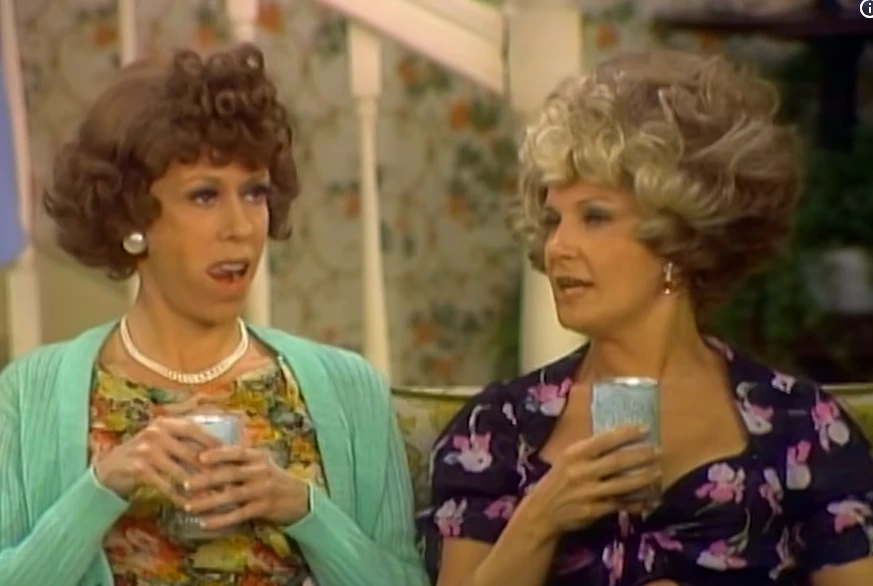
For a moment, the sketch feels almost sweet. Eunice and Mitch are not just drunk friends stumbling through a door. They are two women looking back at the lives they thought they were going to have. Mitch once had big dreams. Eunice once imagined love like a song, full of violins, magic, and romance. But reality did not arrive with music. It arrived with Ed, a dinner that was not ready, a judgmental mother, two absent sons on a camping trip, and a house full of resentment waiting to explode.
That is what makes this sketch so brilliant. The laughter comes fast, but underneath it is something sharper. Eunice is funny because she is tipsy, loud, dramatic, and impossible to ignore. But she is also painfully human. She wants one afternoon of freedom. One moment where she is not a wife, not a daughter, not the woman expected to cook dinner and keep everyone comfortable. She wants to be seen. She wants to feel alive. And after a few hours with Mitch, she finally says the quiet part out loud.
Then Ed and Mama walk in.
The entire temperature of the room changes.
Ed immediately knows something is wrong. Mama, played with icy perfection, does not need evidence before launching her attack. The moment she sees Mitch Gibson, the old insults return like they have been waiting for years. To Mama, Mitch is not a guest. She is a bad influence, an old scandal, the kind of woman decent families whisper about and blame for everything.
Mitch tries to survive the room with humor, but Mama is relentless. She brings up Mitch’s old dreams of modeling, marrying rich, and living overseas, then twists them into a reminder that none of it came true. It is polite conversation only in the way a knife can be politely placed on a table before someone uses it.
Eunice, drunk enough to be brave and hurt enough to be dangerous, finally starts pushing back. She defends Mitch. She calls out Mama’s hypocrisy. She reminds everyone that the respectable people in the room have not exactly lived spotless lives either. And when beer spills onto Ed’s jigsaw puzzle, the whole house goes from tense to volcanic.
That ruined puzzle becomes the perfect symbol of the sketch. Ed has been working on it for weeks, carefully building one little peaceful picture inside a home where peace rarely survives. Then Eunice ruins it with beer, and suddenly every buried complaint comes pouring out.
Ed is furious that dinner is not ready. Mama is disgusted that Eunice has been drinking. Eunice is furious that everyone expects her to apologize for wanting one afternoon of fun. Mitch is tired of being treated like a walking moral disaster. And then the real bomb drops.
Eunice admits they went to the Topsy Turvy bar.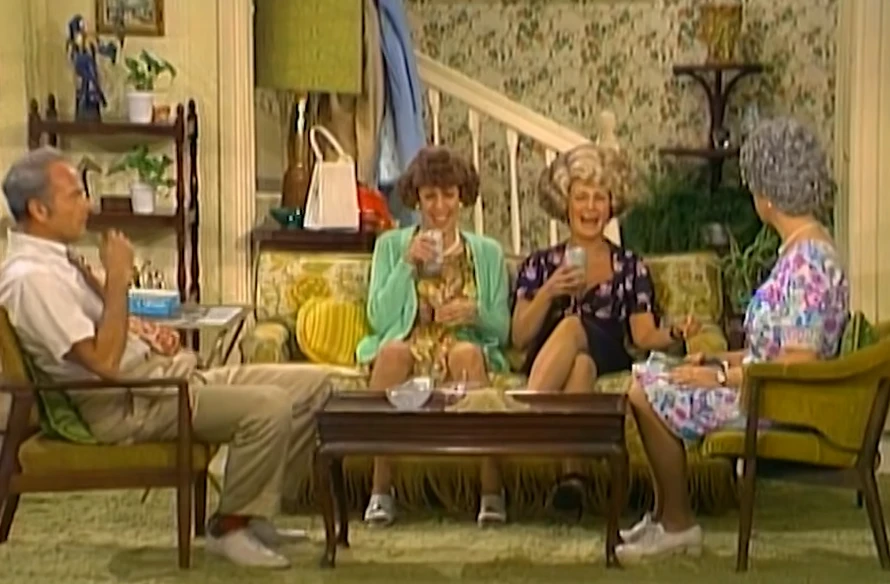
To Ed, this is not just a bar. It is the kind of place men may enter for a “quick beer,” but women are judged for even stepping inside. The double standard lands immediately, and Eunice attacks it with hilarious honesty. She does not pretend she wandered in by accident. She says she went there secretly hoping to be picked up.
That one confession nearly breaks the room.
Mama explodes. Ed loses control. Mitch gets labeled indecent. But instead of shrinking, Mitch delivers one of the sharpest turns in the scene. She makes it clear that she has made mistakes, but she has not been cruel. And if Mama represents decency, then Mitch is grateful to be called indecent.
It is a comedy line, but it hits like a verdict.
Then comes the final twist of humiliation. Mitch exposes an old memory involving Ed back in high school, when he was not exactly the noble, respectable man he pretends to be now. Eunice, instead of collapsing, laughs it off with a brutally funny jab about being surprised Ed ever had that much energy.
That is the genius of The Carol Burnett Show. The sketch does not need explosions, wild sets, or cheap shock. It builds from ordinary family tension: a late dinner, an old friend, a mother’s insult, a husband’s pride, a woman’s need to escape. Every joke reveals another bruise. Every laugh exposes another truth.
By the end, Mitch decides to leave. She has had enough of the “family unit” and the so-called backbone of the country. But before she goes, she thanks Eunice. She came in feeling depressed about her own life, and after watching Eunice’s household unravel, she suddenly feels much better.
It is cruel, funny, and strangely honest.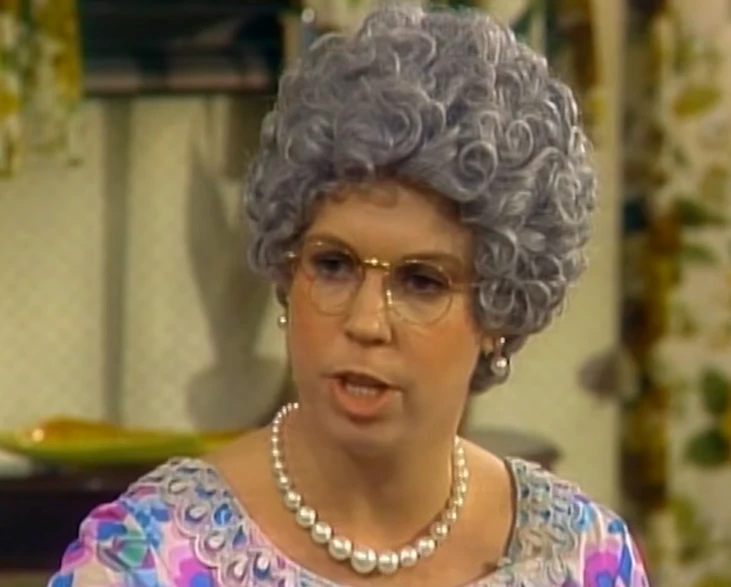
Eunice apologizes because Mitch has to leave. Then she adds the real tragedy: she is even sorrier that she herself has to stay.
That final line cuts through all the laughter. Eunice may be tipsy, loud, dramatic, and impossible, but she is trapped in a life where even one afternoon of freedom becomes a trial. Carol Burnett turns that pain into comedy without losing the sting. Vicki Lawrence’s Mama turns every sentence into a weapon. Harvey Korman’s Ed gives the chaos a perfect target. And Mitch Gibson walks in as a supposed bad influence, only to reveal the ugly truth hiding inside the “respectable” home.
Decades later, this sketch still works because it is not just about drinking too much. It is about what happens when one woman finally gets loose enough to tell the truth — and everyone around her wishes she had stayed quiet.
Để lại một bình luận