Blog

  • Hàng xóm,,, cạnh nhà tôi cứ khăng khăng rằng bà ấy thường xuyên thấy con gái tôi ở nhà vào giờ học, tôi quyết định giả vờ đi làm và trốn dưới gầm giường trong phòng con để theo dõi


    Hàng xóm cạnh nhà tôi là một bà góa, sống một mình. Dạo gần đây, mỗi lần gặp tôi ngoài cổng, bà lại buột miệng nói những câu khiến tôi khó chịu.

    “Con bé nhà cô… dạo này hay ở nhà lắm.”

    Tôi cười trừ.

    “Chắc bà nhìn nhầm. Giờ đó nó đang ở trường.”

    Nhưng bà ta lắc đầu, rất chắc chắn:

    “Không nhầm đâu. Tôi thấy nó đứng ở cửa sổ. Nhìn xuống đường.”

    Câu nói ấy cứ ám trong đầu tôi suốt mấy ngày.

    Con gái tôi mười tuổi. Ngoan, học đều, chưa bao giờ trốn học. Giáo viên không báo gì bất thường. Nhưng ánh mắt của bà hàng xóm hôm đó… không giống nói đùa.

    Hôm sau, tôi quyết định giả vờ đi làm.

    Sáng, tôi mặc áo khoác, xách túi, dắt xe ra khỏi cổng như thường lệ. Đợi vài phút rồi quay lại bằng cửa sau. Nhà yên ắng. Con bé đã “đi học”.

    Tôi bước vào phòng con, tim đập mạnh.


    Rồi… chui xuống gầm giường.

    Không gian chật hẹp, bụi bám đầy mũi. Tôi nín thở, nhìn đồng hồ.

    8 giờ 15.

    Đúng giờ vào tiết đầu.

    Vài phút trôi qua dài như cả tiếng.

    Rồi tôi nghe thấy tiếng mở khóa cửa chính.

    Rất khẽ.
    Rất quen.

    Tiếng bước chân đi dọc hành lang.


    Nhẹ. Không vội.

    Tim tôi đập thình thịch. Tôi cắn chặt môi để không phát ra tiếng.

    Cửa phòng con mở ra.

    Từ khe hở dưới gầm giường, tôi nhìn thấy… đôi giày của con bé.

    Nó bước vào.
    Mặc nguyên đồng phục học sinh.
    Cặp sách vẫn trên vai.

    Tôi suýt bật dậy gọi tên con.

    Nhưng rồi… có một đôi giày khác theo sau.

    Giày người lớn.
    Nam giới.

    Người đó đứng ngay trước bàn học của con tôi. Tôi chỉ thấy được phần gấu quần và bàn tay thô ráp đặt lên vai nó.

    Giọng đàn ông trầm, thấp:

    “Hôm nay ở nhà. Như mọi khi.”

    Con bé không trả lời. Chỉ gật đầu.

    Người đó cúi xuống, đặt lên bàn một xấp giấy đã in sẵn, giọng đều đều như đọc kịch bản:

    “Làm cho xong. Nhớ là… không được nói với mẹ.”

    Tôi cảm giác máu trong người đông lại.

    Người đàn ông rời đi. Cửa đóng lại.

    Con gái tôi ngồi xuống ghế. Nó không khóc. Không run.
    Chỉ mở cặp, lấy ra… một chiếc điện thoại khác — không phải cái tôi mua cho con.

    Màn hình sáng lên. Cuộc gọi video bắt đầu.

    Trên màn hình là một người đàn ông khác, tóc gọn gàng, đeo kính.

    “Bắt đầu đi.”

    Con tôi cầm bút. Tay nhỏ xíu, viết từng dòng theo chỉ dẫn trên màn hình.

    Tôi nhìn thấy rõ tiêu đề trên giấy:

    “BÁO CÁO GIA ĐÌNH – LỊCH SINH HOẠT – THỜI GIAN MẸ Ở NHÀ”

    Tôi không nhớ mình đã bò ra khỏi gầm giường bằng cách nào.

    Chỉ nhớ khoảnh khắc tôi bật đèn, con bé quay lại —


    mặt tái mét.

    “Nói cho mẹ biết,” tôi thì thào, giọng vỡ ra,
    “ai bắt con làm chuyện này?”

    Con bé bật khóc.
    Lần đầu tiên sau rất lâu.

    Nó ôm chặt lấy tôi:

    “Họ nói… nếu con không làm, họ sẽ làm mẹ biến mất.”

    Sau này tôi mới biết:
    Một đường dây lừa đảo, lợi dụng trẻ con trong khu để thu thập thông tin gia đình giàu có.
    Và bà hàng xóm — người tôi từng nghĩ là nhiều chuyện —


    chính là người duy nhất nhận ra có gì đó không ổn.

    Có những ngày, sự thật không nằm ở trường học…


    mà nằm ngay dưới mái nhà mình.

    Và đôi khi,


    chỉ cần chậm một ngày thôi,
    là không còn cơ hội chui xuống gầm giường để hiểu ra nữa.

  • Sibling Rivalry Erupts Over Caring For Ailing Matriarch In Classic Sitcom Wheelchair Recovery Episode


    Article Image 1

    The hardware store delivery is late, the errands keep piling up, and Ed is pacing the carpet with a scowl that could curdle milk. Eunice brushes past him with a stack of folded laundry, snapping about the two days she has spent wheeling her mother around town.

    The cramped living room feels smaller with every passing hour of grumbling. Ed reminds her that a shipment of hinges was supposed to land before noon.

    Eunice reminds him that her mother nearly died in a stairwell and is now a permanent fixture in the guest chair. Their bickering lands somewhere between sitcom banter and genuine exhaustion, the kind that builds when obligation and resentment share a sofa cushion.

    On the coffee table, Eunice has assembled an inventory of caregiving supplies. Hand cream, a shawl, an electric blanket, and a bottle of castile shampoo line up like evidence of devotion.

    Each item represents another trip, another errand, another hour subtracted from her own routine. Ed glances at the pile and mutters something about inventory at the store.

    Eunice shoots back that she is running a one-woman pharmacy delivery service from the closet. She ticks off the list, voice rising with each item, until the recitation sounds less like caretaking and more like a ledger of grievances.

    Ed backs toward the kitchen, raising his hands in mock surrender, but the damage is done. The argument pivots, as it always does, toward Ellen.

    Eunice picks up the phone and dials her sister with the determined air of a woman demanding reinforcements. The line rings twice before a young voice answers, polite but uncertain, the unmistakable tone of a child relaying a message for an absent parent.

    Eunice identifies herself and asks to speak to Ellen. The child explains that mommy is away and offers to take a number.

    Eunice presses for details, learning only that her sister is unreachable for the moment and committed to something involving snow. She exhales through her teeth and leaves a message sharp enough to cut glass.

    The phone call resumes minutes later, and this time Ellen picks up. Her voice carries the breezy confidence of a woman halfway out the door.

    Eunice launches into a recap of the accident, her words tumbling out in the breathless cadence of someone who has rehearsed the story while waiting on hold. She describes the upstairs bathroom where her mother had been scrubbing.

    She explains that Mama mixed ammonia and bleach without thinking, a household mistake familiar to anyone who has ever cleaned a tub in a hurry. The fumes hit her hard, and the next thing anyone knew, Mama was crumpled at the bottom of the staircase.

    Eunice recounts finding her alone and terrified, the silence of the house broken only by the clatter of the fall. She tells Ellen she could not reach anyone and had to call the ambulance herself.

    The memory still rattles her, and she punctuates the retelling with a sharp inhale that even her sister can hear over the line. Ellen responds with sympathy but quickly pivots to logistics.

    Article Image 2

    She explains she is committed to a skiing trip and cannot simply abandon the group. Eunice cuts her off, demanding that family duty eclipse any social engagement with mountains or snow.

    The two sisters talk past each other for several long, brittle minutes. Eunice escalates by requesting that Ellen come babysit so she can attend an end-of-the-month sale at the mall.

    She frames it as a reasonable swap, a few hours of help in exchange for a few hours of shopping. Ellen declines, citing a bridge tournament and country club commitments she cannot break.

    The refusal lands like a slap. Eunice reminds Ellen that Mama raised them both, in the same house, under the same roof, with the same rules.

    She accuses her sister of treating their mother like an inconvenient appointment that can be rescheduled around tennis whites and après-ski cocktails. Ellen counters that she has her own life and her own obligations, a defense that lands poorly in a household still smelling faintly of cleaning products and worry.

    She suggests Eunice hire help if she is overwhelmed. Eunice scoffs at the suggestion, knowing that no paycheck can replace a sister’s shoulder.

    The call ends badly, the way only family calls can. Eunice hangs up the receiver with a controlled softness that suggests she would have liked to slam it.

    She turns to Ed, who has been eavesdropping from the kitchen doorway, and delivers a one-line verdict on her sister’s character that he wisely chooses not to contest. Ed retreats to the television set, fiddling with the dial as a form of self-preservation.

    He flips past news, weather, and a preacher before settling on a familiar game show with a smoky host and a studio audience cheering over spare change. The volume goes up a notch, the universal signal that the conversation is closed.

    Eunice moves to the window and watches the street, gathering herself before the next task. The neighborhood looks ordinary, the kind of sleepy block where nothing dramatic ever happens.

    She finds small comfort in the parked cars and the trimmed hedges, even as her chest tightens at the thought of another night on call. The doorbell interrupts the quiet, and Eunice opens it to find her mother at the threshold.

    Mama sits in the wheelchair with a blanket draped across her lap, pushed by a neighbor who has been kind enough to deliver her for the afternoon. She looks small in the chair, smaller than anyone should look in a home they once commanded.

    Eunice wheels her mother inside with the careful choreography of someone handling fragile freight. She parks the chair near the television, adjusts the blanket, and props a pillow behind Mama’s back.

    Ed straightens up from the couch and offers a sheepish greeting that his mother-in-law receives with tired grace. Mama surveys the room and immediately notices the lineup of supplies on the coffee table.

    She recognizes the hand cream and the shawl as items from her own dresser. She clocks the electric blanket and the shampoo as evidence of a household scrambling to accommodate her.

    Article Image 3

    Her expression settles into something between gratitude and guilt. She tells her daughter she does not want to be a burden.

    The words come out soft, almost apologetic, the kind of quiet humility that breaks a room. Eunice insists she is no trouble at all, her voice climbing half an octave in the way voices do when they are working hard to mean something.

    Ed pulls up the footrest on the wheelchair and offers Mama a cup of tea. She accepts with a small nod, and he retreats to the kitchen with surprising efficiency.

    Eunice drapes the shawl around her mother’s shoulders and clicks on the electric blanket, the soft hum of the cord filling the silence between them. Mama requests only to be kept warm and left to rest.

    She asks for a little quiet and no fuss, the universal plea of a woman who has spent too many hours being fussed over by well-meaning relatives. Eunice agrees, though her hands keep finding small jobs to do, smoothing the blanket, tucking the pillow, adjusting the angle of the chair.

    The television drones on, the bowling pins cracking on cue and the host cueing the next contestant. Ed settles into his end of the sofa with the practiced ease of a man reclaiming his territory.

    He glances at Mama and offers a half-wave that she returns with a faint smile, the gesture between them somehow both tender and tired. Eunice sits on the arm of the couch, positioned between her husband and her mother like a referee in a match no one scheduled.

    She watches the screen without really seeing it, her mind still running through the list of items she needs to fetch tomorrow. The castile shampoo will not last the week, she thinks.

    Mama drifts toward sleep, her breathing evening out beneath the shawl. Eunice watches her mother’s chest rise and fall and feels the familiar ache of loving someone you cannot protect.

    She reaches over and adjusts the blanket one more time, a tiny act of defiance against every doctor, neighbor, and absent sister. The camera holds on the trio, the wheelchair parked beside the couch, the game show glowing blue against the curtains.

    Outside, the sky darkens toward evening, and the streetlights flicker on one by one. Inside, the household performs its version of normalcy, the small rituals that stitch a family back together after a scare.

    Ed glances at Eunice and offers to make dinner. Eunice nods without looking away from the screen, grateful for the offer and the truce it represents.

    Mama murmurs something in her half-sleep that sounds like thanks, though it might just be the sound of an old woman breathing in a warm room. The credits are still a long way off, and the episode has not yet resolved the question of who will care for Mama tomorrow.

    Eunice knows the answer, even if she cannot say it out loud. Ellen will not come.

    Ed will grumble. And she will wheel her mother through another day, smiling for the camera.

    Still, the shawl, the blanket, the tea, and the game show offer the comfort of routine. The living room holds its breath, the kind of held breath that follows a crisis and precedes whatever comes next. For now, the family watches the pins fall and pretends, just for an hour, that everything is fine.


     

  • Mẹ đặt tên con là HOÀNG THỊ VÉT, đi khai sinh cán bộ đổi vài nét mà được cái tên hay nhất Việt Nam

    Việc đặt tên cho con luôn là một trong những quyết định quan trọng của các bậc cha mẹ.

    Mẹ đặt tên con là HOÀNG THỊ VÉT, đi khai sinh cán bộ đổi vài nét mà được cái tên hay nhất Việt Nam

    Một cái tên không chỉ để nhận diện mà còn gửi gắm tình cảm, kỳ vọng và đồng hành cùng đứa trẻ suốt cuộc đời. Tuy nhiên, không ít trường hợp vì lựa chọn theo cảm tính mà trẻ vô tình mang những cái tên dễ gây hiểu lầm hoặc khiến bản thân gặp khó khăn khi lớn lên.

    Mới đây, câu chuyện về một bé gái được đặt tên là Hoàng Thị Vét khi làm giấy khai sinh đã thu hút sự chú ý trên mạng xã hội. Theo chia sẻ của một tài khoản tên Lan, em dâu của cô vốn được gia đình đặt tên như vậy vì là con út trong nhà. Tuy nhiên, trong quá trình đăng ký khai sinh, một cán bộ hộ tịch đã góp ý và điều chỉnh thành Hoàng Thị Thu Hồng.

    Gia đình cho biết họ luôn biết ơn sự tinh tế của người cán bộ này bởi cái tên mới không chỉ dễ nghe hơn mà còn mang nhiều ý nghĩa tích cực.

    Khám phá thêm

    Bản tin đời sống

    Tin tức SIM

    Cập nhật giá vàng

    Theo cách hiểu phổ biến, “Thu” gợi hình ảnh mùa thu dịu dàng, thanh nhã và yên bình, còn “Hồng” tượng trưng cho sự may mắn, tươi sáng và hạnh phúc. Tên gọi “Thu Hồng” vì thế thể hiện mong muốn con gái lớn lên với vẻ đẹp nhẹ nhàng, tính cách tốt đẹp và cuộc sống an vui.

    Câu chuyện cũng làm dấy lên nhiều cuộc trao đổi về việc lựa chọn tên cho trẻ. Trên thực tế, không ít người từng mang những cái tên quá đặc biệt hoặc mang ý nghĩa không phù hợp, từ đó gặp không ít tình huống khó xử trong học tập, giao tiếp hay công việc sau này.

    Nhiều ý kiến cho rằng sự tư vấn của cán bộ hộ tịch trong những trường hợp như vậy có thể giúp trẻ tránh được những bất tiện không đáng có, đồng thời sở hữu một cái tên mang ý nghĩa tích cực hơn khi trưởng thành.

    Một số lưu ý khi đặt tên cho con

    Dù không có quy định bắt buộc, nhiều chuyên gia ngôn ngữ và văn hóa cho rằng cha mẹ có thể cân nhắc một số nguyên tắc sau:

    Chọn tên có ý nghĩa tích cực

    Tên gọi nên thể hiện những giá trị tốt đẹp, tránh những từ ngữ dễ gây hiểu lầm, trêu chọc hoặc mang ý nghĩa tiêu cực.

    Đảm bảo phù hợp với giới tính

    Một cái tên phù hợp giúp hạn chế nhầm lẫn trong giao tiếp, học tập và các thủ tục hành chính sau này.

    Kết hợp hài hòa về âm điệu

    Nhiều người ưu tiên sự cân bằng giữa thanh bằng và thanh trắc để tên gọi dễ đọc, dễ nhớ và tạo cảm giác hài hòa.

    Có thể kết hợp họ của cả cha và mẹ

    Hiện nay, nhiều gia đình lựa chọn đặt tên con mang cả họ cha và họ mẹ như một cách thể hiện sự gắn kết giữa hai bên gia đình.

    Tạo sự liên kết giữa các anh chị em


    Một số gia đình sử dụng chung chữ lót hoặc một phần tên cho các con để tạo dấu ấn riêng và tăng sự gắn bó trong gia đình.

    Hạn chế đặt tên trùng với người lớn tuổi trong dòng họ

    Đây vẫn là nét văn hóa được nhiều gia đình Việt duy trì nhằm thể hiện sự tôn trọng đối với các bậc tiền bối.

    Cân nhắc tính ứng dụng lâu dài

    Một cái tên có thể đáng yêu khi còn nhỏ nhưng cần phù hợp cả khi đứa trẻ trưởng thành, đi học, đi làm và giao tiếp xã hội.

    Câu chuyện từ cái tên “Hoàng Thị Vét” cho thấy việc lựa chọn tên gọi tưởng đơn giản nhưng có thể ảnh hưởng lâu dài đến cuộc sống của một người. Vì vậy, nhiều phụ huynh hiện nay dành khá nhiều thời gian để cân nhắc nhằm tìm được một cái tên vừa đẹp, vừa ý nghĩa cho con mình.

  • More Than 24 States Sue Trump Administration Over Disaster Funding Conditions: A High-Stakes Legal Battle With National Consequences


    More Than 24 States Challenge New Federal Disaster Funding Requirements

    A major legal confrontation is unfolding in the United States after more than 24 states filed a lawsuit against the Trump administration over new conditions attached to billions of dollars in federal disaster funding. The case has quickly become one of the most significant legal disputes involving federal-state relations in 2026, raising important constitutional, political, and public safety questions.

    At the heart of the lawsuit is the allegation that the administration is improperly conditioning disaster-related funding on states adopting specific election and immigration policies. The coalition of states argues that disaster relief should remain focused on helping communities recover from emergencies—not on advancing unrelated federal policy priorities.

    The lawsuit, filed in federal court in Rhode Island, targets policies implemented through the Federal Emergency Management Agency (FEMA) and the Department of Homeland Security (DHS). According to court filings, states risk losing substantial portions of federal homeland security and disaster preparedness funding if they fail to comply with the new requirements.

    What Sparked the Lawsuit?

    The legal dispute centers on newly introduced funding conditions that states say go far beyond disaster preparedness.

    According to the lawsuit, the administration is requiring states seeking disaster-related grants to adopt changes to election systems, including expanded paper-ballot requirements and manual audits, verify voter citizenship within statewide voter databases, increase cooperation with federal immigration enforcement efforts, and accept provisions allowing DHS to terminate grants under broad circumstances.

    State attorneys general argue that these requirements have little or no connection to disaster recovery or emergency preparedness. Instead, they contend the conditions attempt to leverage disaster funding to achieve unrelated federal policy objectives.

    The Constitutional Questions

    The states’ lawsuit rests largely on constitutional and administrative law.

    Their primary argument is that Congress—not the executive branch—controls how federal funds appropriated for disaster response are distributed. They contend that attaching unrelated conditions to congressionally approved funding violates both the U.S. Constitution’s Spending Clause and the Administrative Procedure Act.

    Legal experts have long noted that while the federal government may attach certain conditions to grants, those conditions generally must be directly related to the purpose of the funding. Whether election administration and immigration enforcement satisfy that legal standard is expected to become a central issue in court.

    See Also: Madison Protests Erupt After Fatal Police Shooting: What Happened and Why the Nation Is Watching

    Part of a Broader Pattern

    This lawsuit does not exist in isolation.

    Over the past two years, multiple lawsuits have challenged efforts by the Trump administration to tie federal funding to compliance with broader policy priorities. Similar disputes have involved transportation funding, education grants, domestic violence programs, and disaster mitigation initiatives.

    Several federal courts have previously ruled against comparable funding conditions, concluding that agencies exceeded their legal authority or imposed unconstitutional requirements on states. The latest lawsuit argues that the administration is once again attempting to implement policies that courts have already rejected in similar contexts.

    Why Disaster Funding Matters

    Federal disaster assistance plays a critical role in helping states prepare for and recover from emergencies.

    Funding supports a wide range of activities, including emergency management planning, cybersecurity protections, counterterrorism initiatives, flood mitigation projects, emergency communications systems, disaster response training, and recovery after hurricanes, floods, tornadoes, wildfires, and other natural disasters.

    For many states, especially those frequently affected by severe weather, these grants represent essential investments in public safety.

    Any interruption or uncertainty surrounding these funds could complicate long-term planning and emergency preparedness.

    Political Implications

    The lawsuit also reflects the continuing tension between federal authority and state independence.

    Supporters of the administration may argue that federal dollars should come with accountability measures and that states receiving taxpayer-funded grants should cooperate with national priorities on issues like election security and immigration enforcement.

    Critics, however, argue that disaster relief should remain politically neutral.

    Their concern is that emergency funding should never become a bargaining tool because disasters affect residents regardless of political affiliation. When communities are recovering from floods, hurricanes, wildfires, or tornadoes, rapid access to federal assistance can make an enormous difference.

    This debate extends well beyond legal doctrine and touches fundamental questions about how the federal government interacts with states during times of crisis.

    Potential Effects on States and Communities

    Although the lawsuit is being fought in courtrooms, its outcome could have practical consequences for millions of Americans.

    If the administration ultimately prevails, states may face difficult decisions about whether to comply with new federal conditions in order to preserve disaster funding.

    If the states succeed, the ruling could reaffirm limits on executive authority and preserve longstanding practices governing federal disaster assistance.

    Either outcome could influence future federal grant programs across multiple policy areas—not just emergency management.

    Analysis: A Test of Executive Power

    From a broader perspective, this lawsuit represents another chapter in an ongoing national debate over executive authority.

    Modern presidents of both political parties have increasingly relied on executive agencies to pursue policy objectives when legislative consensus proves difficult to achieve. Courts have therefore become key arbiters in determining where executive discretion ends and constitutional limits begin.

    The current dispute illustrates how funding decisions can become powerful policy tools. However, it also demonstrates why courts frequently examine whether agencies remain within the authority granted by Congress.

    Regardless of political viewpoint, many legal scholars agree that maintaining clear boundaries between congressional spending authority and executive implementation is essential to preserving constitutional balance.

    Commentary: Disaster Relief Should Inspire Confidence, Not Uncertainty

    One of the most important lessons from this controversy is that disaster preparedness depends heavily on trust between federal, state, and local governments.

    Natural disasters do not distinguish between Republican and Democratic states. Hurricanes, wildfires, floods, and tornadoes threaten communities based on geography rather than politics.

    When disaster funding becomes entangled in broader political disputes, uncertainty may complicate emergency planning for agencies responsible for protecting lives and infrastructure.

    At the same time, federal administrations naturally seek accountability when distributing billions of taxpayer dollars. The challenge lies in ensuring that accountability measures remain directly connected to the purpose of the funding itself.

    Ultimately, the courts will determine whether these new conditions comply with constitutional and statutory requirements. Their decision could shape not only future disaster funding but also the broader relationship between Washington and the states for years to come.

    Conclusion

    The lawsuit filed by more than 24 states marks one of the most consequential federalism cases of the year. As courts evaluate whether the Trump administration lawfully attached election and immigration conditions to disaster funding, the outcome will likely influence future debates over executive authority, congressional spending power, and state sovereignty.

    Beyond the legal arguments, the case underscores the importance of maintaining a disaster response system that is both effective and trusted. Communities facing emergencies rely on timely assistance, and the rules governing that aid will remain a matter of national significance long after this particular lawsuit is resolved.

  • 61 tuổi uống sữa chua mỗi ngày trong 6 tháng, khám sức khỏe có 2 chỉ số khiến bác sĩ kinh ngạc thốt lên


    Theo chuyên trang Thanh Niên Việt, câu chuyện của cô Lưu (61 tuổi, cựu giáo viên tiểu học tại Trung Quốc) đã khiến bác sĩ điều trị vô cùng kinh ngạc khi hai chỉ số sức khỏe quan trọng liên quan đến đường huyết và xương khớp có sự cải thiện vượt bậc chỉ sau 6 tháng duy trì thói quen uống sữa chua khoa học.

    Hai chỉ số sức khỏe cải thiện ngoạn mục khiến bác sĩ kinh ngạc

    Ba năm trước, kết quả khám sức khỏe của cô Lưu cho thấy lượng đường trong máu cao và mật độ xương bị suy giảm. Dù đã sử dụng nhiều loại thực phẩm bổ sung do con gái mua nhưng hiệu quả mang lại không như kỳ vọng. Sáu tháng trước, theo lời khuyên từ một chuyên gia dinh dưỡng, cô Lưu bắt đầu thiết lập thói quen uống sữa chua mỗi ngày theo phương pháp khoa học.

    Trong lần tái khám gần đây, báo cáo y tế của cô đã làm cho bác sĩ điều trị bất ngờ với hai chỉ số chuyển biến rõ rệt. Lượng đường trong máu khi đói của cô đã giảm mạnh từ 7,8 mmol/L xuống còn 5,9 mmol/L, tức là đã về mức an toàn. Đồng thời, điểm T-score thể hiện mật độ khoáng xương cũng được cải thiện đáng kể từ -2,5 (ngưỡng loãng xương) lên -1,8.

    Ngoài ra, nhờ duy trì thói quen này, cô Lưu còn giảm được 3kg thể trọng và giúp huyết áp ổn định từ mức 145/90 mmHg xuống còn 130/80 mmHg. Bác sĩ cho biết sự cải thiện đáng kể như vậy trong vòng nửa năm là rất hiếm có. Tuy nhiên, điều này chỉ xảy ra khi người bệnh biết chọn lựa và sử dụng sữa chua đúng cách chứ không phải áp dụng bừa bãi cho mọi loại sữa chua thương mại chứa nhiều đường.

    Người phụ nữ 61 tuổi uống sữa chua mỗi ngày trong 6 tháng, khám sức khỏe có 2 chỉ số khiến bác sĩ kinh ngạc thốt lên...- Ảnh 1.

    Giải mã cơ chế khoa học giúp cơ thể phục hồi sau 6 tháng

    Theo các nghiên cứu từ Trường Y khoa Đại học Bắc Kinh, việc tiêu thụ sữa chua chất lượng cao đều đặn giúp điều hòa quá trình trao đổi chất của cơ thể qua các cơ chế cốt lõi.

    Về khả năng ổn định đường huyết, các lợi khuẩn như Bifidobacterium lactis và Lactobacillus acidophilus trong sữa chua giúp cân bằng hệ vi sinh vật đường ruột, từ đó sản sinh ra các axit béo chuỗi ngắn. Quá trình này làm tăng độ nhạy insulin, giúp kiểm soát đường huyết hiệu quả và giảm tới 28% nguy cơ tiến triển thành bệnh tiểu đường ở những người vốn đang bị tiền tiểu đường.

    Người phụ nữ 61 tuổi uống sữa chua mỗi ngày trong 6 tháng, khám sức khỏe có 2 chỉ số khiến bác sĩ kinh ngạc thốt lên...- Ảnh 2.

    Về việc tăng cường mật độ xương, sữa chua cung cấp đồng thời cả Canxi và Vitamin D. Sự kết hợp này tạo ra tác dụng hiệp đồng giúp cơ thể hấp thụ canxi tối đa vào xương, ngăn chặn đà suy giảm cấu trúc xương và giảm thiểu nguy cơ gãy xương hông đối với người trung niên và cao tuổi.

    Bên cạnh đó, việc các lợi khuẩn hoạt động tích cực còn kích thích mô bạch huyết đường ruột, giúp tăng cường hệ miễn dịch tổng thể. Điều này giúp hệ tiêu hóa hoạt động trơn tru hơn, giảm thiểu rõ rệt tình trạng đầy hơi, táo bón và các phản ứng viêm toàn thân.

    Những mẹo uống sữa chua chuẩn khoa học do chuyên gia khuyến nghị

    Để biến sữa chua thành một giải pháp bổ trợ sức khỏe thay vì vô tình nạp thêm đường vào cơ thể, người tiêu dùng cần tuân thủ các nguyên tắc cốt lõi được khuyến nghị.

    Trước hết, bạn cần chọn đúng loại sữa chua bằng cách ưu tiên các dòng sữa chua đông lạnh có chứa vi khuẩn sống, tốt nhất là chứa từ 3 loại men vi sinh trở lên. Cần đọc kỹ nhãn dinh dưỡng để tránh các loại sữa lên men có hương vị vốn chứa rất nhiều đường, đồng thời chọn sản phẩm có hàm lượng Carbohydrate dưới 12g trên mỗi 100g sữa chua.

    Người phụ nữ 61 tuổi uống sữa chua mỗi ngày trong 6 tháng, khám sức khỏe có 2 chỉ số khiến bác sĩ kinh ngạc thốt lên...- Ảnh 3.

    Tiếp theo, hãy nắm vững thời điểm và liều lượng sử dụng. Bạn nên duy trì tần suất từ 1 đến 2 lần mỗi ngày với lượng dùng khoảng 150 đến 200ml. Thời điểm lý tưởng nhất để ăn là 30 phút sau bữa ăn, bởi lúc này nồng độ axit trong dạ dày đã hạ thấp, giúp các lợi khuẩn sống sót tốt hơn khi di chuyển xuống ruột. Việc thưởng thức một cốc sữa chua nhỏ vào buổi tối cũng rất tốt vì chất tryptophan có trong sữa sẽ hỗ trợ giấc ngủ ngon hơn.

    Bên cạnh đó, việc kết hợp thực phẩm khéo léo cũng giúp tăng hiệu quả. Bạn nên ăn kèm sữa chua với các loại trái cây giàu Vitamin C như kiwi, dâu tây để thúc đẩy quá trình hấp thụ canxi, hoặc trộn cùng các loại ngũ cốc nguyên hạt như yến mạch nhằm kéo dài cảm giác no và giữ ổn định đường huyết.

    Cuối cùng, hãy chú ý cá nhân hóa chế độ ăn và tăng cường vận động. Những người không dung nạp lactose nên chọn sữa chua không chứa lactose, trong khi những người cần giảm cân nên ưu tiên loại hoàn toàn không đường. Song song với việc ăn sữa chua, bạn nên duy trì các hoạt động ngoài trời vừa phải dưới ánh nắng mặt trời để cơ thể tự tổng hợp Vitamin D, hỗ trợ cho việc chuyển hóa canxi vào xương đạt kết quả tốt nhất.

    Edit

  • Trump: US Will Hold Iran Responsible for Houthi Ship Attacks


    President Donald Trump warned Iran on Thursday that the U.S. will hold Tehran responsible if the Houthis continue to fire on shipping in the Red Sea.

    In a Truth Social post, Trump said the Iran-backed Houthi rebels had acted “very responsibly” since the U.S. launched a major campaign against the group last year, but their conduct changed after the Houthis claimed responsibility for attacking two Saudi oil tankers overnight.

    “A year ago the United States of America attacked, very powerfully, the Houthis, for their interference with commerce and trade, by shooting at ships,” Trump wrote. “If they do this again, the U.S. will hold Iran responsible, in that the Houthis are a Surrogate and/or Proxy of Iran, and major military punishment will be inflicted upon Iran and, of course, the Houthis, themselves.”

    Trump added that he was “very disappointed” with the Houthis after saying they had “until now, acted very professionally and smart.”

    The warning came after the Houthis announced they had struck two Saudi oil tankers as part of what they described as a naval blockade against Saudi Arabia.

    One vessel transmitted a distress call after it was hit by a missile near the Saudi port of Jizan, while Saudi state media said the attack sparked a fire aboard the ship.

    The attacks threaten to create a second major chokepoint for global energy supplies alongside the Strait of Hormuz, where Iran has targeted commercial shipping for weeks.

    Shipping analysts warned that sustained Houthi attacks near the Bab el-Mandeb Strait could further disrupt global trade and push energy prices higher.

    Secretary of State Marco Rubio said Thursday that Tehran would continue paying a steep price until it agrees to a lasting peace arrangement.

    “Iran is begging for a deal every day,” Rubio told reporters during a diplomatic summit in Southeast Asia. “The problem with Iran is every time they make a deal … they either break it or they want to change it.”

    Rubio also argued the Houthis had been manipulated by Tehran, saying the militant group had been “snookered into this.”

    The latest escalation follows Trump’s warning a day earlier that the United States would destroy an Iranian bridge or power plant every time Tehran attacked a vessel in the Strait of Hormuz.

    Meanwhile, U.S. military operations against Iran continued overnight, as Iranian forces reportedly launched additional attacks against U.S. positions and infrastructure in neighboring countries.

    The widening conflict has rattled energy markets, with Brent crude climbing sharply as traders weigh the growing risk to two of the world’s most important maritime oil routes.

    The Trump administration has maintained that sustained military pressure is necessary to protect freedom of navigation, defend U.S. forces and allies, and bring Iran back to the negotiating table.

    Reuters contributed to this report.

    Charlie McCarthy 

    Charlie McCarthy, a writer/editor at Newsmax, has nearly 40 years of experience covering news, sports, and politics.


  • đặt bút ký vào đơn ly hôn, T. hí hửng chi ngay 500 triệu mua nhẫn kim cương cầu hôn nhân tình. Cả gia đình kéo nhau đi ăn mừng, còn lên kế hoạch dọn cô bồ về biệt thự ngay trong đêm

    Vừa thấy vợ đặt bút ký vào đơn ly hôn, T. hí hửng chi ngay 500 triệu mua nhẫn kim cương cầu hôn nhân tình. Cả gia đình kéo nhau đi ăn mừng, còn lên kế hoạch dọn cô bồ về biệt thự ngay trong đêm. Thế nhưng, khi trở về nhà, cảnh tượng trước cánh cổng khiến tất cả chết lặng…

    Nét bút của T. lướt nhanh trên tờ đơn l//y hôn, dứt khoát như thể vừa trút bỏ được gánh nặng đeo bám suốt nhiều năm. Anh ta đẩy xấp giấy sang phía H., khóe môi nhếch lên đầy đắc thắng.

    – Thế là xong! Từ nay ai sống cuộc đời người nấy. Theo thỏa thuận, em nhận 2 tỷ tiền mặt rồi rời đi. Còn biệt thự và công ty đều thuộc về anh.

    H. cầm tờ đơn, gương mặt bình thản đến lạ.

    Không nước mắt.

    Không trách móc.

    Cũng chẳng níu kéo.

    Cô chỉ lặng lẽ ký tên, khép tập hồ sơ lại rồi kéo chiếc vali đã chuẩn bị từ trước ra cửa.

    Trước khi bước đi, cô chỉ nhẹ nhàng nói:

    – Chúc anh hạnh phúc với lựa chọn của mình.

    Cánh cửa vừa khép lại, T. lập tức không giấu nổi vẻ sung sướng. Anh ta gần như nhảy cẫng lên, vội bấm điện thoại gọi cho M. – cô nhân tình trẻ trung, quyến rũ mà anh ta đã qua lại suốt thời gian dài.

    – Em yêu ơi! Anh chính thức tự do rồi. Cô ta vừa ký đơn ly hôn xong. Tối nay mình đi ăn mừng nhé, anh còn chuẩn bị một bất ngờ cực lớn dành cho em!

    Đầu dây bên kia, M. cười khúc khích đầy thích thú.

    Chiều hôm ấy, T. lái xe đến một cửa hàng trang sức hạng sang bậc nhất thành phố.

    Không cần suy nghĩ nhiều, anh ta quẹt thẻ mua ngay chiếc nhẫn kim cương trị giá 500 triệu đồng.

    Trong đầu T. lúc ấy chỉ có một ý nghĩ:

    “Công ty đang ăn nên làm ra, dự án sắp ký hàng trăm tỷ. Nửa tỷ chỉ là chuyện nhỏ. Phải có chiếc nhẫn thật xứng đáng thì M. mới vui vẻ về làm bà chủ căn biệt thự.”

    Buổi tối, T. đặt bàn tại một nhà hàng 5 sao sang trọng.

    Ngoài M., anh ta còn mời cả bố mẹ và em gái đến chung vui.

    Tiếng cụng ly, tiếng cười nói rôm rả vang khắp phòng VIP.

    Mẹ T. mỉm cười mãn nguyện, vừa vuốt chuỗi ngọc trai con trai mới mua tặng vừa nói:

    – May mà con ly hôn sớm. Cái kiểu phụ nữ chỉ biết cắm mặt vào bếp núc thì giúp được gì cho chồng. Phải như M., vừa xinh đẹp, vừa biết giao tiếp, nhìn mới xứng với con trai mẹ.

    Nghe vậy, M. càng đắc ý.

    Cô ta nép sát vào vai T., cố tình giơ bàn tay vừa được đeo chiếc nhẫn kim cương lấp lánh để mọi người cùng nhìn.

    – Anh chiều em quá! Hay tối nay em dọn luôn về biệt thự nhé. Em muốn thay hết rèm cửa với đồ nội thất cũ của chị vợ trước. Nhìn tối tăm, chẳng có chút gu thẩm mỹ nào.

    T. bật cười sảng khoái.

    – Em thích gì cứ thay. Từ hôm nay căn nhà ấy là của em.

    Cả bàn ăn phá lên cười.

    Không một ai nhắc đến H., như thể cô chưa từng tồn tại trong gia đình ấy.

    Gần 11 giờ đêm, chiếc Mercedes sang trọng chậm rãi dừng trước căn biệt thự trong khu đô thị cao cấp.

    Cả nhà T. vẫn còn lâng lâng men rượu.

    Ai cũng háo hức tưởng tượng cảnh từ ngày mai, M. sẽ chính thức trở thành nữ chủ nhân mới của căn biệt thự.

    T. bước xuống xe đầu tiên.

    Anh ta rút chùm chìa khóa trong túi quần, tiến đến cổng chính với vẻ đầy tự tin.

    Nhưng ngay khi tra chìa vào ổ khóa…

    Cạch!

    Không vào.

    Anh ta thử lại lần nữa.

    Cạch!

    Vẫn không được.

    T. cau mày, bật đèn điện thoại soi kỹ.

    Khuôn mặt anh ta bỗng biến sắc.

    Ổ khóa vân tay thông minh quen thuộc đã biến mất.

    Thay vào đó là một hệ thống khóa điện tử hoàn toàn mới, trên màn hình chỉ hiện dòng chữ màu đỏ:

    “Từ chối truy cập.”

    Anh ta vội đưa ngón tay lên quét vân tay.

    Bíp…

    “Xá//c thực thất bại.”

    Một linh cảm chẳng lành bất chợt ập đến…

    T. toát mồ hôi hột, tay run run liên tục ấn vân tay nhưng màn hình khóa chỉ liên tục nhấp nháy đèn đỏ báo lỗi.

    – Có chuyện gì thế con? – Mẹ T. lảo đảo bước xuống xe, giọng còn nồng nặc men say. – Sao không mở cửa ra để cả nhà vào nhà nghỉ ngơi? Đi cả ngày mệt quá rồi.

    M. cũng õng ẹo bước tới, vòng tay qua ôm lấy cánh tay T.:

    – Anh yêu ơi, sao thế? Hay là hệ thống khóa bị lỗi? Anh gọi bảo vệ khu đô thị đến phá khóa đi.

    T. chưa kịp định thần để trả lời thì bỗng nhiên, chiếc cổng sắt tự động từ từ trượt mở. Đèn sân biệt thự vụt sáng trưng.

    Thế nhưng, người bước ra từ bên trong không phải là người giúp việc quen thuộc, mà là hai người đàn ông cao lớn trong trang phục vest đen lịch lãm, đi kèm là một người đàn ông trung niên đeo kính cận, tay cầm một tập hồ sơ dày cộp.

    Và người đi cuối cùng, thong thả bước ra với phong thái vô cùng sang trọng, chính là H.

    Cô đã thay bộ quần áo giản dị lúc chiều bằng một chiếc đầm nhung đen quý phái, mái tóc bới cao kiêu kỳ. Gương mặt cô không còn nét cam chịu của người vợ tào khang ngày nào, mà toát lên khí chất của một người thực sự nắm quyền sinh sát.

    T. trợn tròn mắt, lắp bắp:

    – H… H.? Sao cô lại ở đây? Cô ký đơn ly hôn và dọn đồ đi rồi cơ mà? Ai cho phép cô tự tiện đổi khóa nhà tôi? Cô có tin tôi báo cảnh sát bắt cô vì tội xâm nhập gia cư bất hợp pháp không?

    H. nhìn T. bằng nửa con mắt, rồi khẽ gật đầu với người đàn ông đeo kính bên cạnh. Ông ấy bước lên, dõng dạc lên tiếng:

    – Chào ông T. Tôi là luật sư đại diện cho công ty quản lý tài sản và cũng là luật sư riêng của bà H. Tôi xin đính chính lại một vài thông tin pháp lý để ông và gia đình được rõ.

    Người luật sư mở tập hồ sơ, dõng dạc đọc to:

    “Căn biệt thự này, cùng với toàn bộ khu đất xung quanh, vốn đứng tên sở hữu của Tập đoàn xây dựng Đại Phát – do bố đẻ của bà H. làm chủ tịch. Trước đây, bố bà H. chỉ cho hai vợ chồng ông mượn để ở tạm trong thời gian kết hôn.

    Trong thỏa thuận ly hôn mà ông vừa ký lúc chiều, ông đã đồng ý bàn giao lại toàn bộ những tài sản ‘không thuộc sở hữu chung’. Vì căn biệt thự này là tài sản riêng của gia đình bà H. trước hôn nhân, nên hiện tại, quyền sử dụng đã chính thức bị thu hồi. Từ 18 giờ tối nay, ông T. không còn bất kỳ quyền hạn nào đối với bất động sản này.”

    Cú sốc dồn dập

    Mặt T. cắt không còn một giọt máu. Anh ta loạng choạng lùi lại một bước, đầu óc quay cuồng:

    – Không… không thể thế được! Còn công ty thì sao? Công ty là do một tay tôi lập ra và chèo lái cơ mà? Dự án trăm tỷ sắp ký…

    H. bước lên phía trước, khẽ mỉm cười, nụ cười lạnh tanh đến thấu xương:

    – Anh vẫn nghĩ một kỹ sư quèn như anh, nếu không có bố tôi đứng sau rót vốn và dọn đường quan hệ, thì có thể thâu tóm được những dự án lớn thế sao? Anh quên mất ai là người nắm giữ 70% cổ phần của công ty à?

    H. rút điện thoại ra, bấm nút loa ngoài của một cuộc gọi nhỡ. Ngay lập tức, giọng nói hốt hoảng của gã trợ lý thân cận của T. vang lên qua điện thoại:

    “Anh T. ơi cứu em với! Bên phía Tập đoàn Đại Phát vừa thông báo rút toàn bộ vốn đầu tư và phong tỏa mọi tài khoản ngân hàng của công ty mình rồi! Dự án trăm tỷ họ cũng hủy bỏ hợp đồng vì điều khoản vi phạm đạo đức của người đại diện pháp luật. Công ty mình… phá sản thật rồi anh ơi!”

    Điện thoại từ tay T. rơi bộp xuống đất, màn hình vỡ tan tành.

    Kết cục của những kẻ tham lam

    Mẹ T. nghe đến hai chữ “phá sản” và “thu hồi biệt thự” thì xây xẩm mặt mày, suýt ngã quỵ xuống đất nếu không có cô em gái đỡ kịp. Chuỗi ngọc trai trên cổ bà bỗng trở nên nặng nề và lố bịch hơn bao giờ hết.

    Còn M. – cô nhân tình bé nhỏ vừa mới một tiếng trước còn đòi thay rèm cửa, dọn đồ về làm bà chủ – giờ đây vội vàng buông cánh tay T. ra. Cô ta nhìn chiếc nhẫn kim cương 500 triệu trên tay mình, rồi nhìn vẻ mặt thất thần, trắng tay của T., trong mắt hiện rõ vẻ tính toán và sợ hãi.

    – T… T… Thế này là thế nào? Anh bảo anh là đại gia cơ mà? Anh lừa tôi à? – M. hét lên, rồi chẳng thèm nhìn T. lấy một lần, cô ta vội vã quay lưng, vẫy một chiếc taxi chạy vụt qua rồi nhanh chóng leo lên, biến mất vào màn đêm, bỏ lại gã nhân tình đang đứng thẫn thờ như một pho tượng đá.

    H. nhìn cảnh tượng hỗn loạn trước cổng, ánh mắt không một chút gợn sóng. Cô quay sang bảo vệ:

    – Đóng cổng lại đi. Đêm muộn rồi, đừng để những người không liên quan làm ồn ào khu phố.

    Cánh cổng sắt nặng nề từ từ khép lại, ngăn cách giữa hai thế giới: bên trong là ánh đèn ấm áp, sang trọng của sự giàu có thực sự; bên ngoài là màn đêm lạnh buốt, nơi T. và gia đình anh ta phải đối mặt với sự thật phũ phàng của kẻ phản bội trắng tay.

  • WSJ: Trump Expands US Military in Mideast

    President Donald Trump is expanding U.S. military forces in the Middle East, giving his administration broader options to intensify operations against Iran as the conflict enters its fifth month and Tehran continues threatening commercial shipping through the Strait of Hormuz.


    The Wall Street Journal, citing U.S. officials and others familiar with the matter, reported that special operations forces, additional fighter squadrons, long-range bombers, aerial refueling aircraft, and more than 150 medical personnel had been surged to the region or placed on heightened alert.

    Urgent: Secret Warning Leaked by Trump Adviser, Imminent Attack Against U.S… See Here

    The buildup follows the deaths of four U.S. service members in recent Iranian attacks and comes as the Trump administration considers additional military action.

    U.S. Central Command said Wednesday it carried out a 12th consecutive day of strikes inside Iran aimed at degrading Tehran’s ability to threaten civilian mariners and commercial shipping in the region.

    The Pentagon declined to discuss specific troop movements, citing operational security, while the White House said Trump “always has all options at his disposal.”

    Trump warned Iran the United States would destroy “one bridge or power plant” every time the Islamic Republic attacks a vessel transiting the Strait of Hormuz.

    Iranian Foreign Minister Abbas Araghchi responded that any strike on Iranian infrastructure would trigger a “powerful and decisive response.”

    Secretary of State Marco Rubio also warned Iran against attempting to control one of the world’s most important waterways.

    Scientist Stunned: Jesus’ Cloth Had Radiation Burst Like No Other… More Here

    “If we create a precedent … where a nation state can decide that they are going to control an international waterway, charge a toll, and if you don’t pay them, blow up your ships, we have created a very dangerous precedent,” Rubio said during a summit in the Philippines.

    The Journal reported the military buildup could also bolster U.S. operations against Yemen’s Iran-backed Houthi rebels, who recently threatened to blockade Saudi shipping in the Red Sea.

    On Wednesday, two Saudi oil tankers reportedly were struck by projectiles near the Bab al-Mandeb chokepoint, underscoring the growing threat to global energy supplies.

    Congress also moved this week to strengthen military funding.

    The Republican-controlled House approved a $95 billion budget framework that includes roughly $73 billion for military and intelligence programs, while also passing its version of the annual National Defense Authorization Act.

    War Secretary Pete Hegseth testified the conflict has cost approximately $37.5 billion so far.

    Despite those costs, Trump and administration officials have argued that sustained military pressure is necessary to prevent Iran from obtaining a nuclear weapon and to restore freedom of navigation through the Strait of Hormuz, a critical passage that normally carries about one-fifth of the world’s traded oil.

    The Associated Press contributed to this report.

  • Chị chồng vay 2 tỷ xây nhà, sau tiệc tân gia chồng tôi tuyên bố xóa nợ. Tôi giận đến mức gọi chị đến ba mặt một lời. Không ngờ chị chỉ lặng lẽ dúi vào tay tôi một túi nylon đen, khi mở ra thì sừng sờ bên trong là…


    Chị chồng vay 2 tỷ xây nhà, sau tiệc tân gia chồng tôi tuyên bố xóa nợ. Tôi giận đến mức gọi chị đến ba mặt một lời. Không ngờ chị chỉ lặng lẽ dúi vào tay tôi một túi nylon đen, khi mở ra thì sừng sờ bên trong là…

    Bữa tiệc tân gia của chị chồng kết thúc trong không khí rộn ràng. Căn nhà hai tầng khang trang sáng đèn, tiếng trẻ con nô đùa hòa cùng tiếng cười của họ hàng khiến ai cũng vui vẻ. Người thì khen thiết kế đẹp, người trầm trồ vì sân vườn rộng rãi. Chị chồng tôi đứng ở cửa, liên tục cúi đầu cảm ơn từng vị khách.

    Nhìn khung cảnh ấy, trong lòng tôi cũng nhẹ nhõm. Ít nhất sau bao năm chật vật, cuối cùng chị cũng có được một mái nhà tử tế để ổn định cuộc sống.

    Nhưng sự bình yên ấy chỉ kéo dài cho đến khi vợ chồng tôi về đến nhà.

    Vừa thay quần áo xong, chồng tôi ngồi xuống mép giường, trầm ngâm một lúc rồi nói:

    – Anh có chuyện muốn bàn với em.

    Tôi vẫn đang cất túi xách nên đáp qua loa:

    – Có gì mai nói cũng được.

    Anh lắc đầu.

    – Không, chuyện này anh đã suy nghĩ rất kỹ.

    Tôi quay lại nhìn chồng. Linh cảm mách bảo sẽ chẳng có gì tốt đẹp.

    Anh hít một hơi dài rồi nói chậm rãi:

    – Anh quyết định… xóa khoản nợ hai tỷ của chị.

    Chiếc móc áo trên tay tôi rơi xuống nền nhà.

    Tôi tưởng mình nghe nhầm.

    – Anh vừa nói gì?

    – Anh muốn chị không phải trả nữa.

    M//áu trong người tôi như dồn hết lên mặt.

    – Hai tỷ đồng chứ không phải hai triệu! Anh nói nhẹ tênh như đang cho ai gói bánh.

    Anh vẫn bình tĩnh.

    – Chị là chị ru/ột anh. Chị khó khăn nhiều năm rồi.

    – Khó khăn nên vay thì phải trả. Chính chị cũng ký giấy vay, ghi rõ thời hạn. Chẳng ai ép chị cả.

    – Nhưng giờ chị còn bao nhiêu việc phải lo.

    Tôi bật cười.

    – Thế còn gia đình mình thì sao? Anh quên chúng ta cũng đang gánh khoản vay ngân hàng à? Con chuẩn bị vào đại học. Bố mẹ hai bên tuổi càng ngày càng cao. Hai tỷ đó là tiền tích góp mười mấy năm của cả hai vợ chồng, không phải tiền riêng của anh.

    Anh im lặng.

    Sự im lặng ấy càng khiến tôi tức giận.

    Tôi cầm điện thoại, bấm số chị chồng.

    – Chị sang nhà em ngay tối nay. Em muốn ba mặt một lời.

    Khoảng bốn mươi phút sau, chị xuất hiện. Chị mặc chiếc áo khoác cũ, tóc còn hơi rối vì gió đêm.

    Vừa bước vào, chị đã nhìn thấy gương mặt căng thẳng của tôi.

    – Có chuyện gì vậy em?

    Tôi đặt tờ giấy vay tiền lên bàn.

    – Chồng em vừa nói sẽ xóa khoản nợ hai tỷ. Em muốn nghe ý kiến của chị.

    Chị khựng lại.

    Rồi chị từ từ cúi đầu.

    Không thanh minh.

    Không giải thích.

    Chị chỉ mở chiếc túi xách đã sờn màu, lấy ra một túi nylon đen buộc cẩn thận rồi đặt vào tay tôi.

    – Chị mang cái này đến.

    Tôi mở túi..

    Tôi mở túi nylon đen, tim đập thình thịch vì giận dữ. Tôi cứ nghĩ bên trong sẽ là một xấp tiền lẻ gom góp, hoặc tệ hơn là một vài món đồ trang sức cũ kỹ để “gán nợ” tạm thời.

    Nhưng không.

    Nằm im lìm dưới đáy túi là một cuốn sổ hồng nguyên bản mang tên tôi và chồng, một tập tài liệu pháp lý dày cộp, cùng một cuốn sổ tiết kiệm trị giá đúng 1,5 tỷ đồng.

    Tôi bàng hoàng ngước lên nhìn chị chồng, rồi lại nhìn sang chồng mình. Đầu óc tôi quay cuồng, hoàn toàn không hiểu chuyện gì đang xảy ra.

    Chị chồng khẽ thở dài, nắm lấy bàn tay đang run rẩy của tôi, giọng chị run run nhưng ấm áp:

    – Lan à, chị xin lỗi vì đã giấu em đến tận bây giờ. Khoản nợ hai tỷ đó… thực ra chưa bao giờ là để xây nhà cho chị cả.

    Chị từ từ giải thích, từng lời nói như gạt đi lớp sương mù trong lòng tôi suốt bấy lâu nay. Hóa ra, hai năm trước, dự án chung vốn làm ăn của chồng tôi bị đối tác lừa đảo và đứng trước nguy cơ vỡ nợ, thậm chí có thể liên đới đến pháp luật. Để bảo vệ gia đình và giữ lại căn nhà chúng tôi đang ở (vốn đã bị chồng tôi âm thầm mang đi thế chấp), chồng tôi đã phải tìm mọi cách xoay xở.

    Trong cơn đường cùng, chính chị chồng là người đã đứng ra gánh vác. Chị đã âm thầm bán đi mảnh đất bố mẹ để lại cho riêng chị, gom góp toàn bộ tiền tiết kiệm cả đời để chuộc lại cuốn sổ hồng này về. Nhưng để giữ thể diện cho chồng tôi, và cũng để tôi không phải lo lắng, hoảng loạn đến mức ảnh hưởng sức khỏe (khi đó tôi đang điều trị bạo bệnh), chị đã cùng chồng tôi dựng lên màn kịch “vay 2 tỷ xây nhà”.

    – Chị giả vờ vay tiền của tụi em để hợp thức hóa số tiền chị chuyển qua cho chồng em xử lý khủng hoảng. Căn nhà mới xây của chị… thực chất là tiền đền bù giải tỏa từ mảnh đất cũ của chồng chị ở quê mới nhận được gần đây, chứ chị không hề dùng một đồng nào từ số tiền “vay” kia cả. Còn cuốn sổ tiết kiệm 1,5 tỷ này là phần tiền đền bù còn dư, chị gửi lại cho hai đứa lo cho cháu vào đại học và phòng thân.

    Tôi chết lặng. Hóa ra, người mà tôi thầm oán hận, người tôi cho là “kẻ đào mỏ” gia đình mình, lại chính là ân nhân đã âm thầm bảo vệ mái ấm của tôi suốt hai năm qua.

    Tôi quay sang nhìn chồng. Anh cúi gục đầu, những giọt nước mắt hối hận lăn dài trên má:

    – Anh xin lỗi em, Lan. Anh hèn nhát không dám thừa nhận sự thất bại của mình, lại bắt chị phải mang danh kẻ mắc nợ. Anh nói xóa nợ… thực ra là vì anh không muốn em phát hiện ra sự thật rằng chúng ta mới là người nợ chị cả đời này.

    Nhìn cuốn sổ hồng phẳng phiu và chiếc túi nylon đen giản dị, sống mũi tôi cay xè. Cơn giận dữ, uất ức trong tôi hoàn toàn biến mất, thay vào đó là sự xấu hổ và lòng biết ơn vô hạn. Tôi ôm lấy bờ vai gầy guộc của chị chồng, nước mắt giàn giụa:

    – Chị ơi… em xin lỗi. Em sai rồi…

    Chị chồng vỗ vỗ lưng tôi, cười hiền hậu:

    – Khóc gì chứ cô bé này. Người một nhà cả, sóng gió qua rồi, giờ chỉ còn bình yên thôi em.

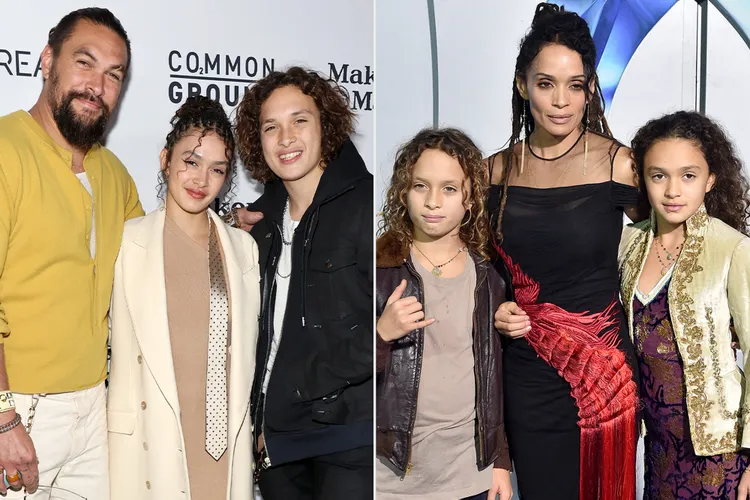
  • llywood Royalty to Low-Key Life: The Truth About Lisa Bonet’s Children


    When you hear the name Lisa Bonet, you probably think of effortless beauty, quiet strength, and a life that has always danced to its own rhythm. But beyond the spotlight, beyond the iconic roles, there’s another side to her story—one that revolves around family, motherhood, and raising children away from the chaos of Hollywood.

    So who are her kids, really? And why are fans suddenly so curious about them?

    Let’s take a closer look at Lola Iolani Momoa and Nakoa-Wolf Manakauapo Namakaeha Momoa—two names you’ve probably heard, but may not fully know.

    A Different Kind of Hollywood Family

    Privacy Over Publicity

    In a world where celebrity kids grow up in front of cameras, Lisa Bonet chose a different path. She built a life centered on privacy, nature, and authenticity.

    No constant paparazzi. No forced fame.

    Just real life.

    Who Is Lisa Bonet as a Mother?

    A Free-Spirited Parenting Style

    Bonet isn’t your typical Hollywood mom. She embraces a holistic, grounded approach to parenting—focusing on emotional intelligence, creativity, and independence.

    Think less red carpets… more barefoot walks and meaningful conversations.

    Meet Lola Iolani Momoa

    The Eldest Daughter

    Born in 2007, Lola Iolani Momoa is the first child of Lisa Bonet and Jason Momoa.

    Growing Up Away From the Spotlight

    Despite having famous parents, Lola’s upbringing has been refreshingly low-key.

    What Makes Lola Stand Out

    • Natural confidence
    • Strong family values
    • A calm, grounded presence

    She’s not chasing fame—and that’s exactly what makes her intriguing.

    Lola’s Personality and Interests

    Creative and Thoughtful

    Lola is often described as introspective and artistic. Whether it’s music, expression, or simply observing the world around her, she carries a quiet depth.

    A Reflection of Her Mother

    You can see Lisa Bonet’s influence in her—subtle, strong, and unapologetically authentic.

    Meet Nakoa-Wolf Manakauapo Namakaeha Momoa

    A Name That Tells a Story

    Born in 2008, Nakoa-Wolf Manakauapo Namakaeha Momoa has one of the most unique names in Hollywood—and it’s deeply meaningful.

    What His Name Represents

    His name reflects Hawaiian heritage and cultural significance, connecting him to his roots in a powerful way.

    Nakoa-Wolf’s Personality

    Energetic and Strong-Willed

    While Lola leans toward calm introspection, Nakoa-Wolf brings a more energetic presence.

    A Balance Within the Family

    Together, the siblings create a dynamic that feels both balanced and real.

    The Influence of Jason Momoa

    A Hands-On Father

    Jason Momoa plays a major role in their upbringing.

    He’s known for being deeply involved—bringing adventure, humor, and a sense of freedom into their lives.

    A Childhood Rooted in Nature

    Life Beyond Hollywood

    Instead of growing up in a fast-paced city, Lola and Nakoa-Wolf spent much of their time surrounded by nature.

    Why This Matters

    It creates:

    • Strong emotional grounding
    • A deeper connection to the world
    • A sense of independence

    Why Fans Are So Curious About Them

    The Mystery Factor

    They’re rarely seen. Rarely interviewed. Rarely exposed.

    And in today’s world, that kind of privacy makes people even more curious.

    Do They Want to Enter Hollywood?

    No Clear Signs—And That’s Intentional

    Unlike many celebrity kids, neither Lola nor Nakoa-Wolf has been pushed into acting or public life.

    A Choice, Not an Expectation

    Their future remains open—and that’s exactly how their parents want it.

    The Bond Between the Siblings

    More Than Just Brother and Sister

    They share a close relationship built on trust, shared experiences, and a unique upbringing.

    Growing Up Together, Away From Chaos

    That bond? It’s something you can’t fake.

    How Lisa Bonet Protects Her Children’s Privacy

    Setting Boundaries With Fame

    Bonet has always been intentional about what she shares—and what she keeps private.

    Why It Works

    Because she understands something many don’t: not everything needs to be public.

    A Blended Family Dynamic

    Connections Beyond Just One Household

    Lola and Nakoa-Wolf are also part of a larger family network, including their half-sister, Zoë Kravitz.

    A Unique Family Structure

    Different parents, shared love, strong connection.

    Lessons From Lisa Bonet’s Parenting Style

    Raising Humans, Not Celebrities

    Her focus isn’t on fame—it’s on character.

    Key Takeaways

    • Encourage individuality
    • Prioritize emotional growth
    • Protect personal space

    Why Their Story Feels So Refreshing

    In a World of Oversharing

    Everything today is documented, posted, and shared.

    But this family? They chose something different.

    And that difference stands out.

    What the Future Might Hold

    Anything Is Possible

    Will they step into the spotlight? Maybe.

    Will they choose a completely different path? Also possible.

    And That’s the Beauty of It

    Nothing is forced. Everything is open.

    The Real Reason People Admire This Family

    Authenticity

    It’s not about fame. It’s not about headlines.

    It’s about living life on your own terms.

    Lisa Bonet’s children, Lola and Nakoa-Wolf, represent something rare in today’s celebrity culture: privacy, authenticity, and grounded living. Raised away from the spotlight but surrounded by love, creativity, and strong values, they embody a different kind of Hollywood legacy—one that isn’t defined by fame, but by freedom.

    And maybe that’s why people can’t stop talking about them.

    Because in a world where everything is loud, their quiet story speaks the loudest.

    1. Who are Lisa Bonet’s children?

    Lisa Bonet has two children with Jason Momoa: Lola Iolani Momoa and Nakoa-Wolf Manakauapo Namakaeha Momoa.

    2. How old are Lola and Nakoa-Wolf?

    Lola was born in 2007, and Nakoa-Wolf was born in 2008.

    3. Are Lisa Bonet’s kids in the entertainment industry?

    No, they have largely stayed out of the public spotlight.

    4. Who is their father?

    Their father is actor Jason Momoa.

    5. Do they have siblings?

    Yes, they have a half-sister, Zoë Kravitz.

    Post Views: 750