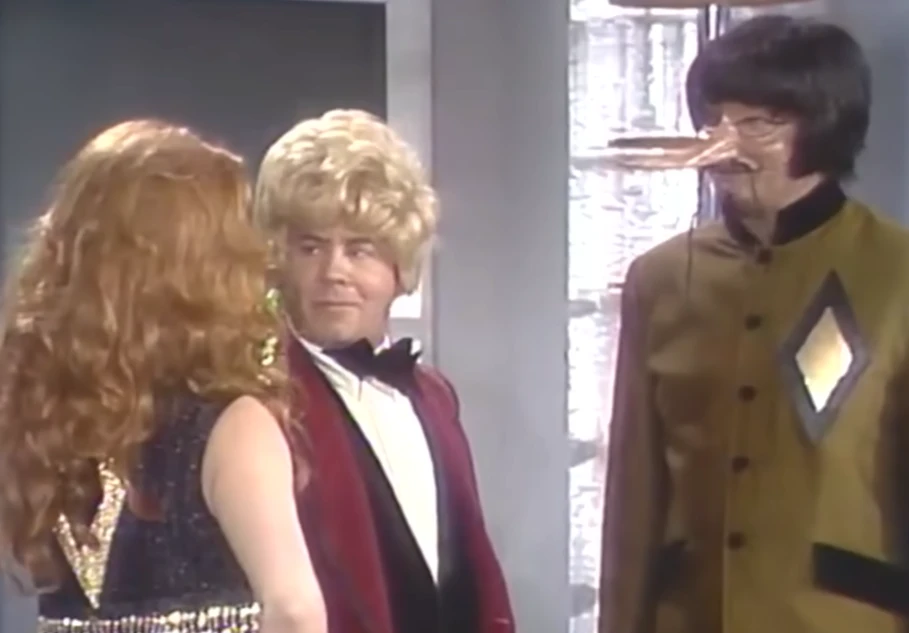
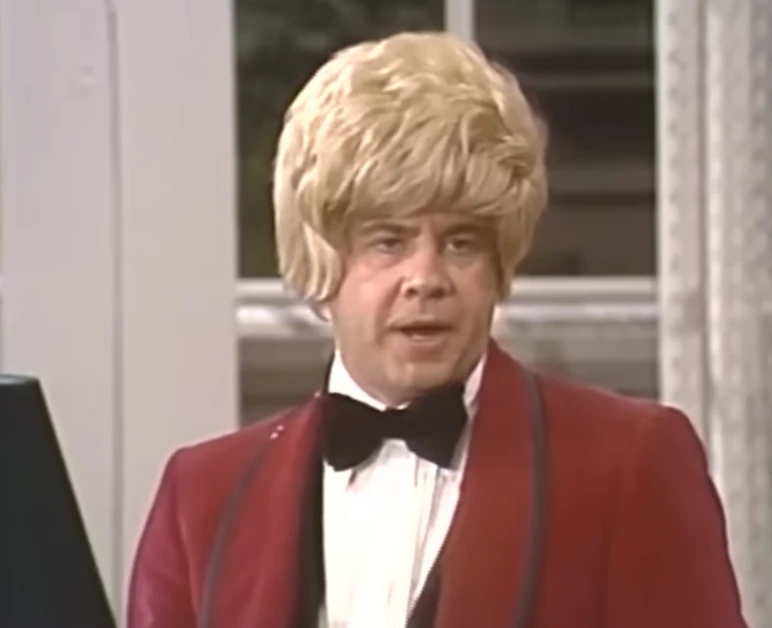
James Blonde begins his latest mission with the confidence of a legendary secret agent and the name of a man who almost sounds familiar. Known only by the code number “00,” he combines smooth manners, improbable gadgets, and astonishing luck while danger waits inside his own hotel room.
The threats arrive immediately. Beautiful assassins attempt to distract and eliminate him, but Blonde responds with weapons hidden inside ordinary objects, including a telephone that can fire like a gun. Nothing in his world behaves normally, especially furniture, electronics, or women wearing evening gowns.
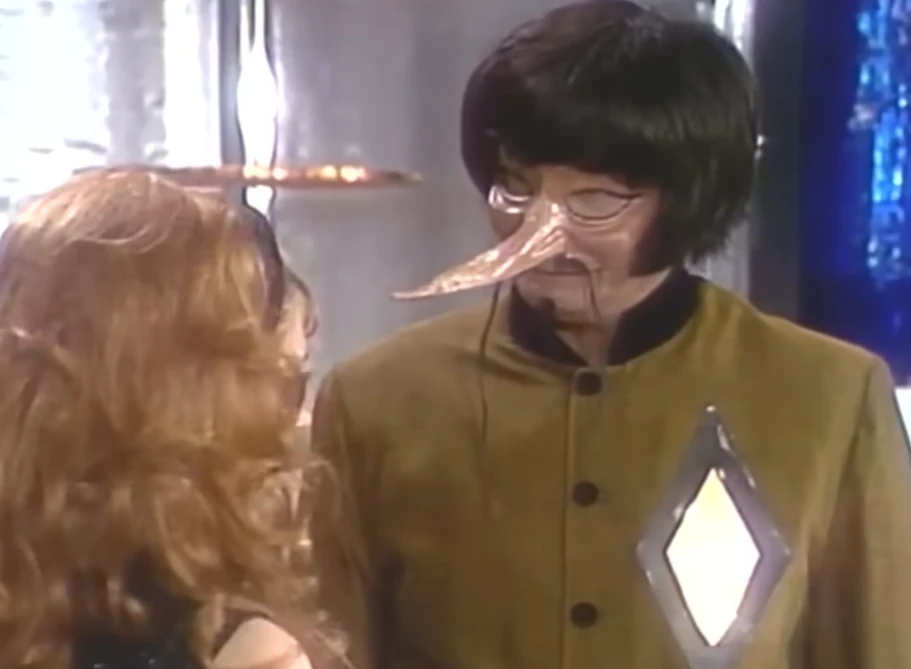
Soon, a laboratory assistant reveals the real crisis. A criminal mastermind called Dr. Nose is demanding three billion dollars from the world while threatening major cities with bomb-carrying satellites. The situation requires courage, intelligence, and apparently a weapon operated by pulling back a fingernail cuticle.
Blonde receives the new finger gun with complete seriousness. It looks ridiculous, feels dangerous, and fits perfectly into the exaggerated spy universe surrounding him. Even the smallest gesture could save civilization or accidentally shoot someone standing nearby.
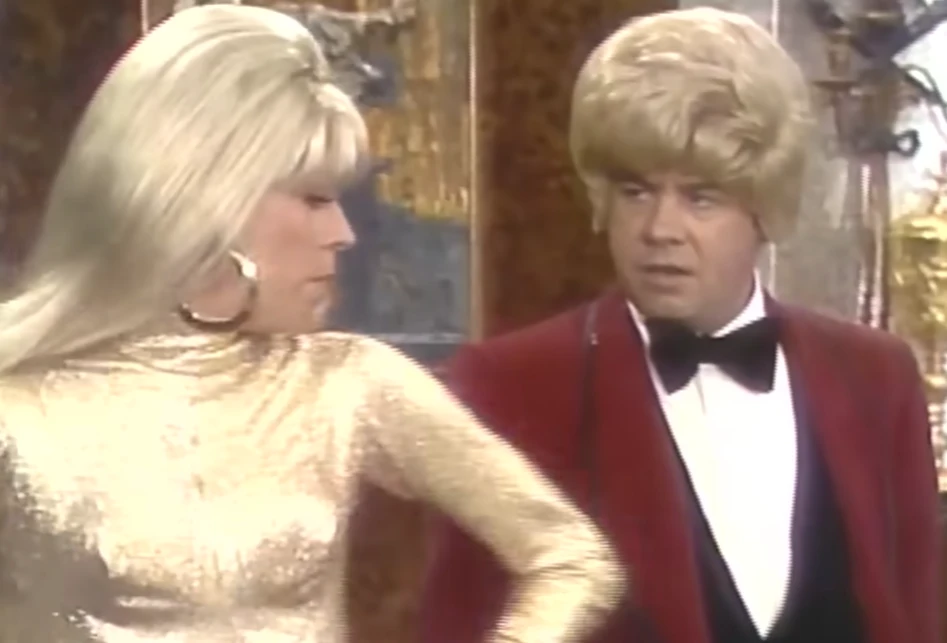
Dr. Nose understands that ordinary henchmen may not stop Blonde, so he sends his most seductive agent, Passion Plenty. Her assignment is simple: keep the spy distracted long enough for the villain’s plan to succeed.
Instead of a normal confrontation, Blonde and Passion enter a formal kissing contest staged like a boxing match. Their romantic battle is divided into rounds, complete with breaks, strategy, and rising physical exhaustion. Every kiss becomes a punch, every embrace becomes a defensive move, and dignity quickly leaves the ring.
Blonde eventually wins through superior kissing technique. Passion collapses under the pressure, but defeat changes her loyalty. She begins falling for the man she was supposed to trap, creating the least professional emotional complication possible.
The mission continues when Blonde flies a helicopter directly into Dr. Nose’s laboratory. There he confronts the villain, whose enormous artificial nose is matched only by his confidence and collection of absurd inventions.
Blonde attempts to use a paralyzing kiss, but Dr. Nose has prepared protective plastic lips. The gadget blocks the attack, allowing the villain to capture the spy and place him beneath a deadly laser.
With Blonde moments from destruction, Passion arrives to rescue him. Dr. Nose responds by revealing his ultimate weapon, a gun built into his nose. The device turns his most noticeable feature into an instrument of death.
Passion quickly changes tactics. She pretends to abandon Blonde, declares her love for Dr. Nose, and invites the villain to kiss her. While he is distracted, she sprinkles pepper beneath his nose and twists it backward into his own ear.
The result is spectacular. Dr. Nose sneezes, triggers his own weapon, and blasts himself away. His master plan ends not through military strategy or advanced technology, but through pepper, romance, and deeply unfortunate facial engineering.
With the world safe, Blonde and Passion decide to retire from espionage. They throw away their secret weapons, including an atomic pair of underwear, and prepare to begin a quieter life together.
Peace lasts only a moment. Blonde accidentally fires his finger gun and wounds Passion, proving that dangerous gadgets remain dangerous even after the villain has disappeared.
By the end, civilization survives, true love wins, and retirement begins with friendly fire. James Blonde may have defeated the world’s strangest villain, but he still cannot safely point at the woman he loves.
It was supposed to be a quiet goodbye after 11 unforgettable years. But on the last night of The Carol Burnett Show, Tim Conway turned a heartfelt farewell into one of television’s most touching surprises.
Standing beside Carol, Conway paused the moment with a calm, knowing smile. He teased a special guest who’d “been here every week with his piano” but had never been allowed on stage. Carol looked puzzled, the audience fell silent… and then the curtain opened.
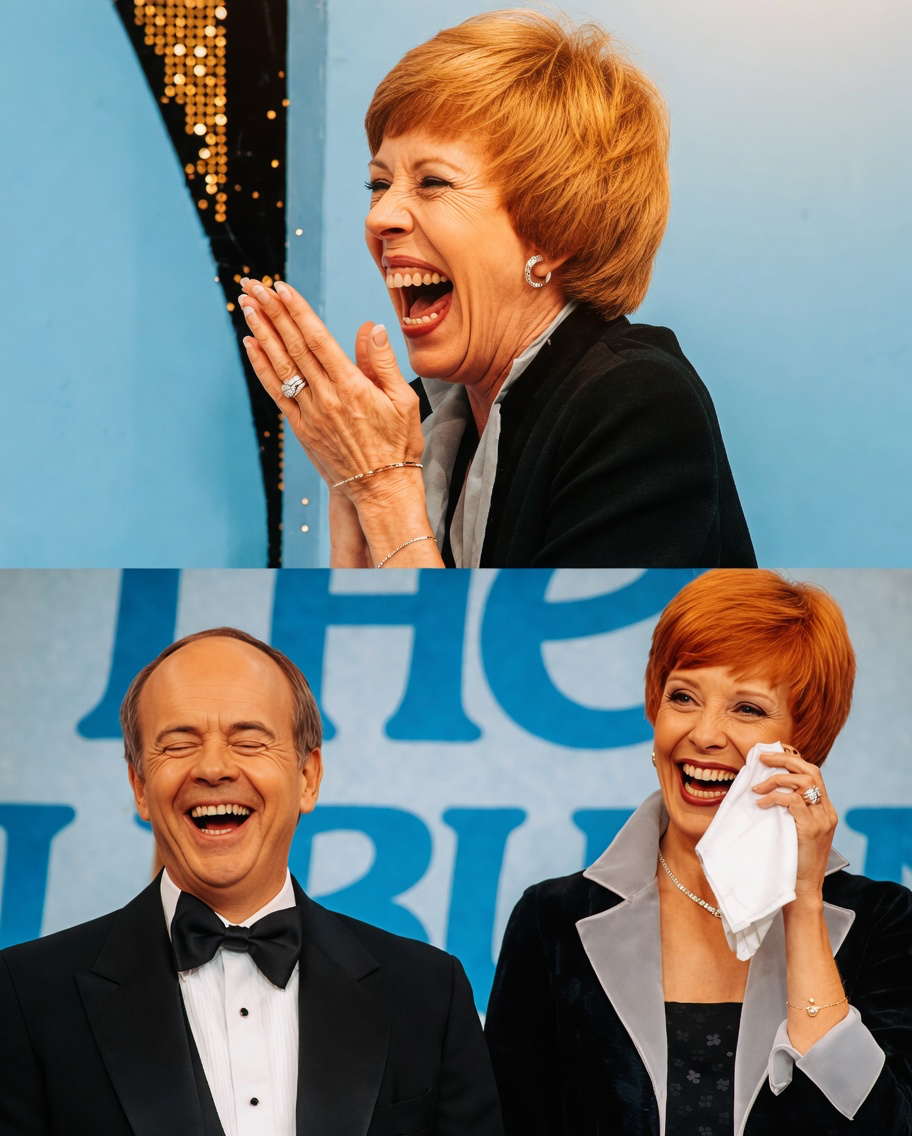
Legendary actor James Stewart stepped into the lights. For Carol, who had idolized him her entire life and never had him as a guest during the entire run, the shock was instant and overwhelming. Her face lit up like a child’s, eyes filling with tears she couldn’t hold back.
What followed wasn’t scripted comedy. It was pure, genuine emotion. Stewart sat at the piano and sang “Ragtime Cowboy Joe” while Carol watched in disbelief and joy. The moment cracked wide open with admiration, gratitude, and the kind of raw connection that television rarely captures.
Stewart later spoke for millions, thanking Carol for 11 years of laughter and beautiful memories. His words, delivered in that unmistakable drawl, landed straight in the heart. Carol, usually the one making others laugh, could barely speak through her happy tears.
This wasn’t just a celebrity cameo. It was a full-circle tribute to a woman who had given America so much joy. The surprise transformed an ordinary closing night into something deeply personal and enduring. For over a decade, The Carol Burnett Show had been a Sunday night ritual for families across the country.
Carol and her cast—Tim Conway, Harvey Korman, Vicki Lawrence, and Lyle Waggoner—delivered sketch comedy that blended slapstick with sharp wit, creating characters like the bumbling Mrs. Wiggins and the iconic “Went with the Wind” parody that still get quoted today. Yet amid all the laughter, Carol remained refreshingly humble, often crediting her team and her audience for the show’s success.
Behind the scenes, the decision to surprise her with Stewart was years in the making. Carol had openly shared in interviews how Jimmy Stewart represented the golden era of Hollywood she grew up loving—his everyman charm in films like It’s a Wonderful Life and Mr.
Smith Goes to Washington inspired her own blend of warmth and comedic timing. The cast and crew kept the secret tightly guarded, knowing her genuine reaction would be priceless television. When Conway delivered the setup, even the studio audience sensed something historic was unfolding. The energy in the room shifted from nostalgic reflection to electric anticipation.
May you like
PN. BREAKING: Caitlin Clark’s Father Delivers Stinging 6-Word Rebuke to Alyssa Thomas – “You Owe My Daughter an Apology”
PN. Dan Dakich Exposes the Real Reason Behind the Wave of “Bullying” Caitlin Clark in the WNBA
PN. ❤️ No Longer Just About Basketball: Dan Dakich Exposes the Real Reason Behind the Wave of “Bullying” Caitlin Clark in the WNBA
Decades later, the clip still goes viral because it reminds us what real stardom looks like—not polish, but honest feeling. In a business built on performance, this moment was beautifully, perfectly real. Fans who rewatch it today often comment on Carol’s unfiltered vulnerability.
In an age of carefully curated social media personas, seeing a comedy icon reduced to happy tears by her hero feels refreshingly human. Clips shared on platforms like YouTube and Facebook rack up millions of views, with viewers sharing their own stories of surprise reunions or childhood idols.
That final episode, titled “A Special Evening with Carol Burnett,” aired on March 29, 1978, and featured more than just the Stewart surprise. It included heartfelt tributes, classic sketches revisited, and emotional goodbyes from the entire ensemble. Yet the Stewart moment stands alone as the emotional peak.
It encapsulated everything the show stood for: joy, connection, and the power of laughter to bring people together. Carol’s career didn’t end that night—she went on to star in films, Broadway, and later series like Mad About You—but that farewell sealed her place in entertainment history.
The legacy continues through reruns, streaming platforms, and new generations discovering the show. Young viewers often find themselves captivated by the same timeless humor that hooked their parents and grandparents.
Tim Conway’s playful mischief, the cast’s unbreakable chemistry, and Carol’s infectious laugh created something bigger than entertainment. It built a community. Moments like the Stewart surprise remind us why variety shows of that era felt like family gatherings. They weren’t just watching television—they were sharing an experience.
In the years since, Carol has spoken fondly of that night, calling it one of the most meaningful gifts she ever received. It wasn’t about ratings or reviews. It was about love and appreciation flowing both ways between a star and her hero.
That final episode didn’t just end a show. It sealed a legacy with laughter, love, and one unforgettable entrance that fans still talk about today. In a world hungry for authentic connection, this heartfelt surprise remains a shining example of television at its most powerful and human.
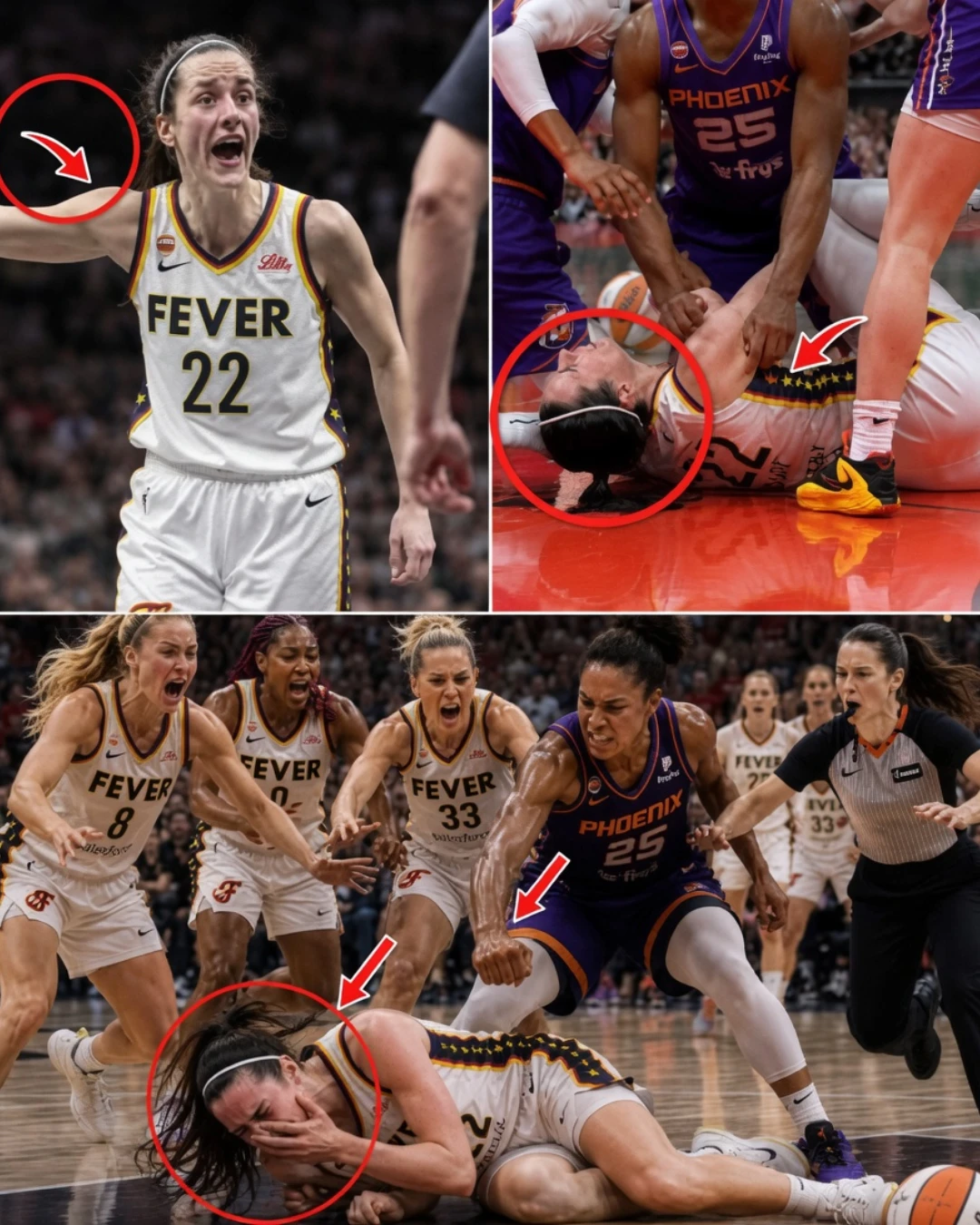
PL.Caitlin Clark holds her shoulder in pain after collision with Alyssa Thomas – Fans panic
Posted July 2, 2026
Caitlin Clark Suffers Devastating Shoulder Injury After Violent Collision — And the Fever’s Entire Season May Have Changed in an Instant For a few terrifying moments, Gainbridge Fieldhouse fell completely silent. Caitlin Clark lay on the hardwood. Teammates surrounded her. WATCH VIDEO: Coaches rushed toward the court. And millions of basketball fans watching across the country suddenly fe…
PP.Faith, Family, and Forging Her Own Path: Inside Emily Ann Roberts’ Most Resilient Season Yet
Posted July 2, 2026
Emily Ann Roberts has always been known for her crystal-clear vocals, traditional country roots, and radiant smile. From her early days as a standout finalist on NBC’s The Voice to her debut on the Nissan Stadium stage at CMA Fest, the Knoxville native has built a career defined by authenticity. However, a recent string of vulnerable reflections has given fans a raw look into the “darkest chap…
PL.CAITLIN CLARK ‘Destroys’ FEVER’S ALL OPPONENTS – Superstar is rewriting WNBA
Posted July 2, 2026
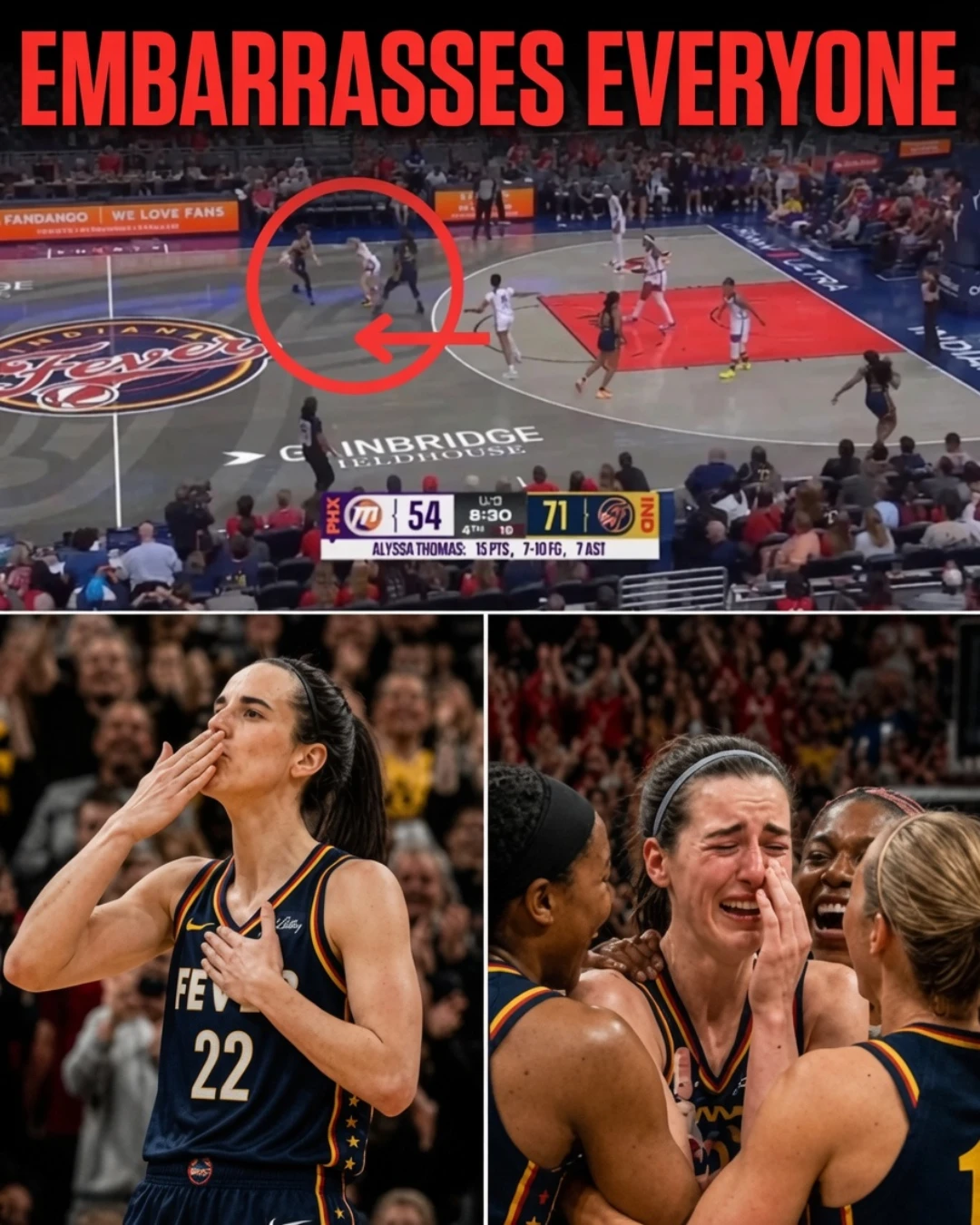
Caitlin Clark is doing it again. Night after night, she steps on the court and embarrasses whoever stands in her way. The Indiana Fever’s superstar is not just playing basketball. She is redefining what the game can look like at the highest level. From impossible long-range shots to elite-level vision that creates plays no one else sees, Clark is operating on a different plane. Opponents ar…
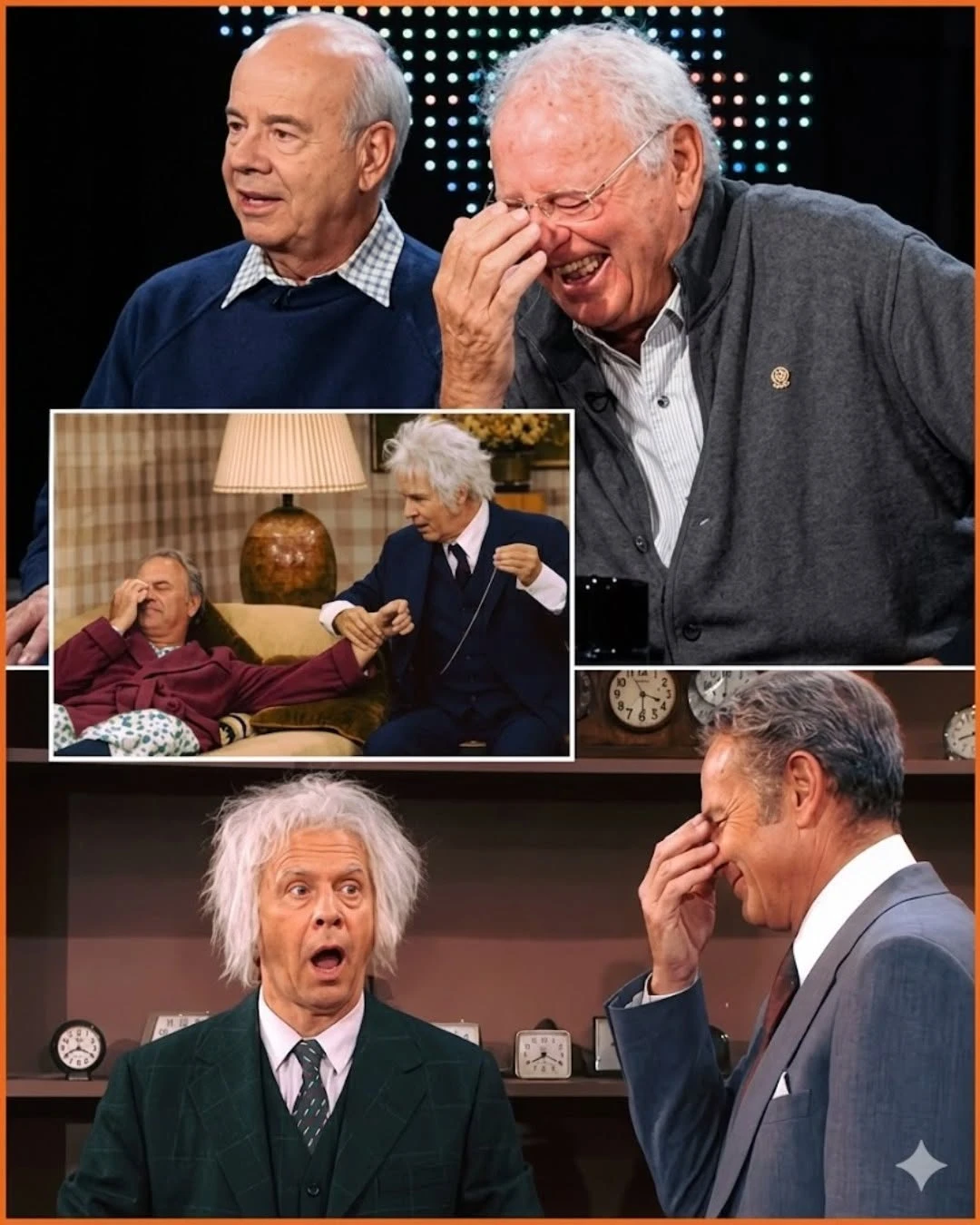
PL.Tim Conway & Harvey Korman – Golden moments that cannot be recreated!”
Posted July 2, 2026
The Friendship Behind the Laughter: Tim Conway and Harvey Korman’s Unbreakable Bond Some comedy partnerships are remembered for the laughs they created. Others are remembered for the friendship behind them. Tim Conway and Harvey Korman gave audiences both. For decades, television viewers watched the two comedy legends create some of the funniest moments in entertainment history. Whether it was…
PP.Emily Ann Roberts’ Heartfelt New Song Is Touching Fans for One Powerful Reason
Posted July 2, 2026
Emily Ann Roberts has always been known for bringing honesty to her music, but her latest release, “Things You Didn’t Know,” is connecting with listeners in a way few expected. Rather than relying on flashy production or chart-chasing trends, the song embraces heartfelt storytelling, focusing on family, growing up, and the quiet sacrifices that often go unnoticed until much later in life. For m…
PL.what was Harvey Korman most afraid of on The Carol Burnett Show?
Posted July 2, 2026
BEYOND THE SCRIPT: The Moment Harvey Korman Knew There Was No Way Out. Harvey Korman later confessed that the scariest part of working with Tim Conway had nothing to do with live TV, forgotten lines, or messing up in front of millions of people. It was something much worse. Conway never stuck to the script—not once in a while, not by mistake, but on purpose. And one night, dur…
Sau khi thông tin Tăng Nhật Tuệ bị bắt vì liên quan đến ma túy được công bố, ca sĩ Pha Lê đã đăng tải tâm thư dài nói về người bạn thân. Nữ ca sĩ thừa nhận Tăng Nhật Tuệ đã sai và đang phải trả giá, nhưng mong mọi người không tiếp tục chỉ trích khi pháp luật đã xử lý vụ việc.
Thông tin ca sĩ, nhạc sĩ Tăng Nhật Tuệ bị cơ quan công an bắt giữ để điều tra về hành vi tàng trữ trái phép chất ma túy và tổ chức sử dụng trái phép chất ma túy khiến dư luận chú ý. Sau khi vụ việc được công khai, ca sĩ Pha Lê – bạn thân của nam nhạc sĩ – đã có bài viết dài trên trang cá nhân chia sẻ về sự việc.
Theo Pha Lê, ngay khi nhận được cuộc gọi từ cơ quan công an thông báo Tăng Nhật Tuệ bị đưa đi làm việc, cô không tin đó là sự thật. Nữ ca sĩ kể thời điểm ấy, phản ứng đầu tiên của cô là nghi ngờ cuộc gọi lừa đảo. Tuy nhiên, khi không thể liên lạc với Tăng Nhật Tuệ, cô đã đến tận nhà kiểm tra và rụng rời khi xác nhận thông tin.
Theo Pha Lê, ngay khi nhận được cuộc gọi từ cơ quan công an thông báo Tăng Nhật Tuệ bị đưa đi làm việc, cô không tin đó là sự thật.
Pha Lê cho biết Tăng Nhật Tuệ sống khá khép kín tại TP.HCM, hầu như không qua lại với nhiều người. Khi làm việc với cơ quan chức năng, nam nhạc sĩ khai rằng mình không có người thân ở đây, chỉ có một người bạn để liên hệ. Vì vậy, công an đã gọi cho Pha Lê để nhờ thông báo với gia đình, tránh việc người thân lo lắng, đi tìm kiếm.
Nữ ca sĩ cho biết ban đầu cô giữ kín sự việc, cho đến khi mẹ của Tăng Nhật Tuệ gọi điện nhờ tìm con trai. Sau đó, bà gửi gắm Pha Lê làm người đại diện của gia đình tại TP.HCM để hỗ trợ các thủ tục cần thiết.
Nhờ sự cho phép của cơ quan chức năng, Pha Lê có một lần duy nhất được gặp Tăng Nhật Tuệ. Cô kể cuộc gặp diễn ra rất nhanh. Khi vào gặp, nam nhạc sĩ vẫn còn đùa với cán bộ rằng không nên cho cô vào vì cô rất dữ. Pha Lê chỉ kịp hỏi bạn chuyện ăn uống, đồ đạc và cần hỗ trợ gì, nhưng chưa nói được nhiều thì Tăng Nhật Tuệ xin phép rời đi vì không muốn làm phiền cô.
Nữ ca sĩ cho biết cuộc gặp ấy chủ yếu để cô thay mặt gia đình xác nhận Tăng Nhật Tuệ đã phạm pháp và đang bị giữ tại cơ quan công an.
Nữ ca sĩ cho biết cuộc gặp ấy chủ yếu để cô thay mặt gia đình xác nhận Tăng Nhật Tuệ đã phạm pháp và đang bị giữ tại cơ quan công an.
Trong bài viết, Pha Lê thẳng thắn thừa nhận Tăng Nhật Tuệ đã sai. Cô viết rằng bạn mình “hư”, “sai không đường cứu” và việc nghiện là sự thật. Theo cô, chỉ người nghiện mới hiểu vì sao trong bối cảnh nhiều nghệ sĩ liên quan đến ma túy bị xử lý, Tăng Nhật Tuệ vẫn không thể dừng lại.
Pha Lê cũng cho biết trước đó cô từng nhắc nhở Tăng Nhật Tuệ khi thấy nhiều người nổi tiếng vướng vào các vụ án ma túy. Tuy nhiên, nam nhạc sĩ phủ nhận việc sử dụng chất cấm nên cô đã tin bạn.
Theo lời Pha Lê, trong quá trình làm việc, Tăng Nhật Tuệ hợp tác tốt với cơ quan chức năng, không chống đối hay có hành vi tiêu cực. Nam nhạc sĩ cũng được động viên tinh thần trong những ngày đầu và hiện đã ổn định hơn, dần chấp nhận thực tế.
Đáng chú ý, Pha Lê viết: “Tuệ là tội phạm, không sai, và Tuệ đang phải trả giá cho việc làm sai trái đó rồi, mọi người không cần phải chỉ trích thêm. Chẳng cần tới sự phán xét của ai cả thì Tuệ cũng đang bị pháp luật trừng trị rồi”.
Pha Lê viết: “Tuệ là tội phạm, không sai, và Tuệ đang phải trả giá cho việc làm sai trái đó rồi, mọi người không cần phải chỉ trích thêm. Chẳng cần tới sự phán xét của ai cả thì Tuệ cũng đang bị pháp luật trừng trị rồi”.
Dù thừa nhận bạn thân phạm pháp, Pha Lê khẳng định trong mắt cô, Tăng Nhật Tuệ vẫn là một người bạn tốt. Điều khiến cô tiếc nuối là không thể hiểu sâu hơn đời tư của bạn để kịp thời khuyên ngăn.
Nữ ca sĩ cũng cho biết sẽ không bỏ rơi Tăng Nhật Tuệ trong giai đoạn khó khăn. Cô mong nam nhạc sĩ cải tạo tốt, giữ sức khỏe, sau này trở về tiếp tục sáng tác và làm lại cuộc đời. Pha Lê khẳng định sẽ ở cạnh mẹ của Tăng Nhật Tuệ, thỉnh thoảng lên thăm nếu được phép.
Cuối bài viết, Pha Lê gửi lời cảm ơn một số đồng nghiệp đã âm thầm hỗ trợ Tăng Nhật Tuệ. Theo cô, dù nam nhạc sĩ không còn ở ngoài xã hội, vẫn có nghệ sĩ chủ động thanh toán tiền bản quyền ca khúc để gia đình có thêm kinh phí lo liệu và phục vụ việc thăm nuôi trong thời gian tới.
Pha Lê bày tỏ mong muốn Tăng Nhật Tuệ giữ được sự tỉnh táo, sức khỏe và sớm hoàn thành quá trình cải tạo để trở về, làm lại cuộc đời.
Tăng Nhật Tuệ có thể đối diện mức án nào sau khi bị bắt trong vụ án ma túy?Ca sĩ, nhạc sĩ Tăng Nhật Tuệ (tên thật Lê Duy Linh) bị xác định có dấu hiệu tổ chức sử dụng trái phép chất ma túy và tàng trữ trái phép chất ma túy, nhiều người quan tâm nếu bị kết tội, nam nghệ sĩ có thể phải đối diện với mức án nào?
Theo Người đưa tin
Xem link gốc https://gocnhinphaply.nguoiduatin.vn/tung-khong-tin-tang-nhat-tue-bi-bat-vi-ma-tuy-pha-le-rung-roi-khi-biet-su-that-roi-viet-nhung-dong-gay-chu-y-44193.html
When the news hit in 2015 that Sawyer Sweeten—the sweet, mischievous face of Geoffrey Barone on Everybody Loves Raymond—had taken his own life at just 19 years old, the world stood still. For fans who watched him grow up on their television screens for nine long years, it felt like losing a member of our own family. But for Ray Romano, who portrayed his father, the pain was deeply personal and incredibly raw.
In the immediate aftermath, Ray’s words echoed the feelings of millions: “I’m shocked and terribly saddened… My heart breaks for him, his family, and his friends during this very difficult time.” But what lies beneath those headlines? How does an on-screen family cope when the cameras stop rolling, and a tragedy of this magnitude strikes?
A Childhood Spent in the Spotlight
Sawyer Sweeten didn’t just grow up; he grew up in the spotlight. Along with his real-life twin, Sullivan, and his older sister, Madylin, Sawyer became a household name before he could even tie his own shoes. Ray Romano and the rest of the cast watched those kids evolve from toddlers into thoughtful young men. That’s a long time to spend with anyone, and it creates a bond that transcends a simple professional contract.
Ray Romano’s Immediate Reaction
When the tragedy occurred, Ray didn’t rely on publicists to draft a cold, corporate statement. He spoke from the heart. He remembered Sawyer as a “wonderful and sweet kid to be around.” He highlighted that “great energy” Sawyer brought to the set every day. It wasn’t just about the acting; it was about the presence of a boy who simply made the room brighter just by being in it.
The “Raymond” Set as a Second Home
For those nine years, the Everybody Loves Raymond set was a second home for the Sweeten children. Phil Rosenthal, the show’s creator, noted that the cast and crew saw these kids as their own. When you spend 40 hours a week with a child, you aren’t just a boss; you’re an uncle, a mentor, and a friend. That’s why Ray’s heartbreak was so palpable—he wasn’t just losing a co-star; he was losing a “son.”
Honoring Sawyer: The 30th Anniversary Reunion
Even a decade later, the wound hasn’t fully healed. During the Everybody Loves Raymond 30th-anniversary reunion in late 2025, the cast took a moment to explicitly honor Sawyer’s memory. Ray Romano’s voice softened as he spoke to Sawyer’s real-life siblings, Madylin and Sullivan. He didn’t just talk about the show; he talked about Sawyer’s “bright energy.” It was a moment of closure, yet also a reminder of what was lost.
Why This Story Still Resonates
Why does the public care so deeply about a tragedy that happened over ten years ago? Maybe it’s because Sawyer represents the vulnerability of youth. We watched him in the most innocent time of his life, and the contrast between that image and his tragic end is hard to reconcile. It forces us to look at the people we care about and wonder, “Are they okay?”
The Complexity of Child Stardom
Being a child star is a unique kind of pressure. You live a life in front of an audience, but you’re still trying to figure out who you are in private. Ray Romano, who has always been known for his grounded nature, understood better than anyone the pressures the Sweeten twins were under. He witnessed them grow, and he remained a supportive presence in their lives even after the series finale.
The Importance of Mentorship
Ray wasn’t just a colleague to Sawyer; he was an on-screen father figure. In the world of entertainment, having a mentor like Romano—who never lost his grip on reality despite his massive success—was a gift. The tragedy reminds us that even with strong mentorship and a loving set, internal struggles can be invisible.
The Power of Genuine Kindness
If there’s a takeaway from how Ray and the rest of the Raymond cast handled Sawyer’s death, it’s the power of genuine kindness. They didn’t retreat into silence. They championed the family, they spoke openly about mental health, and they made sure Sawyer’s legacy was one of warmth, not just tragedy.
Changing the Narrative Around Mental Health
When Sawyer passed away in 2015, the conversation around suicide prevention was different. Today, it’s more open, and the cast’s willingness to discuss Sawyer has played a quiet but significant role in that shift. By showing that even someone as “lucky” as a sitcom star can suffer, they stripped away the stigma that often hides these struggles.
Lessons from the Barone Family
The Barone family was defined by yelling, laughing, and eventually, love. In a way, the cast lived up to that on-screen dynamic in real life. They loved each other loudly and fiercely. When they lost Sawyer, they leaned into that same support system to carry one another through the grief.
Why We Look Back at the Memories
Reminiscing about Sawyer isn’t about wallowing in sadness. It’s about celebrating a young man who left an indelible mark on television. When Ray Romano talks about Sawyer, he talks about the light he brought to the set. That’s the legacy that truly matters.
The Healing Power of Storytelling
Storytelling is what the Raymond cast did for a living, and it’s how they heal. By keeping Sawyer’s name in the conversation, they ensure that he isn’t just a “child star who died young,” but a person who was loved by his cast, his family, and his fans.
What Ray Romano’s Response Teaches Us
Ray’s response teaches us that empathy is a verb. It’s not just a feeling; it’s an action. It’s showing up to a reunion, speaking about a lost friend with tenderness, and being a pillar for their family long after the checks have stopped coming.
Staying Connected to the People We Love
Sawyer’s family, led by Madylin Sweeten, has been vocal about the importance of reaching out to the ones you love. If the cast of a major sitcom can maintain that kind of vigilance and love, so can the rest of us. It’s a simple but vital mandate: check on your people.
A Final Thought on Legacy
In 2026, we look back at Everybody Loves Raymond and see a classic show. But behind the laughter, we see the real human stories that made it happen. Ray Romano’s enduring grief and love for Sawyer is a testament to the fact that while shows end, the relationships forged on set are meant to be for a lifetime.
Conclusion: A Bond That Endures
The loss of Sawyer Sweeten remains a poignant moment in television history, but the way Ray Romano and the rest of the cast have handled it is a masterclass in dignity and love. Ray’s heartbreak was real, his tribute was sincere, and his commitment to keeping Sawyer’s memory alive is a beautiful example of how we should treat our chosen family. He wasn’t just an on-screen son; he was a friend who is deeply missed. In remembering Sawyer, we aren’t just mourning a loss; we are honoring a life that, despite its brevity, brought so much joy to the world.
Frequently Asked Questions
1. What was Ray Romano’s relationship with Sawyer Sweeten? Ray Romano played Sawyer’s father, Ray Barone, on Everybody Loves Raymond for nine years, and he consistently described Sawyer as a wonderful, bright, and sweet person.
2. How did Ray Romano react to the news of Sawyer’s death? Ray Romano was deeply shocked and saddened by the news, stating that his heart was broken for Sawyer’s family and friends.
3. Did the Everybody Loves Raymond cast honor Sawyer after his death? Yes, the cast has honored Sawyer’s memory multiple times, most recently during the show’s 30th-anniversary reunion special in 2025.
4. Why was Sawyer Sweeten so important to the Raymond cast? Sawyer grew up on the show for nine years, leading the cast and crew to view him as a part of their own family rather than just a colleague.
5. Where can someone find support if they are struggling? If you or someone you know is in crisis, you can call or text 988 in the U.S. and Canada to reach the Suicide & Crisis Lifeline, or visit 988lifeline.org for resources.
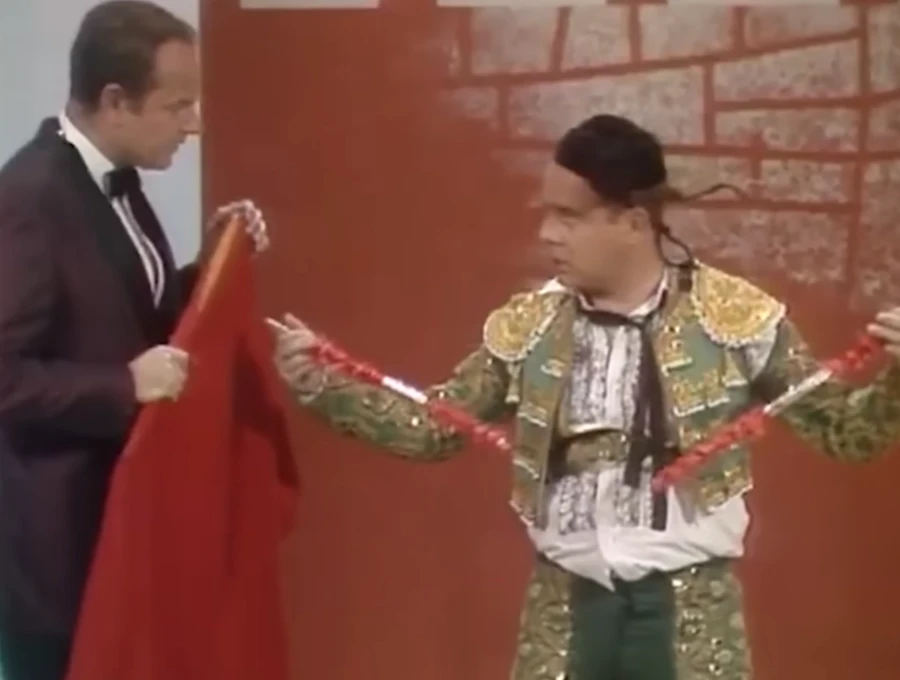
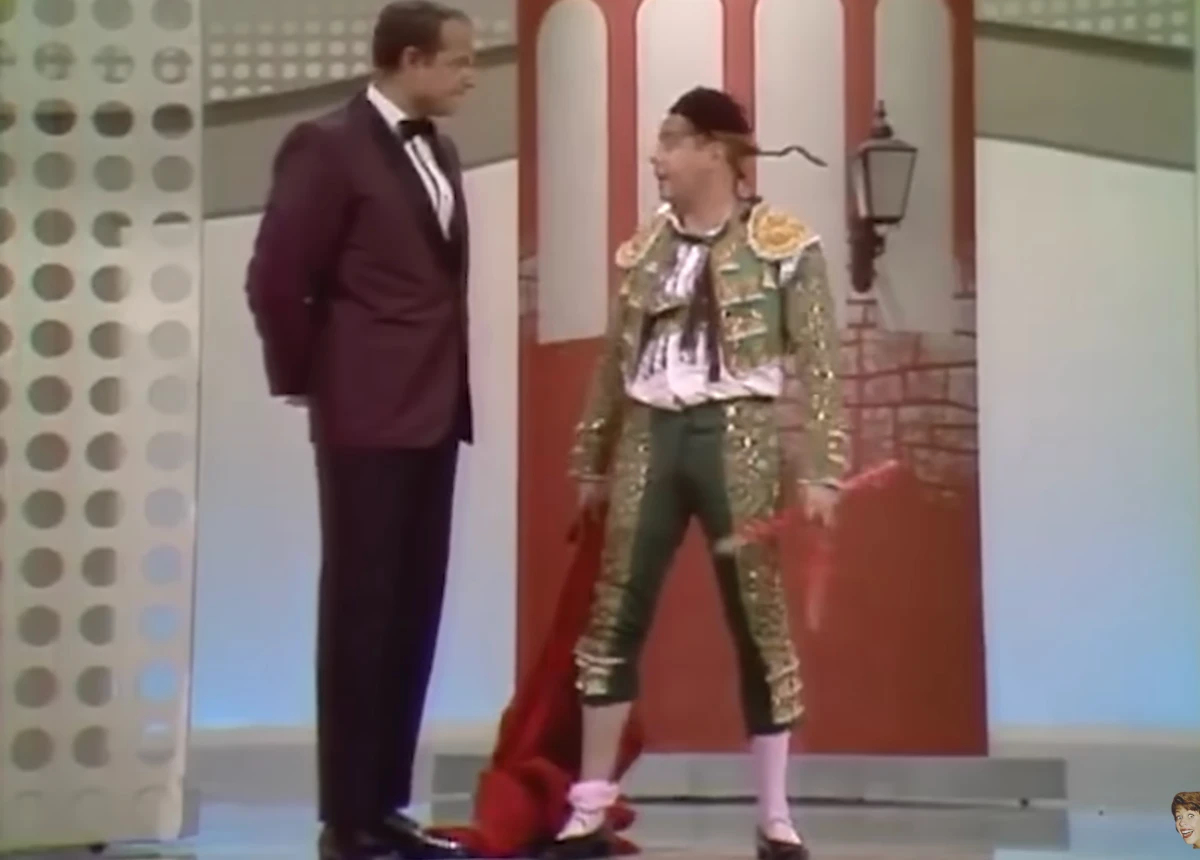
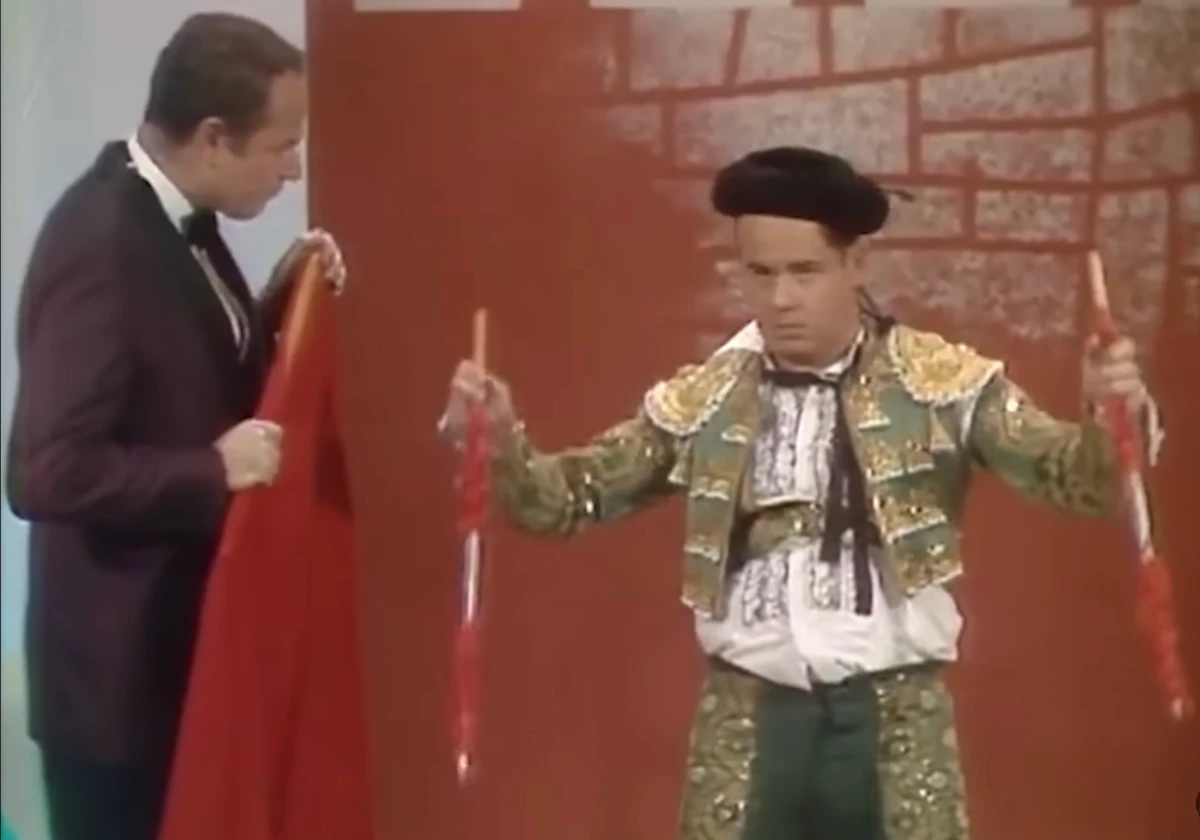
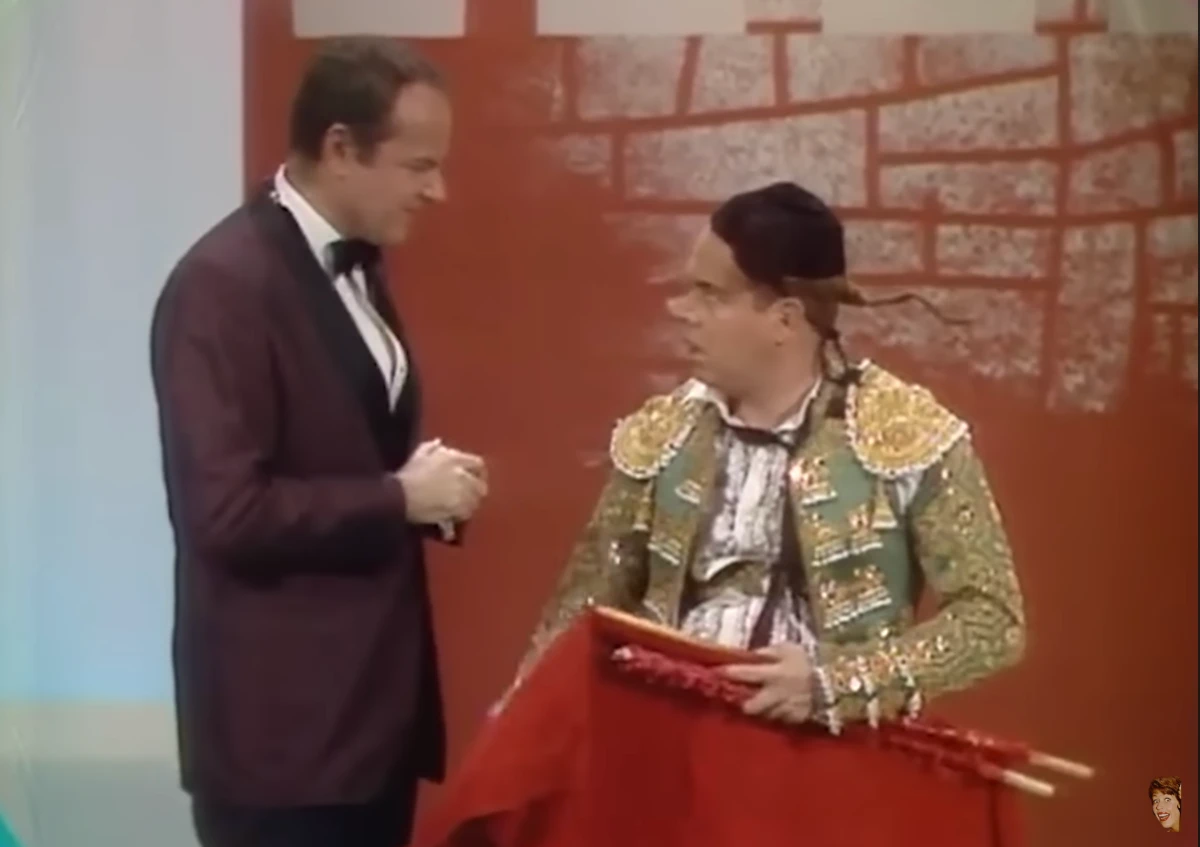
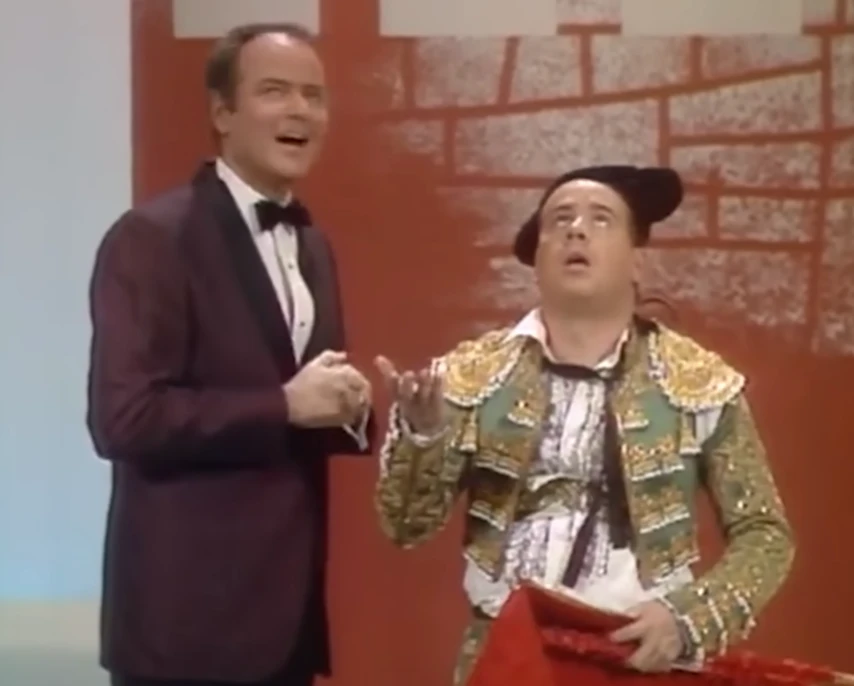
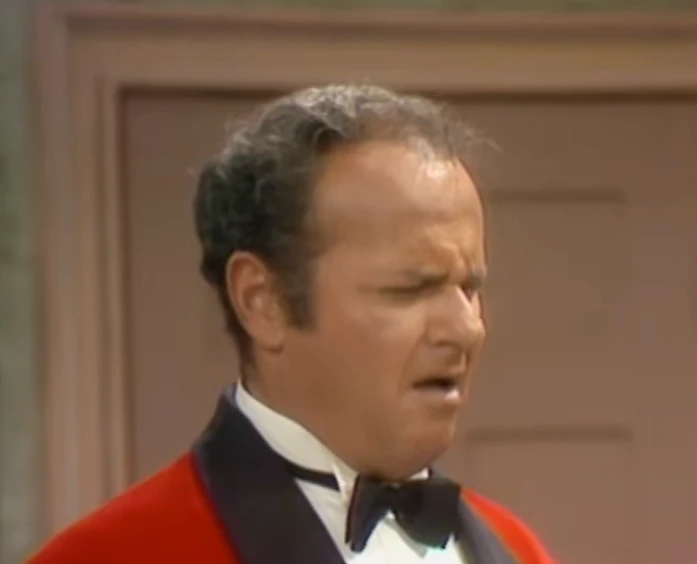
Few athletes would admit that entering an arena completely intoxicated is part of their professional strategy. Doug Herford, the hopelessly impaired bullfighter played by Tim Conway, is clearly not an ordinary athlete.
During a pre-fight television interview on *The Carol Burnett Show*, Herford arrives dressed for battle but appears barely capable of standing. His speech wanders, his body sways, and every answer makes the approaching bull seem increasingly like the safest participant in the event.
Asked why he would enter the ring in such a drunken condition, Herford offers an explanation that sounds perfectly reasonable only to him. He has already attempted bullfighting while sober, he explains, and the experience apparently did not go well.
Drinking gives him the courage to return, although it also creates a serious mathematical problem.
Instead of seeing one charging bull, Herford may see two. With enough alcohol, that number can rise to four. Rather than recognizing this as a dangerous disadvantage, he treats the multiplied animals as additional entertainment.
His elaborate costume provides another source of discomfort. The traditional bullfighting suit is so tight that, according to Herford, it forces the blood into his face, causing his eyes to bulge. The elegant cape movements associated with skilled matadors are also stripped of their dignity.
Herford claims he is not performing an artistic maneuver at all. He is simply trying to chase away fruit flies attracted to him.
The conversation grows stranger when the interviewer asks about his weight. Herford says he weighs approximately 175 pounds, but that figure includes an additional 10 pounds from a bull’s horn still lodged inside his body.
A previous operation apparently failed to remove it, leaving him carrying part of an opponent wherever he goes.
His head has suffered similar occupational damage. Successful bullfighters may receive a bull’s ear as a ceremonial reward, but Herford remembers receiving something quite different.
A bull once kicked him so violently that a hoof became stuck on his head. He now keeps his hair long to hide the evidence, treating the permanent hoof less like a medical emergency and more like an embarrassing hairstyle problem.
Herford then attempts to demonstrate the use of banderillas, the decorated barbed sticks used to provoke a bull. The demonstration immediately proves that putting sharp objects in the hands of a staggering man is a questionable production decision.
Even this accident does not persuade him to reconsider the fight. He reacts with the same confused calm that has carried him through stories of horns, hooves and multiple imaginary bulls.
When the crowd begins roaring from inside the arena, Herford recognizes that his moment has arrived. The interviewer asks whether he traditionally kneels to pray before confronting the bull.
Conway builds the entire performance around understatement. Herford never appears to understand that his career is a collection of disasters. Every injury becomes an inconvenience, every warning becomes encouragement, and every drunken mistake becomes part of his professional technique.
By the time he heads toward the arena, viewers may feel less concerned for the bullfighter than for the confused bull waiting to face him.
A rehearsal is supposed to be the safe place where mistakes happen quietly.
But on The Carol Burnett Show, a rehearsal could become more dangerous than opening night.
That is exactly what happens in the sketch often remembered through the title Tim Conway Plays the World’s Worst Scene Partner.
The setup looks simple at first.
A community theater group is trying to stage A Streetcar Named Desire.
The famous Tennessee Williams drama is supposed to be full of heat, tension, longing, and explosive emotion.
Instead, it becomes a slow-motion comedy wreck.
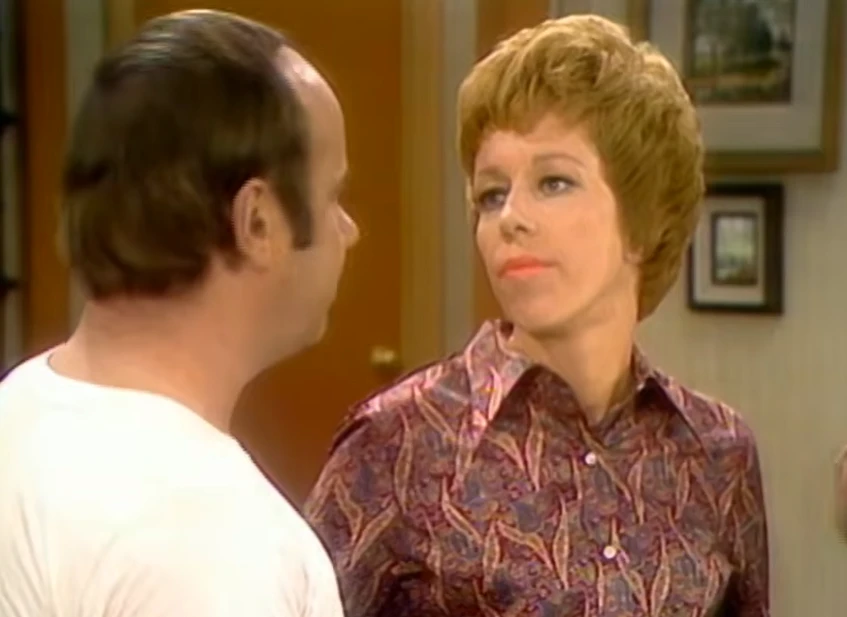
Carol Burnett plays a woman rehearsing the role of Stella.
Her husband Roger is directing the production.
He clearly wants the show to matter because the president of the country club has turned it into a prestige project.
That small detail makes the whole sketch even funnier.
This is not Broadway.
This is not a serious artistic revolution.
This is community theater pressure dressed up like high drama.
The trouble begins before the real rehearsal even starts.
Carol is already frustrated by the idea of being in the play.
She calls the project ridiculous and admits she would not even be doing it if her husband were not directing.
Roger, however, is determined to push forward.
He has a show to put on.
He has scenery to finish.
He has a country club image to protect.
And unfortunately, he has cast George Perkins as Stanley.
George Perkins enters with all the confidence of a man who does not know what room he is in.
He announces himself politely, stiffly, and with none of the dangerous magnetism expected from the role made famous by Marlon Brando.
Carol immediately understands the problem.
Stanley is supposed to be animalistic, raw, physical, and magnetic.
George looks like the opposite of that.
Roger tries to defend him by saying it is all in the acting.
Carol is not convinced.
Her response turns the scene into a miniature war between artistic hope and obvious reality.
Roger wants to believe George can transform.
Carol sees a man who may not survive the first emotional line.
That is where the sketch begins to sharpen.
The comedy is not just that George is bad.
The comedy is that everyone can see he is wrong except the person who hired him.
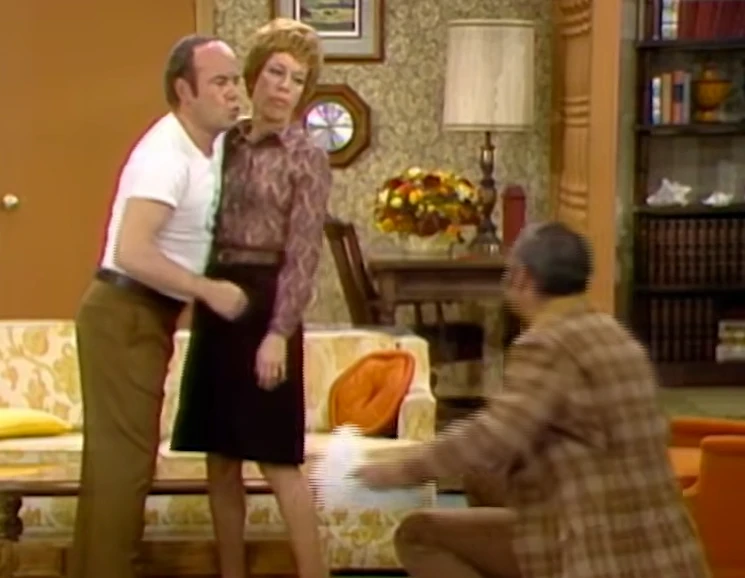
When Roger asks George to strip down to his T-shirt for the famous torn-shirt scene, the rehearsal becomes painfully awkward.
George treats the request like a personal emergency.
He worries about changing in the room.
He worries about the shirt.
He worries about whether Carol actually has to tear it.
Instead of becoming Stanley, he becomes a nervous man protecting his favorite clothing.
That tiny detail is what makes the scene work.
A passionate theater moment becomes a laundry concern.
Carol tries to play Stella with the intensity the scene requires.
Roger keeps pushing for passion, lust, and desire.
George keeps shrinking from the moment.
When Carol reaches for him, he warns her to watch the shirt.
That single line destroys any possibility of romance.
It also exposes the real joke.
The scene does not fail because the actors forget the lines.
It fails because George Perkins is emotionally unavailable to the entire concept of theater.
Roger tries to demonstrate the feeling himself.
He delivers the lines with exaggerated passion, showing what he wants George to do.
But George cannot get there.
He does not burn.
He barely warms up.
Carol becomes more irritated.
Roger becomes more desperate.
The rehearsal starts to feel less like preparation for a play and more like a test of a marriage.
That is when Chuck enters.
Chuck is a pilot, and his arrival changes the energy instantly.
He is confident, relaxed, and masculine in exactly the way George is not.
He jokes about flying big planes and letting passengers watch him and the stewardesses from the cockpit.
It is a classic old-school joke, but inside the sketch, it functions like a flare gun.
Carol notices him.
Roger notices Carol noticing him.
George notices that he has just become even less impressive.
Then Chuck reveals that he once performed Streetcar in college.
Without hesitation, he launches into a powerful, over-the-top version of Stanley calling for Stella.
Suddenly, the room wakes up.
The dead rehearsal becomes alive.
Carol lights up.
Roger panics.
George fades into the background.
In seconds, Chuck becomes everything Roger wanted for the scene and everything Roger does not want near his wife.
That contradiction is the engine of the sketch.
As a director, Roger wants passion.
As a husband, he wants control.
The second Carol and Chuck begin to rehearse, Roger realizes those two desires cannot exist in the same room.
Carol throws herself into the scene.
Chuck plays along with reckless confidence.
The famous torn-shirt moment turns into a comic frenzy.
Carol asks if she can rip the shirt.
Things escalate so quickly that even the costume situation becomes confused.
Chuck points out that the clothing being grabbed is not his shirt but Carol’s blouse.
That line turns the entire rehearsal into a disaster.
Roger explodes.
The play is canceled.
The director is gone.
The husband has taken over.
It is one of those classic Carol Burnett Show reversals where the audience knows exactly why everyone is behaving badly, but the characters are too emotional to admit it.
Carol insists she was only doing what Roger told her to do.
He told her to forget he was her husband.
Roger snaps back that he meant with George Perkins, not with Chuck.
That distinction is ridiculous, jealous, and completely human.
The sketch works because every character is trapped by their own contradiction.
Roger wants artistic realism until it looks too real.
Carol wants to prove the scene can work until it works too well.
George wants to be Stanley without sacrificing his shirt.
Chuck wants to help, but his help nearly destroys the room.
By the end, Roger considers playing Stanley himself.
He knows the lines.
He has studied the play.
He believes that a husband and wife should be able to perform a love scene together.
For one second, it looks like the sketch might turn sweet.
Then he tries to summon the mood.
He calls for Stella.
Carol responds with Chuck’s name.
That final mistake lands like a comic punch in the ribs.
Roger delivers the devastating closer.
Carol has ruined a great play and a mediocre marriage.
It is sharp.
It is absurd.
It is exactly the kind of line that made The Carol Burnett Show feel dangerous in the safest possible way.
Nobody is truly hurt.
Nothing truly collapses.
But for a few minutes, a simple rehearsal becomes a battlefield of pride, jealousy, bad casting, and perfect comic timing.
Tim Conway’s presence as the impossible scene partner makes the entire sketch feel like a lesson in controlled disaster.
He does not need to overpower the scene.
He makes the scene fall apart by resisting everything it needs.
That is the genius.
In a sketch about passion, he becomes the least passionate Stanley imaginable.
In a scene built around desire, he is mostly concerned about a draft and a shirt.
And that is why the audience laughs.
The joke is not just that George Perkins is wrong for the part.
The joke is that the wrong man can sometimes reveal the truth faster than the right one.
A serious play becomes a marital trap.
A rehearsal becomes a comedy explosion.
And one terrible Stanley turns into the reason nobody can look away.
A rehearsal is supposed to be the safe place where mistakes happen quietly.
But on The Carol Burnett Show, a rehearsal could become more dangerous than opening night.
That is exactly what happens in the sketch often remembered through the title Tim Conway Plays the World’s Worst Scene Partner.
The setup looks simple at first.
A community theater group is trying to stage A Streetcar Named Desire.
The famous Tennessee Williams drama is supposed to be full of heat, tension, longing, and explosive emotion.
Instead, it becomes a slow-motion comedy wreck.
Carol Burnett plays a woman rehearsing the role of Stella.
Her husband Roger is directing the production.
He clearly wants the show to matter because the president of the country club has turned it into a prestige project.
That small detail makes the whole sketch even funnier.
This is not Broadway.
This is not a serious artistic revolution.
This is community theater pressure dressed up like high drama.
The trouble begins before the real rehearsal even starts.
Carol is already frustrated by the idea of being in the play.
She calls the project ridiculous and admits she would not even be doing it if her husband were not directing.
Roger, however, is determined to push forward.
He has a show to put on.
He has scenery to finish.
He has a country club image to protect.
And unfortunately, he has cast George Perkins as Stanley.
George Perkins enters with all the confidence of a man who does not know what room he is in.
He announces himself politely, stiffly, and with none of the dangerous magnetism expected from the role made famous by Marlon Brando.
Carol immediately understands the problem.
Stanley is supposed to be animalistic, raw, physical, and magnetic.
George looks like the opposite of that.
Roger tries to defend him by saying it is all in the acting.
Carol is not convinced.
Her response turns the scene into a miniature war between artistic hope and obvious reality.
Roger wants to believe George can transform.
Carol sees a man who may not survive the first emotional line.
That is where the sketch begins to sharpen.
The comedy is not just that George is bad.
The comedy is that everyone can see he is wrong except the person who hired him.
When Roger asks George to strip down to his T-shirt for the famous torn-shirt scene, the rehearsal becomes painfully awkward.
George treats the request like a personal emergency.
He worries about changing in the room.
He worries about the shirt.
He worries about whether Carol actually has to tear it.
Instead of becoming Stanley, he becomes a nervous man protecting his favorite clothing.
That tiny detail is what makes the scene work.
A passionate theater moment becomes a laundry concern.
Carol tries to play Stella with the intensity the scene requires.
Roger keeps pushing for passion, lust, and desire.
George keeps shrinking from the moment.
When Carol reaches for him, he warns her to watch the shirt.
That single line destroys any possibility of romance.
It also exposes the real joke.
The scene does not fail because the actors forget the lines.
It fails because George Perkins is emotionally unavailable to the entire concept of theater.
Roger tries to demonstrate the feeling himself.
He delivers the lines with exaggerated passion, showing what he wants George to do.
But George cannot get there.
He does not burn.
He barely warms up.
Carol becomes more irritated.
Roger becomes more desperate.
The rehearsal starts to feel less like preparation for a play and more like a test of a marriage.
That is when Chuck enters.
Chuck is a pilot, and his arrival changes the energy instantly.
He is confident, relaxed, and masculine in exactly the way George is not.
He jokes about flying big planes and letting passengers watch him and the stewardesses from the cockpit.
It is a classic old-school joke, but inside the sketch, it functions like a flare gun.
Carol notices him.
Roger notices Carol noticing him.
George notices that he has just become even less impressive.
Then Chuck reveals that he once performed Streetcar in college.
Without hesitation, he launches into a powerful, over-the-top version of Stanley calling for Stella.
Suddenly, the room wakes up.
The dead rehearsal becomes alive.
Carol lights up.
Roger panics.
George fades into the background.
In seconds, Chuck becomes everything Roger wanted for the scene and everything Roger does not want near his wife.
That contradiction is the engine of the sketch.
As a director, Roger wants passion.
As a husband, he wants control.
The second Carol and Chuck begin to rehearse, Roger realizes those two desires cannot exist in the same room.
Carol throws herself into the scene.
Chuck plays along with reckless confidence.
The famous torn-shirt moment turns into a comic frenzy.
Carol asks if she can rip the shirt.
Things escalate so quickly that even the costume situation becomes confused.
Chuck points out that the clothing being grabbed is not his shirt but Carol’s blouse.
That line turns the entire rehearsal into a disaster.
Roger explodes.
The play is canceled.
The director is gone.
The husband has taken over.
It is one of those classic Carol Burnett Show reversals where the audience knows exactly why everyone is behaving badly, but the characters are too emotional to admit it.
Carol insists she was only doing what Roger told her to do.
He told her to forget he was her husband.
Roger snaps back that he meant with George Perkins, not with Chuck.
That distinction is ridiculous, jealous, and completely human.
The sketch works because every character is trapped by their own contradiction.
Roger wants artistic realism until it looks too real.
Carol wants to prove the scene can work until it works too well.
George wants to be Stanley without sacrificing his shirt.
Chuck wants to help, but his help nearly destroys the room.
By the end, Roger considers playing Stanley himself.
He knows the lines.
He has studied the play.
He believes that a husband and wife should be able to perform a love scene together.
For one second, it looks like the sketch might turn sweet.
Then he tries to summon the mood.
He calls for Stella.
Carol responds with Chuck’s name.
That final mistake lands like a comic punch in the ribs.
Roger delivers the devastating closer.
Carol has ruined a great play and a mediocre marriage.
It is sharp.
It is absurd.
It is exactly the kind of line that made The Carol Burnett Show feel dangerous in the safest possible way.
Nobody is truly hurt.
Nothing truly collapses.
But for a few minutes, a simple rehearsal becomes a battlefield of pride, jealousy, bad casting, and perfect comic timing.
Tim Conway’s presence as the impossible scene partner makes the entire sketch feel like a lesson in controlled disaster.
He does not need to overpower the scene.
He makes the scene fall apart by resisting everything it needs.
That is the genius.
In a sketch about passion, he becomes the least passionate Stanley imaginable.
In a scene built around desire, he is mostly concerned about a draft and a shirt.
And that is why the audience laughs.
The joke is not just that George Perkins is wrong for the part.
The joke is that the wrong man can sometimes reveal the truth faster than the right one.
A serious play becomes a marital trap.
A rehearsal becomes a comedy explosion.
And one terrible Stanley turns into the reason nobody can look away.
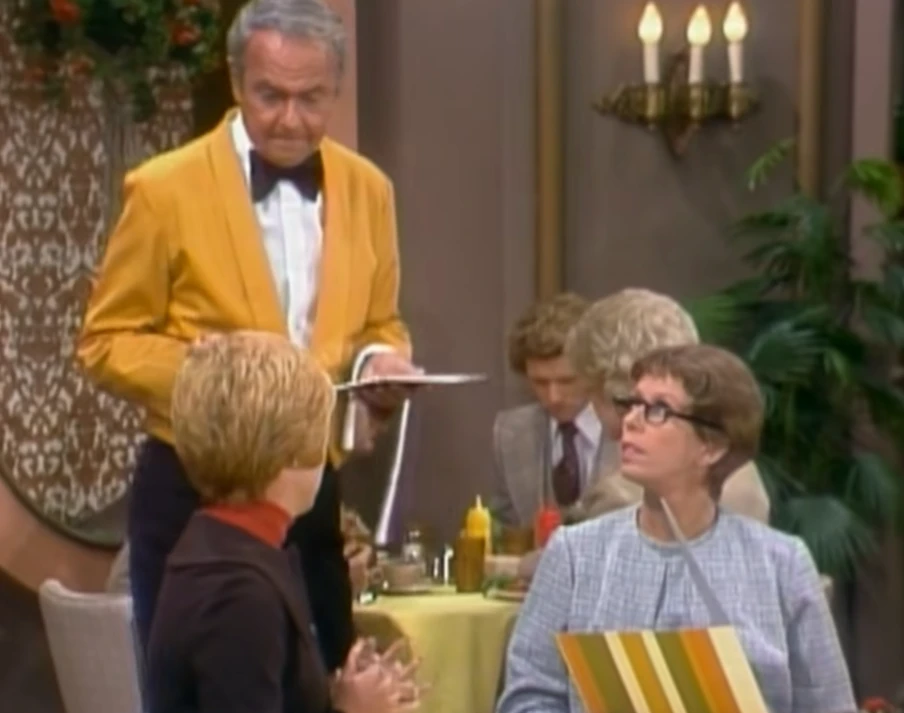
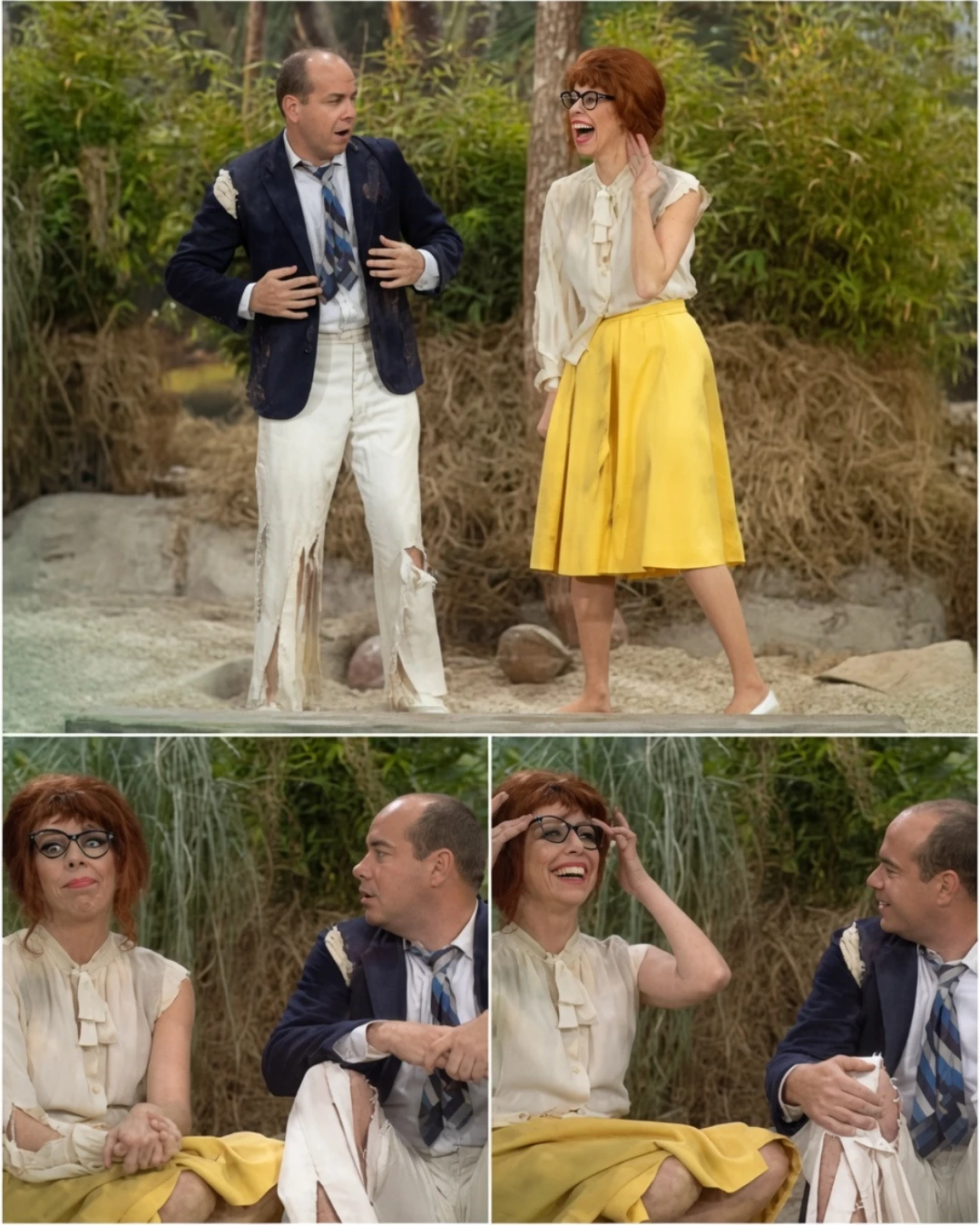
Harriet arrives at a restaurant hoping for lunch with her friend Felicia, but the meal quickly confirms her worst fear. She believes the world barely notices her, and within minutes, everyone around her behaves as though she has vanished completely.
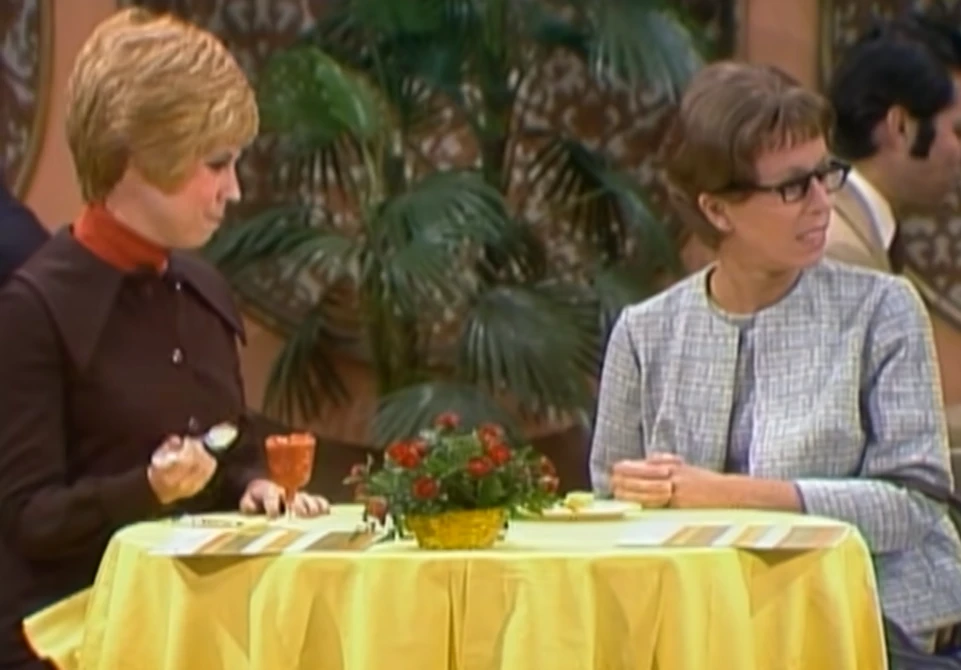
Sitting across from Felicia, Harriet explains that she feels invisible, lonely, and forgotten by everyone she meets. Felicia listens sympathetically, but the restaurant soon turns Harriet’s private insecurity into a public nightmare filled with missing silverware and ignored orders.
The waiter approaches the table and focuses only on Felicia. He takes her order for shrimp cocktail and a well-done steak while Harriet repeatedly tries to get his attention. Her calls grow louder, yet he continues acting as if the opposite chair is empty.
Felicia finally points out that Harriet would also like to order. The waiter looks surprised and apologizes, explaining that he simply did not notice her. For Harriet, the remark sounds like official confirmation that she barely exists in the room.
The table appears prepared for only one diner. There is one place setting and no sign that another guest was expected. When Felicia asks for silverware for Harriet, the waiter seems amazed to learn the two women arrived together.
Food arrives with the same insulting pattern. The waiter brings Felicia’s shrimp cocktail but forgets Harriet’s portion entirely. Harriet watches her friend eat while trying to participate in a meal that the staff apparently believes includes only one customer.
Things become more absurd when another man approaches and asks whether Harriet’s chair is available. Before she can react, he nearly sits directly on top of her. The waiter has apparently told him that the seat is empty.
Harriet’s struggle continues through every detail. She has no fork, receives no proper service, and cannot make herself visible no matter how much she speaks. While clearing dishes, the waiter even drags greasy meat residue across her forehead without realizing it.
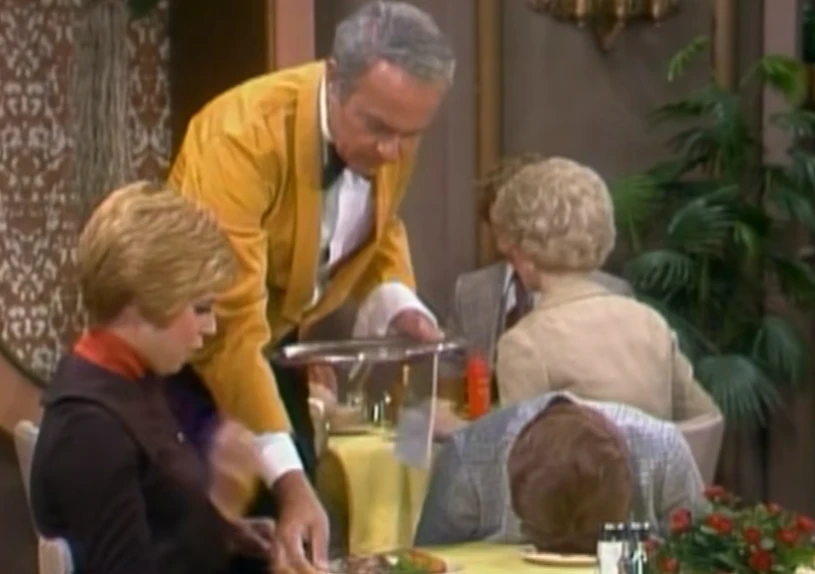
Felicia eventually leaves the table to clean herself up in the restroom. Harriet remains behind, alone and increasingly frustrated. Then the waiter appears with a large service cart stacked with trays and plates, creating the sketch’s biggest physical gag.
Without looking behind him, he backs the cart into Harriet’s table. The impact pushes the table across the restaurant while Harriet desperately clings to it. She is dragged along as the waiter continues moving, unaware that he is relocating both furniture and customer.
The comedy works because Harriet’s complaint is understandable, while every response around her becomes impossibly exaggerated. Carol Burnett combines wounded dignity with explosive frustration, Harvey Korman provides sympathetic contrast, and Tim Conway plays indifference with perfect calm.
By the end, Harriet has attracted attention, though not in the way she hoped. Her lunch becomes a parade of neglect, collisions, and embarrassment, proving that in classic sketch comedy, being noticed can sometimes be even more dangerous than being invisible.
Long before social media gave us endless streams of viral comedy clips, audiences gathered around their television sets to witness a different kind of magic.
There were no hashtags, no trending sounds, and certainly no TikTok challenges.
Instead, there was one man whose unmatched talent for improvisation and physical comedy left millions of viewers in tears from laughter: Tim Conway.
For generations of television fans, The Carol Burnett Show wasn’t just another variety program—it was a weekly comedy event that showcased some of the greatest performers in entertainment history.
WATCH VIDEO:
Among its incredible cast, Tim Conway quickly became the secret weapon who could transform even the simplest sketch into an unforgettable masterpiece.
His remarkable ability to stay completely committed to absurd characters while causing his fellow actors to lose their composure became one of the show’s most beloved trademarks.
What made Conway truly extraordinary wasn’t just his impeccable timing.
It was his fearless creativity.
He often introduced unexpected gestures, bizarre facial expressions, or completely improvised dialogue that no one else saw coming.
The result?
His co-stars frequently burst into genuine laughter right in the middle of scenes, creating some of television’s most iconic unscripted moments.
One of the most famous examples remains the legendary “Dentist” sketch.
Conway plays an inexperienced dentist who accidentally numbs his own hand instead of his patient.
What follows is a brilliantly choreographed sequence of slapstick comedy as he struggles to control his supposedly lifeless arm.
Every awkward movement, accidental punch, and exaggerated stumble builds into pure comedic chaos.
Even decades later, viewers continue discovering the sketch online and are amazed by how perfectly the physical comedy still works.
Another unforgettable performance came during the famous “Mrs. Wiggins” office sketches.
Playing the hilariously clueless businessman Mr. Tudball opposite Carol Burnett’s equally scatterbrained secretary, Conway turned ordinary workplace situations into nonstop comedy.
His deadpan delivery contrasted perfectly with Burnett’s expressive reactions, creating a chemistry that remains unmatched in television history.
Perhaps nothing demonstrates Conway’s genius better than the legendary “Siamese Elephants” sketch.
As the cast struggled desperately to remain serious, Conway continued escalating the ridiculousness with complete confidence.
Watching accomplished professional performers completely lose control became almost as entertaining as the sketch itself.
WATCH VIDEO:
Their genuine laughter wasn’t planned—it simply couldn’t be avoided.
Fans also remember Conway’s unforgettable “Oldest Man” character, whose painfully slow movements transformed simple tasks into epic comedic adventures.
Whether climbing stairs, opening a door, or crossing a room, every action became an exercise in patience and anticipation.
Instead of relying on fast-paced jokes, Conway proved that slowing everything down could actually make the payoff even funnier.
What separated Tim Conway from many comedians was his remarkable versatility.
He didn’t depend on controversial humor, offensive language, or elaborate special effects.
His comedy was built on universal human behavior, expressive body language, and brilliant character work.
Children laughed at the physical gags, while adults appreciated the subtle timing and clever improvisation beneath every performance.
Carol Burnett herself often admitted that working with Conway could be incredibly challenging—not because he was difficult, but because he constantly surprised everyone on stage.
Cast members never knew when he might introduce an unexpected line or hilarious gesture.
This unpredictability kept every performance feeling fresh, spontaneous, and authentic.
The chemistry between Conway and fellow cast member Harvey Korman became legendary.
Korman was notorious for breaking character whenever Conway launched into one of his unexpected routines.
Instead of ruining the sketches, these moments became fan favorites.
Audiences loved seeing professional actors laugh just as hard as the viewers at home.
It reminded everyone that comedy, at its best, creates genuine joy that simply can’t be faked.
In today’s world of carefully edited viral videos, Conway’s performances feel remarkably authentic.
Every laugh, every mistake, and every surprised reaction happened in real time before a live audience.
There were no second takes designed for social media.
What viewers saw was the result of extraordinary talent, quick thinking, and years of experience performing live.
The internet has introduced Tim Conway to an entirely new generation.
Clips from The Carol Burnett Show regularly circulate across YouTube, Facebook, Instagram, and TikTok, attracting millions of views from people who may have never heard of classic television comedy.
Many younger viewers are astonished to discover that sketches created over fifty years ago remain just as hilarious today.
Comedy trends constantly evolve, but truly timeless humor never disappears.
Conway’s work proves that great comedy depends less on current references and more on universal human experiences.
Awkward situations, exaggerated confidence, unexpected accidents, and perfectly timed reactions remain just as funny now as they were decades ago.
His influence can still be seen in countless comedians who emphasize character-driven performances and improvisation.
While technology has changed how audiences discover entertainment, the fundamentals of making people laugh have stayed remarkably consistent.
Conway mastered those fundamentals better than almost anyone.
Perhaps that’s why these classic sketches continue finding new fans every year.
They remind us that genuine laughter doesn’t require expensive visual effects or viral marketing campaigns.
Sometimes all it takes is one extraordinarily talented performer willing to fully commit to an absurd idea.
So if you’ve only experienced comedy through short-form videos and internet memes, it’s worth taking a trip back in time.
Watching Tim Conway perform on The Carol Burnett Show isn’t simply a nostalgic experience—it’s a masterclass in comedic brilliance.
Within just a few minutes, you’ll understand why these sketches have remained beloved for generations and why audiences continue laughing just as hard today as they did when the curtain first rose.
Some comedians become popular for a season.
Others become legends.
Tim Conway unquestionably belongs to the latter.
His unforgettable performances remind us that while platforms may change and trends may come and go, true comedic genius is timeless.
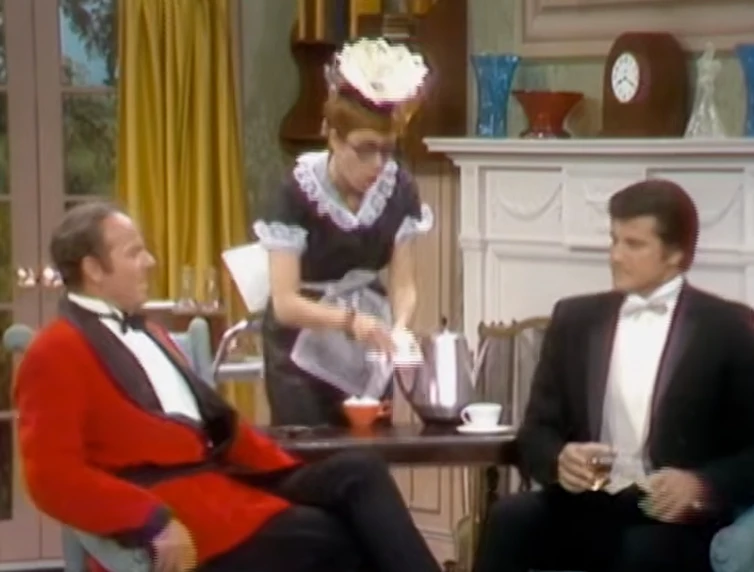
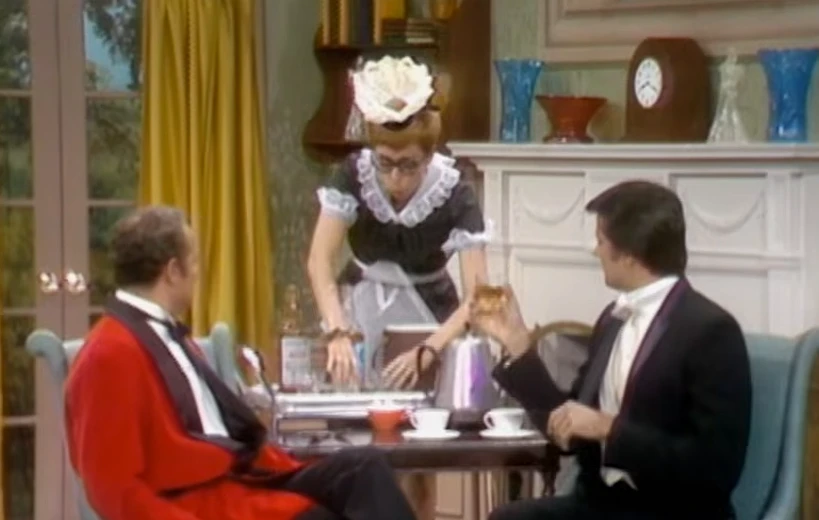
A Small-Town Maid Walked Onto The Stage With No Lines, Then Turned A Serious Murder Scene Into Total Chaos.
Every summer, when Hollywood and Broadway stars traveled across America to perform in small-town theaters, the idea sounded charming.
Big names would headline the show.
Local performers would fill the smaller roles.
Audiences would buy tickets because they wanted to see a famous actor in person.
But every once in a while, that “local talent” did not quietly blend into the background.
Sometimes, that local talent became the entire problem.
That is exactly where the trouble begins in this unforgettable Carol Burnett Show sketch.
The scene opens backstage on opening night, where the atmosphere is supposed to feel dramatic, elegant, and professional.
A celebrated actor named Lionel Cromwell is preparing to take the stage in what appears to be a tense mystery play filled with blackmail, murder accusations, hidden proof, and danger.
He expects control.
He expects silence.
He expects the small supporting actors to know their places.
Then Carol Burnett’s character walks in.
She is the local girl hired to play the maid.
Her job is simple.
Hang up a coat.
Mix a drink.
Pour some coffee.
Hand over a newspaper.
Stay quiet.
That is all.
The only problem is that she does not want to stay quiet.
She knows her hometown friends are sitting out in the audience.
She knows this is her big chance to be seen.
And she is painfully aware that her role has no lines.
For a small-town performer standing next to a big star, that is almost a tragedy of its own.
She tries to explain that nobody will notice her if she does not get something to say.
Cromwell, already irritated, makes it clear that this is exactly what he wants.
He does not need personality.
He does not need ambition.
He needs a maid who behaves like furniture.
But Carol’s character is not built to disappear.
She is nervous, eager, awkward, and desperate to turn one silent role into a hometown triumph.
That tiny desire becomes the fuse for the entire disaster.
Once the curtain rises, the play begins as a dark drawing-room thriller.
Cromwell’s character, Hamilton, confronts a man named Denton.
Denton is accused of blackmail.
Hamilton insists that Denton has been taking money from him over a supposed murder.
The stakes are high.
The dialogue is intense.
The audience is meant to feel suspense.
Then the maid enters.
At first, she does what she was told.
She takes a cloak.
But even that simple movement becomes bigger than it should be.
Instead of quietly serving the scene, she makes her presence impossible to ignore.
The more the actors try to continue the dramatic exchange, the more she starts pulling attention away from them.
Hamilton tells Denton that he is not afraid anymore.
He claims he has proof that he did not kill Arnold Grimsby.
Denton is shaken.
The mood is supposed to tighten.
Then the maid appears again, hovering around the action like a one-woman storm.
When Denton asks for a drink, Hamilton orders the maid to make one.
This should be a background action.
Instead, it turns into a full performance.
She does not simply prepare a drink.
She builds a silent comedy routine around it.
Every movement stretches the tension.
Every sound steals focus.
Every glance suggests that she knows exactly how little stage time she has and intends to use every second of it.
The play keeps trying to be a murder mystery.
Carol keeps turning it into a comedy ambush.
Denton gives up on the drink and asks for black coffee.
That should fix things.
It does not.
The coffee service becomes another disaster.
The cup, the sugar, the spoon, the timing, the physical business, and the audience reaction begin to overwhelm the actual plot.
The actors are still talking about murder, memory loss, blackmail checks, and police evidence.
But everyone watching knows the truth.
The maid has hijacked the room.
Hamilton reveals the twist.
Arnold Grimsby is not dead.
According to the morning newspaper, Grimsby survived, suffered memory loss, then regained it after another accident.
That revelation should destroy Denton’s power.
It proves that Hamilton was never a murderer.
It also proves that Denton used a lie to blackmail him.
In a serious play, this would be the turning point.
In this sketch, it is merely another setup for Carol’s chaos.
Hamilton needs the newspaper.
The maid brings it.
But nothing she does happens normally.
She keeps inserting herself into the mechanics of the scene without technically having any lines.
That is the genius of the joke.
She is not breaking the script by speaking.
She is breaking it by existing too loudly.
Cromwell’s character tries to regain control.
Hamilton announces that he is calling the police.
He asks the maid for the phone.
This should launch the final confrontation.
Instead, the audience already senses disaster coming.
Denton pulls a gun.
The murder mystery suddenly becomes a life-or-death scene.
He warns Hamilton that he will not live long enough to call anyone.
This is supposed to be Denton’s big dramatic moment.
But even here, Carol’s maid refuses to vanish.
The tension collapses into physical mayhem.
The gun, the actors, the staging, and the maid’s frantic interference collide until the entire “serious” production becomes something completely different from what Lionel Cromwell imagined backstage.
What began as a polished star vehicle becomes a public meltdown.
The famous actor wanted a silent maid.
Instead, he got a scene-stealing local performer who turned every prop into a weapon of comedy.
That is why the sketch works so well.
The humor does not come from one punchline.
It comes from watching a fragile theatrical machine slowly fall apart because one person refuses to be invisible.
Carol Burnett’s character is ridiculous, but also strangely relatable.
She has waited for her moment.
She has friends in the crowd.
She has no lines.
And if the script will not give her attention, she will find it in the coat, the drink, the coffee, the newspaper, the spoon, and the phone.
By the end, the murder plot barely matters.
The real mystery is how one maid with nothing to say managed to become the loudest person on stage.
That is classic Carol Burnett comedy.
It starts with a simple premise.
It builds through timing, facial expressions, props, and escalating panic.
Then it explodes into the kind of chaos that makes a live audience lose control.
Lionel Cromwell wanted opening night to belong to him.
But the second Carol walked onstage as the maid, the spotlight quietly changed owners.
And the funniest part is that she did it without ever needing the lines she wanted so badly.
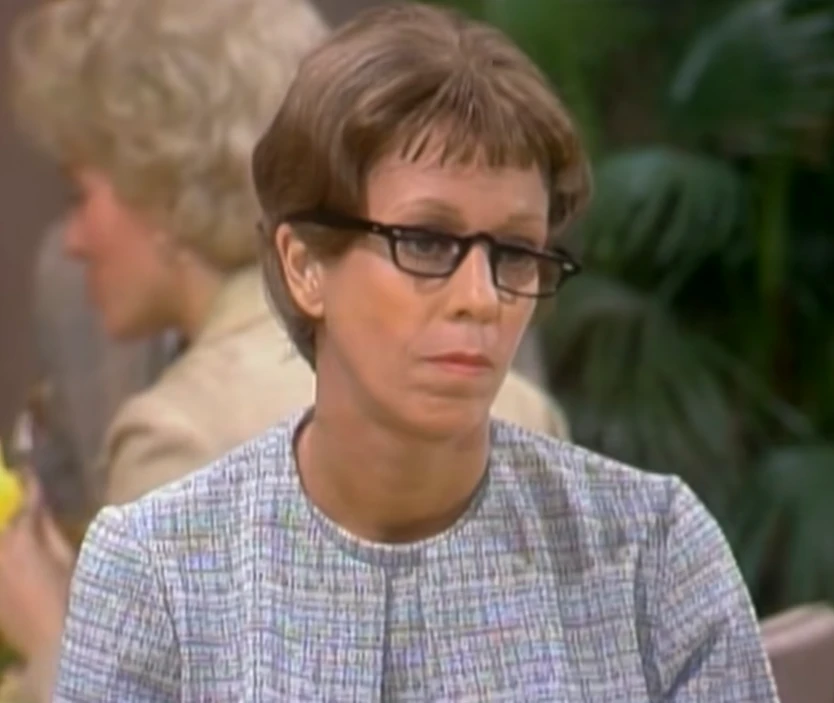
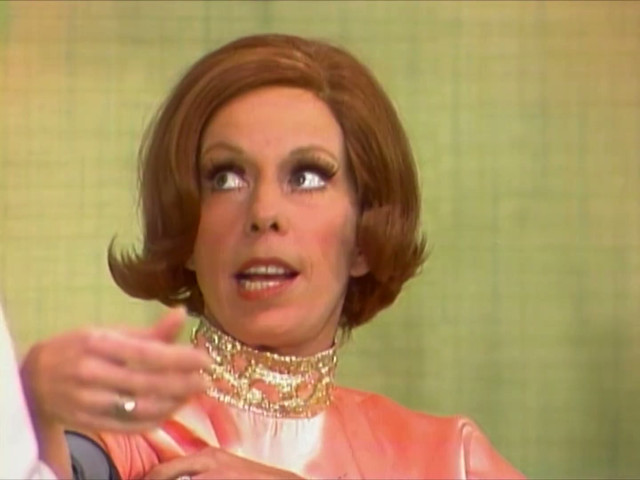
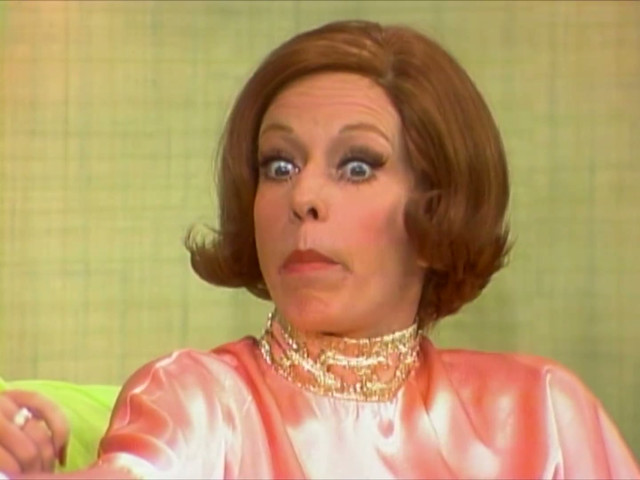
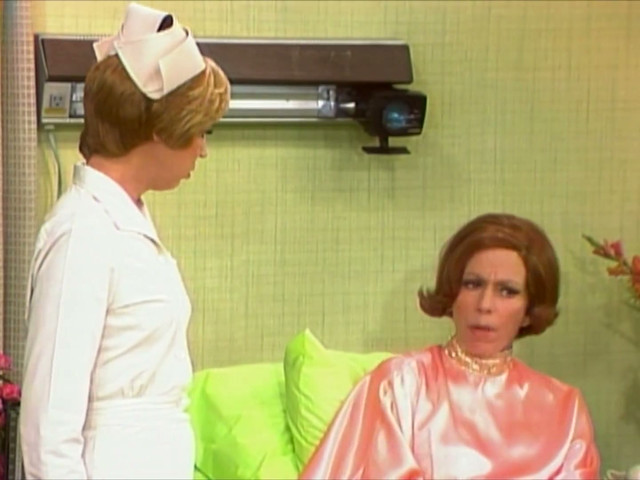
Hospital Waiting Room Reunion Escalates Into Status Duel Over Husbands And Flower Bills
The hospital waiting room hums with quiet urgency, a space where time feels suspended under fluorescent lighting. Chairs line the walls in orderly rows, occupied by families scrolling phones or staring at closed doors.
Amid this subdued rhythm, two women recognize each other after years apart. Their first exchange is cautious, almost disbelieving, as if memory is being matched against reality in real time.
A hesitant smile breaks the initial stiffness, followed by the shared recognition of high school hallways and distant teenage years. The sterile environment makes the reunion feel both accidental and oddly fated.
They sit opposite each other near a low table stacked with outdated magazines and a flickering television mounted high on the wall. The hospital announcements echo faintly through overhead speakers, naming departments and occasional patient updates.
Between those interruptions, their conversation begins to unfold. At first, the talk is harmless and nostalgic, circling old classmates and forgotten school events.
Laughter appears briefly when recalling shared teachers and awkward ceremonies that once felt monumental. Yet beneath the warmth, both women begin measuring the present against the past.
One woman casually mentions her husband’s demanding corporate position, describing him as constantly pulled between meetings, travel, and urgent decisions. Her tone carries pride, but also a practiced familiarity with his absence.
She adds that he relies on her judgment more than he admits. The other woman listens carefully, nodding before responding with her own account of a husband gaining attention as a rising novelist.
She describes early reviews that hint at future acclaim and a growing circle of literary interest. Her voice lifts slightly when mentioning the anticipation surrounding his next work.
The conversation shifts without announcement into comparison, each detail becoming a quiet marker of status. Compliments are exchanged, but they land like careful probes rather than simple kindness.
The waiting room feels smaller as their words begin filling the space. A nurse passes by with a clipboard, briefly interrupting the exchange with procedural questions directed toward nearby families.
The pause creates a brief reset, but once she leaves, the women return to their stories with renewed precision. Each now adjusts tone and detail more deliberately.
The corporate executive husband becomes a recurring figure of stability and pressure, described through late-night calls and constant decision-making. The woman explains that even during hospital visits, his messages arrive regularly, asking for reassurance or quick judgments.
She frames this as devotion mixed with dependence. In response, the novelist husband is portrayed as emotionally absorbed in creative work, often isolated while drafting pages that could define his career.
The woman highlights growing attention from readers and early industry interest that seems to validate his path. Her words suggest a future unfolding in real time.
The hospital environment adds its own rhythm to their exchange, with rolling carts and distant monitor beeps punctuating sentences. A family nearby opens a bag of snacks, the crinkling sound momentarily distracting both women.
Yet neither fully steps away from the subtle competition forming between them. Flowers begin appearing intermittently at the reception desk, each delivery labeled and carefully arranged.
Staff members glance at clipboards, trying to match orders with patient rooms and billing records. The repeated arrivals introduce a quiet sense of confusion into the otherwise controlled setting.
One delivery draws attention when the receptionist pauses, scanning paperwork with visible uncertainty. A nurse is called over, then another staff member joins, reviewing notes with mild frustration.
The flowers remain staged at the counter, bright and excessive against the clinical backdrop. The women notice the activity and instinctively link it to their ongoing conversation.
The corporate executive’s frequent gifts become part of the narrative, described as routine gestures of attention and reassurance. The novelist’s situation is framed as less material but equally expressive in emotional tone.
As the stories expand, both women begin refining their language, choosing words that subtly elevate their respective marriages. Phrases like “always supportive” and “deeply invested” appear more often, each carefully placed.
The conversation becomes less about memory and more about positioning. A brief silence settles when another announcement echoes through the speaker system, calling for a department update.
In that pause, both women glance around the room, as if suddenly aware of being observed. The shared space feels like an audience without spectators.
The corporate executive is now described as receiving constant deliveries, including frequent floral arrangements sent to both home and hospital. The woman mentions how staff often recognize his name due to repeated orders.
She presents this as evidence of unwavering affection. The novelist’s partner is described in more abstract but equally confident terms, with admiration from literary circles and growing public curiosity.
The woman emphasizes anticipation rather than material display, suggesting recognition that has not yet fully arrived. Her tone carries quiet certainty.
The waiting room’s atmosphere shifts as administrative staff begin reviewing billing discrepancies tied to multiple floral deliveries. Papers are exchanged, and a small cluster forms near the counter, speaking in low, efficient tones.
The situation feels routine for them but disruptive to the room’s calm. One staff member approaches the seating area briefly, asking general verification questions about delivery recipients.
The interruption breaks the conversational rhythm between the two women, forcing a temporary pause. Both watch the exchange with restrained curiosity.
When the staff steps away, the conversation resumes, but with slightly altered energy. The earlier confidence now carries a hint of uncertainty, as if each woman is reconsidering the weight of what she has shared.
The competition softens but does not disappear. The issue of unpaid floral bills surfaces indirectly when another delivery is marked pending resolution.
The mention travels quickly among staff, creating a subtle ripple of attention. The women exchange a brief glance without commenting directly.
Their earlier stories now feel slightly exaggerated under the fluorescent lights, though neither openly admits it. Humor begins to surface, thin but intentional, as a way to relieve mounting tension.
Small smiles replace earlier intensity. The corporate executive’s constant presence is reinterpreted as both support and logistical complexity.
The novelist’s rising recognition is reframed as promising but uncertain, still in development rather than fully realized. Both narratives lose some of their sharp edges.
A vending machine nearby emits a mechanical buzz as a customer retrieves a drink, adding to the ambient noise. The sound becomes oddly grounding, pulling attention back to ordinary reality.
For a moment, neither woman speaks. The final resolution of the floral billing confusion restores order to the reception area, with staff confirming corrections and closing paperwork.
The flowers are reorganized, and the counter clears of immediate tension. The disruption fades into routine hospital activity.
The women prepare to leave at nearly the same time, gathering belongings with polite acknowledgment of the encounter. Their farewell is warm but measured, shaped by the unspoken awareness of what was said and implied. The reunion ends without resolution, only reflection.













 https://gocnhinphaply.nguoiduatin.vn/tung-khong-tin-tang-nhat-tue-bi-bat-vi-ma-tuy-pha-le-rung-roi-khi-biet-su-that-roi-viet-nhung-dong-gay-chu-y-44193.html


Comments 0