Tác giả: admin

  • 40 tuổi, tôi nhắm mắt lấy người đàn ông chân bị tậ//t vì nghĩ đời mình chẳng còn gì để mong – Blog


    40 tuổi, tôi nhắm mắt lấy người đàn ông chân bị tậ//t vì nghĩ đời mình chẳng còn gì để mong – Blog


    40 tuổi, tôi nhắm mắt lấy người đàn ông chân bị tậ//t vì nghĩ đời mình chẳng còn gì để mong. Nhưng ngay trong đêm tân hôn, khi anh khẽ lật tấm chăn lên, sự thật phía sau người chồng ấy khiến tôi lặng người, nước mắt cứ thế trào ra…

    Bốn mươi tuổi, tôi vẫn lẻ bóng.

    Cả tuổi thanh xuân trôi qua trong những cuộc tình dang dở. Người hứa sẽ cưới rồi âm thầm phản bội, kẻ xem tôi chỉ là bến đỗ tạm trước khi tìm được người tốt hơn. Sau mỗi lần đổ vỡ, tôi lại tự nhủ sẽ mạnh mẽ, nhưng càng lớn tuổi, niềm tin vào hạnh phúc càng vơi dần.

    Mẹ tôi nhìn con gái ngày một héo hắt mà đau lòng. Năm ấy, bà nắm lấy tay tôi, giọng nghẹn ngào như van xin:

    “Hay con lấy anh Dũng đi. Chân nó có tật thật, nhưng là người tử tế, sống có trước có sau. Mẹ tin nó sẽ không để con khổ.”

    Anh Dũng là hàng xóm, hơn tôi năm tuổi. Một tai nạn năm mười bảy tuổi khiến chân phải của anh bị tật, bước đi lúc nào cũng khập khiễng. Anh sống cùng mẹ già, mở một tiệm sửa điện tử nhỏ ngay trước nhà. Ít nói, hiền lành, chẳng bao giờ lớn tiếng với ai.

    Hàng xóm ai cũng bảo anh đã âm thầm thương tôi từ rất lâu, chỉ vì tự ti nên chưa từng dám ngỏ lời.

    Tôi lặng người.

    Ở tuổi bốn mươi, tôi không còn mơ về những câu chuyện cổ tích. Tôi chỉ mong có một mái nhà đủ bình yên để đi hết quãng đời còn lại.

    Vậy nên, trong một buổi chiều mưa xám xịt, tôi gật đầu.

    Đám cưới diễn ra đơn sơ. Không váy cưới lộng lẫy, không xe hoa sang trọng, chỉ vài mâm cơm thân mật và những lời chúc phúc chân thành của bà con lối xóm.

    Đêm tân hôn.

    Tiếng mưa gõ lộp bộp lên mái tôn khiến căn phòng càng thêm tĩnh lặng.

    Tôi ngồi nép trên mép giường, hai bàn tay lạnh ngắt vì hồi hộp. Bao suy nghĩ hỗn độn chạy qua đầu. Dẫu đã là người trưởng thành, tôi vẫn thấy mình bối rối như cô gái lần đầu bước vào hôn nhân.

    Cánh cửa khẽ mở.

    Anh Dũng bước vào với dáng đi khập khiễng quen thuộc, trên tay cầm một ly nước ấm.

    “Em uống chút nước đi… đỡ căng thẳng.”

    Giọng anh nhỏ nhẹ, ánh mắt đầy sự dịu dàng.

    Anh đặt ly nước xuống bàn, từ tốn kéo tấm chăn ngay ngắn rồi ngồi xuống mép giường, giữ một khoảng cách vừa đủ.

    Tim tôi đập dồn dập.

    Tôi khẽ nhắm mắt, nín thở chờ đợi.

    Thế nhưng, sau vài giây im lặng, tôi chỉ nghe anh cất giọng thật khẽ:

    “Em đừng sợ. Anh đợi em hơn hai mươi năm rồi… nên anh có thể đợi thêm, đến khi nào em thật sự xem anh là chồng của mình. Đêm nay em cứ ngủ ngon nhé.”

    Nói rồi, anh nhẹ nhàng lấy chiếc gối và tấm chăn khác, lặng lẽ trải xuống chiếc ghế sofa nhỏ trong góc phòng…

    …Chiếc ghế sofa quá ngắn so với vóc dáng của anh. Dù đã cố gắng co chân lại cho vừa vặn, anh vẫn lộ rõ vẻ chật vật bởi chiếc chân tật nguyền luôn chịu đau đớn mỗi khi thời tiết trở trời hay đổi tư thế đột ngột.

    Tôi ngồi trên giường, nhìn bóng lưng anh quay về phía mình, lồng ngực thắt lại. Một cảm giác tội lỗi pha lẫn xót xa dâng lên nghẹn đắng ở cổ họng. Tôi lấy anh vì nghĩ đời mình đã lỡ dở, vì sự thỏa hiệp của một người đàn bà mệt mỏi, nhưng anh lại đón nhận tôi bằng tất cả sự trân trọng và kiên nhẫn tích tụ suốt hai mươi năm.

    Sự im lặng bao trùm căn phòng, chỉ còn tiếng mưa rơi không dứt bên ngoài.

    Khoảng hai tiếng sau, khi nghĩ tôi đã ngủ say, anh Dũng khẽ cựa mình. Anh ngồi dậy một cách khó khăn, khập khiễng bước về phía giường. Anh đi nhẹ đến mức gần như không phát ra tiếng động, chỉ có hơi thở là khẽ run lên.

    Tôi vội nhắm hờ mắt, vờ như đã chìm vào giấc ngủ.

    Anh đứng lặng bên mép giường rất lâu, chỉ để ngắm nhìn gương mặt tôi. Rồi, anh cúi người, khẽ lật mép chăn ở phía chân tôi lên. Hành động của anh khiến tôi giật mình, nhưng tôi vẫn cố kìm lại để xem anh định làm gì.

    Có thể là hình ảnh về đám cưới

    Sự thật phía sau cái lật chăn ấy khiến nước mắt tôi cứ thế trào ra, không cách nào kìm nén được.

    Chân tôi từ nhỏ đã có một vết sẹo dài, co quắp do một lần bỏng nặng năm mười tuổi. Đó là vết sẹo mà tôi luôn giấu kín, là lý do khiến tôi chưa bao giờ dám mặc váy ngắn, và cũng là nỗi tự ty thầm kín mà những người tình cũ từng buông lời chê bai, chế giễu khiến tôi tổn thương sâu sắc.

    Anh Dũng không làm gì cả. Anh chỉ nhẹ nhàng đặt vào lòng bàn chân tôi một chai nước ấm được bọc trong lớp khăn bông mềm mại. Hóa ra, anh biết chân tôi bị hàn, cứ đêm mưa là sẽ bị chuột rút và lạnh ngắt — điều mà chính mẹ đẻ tôi đôi khi cũng quên mất.

    Nhưng điều làm tôi chết lặng là thứ anh đặt ngay cạnh chai nước ấm ấy: Một đôi giày chỉnh hình được thiết kế riêng, bọc bằng loại da mềm mại nhất, trên quai giày có thêu một bông hoa nhỏ — loài hoa mà tôi thích nhất.

    Anh quỳ một chân xuống sàn, bàn tay thô ráp, chai sạn của người thợ sửa điện tử nhẹ nhàng vuốt ve mu bàn chân tôi, rồi anh thầm thì, giọng nghẹn ngào:

    “Hai mươi năm trước, nhìn em tự ti vì vết sẹo, anh đã ước mình có thể tự tay làm cho em một đôi giày thoải mái nhất, để em có thể tự tin bước đi. Giờ anh làm được rồi… Chỉ tiếc là anh tệ quá, để em phải chịu nhiều tổn thương ngoài kia rồi mới đón được em về. Từ nay về sau, có anh ở đây rồi, em không phải gồng mình mạnh mẽ nữa đâu…”

    Hóa ra, anh không chỉ thương tôi, anh hiểu rõ từng vết xước trên cơ thể và cả những vết sẹo trong tâm hồn tôi. Người đàn ông mà tôi nghĩ là “chân bị tật, lấy đại cho xong” lại là người trân quý tôi như một báu vật, dùng sự khuyết tật của thân thể mình để che chở cho sự khuyết mủn trong lòng tôi.

    Tôi không vờ ngủ được nữa. Tôi bật khóc thành tiếng, bật dậy và lao vào lòng anh.

    Anh Dũng hốt hoảng, luống cuống lấy tay lau nước mắt cho tôi: “Kìa em… anh làm em thức giấc à? Anh xin lỗi…”

    Tôi ôm chặt lấy bờ vai vững chãi của anh, lắc đầu liên tục trong tiếng nấc:

    “Không phải… Anh không làm gì sai cả. Cho em xin lỗi vì đã bắt anh phải chờ lâu đến thế!”

    Đêm tân hôn ấy, không có những cuồng nhiệt của tuổi trẻ, nhưng có hai trái tim từng bị tổn thương nương tựa vào nhau. Dưới ánh đèn ngủ vàng ấm áp, tôi biết mình không còn lẻ bóng. Người đàn ông khập khiễng này chính là bến đỗ bình yên nhất, là định mệnh mà sau bốn mươi năm thanh xuân trắc trở, cuộc đời đã bù đắp cho tôi.

  • Betty White’s Timeless Charm Lights Up Late 80s Talk Show


    Betty White’s Timeless Charm Lights Up Late 80s Talk Show


    It’s a rare and delightful treat to witness a moment when the golden glow of classic television merges with the evolving landscape of late 20th-century talk show culture. Betty White’s 1989 interview on what was then the relatively new platform of The Pat Sajak Show is one such treasured encounter.

    🔥 GET READY TO LAUGH ALL OVER AGAIN WITH TWO OF COMEDY’S GREATEST LEGENDS — THE UNFORGETTABLE BETTY WHITE AND LUCILLE BALL!

    Rediscovering Classic Comedy: The Timeless Charm of I Love Lucy’s Job Switching

    Betty White’s Jaw-Dropping Serenade Leaves Morgan Freeman Speechless

    Betty White’s Jaw-Dropping 1986 Emmy Win That Stole the Night
    Lucille Ball’s Jaw-Dropping Gift for Johnny Carson Shocks Tonight Show Fans

    Why Lucy’s Hilarious Holiday Tune Still Delights Classic TV Fans

    Lucille Ball’s Jaw-Dropping Jitterbug Bite Steals 1940 Show

    Bosom Buddies: Lucille Ball & Bea Arthur’s Legendary Mame Duet Shocks Fans

    When Comedy Legends Collide: Lucille Ball Meets Dean Martin in Classic TV Gold

    Golden Girls in Therapy: The Heartwarming Episode We Never Knew We Needed ❤️

    I Love Lucy’s Classic Comedy Scenes Still Crack Us Up Today

    Betty White’s Funniest St. Olaf Stories That Still Crack Us Up

    Golden Girls Holiday Suite: The Festive Cheer That Stole Our Hearts! 🎄

    Betty White’s Elka Stole Every Scene: Funniest Moments Ever

    Rose Nylund’s Wildest St. Olaf Stories Will Crack You Up

    Betty White’s Savage Roasts Left No One Safe in Hot In Cleveland

    Betty White’s Funniest Bloopers EVER | Hot In Cleveland Chaos

    Super Password Christmas Special with Betty White: A Holiday TV Memory That Still Feels Like Home

    This conversation captures something truly enduring about Betty White’s appeal, her effortless wit, and the way vintage comedy legends gracefully adapt to changing entertainment formats.

    In the late 1980s, talk shows were proliferating, blending humor with celebrity insights and casual banter to deepen fans’ connections with cultural icons. The Pat Sajak Show provided a fresh venue where hosts and stars could display their personalities outside scripted roles.

    For Betty White, an esteemed figure whose career spanned decades of classic television milestones, this forum was an opportunity to exhibit the same sparkling humor and warmth that had endeared her to audiences on sitcoms and variety shows since the 1950s.

    The interview likely showcases Betty’s signature blend of quick wit and genuine warmth—qualities that have made her timeless in the eyes of viewers. Unlike the broad slapstick typical of some vintage comedy, Betty’s humor has always been laced with intelligence and a subtle playfulness.

    This enabled her to navigate the casual, conversational style of late 80s talk shows with a natural ease that highlights why her comedy continues to resonate with new generations.

    What makes Betty White’s appearances on these later talk platforms so memorable is precisely the contrast between her old-school charm and the modern, sometimes more rapid-fire nature of late night hosting styles.

    Pat Sajak, known primarily for his role as the host of the game show Wheel of Fortune, brought a somewhat different sensibility to late night chat shows compared with comedic hosts whose own personas were more exaggerated. The dynamic between Sajak’s relatively understated hosting style and Betty White’s sparkling personality would create a fertile ground for warm humor rooted in genuine connection rather than just quick laughs.

    This moment—frozen in time by the interview from 1989—is a snapshot of the grace with which Betty White transitioned across eras of television. She was not just a relic of the golden age; she was very much a living bridge linking vintage comedy to contemporary audiences.

    Her ability to maintain relevance rested on a comedic style that balanced a sophisticated understanding of performance with an embrace of the charming, sometimes self-deprecating humor that made classic television so appealing.

    Fans of classic television and vintage comedy will find a magnetic quality in this interview because Betty White represents an era of performers who could be both star power and relatable, all at once.

    Her timing, delivery, and warmth reflect the professionalism and unassuming humor that characterized many beloved TV personalities of mid-century television. Unlike today’s highly produced, often heavily edited media, interviews like this felt more intimate and spontaneous, allowing celebrities like Betty to truly connect with their audience.

    Moreover, Betty’s conversations on shows like The Pat Sajak Show highlight how comedy legends maintain their allure by continuously engaging with audiences in a variety of settings beyond their original roles.

    These interviews became a place to explore their personas outside scripted characters, lending depth and longevity to their careers. It is this multidimensionality—balancing personality, history, and humor—that makes revisiting such moments highly rewarding for fans of timeless humor.

    The overall emotional tone of the interview suggests not just nostalgia but a celebration of a living legacy. The warm laughter, the easy camaraderie, and the gentle teasing emblematic of late 80s talk show culture combined effortlessly with Betty White’s unique comedic gifts.

    This fusion brings to mind why television history buffs and comedy lovers continue to seek out these classic moments; they are windows into an era when humor felt a little simpler but no less profound.

    Watching or hearing such an interview today offers a rich cultural appeal—an invitation to connect past and present through the voice of a beloved icon.

    Betty White’s presence demonstrates how seasoned performers use their cumulative wisdom and charm to keep audiences engaged, proving that great comedy transcends specific decades or gimmicks. In this way, the interview represents not just a particular appearance but a moment of timeless entertainment that anyone interested in TV nostalgia will appreciate.

    Beyond just reflecting on Betty White herself, this interview ties into wider conversations about the longevity of comedy careers and the ways vintage comedy styles inform contemporary entertainment. Betty was a master of comic timing, dialogue-driven humor, and subtle expressions that work wonders on camera. These skills have become the gold standard for performance in any comedic genre, underlining why she remains a beloved figure and why fans cherish such memorable TV moments.

    Physical comedy, often central to vintage shows, was one of many tools Betty employed skillfully, but it was her verbal dexterity—her ability to deploy sarcasm, irony, or playful banter—that made her interviews particularly engaging. On a talk show like Pat Sajak’s, where conversation flows naturally between serious topics and comedic asides, Betty’s nimble dialogue likely took center stage. Discussions probably ranged from reminiscences about earlier television days to her observations on the evolving entertainment industry, all framed with her trademark humor.

    Another intriguing aspect of Betty White’s late-80s interview appearances is the way they reinforce the notion that classic television stars have something vital to offer even as the media landscape changes dramatically. During this period, cable television started to reshape the market with diverse programming, yet the enduring personalities of classic TV still drew large, appreciative audiences. Interviews such as this one remind us that these performers’ legacies are not just history, but active, living parts of pop culture’s ongoing narrative.

    The interplay between host and guest in such a setting is crucial to the interview’s charm. Pat Sajak’s typically polite, game-show-honed style combined with Betty White’s lively, irreverent humor would create an engaging balance that makes viewers feel like they are eavesdropping on a delightful private conversation. It’s this feeling—intimacy mixed with star wattage—that popularized talk shows as central entertainment platforms in their time and preserves the replay value of these classic clips today.

    In sum, revisiting Betty White’s 1989 interview on The Pat Sajak Show offers a multifaceted pleasure: it’s an opportunity to see a comedy legend at ease in a transitional television moment, to enjoy the sparkling humor of a seasoned performer, and to experience a warm connection that classic television continues to embody. For fans of timeless humor and memorable TV moments, this interview is a treasured snapshot of an era and a personality that continue to inspire laughter and fond reflection decades later.

    For anyone invested in the legacy of vintage comedy or the art of television performance, this interview represents much more than a simple chat. It’s a celebration of the enduring power of charm, wit, and personality—a demonstration of why Betty White’s name remains synonymous with excellence in entertainment. The seamless blending of her classic style with a then-modern talk show format illustrates why certain performers are forever relevant and how moments like these contribute to the wide-reaching cultural appeal of classic television today.

  • ah.Tim Conway Only Needed 10 Seconds To Break Carol Burnett — And The Audience Knew He Was Doing It On Purpose.


    ah.Tim Conway Only Needed 10 Seconds To Break Carol Burnett — And The Audience Knew He Was Doing It On Purpose.


    Tim Conway Delivers Hilarious Brilliance Once Again as a Disheartened Shopkeeper in a Classic ...

    Tim Conway did not need a huge setup to destroy a sketch.

    He did not need a wild costume.

    He did not need a screaming punchline.

    Sometimes, all he needed was ten seconds, one harmless prop, and the patience to let the entire room collapse before he moved again.

    That is what made his work on The Carol Burnett Show so dangerous.

    Comedy history is filled with loud performers who chased laughter.

    Conway was different.

    He waited for it.

    He understood that the funniest moment was not always the joke itself, but the silence before the joke became impossible to survive.

    And in one unforgettable sketch involving a vacuum cleaner, Carol Burnett learned that lesson in real time.

    The scene began innocently.

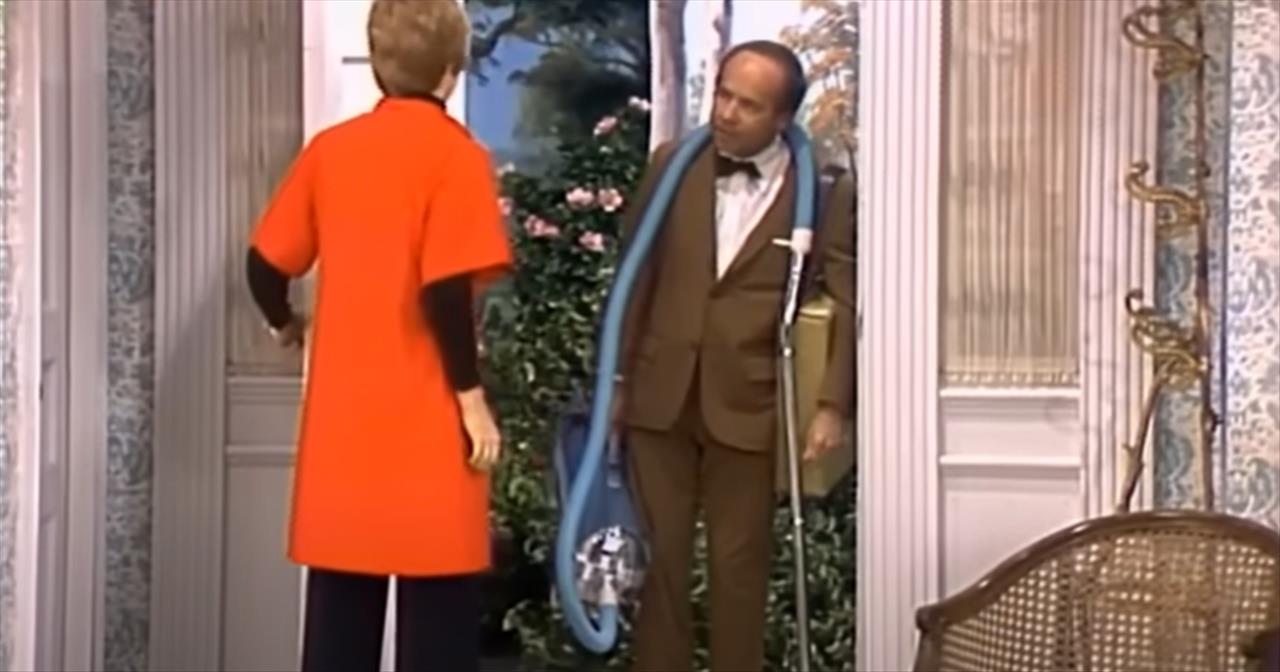
    A vacuum cleaner rolled into view.

    A small gag.

    A simple prop.

    The kind of detail that might have passed quickly in another performer’s hands.

    But Conway had no intention of letting it pass quickly.

    He slowed everything down.

    He let the audience see the object.

    He let Carol see it.

    He let the silence sit just long enough to become dangerous.

    Then came the tiny delay.

    The subtle misstep.

    The pause that felt accidental but was anything but.

    And suddenly, the sketch was no longer just a scripted scene.

    It became a trap.

    Picture background

    Carol Burnett, one of the most disciplined comic performers in television history, began to break.

    Not because Conway had shouted.

    Not because he had gone out of control.

    But because he was completely in control.

    That was the cruel genius of the moment.

    Conway knew exactly what he was doing.

    Every pause was placed with precision.

    Every look was measured.

    Every second of hesitation pushed Carol closer to the edge.

    The audience could feel it happening.

    That is why the laughter grew so quickly.

    They were not just laughing at a vacuum cleaner.

    They were laughing at the battle unfolding in front of them.

    Carol was trying to survive.

    Conway was calmly making survival impossible.

    She doubled over.

    She struggled to regain herself.

    She wiped away tears.

    The more she laughed, the more Conway understood he had the room.

    And instead of stopping, he kept going.

    That was the part that turned a small joke into a legendary moment.

    A lesser comedian might have rushed to the punchline.

    Conway stretched it.

    He trusted the silence.

    He trusted the discomfort.

    He trusted Carol’s reaction.

    And most importantly, he trusted the audience to understand that the delay was the joke.

    Có thể là hình ảnh về văn bản

    This was the same gift that made Conway so dangerous to Harvey Korman in so many sketches.

    Korman was famously brilliant at holding a scene together.

    But Conway had a way of finding the crack in anyone’s composure.

    He could tilt a line.

    Freeze a look.

    Let a gesture hang in the air until it became unbearable.

    And once the first laugh slipped out, there was no way back.

    That is why audiences still return to Conway’s sketches decades later.

    They are not only watching scripted comedy.

    They are watching professionals lose a fight against real laughter.

    That is a rare thing.

    Most television tries to hide the seams.

    The Carol Burnett Show often turned those seams into gold.

    When Carol laughed, the audience laughed harder.

    When Harvey cracked, the moment became even more memorable.

    When Conway stayed calm while everyone else fell apart, the scene became comedy history.

    The vacuum sketch works because it shows the full power of restraint.

    Nothing about the setup should have felt explosive.

    A salesman.

    A prop.

    A simple routine.

    But Conway saw what others might miss.

    He saw the space between movements.

    He saw the power of making everyone wait.

    He saw that laughter could be built slowly, like pressure inside a sealed room.

    Once that pressure became too strong, even Carol Burnett could not hold it back.

    And that was the real magic.

    Carol’s laughter felt genuine because it was genuine.

    It was not polished.

    It was not protected.

    It was not hidden behind editing.

    Viewers could see the human reaction happening live.

    They could see the exact moment when professionalism gave way to joy.

    That honesty made the sketch unforgettable.

    Picture background

    Tim Conway’s genius was never only about being funny.

    It was about control.

    He controlled rhythm.

    He controlled tension.

    He controlled when the audience breathed and when they exploded.

    He knew that one perfectly timed pause could do more than a dozen punchlines.

    He knew that a prop could become a weapon if the performer understood how to wait.

    He knew that Carol Burnett’s laughter would become funnier than anything written on the page if he could push her just far enough.

    That is what made him one of television’s greatest live performers.

    He did not destroy sketches by accident.

    He transformed them.

    He took small moments and made them feel dangerous.

    He turned silence into suspense.

    He turned restraint into chaos.

    He turned ten seconds into something people would still talk about decades later.

    The lesson of that sketch is simple.

    Great comedy does not always arrive fast.

    Sometimes it creeps in quietly.

    Sometimes it comes from a look.

    A delay.

    A vacuum cleaner crossing the stage at the wrong speed.

    A performer who knows exactly how long to wait before the room gives up.

    Carol Burnett laughed like it happened yesterday because moments like that do not fade.

    They live in the memory because they feel alive every time they are replayed.

    The cameras may have shaken.

    The audience may have roared.

    Carol may have lost the fight.

    But Tim Conway never lost control.

    That was the secret.

    He only needed ten seconds to break her.

    And the most unforgettable part is that he knew it before anyone else did.

  • Ngày bị đuổi khỏi nhà chồng, tài sản duy nhất mẹ chồng ném cho tôi là một thùng cháo gói ăn dở, dán băng keo nham nhở. Chồng cũ cười khẩy, cả nhà họ hả hê, họ không biết rằng…


    Ngày bị đuổi khỏi nhà chồng, tài sản duy nhất mẹ chồng ném cho tôi là một thùng cháo gói ăn dở, dán băng keo nham nhở. Chồng cũ cười khẩy, cả nhà họ hả hê, họ không biết rằng…


    Ngày tôi bị đuổi khỏi nhà chồng, trời đổ mưa rất to.

    Cơn mưa tháng bảy như trút nước, xối xả xuống mái tôn, dội vào lòng tôi những tiếng ầm ầm nặng nề. Tôi đứng dưới hiên, hai tay ôm chặt chiếc túi vải cũ kỹ, bên trong chỉ có vài bộ quần áo và giấy tờ tùy thân. Đôi dép nhựa đã mòn đế, ướt sũng, lạnh buốt.

    Mẹ chồng tôi đứng ở cửa, tay chống nạnh, ánh mắt sắc lạnh như dao.

    “Đi đi. Nhà này không chứa loại đàn bà như cô.”

    Tôi không khóc. Không phải vì tôi mạnh mẽ, mà vì nước mắt dường như đã cạn từ lâu, từ những ngày tháng âm thầm chịu đựng trong căn nhà này.

    Chồng cũ của tôi – người đàn ông mà tôi từng nghĩ sẽ đi cùng mình đến hết cuộc đời – đứng phía sau bà, khoanh tay, môi nhếch lên một nụ cười khẩy.

    “Tưởng lấy được chồng là đổi đời à? Không biết thân biết phận.”

    Câu nói ấy, tôi đã nghe không biết bao nhiêu lần, nhưng chưa lần nào thấy đau như lúc này.

    Tôi quay lưng định bước đi, thì mẹ chồng bất ngờ gọi lại:

    Khám phá thêm

    Món ăn Đông Á

    Lớp phủ ngoài & Chất dính

    Các Ngày lễ & Sự kiện Theo mùa

    “Khoan.”

    Bà quay vào trong, một lát sau mang ra… một thùng cháo gói.

    Thùng giấy đã bị bóc dở, bên ngoài dán băng keo chằng chịt, mép giấy sờn rách. Tôi nhìn mà không hiểu.

    “Cầm lấy mà ăn. Ra ngoài đó, không ai nuôi đâu.”

    Giọng bà lạnh tanh.

    Cả nhà họ đứng phía sau, có người còn bật cười. Một vài tiếng xì xào, mỉa mai.

    “Đúng là hợp với nó, đồ ăn thừa.”

    “Cho nó thế là còn nhân đạo.”

    Tôi nhìn thùng cháo trong tay, lòng trống rỗng đến lạ.

    Tài sản duy nhất họ “ban” cho tôi… là một thùng cháo ăn dở.

    Tôi gật đầu.

    “Cảm ơn.”

    Rồi quay lưng bước đi, mặc cho cơn mưa tạt thẳng vào mặt.

    Họ không biết rằng… chính giây phút ấy, tôi đã quyết định sẽ không bao giờ quay đầu lại nữa.


    Tôi từng là một đứa con gái có đủ mọi thứ: gia đình êm ấm, công việc ổn định, một tương lai rõ ràng. Cho đến khi tôi gặp anh.

    Khám phá thêm

    Con người và xã hội

    Động Thực vật

    Tài chính

    Anh hơn tôi hai tuổi, nói chuyện khéo léo, biết quan tâm. Lúc đó, tôi nghĩ mình đã gặp được người đàn ông của đời mình.

    Bố mẹ tôi không phản đối, chỉ dặn dò:

    “Con phải suy nghĩ kỹ. Lấy chồng không chỉ là lấy một người, mà là cả một gia đình.”

    Tôi cười, nghĩ rằng bố mẹ quá lo xa.

    Tôi đã sai.


    Ngay từ những ngày đầu về làm dâu, tôi đã cảm nhận được sự lạnh nhạt từ phía mẹ chồng.

    Bà không đánh mắng, không quát nạt, nhưng từng lời nói, từng ánh nhìn đều khiến tôi thấy mình như một kẻ ngoài cuộc.

    “Nhà này không nuôi người vô dụng.”

    “Từ giờ chi tiêu phải đưa mẹ giữ.”

    “Con gái thời nay chỉ biết tiêu tiền.”

    Tôi im lặng. Tôi nghĩ rằng chỉ cần mình cố gắng, rồi mọi thứ sẽ thay đổi.

    Tôi đi làm, đưa toàn bộ lương cho mẹ chồng. Mỗi tháng chỉ giữ lại một ít tiền lặt vặt. Tôi dậy từ 5 giờ sáng nấu ăn, tối về lại dọn dẹp, giặt giũ.

    Còn chồng tôi?

    Anh im lặng.

    Luôn luôn im lặng.


    Mọi chuyện bắt đầu tồi tệ hơn khi công ty tôi gặp khó khăn, tôi bị cắt giảm nhân sự.

    Tôi mất việc.

    Ngày tôi thông báo, mẹ chồng chỉ nói một câu:

    “Vô dụng.”

    Chồng tôi không an ủi, chỉ thở dài:

    “Em cố tìm việc khác đi.”

    Tôi cố. Tôi đi xin việc khắp nơi, nhưng không dễ dàng.

    Khoảng thời gian đó, tôi sống như một cái bóng trong nhà.

    Ăn cũng bị soi, ngủ cũng bị soi.

    Có hôm tôi chỉ ăn một gói mì, mẹ chồng vẫn nói:

    “Ăn ít mà cũng không làm ra tiền.”

    Đỉnh điểm là khi tôi phát hiện ra một sự thật.

    Chồng tôi… có người khác.

    Tôi không phát hiện ra ngay. Chỉ là những lần anh về muộn, những cuộc gọi lén lút, những tin nhắn anh vội vàng xóa đi.

    Cho đến một ngày, tôi tận mắt nhìn thấy anh đi cùng một người phụ nữ khác.

    Họ nắm tay nhau.

    Cười nói.

    Tự nhiên như thể tôi chưa từng tồn tại.


    Tôi không làm ầm lên. Tôi chờ anh về.

    Đêm đó, tôi hỏi:

    “Anh có người khác đúng không?”

    Anh im lặng một lúc, rồi nói:

    “Ừ.”

    Một chữ.

    Nhẹ như không.

    Tôi thấy tim mình như vỡ ra.

    “Tại sao?”

    “Vì em không còn giá trị.”

    Tôi cười.

    Một nụ cười méo mó.

    “Em đã làm gì sai?”

    “Em không kiếm ra tiền. Em không giúp được gì cho anh.”

    Tôi nhìn người đàn ông trước mặt, mà không nhận ra nữa.


    Tôi nghĩ đến việc ly hôn.

    Nhưng trước khi tôi kịp nói ra, họ đã làm điều đó trước.

    Một buổi sáng, mẹ chồng gọi tôi xuống phòng khách.

    “Cô ký vào đây.”

    Đó là đơn ly hôn.

    Tôi nhìn chồng.

    Anh tránh ánh mắt tôi.

    “Anh muốn vậy?”

    Anh gật đầu.

    Tôi không ký.

    Tôi nói:

    “Nếu muốn ly hôn, anh tự đi mà làm.”

    Và đó là lúc họ “đuổi” tôi ra khỏi nhà.


    Quay lại với cơn mưa hôm ấy.

    Tôi bước đi, ôm thùng cháo, không biết mình sẽ đi đâu.

    Tôi không còn nhà.

    Không còn gia đình.

    Không còn gì cả.

    Tôi tìm đến một nhà trọ rẻ tiền, thuê một phòng nhỏ.

    Đêm đầu tiên, tôi mở thùng cháo ra.

    Bên trong còn khoảng chục gói, một vài gói đã bị bóc.

    Tôi nhìn chúng rất lâu.

    Rồi bật cười.

    Tiếng cười vang lên trong căn phòng trống, nghe đến rợn người.


    Những ngày sau đó là chuỗi ngày tôi cố gắng sống sót.

    Tôi xin làm đủ thứ việc: phục vụ quán ăn, bán hàng, dọn dẹp… miễn là có tiền.

    Có hôm tôi ăn đúng một gói cháo cả ngày.

    Có hôm tôi không ăn gì.

    Nhưng tôi không quay lại.

    Không bao giờ.


    Rồi một ngày, tôi nhận được một cuộc gọi.

    Là từ một người bạn cũ.

    Cô ấy nói:

    “Công ty tao đang tuyển người. Mày có muốn thử không?”

    Tôi không do dự.

    Tôi đi.

    Và lần này, tôi không để tuột mất cơ hội.


    Công việc không dễ dàng, nhưng tôi lao vào làm như một con thiêu thân.

    Tôi học, tôi làm, tôi cố gắng gấp đôi, gấp ba người khác.

    Tôi không còn gì để mất.

    Chỉ có thể tiến lên.


    Ba năm sau.

    Tôi đứng trước một tòa nhà lớn, nhìn lên biển hiệu công ty mang tên mình.

    Đúng vậy.

    Công ty của tôi.

    Từ một nhân viên bình thường, tôi đã leo lên vị trí quản lý, rồi góp vốn, rồi tách ra làm riêng.

    Không ai tin được.

    Ngay cả tôi cũng không.


    Và rồi… tôi gặp lại họ.

    Một buổi chiều, khi tôi đang bước ra khỏi xe, tôi thấy một người phụ nữ đang đứng trước cổng công ty.

    Là mẹ chồng cũ.

    Bà già đi rất nhiều.

    Ánh mắt không còn sắc lạnh, mà đầy mệt mỏi.

    “Con…”

    Tôi đứng lại.

    “Có chuyện gì không?”

    Giọng tôi bình thản đến lạ.

    Bà cúi đầu.

    “Cho mẹ xin lỗi…”

    Tôi im lặng.

    “Thằng Hùng… nó phá sản rồi. Con bé kia bỏ nó đi. Giờ nó nợ nần…”

    Tôi cười nhẹ.

    “Rồi sao?”

    “Con… có thể giúp nó không?”

    Tôi nhìn bà.

    Người từng ném cho tôi một thùng cháo ăn dở, đuổi tôi ra đường giữa cơn mưa.

    Giờ đang đứng trước mặt tôi, xin tôi giúp con trai bà.

    Tôi hỏi:

    “Lúc mẹ đuổi con đi, mẹ có nghĩ đến ngày hôm nay không?”

    Bà bật khóc.

    Tôi quay đi.

    “Xin lỗi. Con không có nghĩa vụ.”


    Tối hôm đó, tôi về nhà, mở lại chiếc hộp cũ.

    Bên trong là… một gói cháo.

    Gói cháo cuối cùng tôi giữ lại từ ngày hôm đó.

    Không phải để nhớ họ.

    Mà để nhớ chính mình.

    Nhớ cái ngày tôi không còn gì cả.

    Để không bao giờ quay lại con người yếu đuối của ngày xưa.


    Câu chuyện của tôi không phải để kể khổ.

    Mà là để nói rằng:

    Có những lúc, người ta bị dồn đến tận cùng.

    Bị coi thường.

    Bị vứt bỏ.

    Nhưng cũng chính lúc đó…

    là lúc họ bắt đầu lại từ đầu.

    Và đôi khi, thứ tưởng chừng như nhục nhã nhất – như một thùng cháo ăn dở…

    lại chính là điểm khởi đầu của một cuộc đời hoàn toàn khác.

  • Tim Conway Only Needed One Vacuum Cleaner — And Carol Burnett Completely Lost It On Television


    Comedy history has given audiences plenty of unforgettable moments.

    Có thể là hình ảnh về văn bản

    But very few scenes have captured the strange magic of patience, timing, and total unpredictability quite like Tim Conway’s legendary moment on The Carol Burnett Show.

    It was the kind of scene that looked simple at first.

    Almost too simple.

    A stage.

    A prop.

    A vacuum cleaner.

    And Tim Conway standing there with the quiet confidence of a man who knew exactly how much damage he could do without saying very much at all.

    Carol Burnett later laughed about moments like this as if they had happened yesterday. Because with Tim Conway, a small gag was never just a small gag. What began as a harmless piece of physical comedy could suddenly turn into a full-blown collapse of composure, leaving everyone on stage helpless.

    That was the genius of Conway.

    He did not rush comedy.

    He let it breathe.

    He let it grow.

    And once he sensed that someone was close to breaking, he knew exactly how to stretch the moment until there was no way back.

    The sketch began innocently enough. A vacuum cleaner rolled across the stage, seemingly just another prop in a scene filled with lighthearted absurdity. To most performers, it would have been a quick laugh, a visual joke used once before moving on.

    But Conway saw something more.

    He saw opportunity.

    One tiny delay.

    One unexpected pause.

    One perfectly timed look.

    That was all it took.

    The room began to shift.

    Carol Burnett tried to keep going. She had spent years performing in front of live audiences. She knew how to handle chaos. She knew how to recover from missed lines, strange props, and unpredictable co-stars.

    But Tim Conway was different.

    He had a rare ability to find the weakest point in a performer’s composure and gently press on it until the entire scene cracked open.

    Carol began to laugh.

    At first, it was the kind of laugh an experienced performer tries to hide. A smile pulled back. A small break in the face. A quick attempt to recover.

    Then it became impossible.

    She doubled over.

    She slid toward the floor.

    Tears came to her eyes.

    Có thể là hình ảnh về văn bản

    The audience erupted, not just because the gag was funny, but because they were watching something real happen in front of them. They were seeing Carol Burnett, one of television’s greatest professionals, completely overtaken by laughter.

    And Tim Conway kept going.

    Calmly.

    Deliberately.

    Almost cruelly.

    That was what made the moment so brilliant.

    He was not simply reacting to the chaos. He was conducting it.

    Every pause felt intentional. Every stare landed exactly where it needed to. Every tiny hesitation added more pressure to the room. Conway understood that comedy is not always about the punchline. Sometimes, the funniest part is the silence right before everything falls apart.

    He knew how long to wait.

    He knew when not to speak.

    He knew when the audience was already laughing — and when they were begging for him to make it worse.

    That kind of timing cannot be taught easily. It comes from instinct, experience, and a deep understanding of how people respond to tension.

    Conway’s genius was never about being the loudest person in the scene. He did not need wild movements or exaggerated expressions to take control. In many of his greatest moments, he did the opposite. He slowed everything down. He made the audience wait. He allowed the absurdity to become larger simply by refusing to rush past it.

    That restraint was his weapon.

    And Carol Burnett was the perfect partner for it.

    Their comedy worked because there was trust. Carol trusted Tim enough to follow him into chaos. Tim trusted Carol enough to know her reactions would be honest, alive, and hilarious. Together, they created moments that felt both spontaneous and perfectly crafted.

    That balance is what made The Carol Burnett Show so special.

    It was polished, but never too polished.

    It was scripted, but never trapped by the script.

    It gave its performers room to breathe, to surprise each other, and occasionally to destroy an entire scene in the best possible way.

    The audience could feel that danger. They knew anything might happen. A prop could misbehave. A line could disappear. A performer could break. But with someone like Tim Conway on stage, even the mistakes became gold.

    That vacuum cleaner sketch remains memorable because it shows comedy as a living thing. It changes in real time. It depends on the performers, the audience, the room, and the tiny decisions made in the moment.

    Conway understood that better than almost anyone.

    He knew that ten seconds of silence could be funnier than a page of dialogue.

    He knew that a slow stare could destroy a room.

    He knew that the best laugh is sometimes the one that builds so gradually, no one realizes they are trapped until they are already gone.

    Decades later, people still watch that scene and laugh for the same reason the original audience laughed. Not because it feels perfectly manufactured, but because it feels completely alive.

    Carol’s laughter is contagious because it is genuine.

    The audience’s reaction is powerful because it is immediate.

    And Tim Conway’s performance still feels brilliant because he appears to be doing almost nothing — while secretly controlling everything.

    That was his gift.

    He could turn a simple prop into a comedy landmark.

    He could turn a pause into a punchline.

    He could take one tiny moment and stretch it into television history.

    Even after all these years, the magic remains the same.

    Carol Burnett is laughing.

    The audience is roaring.

    The cameras are trying to keep up.

    And Tim Conway, calm as ever, proves once again that true comedy does not always need speed, noise, or chaos.

    Sometimes, all it needs is patience.

    A vacuum cleaner.

    And one man who knows exactly when to wait.

  • James Blonde Saves the World With Kisses and Pepper


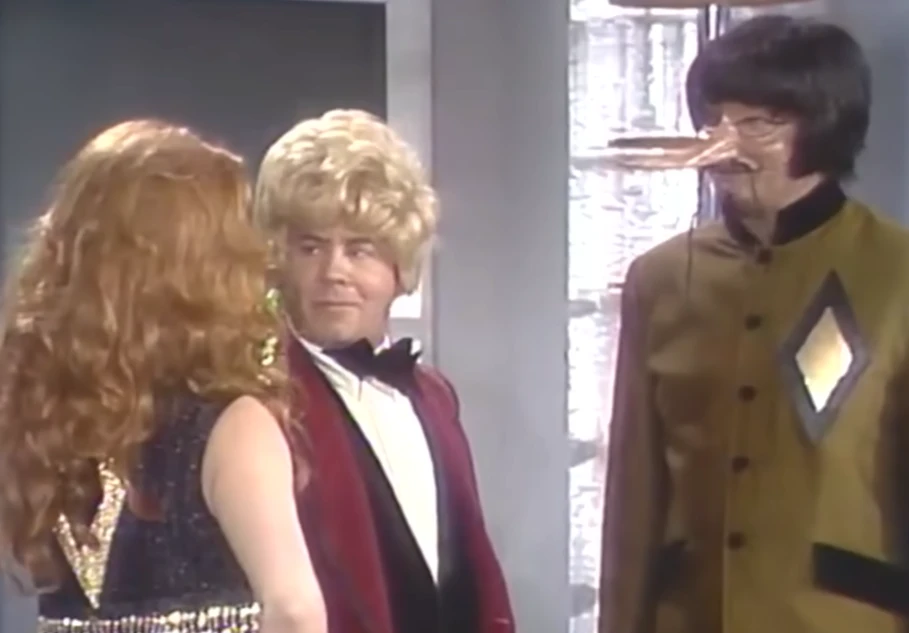
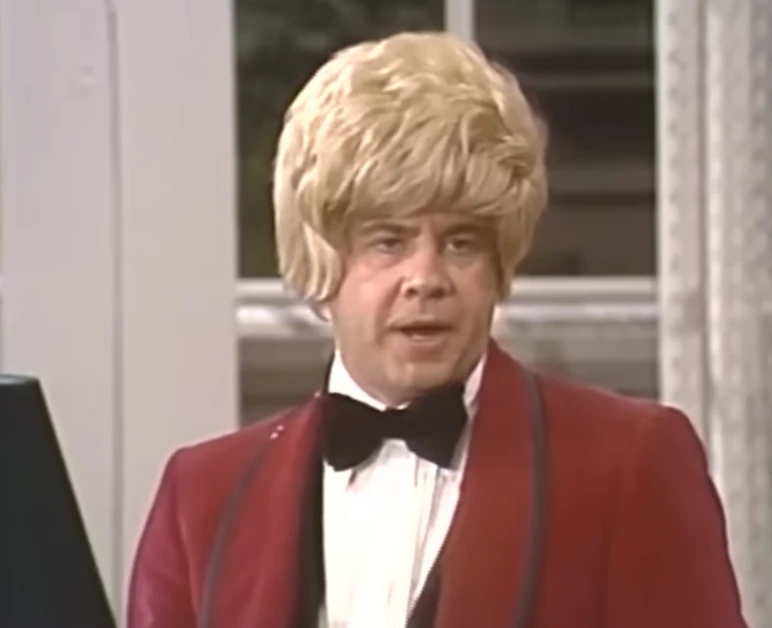
    James Blonde begins his latest mission with the confidence of a legendary secret agent and the name of a man who almost sounds familiar. Known only by the code number “00,” he combines smooth manners, improbable gadgets, and astonishing luck while danger waits inside his own hotel room.

    The threats arrive immediately. Beautiful assassins attempt to distract and eliminate him, but Blonde responds with weapons hidden inside ordinary objects, including a telephone that can fire like a gun. Nothing in his world behaves normally, especially furniture, electronics, or women wearing evening gowns.

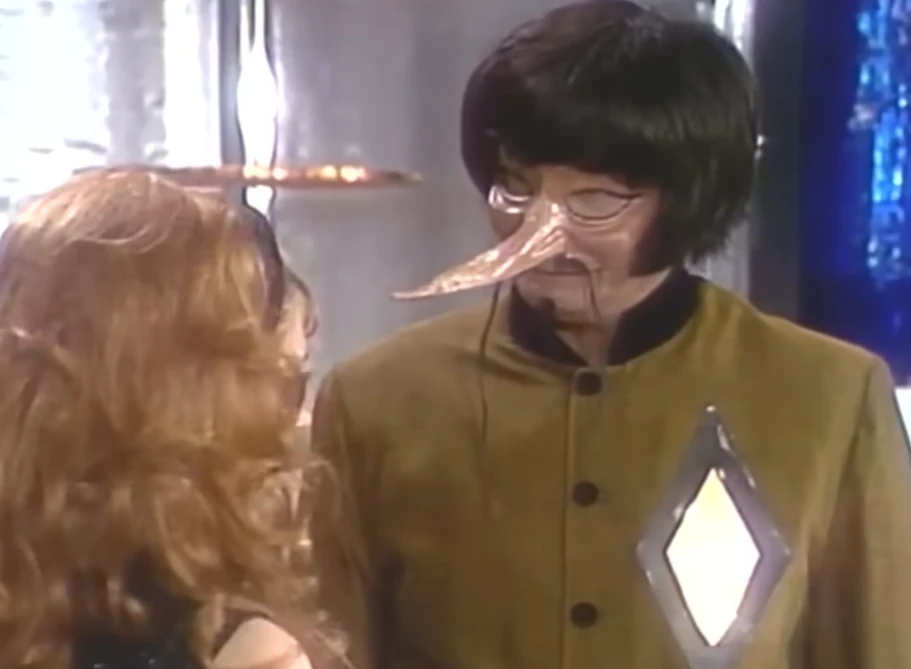
    Soon, a laboratory assistant reveals the real crisis. A criminal mastermind called Dr. Nose is demanding three billion dollars from the world while threatening major cities with bomb-carrying satellites. The situation requires courage, intelligence, and apparently a weapon operated by pulling back a fingernail cuticle.

    Blonde receives the new finger gun with complete seriousness. It looks ridiculous, feels dangerous, and fits perfectly into the exaggerated spy universe surrounding him. Even the smallest gesture could save civilization or accidentally shoot someone standing nearby.

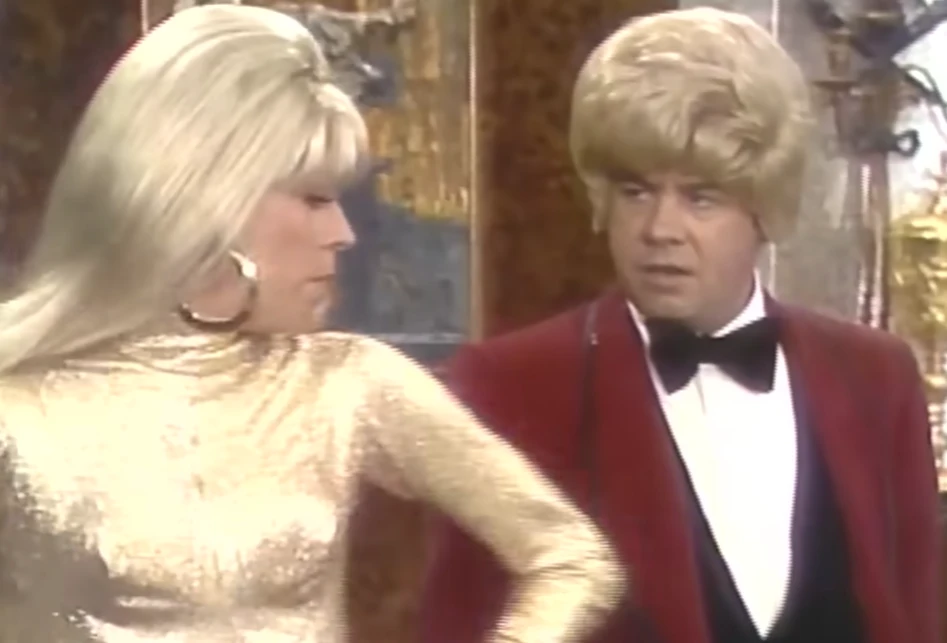
    Dr. Nose understands that ordinary henchmen may not stop Blonde, so he sends his most seductive agent, Passion Plenty. Her assignment is simple: keep the spy distracted long enough for the villain’s plan to succeed.

    Instead of a normal confrontation, Blonde and Passion enter a formal kissing contest staged like a boxing match. Their romantic battle is divided into rounds, complete with breaks, strategy, and rising physical exhaustion. Every kiss becomes a punch, every embrace becomes a defensive move, and dignity quickly leaves the ring.

    Blonde eventually wins through superior kissing technique. Passion collapses under the pressure, but defeat changes her loyalty. She begins falling for the man she was supposed to trap, creating the least professional emotional complication possible.

    The mission continues when Blonde flies a helicopter directly into Dr. Nose’s laboratory. There he confronts the villain, whose enormous artificial nose is matched only by his confidence and collection of absurd inventions.

    Blonde attempts to use a paralyzing kiss, but Dr. Nose has prepared protective plastic lips. The gadget blocks the attack, allowing the villain to capture the spy and place him beneath a deadly laser.

    With Blonde moments from destruction, Passion arrives to rescue him. Dr. Nose responds by revealing his ultimate weapon, a gun built into his nose. The device turns his most noticeable feature into an instrument of death.

    Passion quickly changes tactics. She pretends to abandon Blonde, declares her love for Dr. Nose, and invites the villain to kiss her. While he is distracted, she sprinkles pepper beneath his nose and twists it backward into his own ear.

    The result is spectacular. Dr. Nose sneezes, triggers his own weapon, and blasts himself away. His master plan ends not through military strategy or advanced technology, but through pepper, romance, and deeply unfortunate facial engineering.

    With the world safe, Blonde and Passion decide to retire from espionage. They throw away their secret weapons, including an atomic pair of underwear, and prepare to begin a quieter life together.

    Peace lasts only a moment. Blonde accidentally fires his finger gun and wounds Passion, proving that dangerous gadgets remain dangerous even after the villain has disappeared.

    By the end, civilization survives, true love wins, and retirement begins with friendly fire. James Blonde may have defeated the world’s strangest villain, but he still cannot safely point at the woman he loves.

  • “Carol Burnett struggled to hold back tears… until Tim Conway’s final surprise brought her to tears on live television!”

    Posted July 2, 2026

    It was supposed to be a quiet goodbye after 11 unforgettable years. But on the last night of The Carol Burnett Show, Tim Conway turned a heartfelt farewell into one of television’s most touching surprises.

    Standing beside Carol, Conway paused the moment with a calm, knowing smile. He teased a special guest who’d “been here every week with his piano” but had never been allowed on stage. Carol looked puzzled, the audience fell silent… and then the curtain opened.

    Picture background

    Legendary actor James Stewart stepped into the lights. For Carol, who had idolized him her entire life and never had him as a guest during the entire run, the shock was instant and overwhelming. Her face lit up like a child’s, eyes filling with tears she couldn’t hold back.

    What followed wasn’t scripted comedy. It was pure, genuine emotion. Stewart sat at the piano and sang “Ragtime Cowboy Joe” while Carol watched in disbelief and joy. The moment cracked wide open with admiration, gratitude, and the kind of raw connection that television rarely captures.

    Picture background

    Stewart later spoke for millions, thanking Carol for 11 years of laughter and beautiful memories. His words, delivered in that unmistakable drawl, landed straight in the heart. Carol, usually the one making others laugh, could barely speak through her happy tears.

    This wasn’t just a celebrity cameo. It was a full-circle tribute to a woman who had given America so much joy. The surprise transformed an ordinary closing night into something deeply personal and enduring. For over a decade, The Carol Burnett Show had been a Sunday night ritual for families across the country.

    Carol and her cast—Tim Conway, Harvey Korman, Vicki Lawrence, and Lyle Waggoner—delivered sketch comedy that blended slapstick with sharp wit, creating characters like the bumbling Mrs. Wiggins and the iconic “Went with the Wind” parody that still get quoted today. Yet amid all the laughter, Carol remained refreshingly humble, often crediting her team and her audience for the show’s success.

    Behind the scenes, the decision to surprise her with Stewart was years in the making. Carol had openly shared in interviews how Jimmy Stewart represented the golden era of Hollywood she grew up loving—his everyman charm in films like It’s a Wonderful Life and Mr.

    Smith Goes to Washington inspired her own blend of warmth and comedic timing. The cast and crew kept the secret tightly guarded, knowing her genuine reaction would be priceless television. When Conway delivered the setup, even the studio audience sensed something historic was unfolding. The energy in the room shifted from nostalgic reflection to electric anticipation.

    Decades later, the clip still goes viral because it reminds us what real stardom looks like—not polish, but honest feeling. In a business built on performance, this moment was beautifully, perfectly real. Fans who rewatch it today often comment on Carol’s unfiltered vulnerability.

    In an age of carefully curated social media personas, seeing a comedy icon reduced to happy tears by her hero feels refreshingly human. Clips shared on platforms like YouTube and Facebook rack up millions of views, with viewers sharing their own stories of surprise reunions or childhood idols.

    That final episode, titled “A Special Evening with Carol Burnett,” aired on March 29, 1978, and featured more than just the Stewart surprise. It included heartfelt tributes, classic sketches revisited, and emotional goodbyes from the entire ensemble. Yet the Stewart moment stands alone as the emotional peak.

    It encapsulated everything the show stood for: joy, connection, and the power of laughter to bring people together. Carol’s career didn’t end that night—she went on to star in films, Broadway, and later series like Mad About You—but that farewell sealed her place in entertainment history.

    The legacy continues through reruns, streaming platforms, and new generations discovering the show. Young viewers often find themselves captivated by the same timeless humor that hooked their parents and grandparents.

    Tim Conway’s playful mischief, the cast’s unbreakable chemistry, and Carol’s infectious laugh created something bigger than entertainment. It built a community. Moments like the Stewart surprise remind us why variety shows of that era felt like family gatherings. They weren’t just watching television—they were sharing an experience.

    Picture background

    In the years since, Carol has spoken fondly of that night, calling it one of the most meaningful gifts she ever received. It wasn’t about ratings or reviews. It was about love and appreciation flowing both ways between a star and her hero.

    That final episode didn’t just end a show. It sealed a legacy with laughter, love, and one unforgettable entrance that fans still talk about today. In a world hungry for authentic connection, this heartfelt surprise remains a shining example of television at its most powerful and human.

    Comments 0

    No comments yet.
    Posting asGuest

    Powered by Blogbio
  • Ca sĩ, nhạc sĩ Tăng Nhật Tuệ bị bắt vì liên quan мα тυý


    Sau khi thông tin Tăng Nhật Tuệ bị bắt vì liên quan đến ma túy được công bố, ca sĩ Pha Lê đã đăng tải tâm thư dài nói về người bạn thân. Nữ ca sĩ thừa nhận Tăng Nhật Tuệ đã sai và đang phải trả giá, nhưng mong mọi người không tiếp tục chỉ trích khi pháp luật đã xử lý vụ việc.

    Thông tin ca sĩ, nhạc sĩ Tăng Nhật Tuệ bị cơ quan công an bắt giữ để điều tra về hành vi tàng trữ trái phép chất ma túy và tổ chức sử dụng trái phép chất ma túy khiến dư luận chú ý. Sau khi vụ việc được công khai, ca sĩ Pha Lê – bạn thân của nam nhạc sĩ – đã có bài viết dài trên trang cá nhân chia sẻ về sự việc.

    Theo Pha Lê, ngay khi nhận được cuộc gọi từ cơ quan công an thông báo Tăng Nhật Tuệ bị đưa đi làm việc, cô không tin đó là sự thật. Nữ ca sĩ kể thời điểm ấy, phản ứng đầu tiên của cô là nghi ngờ cuộc gọi lừa đảo. Tuy nhiên, khi không thể liên lạc với Tăng Nhật Tuệ, cô đã đến tận nhà kiểm tra và rụng rời khi xác nhận thông tin.

    1-1783139329.jpg
    Theo Pha Lê, ngay khi nhận được cuộc gọi từ cơ quan công an thông báo Tăng Nhật Tuệ bị đưa đi làm việc, cô không tin đó là sự thật.

    Pha Lê cho biết Tăng Nhật Tuệ sống khá khép kín tại TP.HCM, hầu như không qua lại với nhiều người. Khi làm việc với cơ quan chức năng, nam nhạc sĩ khai rằng mình không có người thân ở đây, chỉ có một người bạn để liên hệ. Vì vậy, công an đã gọi cho Pha Lê để nhờ thông báo với gia đình, tránh việc người thân lo lắng, đi tìm kiếm.

    Nữ ca sĩ cho biết ban đầu cô giữ kín sự việc, cho đến khi mẹ của Tăng Nhật Tuệ gọi điện nhờ tìm con trai. Sau đó, bà gửi gắm Pha Lê làm người đại diện của gia đình tại TP.HCM để hỗ trợ các thủ tục cần thiết.

    Nhờ sự cho phép của cơ quan chức năng, Pha Lê có một lần duy nhất được gặp Tăng Nhật Tuệ. Cô kể cuộc gặp diễn ra rất nhanh. Khi vào gặp, nam nhạc sĩ vẫn còn đùa với cán bộ rằng không nên cho cô vào vì cô rất dữ. Pha Lê chỉ kịp hỏi bạn chuyện ăn uống, đồ đạc và cần hỗ trợ gì, nhưng chưa nói được nhiều thì Tăng Nhật Tuệ xin phép rời đi vì không muốn làm phiền cô.

    Nữ ca sĩ cho biết cuộc gặp ấy chủ yếu để cô thay mặt gia đình xác nhận Tăng Nhật Tuệ đã phạm pháp và đang bị giữ tại cơ quan công an.

    2-1783139363.jpg
    Nữ ca sĩ cho biết cuộc gặp ấy chủ yếu để cô thay mặt gia đình xác nhận Tăng Nhật Tuệ đã phạm pháp và đang bị giữ tại cơ quan công an.

    Trong bài viết, Pha Lê thẳng thắn thừa nhận Tăng Nhật Tuệ đã sai. Cô viết rằng bạn mình “hư”, “sai không đường cứu” và việc nghiện là sự thật. Theo cô, chỉ người nghiện mới hiểu vì sao trong bối cảnh nhiều nghệ sĩ liên quan đến ma túy bị xử lý, Tăng Nhật Tuệ vẫn không thể dừng lại.

    Pha Lê cũng cho biết trước đó cô từng nhắc nhở Tăng Nhật Tuệ khi thấy nhiều người nổi tiếng vướng vào các vụ án ma túy. Tuy nhiên, nam nhạc sĩ phủ nhận việc sử dụng chất cấm nên cô đã tin bạn.

    Theo lời Pha Lê, trong quá trình làm việc, Tăng Nhật Tuệ hợp tác tốt với cơ quan chức năng, không chống đối hay có hành vi tiêu cực. Nam nhạc sĩ cũng được động viên tinh thần trong những ngày đầu và hiện đã ổn định hơn, dần chấp nhận thực tế.

    Đáng chú ý, Pha Lê viết: “Tuệ là tội phạm, không sai, và Tuệ đang phải trả giá cho việc làm sai trái đó rồi, mọi người không cần phải chỉ trích thêm. Chẳng cần tới sự phán xét của ai cả thì Tuệ cũng đang bị pháp luật trừng trị rồi”.

    3-1783139363.jpg
    Pha Lê viết: “Tuệ là tội phạm, không sai, và Tuệ đang phải trả giá cho việc làm sai trái đó rồi, mọi người không cần phải chỉ trích thêm. Chẳng cần tới sự phán xét của ai cả thì Tuệ cũng đang bị pháp luật trừng trị rồi”.

    Dù thừa nhận bạn thân phạm pháp, Pha Lê khẳng định trong mắt cô, Tăng Nhật Tuệ vẫn là một người bạn tốt. Điều khiến cô tiếc nuối là không thể hiểu sâu hơn đời tư của bạn để kịp thời khuyên ngăn.

    Nữ ca sĩ cũng cho biết sẽ không bỏ rơi Tăng Nhật Tuệ trong giai đoạn khó khăn. Cô mong nam nhạc sĩ cải tạo tốt, giữ sức khỏe, sau này trở về tiếp tục sáng tác và làm lại cuộc đời. Pha Lê khẳng định sẽ ở cạnh mẹ của Tăng Nhật Tuệ, thỉnh thoảng lên thăm nếu được phép.

    Cuối bài viết, Pha Lê gửi lời cảm ơn một số đồng nghiệp đã âm thầm hỗ trợ Tăng Nhật Tuệ. Theo cô, dù nam nhạc sĩ không còn ở ngoài xã hội, vẫn có nghệ sĩ chủ động thanh toán tiền bản quyền ca khúc để gia đình có thêm kinh phí lo liệu và phục vụ việc thăm nuôi trong thời gian tới.

    Pha Lê bày tỏ mong muốn Tăng Nhật Tuệ giữ được sự tỉnh táo, sức khỏe và sớm hoàn thành quá trình cải tạo để trở về, làm lại cuộc đời.

    Theo Người đưa tin

    Xem link gốc icon xem link gốc https://gocnhinphaply.nguoiduatin.vn/tung-khong-tin-tang-nhat-tue-bi-bat-vi-ma-tuy-pha-le-rung-roi-khi-biet-su-that-roi-viet-nhung-dong-gay-chu-y-44193.html
  • How Ray Romano and the ‘Raymond’ Cast Mourned Sawyer Sweeten md04


    3

    When the news hit in 2015 that Sawyer Sweeten—the sweet, mischievous face of Geoffrey Barone on Everybody Loves Raymond—had taken his own life at just 19 years old, the world stood still. For fans who watched him grow up on their television screens for nine long years, it felt like losing a member of our own family. But for Ray Romano, who portrayed his father, the pain was deeply personal and incredibly raw.

    In the immediate aftermath, Ray’s words echoed the feelings of millions: “I’m shocked and terribly saddened… My heart breaks for him, his family, and his friends during this very difficult time.” But what lies beneath those headlines? How does an on-screen family cope when the cameras stop rolling, and a tragedy of this magnitude strikes?

    A Childhood Spent in the Spotlight

    Sawyer Sweeten didn’t just grow up; he grew up in the spotlight. Along with his real-life twin, Sullivan, and his older sister, Madylin, Sawyer became a household name before he could even tie his own shoes. Ray Romano and the rest of the cast watched those kids evolve from toddlers into thoughtful young men. That’s a long time to spend with anyone, and it creates a bond that transcends a simple professional contract.

    Ray Romano’s Immediate Reaction

    When the tragedy occurred, Ray didn’t rely on publicists to draft a cold, corporate statement. He spoke from the heart. He remembered Sawyer as a “wonderful and sweet kid to be around.” He highlighted that “great energy” Sawyer brought to the set every day. It wasn’t just about the acting; it was about the presence of a boy who simply made the room brighter just by being in it.

    The “Raymond” Set as a Second Home

    For those nine years, the Everybody Loves Raymond set was a second home for the Sweeten children. Phil Rosenthal, the show’s creator, noted that the cast and crew saw these kids as their own. When you spend 40 hours a week with a child, you aren’t just a boss; you’re an uncle, a mentor, and a friend. That’s why Ray’s heartbreak was so palpable—he wasn’t just losing a co-star; he was losing a “son.”

    Honoring Sawyer: The 30th Anniversary Reunion

    Even a decade later, the wound hasn’t fully healed. During the Everybody Loves Raymond 30th-anniversary reunion in late 2025, the cast took a moment to explicitly honor Sawyer’s memory. Ray Romano’s voice softened as he spoke to Sawyer’s real-life siblings, Madylin and Sullivan. He didn’t just talk about the show; he talked about Sawyer’s “bright energy.” It was a moment of closure, yet also a reminder of what was lost.

    Why This Story Still Resonates

    Why does the public care so deeply about a tragedy that happened over ten years ago? Maybe it’s because Sawyer represents the vulnerability of youth. We watched him in the most innocent time of his life, and the contrast between that image and his tragic end is hard to reconcile. It forces us to look at the people we care about and wonder, “Are they okay?”

    The Complexity of Child Stardom

    Being a child star is a unique kind of pressure. You live a life in front of an audience, but you’re still trying to figure out who you are in private. Ray Romano, who has always been known for his grounded nature, understood better than anyone the pressures the Sweeten twins were under. He witnessed them grow, and he remained a supportive presence in their lives even after the series finale.

    The Importance of Mentorship

    Ray wasn’t just a colleague to Sawyer; he was an on-screen father figure. In the world of entertainment, having a mentor like Romano—who never lost his grip on reality despite his massive success—was a gift. The tragedy reminds us that even with strong mentorship and a loving set, internal struggles can be invisible.

    The Power of Genuine Kindness

    If there’s a takeaway from how Ray and the rest of the Raymond cast handled Sawyer’s death, it’s the power of genuine kindness. They didn’t retreat into silence. They championed the family, they spoke openly about mental health, and they made sure Sawyer’s legacy was one of warmth, not just tragedy.

    Changing the Narrative Around Mental Health

    When Sawyer passed away in 2015, the conversation around suicide prevention was different. Today, it’s more open, and the cast’s willingness to discuss Sawyer has played a quiet but significant role in that shift. By showing that even someone as “lucky” as a sitcom star can suffer, they stripped away the stigma that often hides these struggles.

    Lessons from the Barone Family

    The Barone family was defined by yelling, laughing, and eventually, love. In a way, the cast lived up to that on-screen dynamic in real life. They loved each other loudly and fiercely. When they lost Sawyer, they leaned into that same support system to carry one another through the grief.

    Why We Look Back at the Memories

    Reminiscing about Sawyer isn’t about wallowing in sadness. It’s about celebrating a young man who left an indelible mark on television. When Ray Romano talks about Sawyer, he talks about the light he brought to the set. That’s the legacy that truly matters.

    The Healing Power of Storytelling

    Storytelling is what the Raymond cast did for a living, and it’s how they heal. By keeping Sawyer’s name in the conversation, they ensure that he isn’t just a “child star who died young,” but a person who was loved by his cast, his family, and his fans.

    What Ray Romano’s Response Teaches Us

    Ray’s response teaches us that empathy is a verb. It’s not just a feeling; it’s an action. It’s showing up to a reunion, speaking about a lost friend with tenderness, and being a pillar for their family long after the checks have stopped coming.

    Staying Connected to the People We Love

    Sawyer’s family, led by Madylin Sweeten, has been vocal about the importance of reaching out to the ones you love. If the cast of a major sitcom can maintain that kind of vigilance and love, so can the rest of us. It’s a simple but vital mandate: check on your people.

    A Final Thought on Legacy

    In 2026, we look back at Everybody Loves Raymond and see a classic show. But behind the laughter, we see the real human stories that made it happen. Ray Romano’s enduring grief and love for Sawyer is a testament to the fact that while shows end, the relationships forged on set are meant to be for a lifetime.

    Conclusion: A Bond That Endures

    The loss of Sawyer Sweeten remains a poignant moment in television history, but the way Ray Romano and the rest of the cast have handled it is a masterclass in dignity and love. Ray’s heartbreak was real, his tribute was sincere, and his commitment to keeping Sawyer’s memory alive is a beautiful example of how we should treat our chosen family. He wasn’t just an on-screen son; he was a friend who is deeply missed. In remembering Sawyer, we aren’t just mourning a loss; we are honoring a life that, despite its brevity, brought so much joy to the world.

    Frequently Asked Questions

    1. What was Ray Romano’s relationship with Sawyer Sweeten? Ray Romano played Sawyer’s father, Ray Barone, on Everybody Loves Raymond for nine years, and he consistently described Sawyer as a wonderful, bright, and sweet person.

    2. How did Ray Romano react to the news of Sawyer’s death? Ray Romano was deeply shocked and saddened by the news, stating that his heart was broken for Sawyer’s family and friends.

    3. Did the Everybody Loves Raymond cast honor Sawyer after his death? Yes, the cast has honored Sawyer’s memory multiple times, most recently during the show’s 30th-anniversary reunion special in 2025.

    4. Why was Sawyer Sweeten so important to the Raymond cast? Sawyer grew up on the show for nine years, leading the cast and crew to view him as a part of their own family rather than just a colleague.

    5. Where can someone find support if they are struggling? If you or someone you know is in crisis, you can call or text 988 in the U.S. and Canada to reach the Suicide & Crisis Lifeline, or visit 988lifeline.org for resources.

    Post Views: 215

  • Doug Faces the Bull After Losing the Fight With Gravity


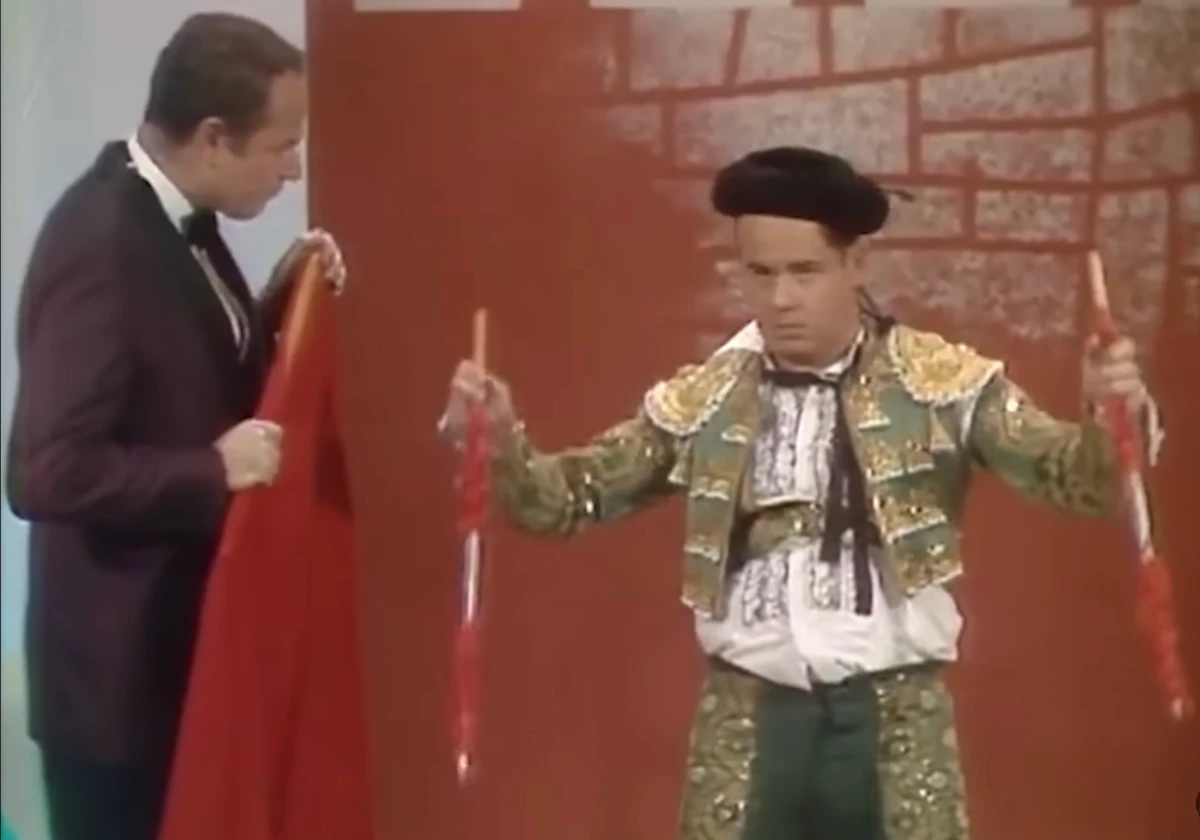
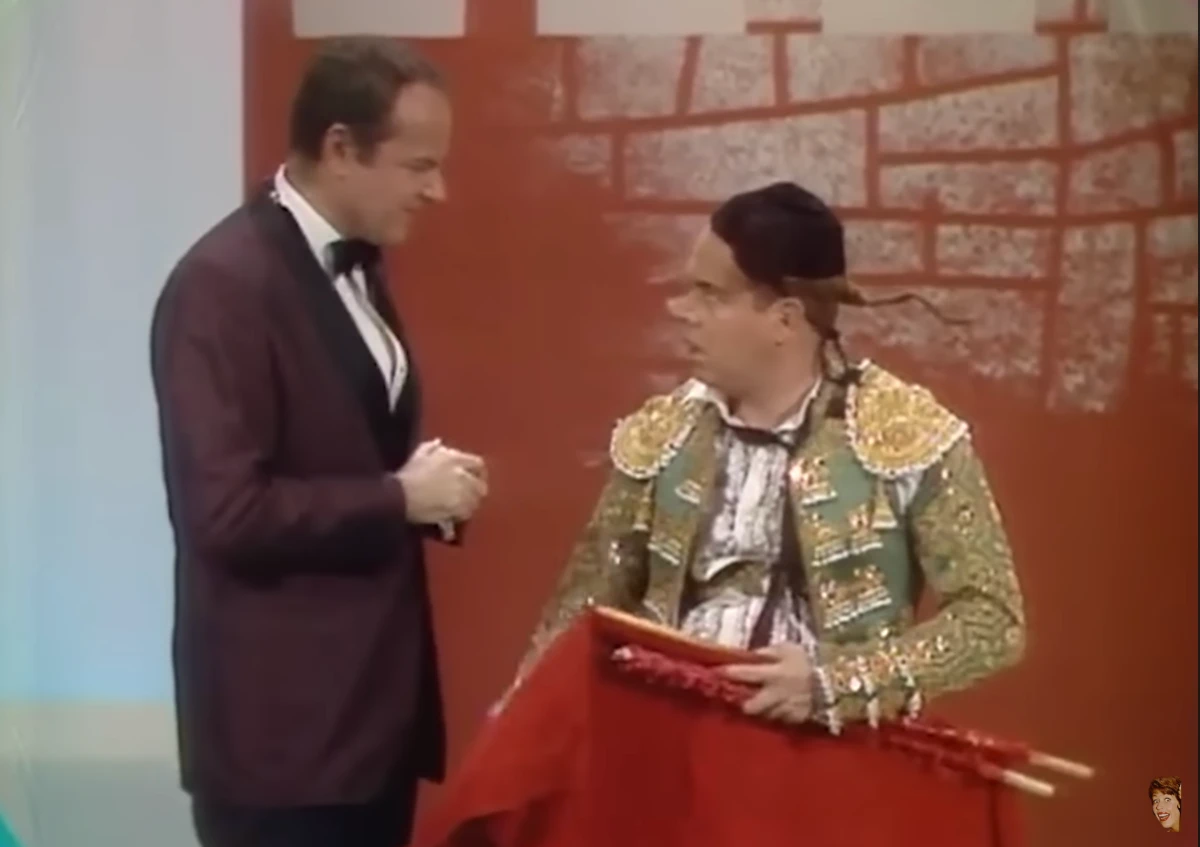
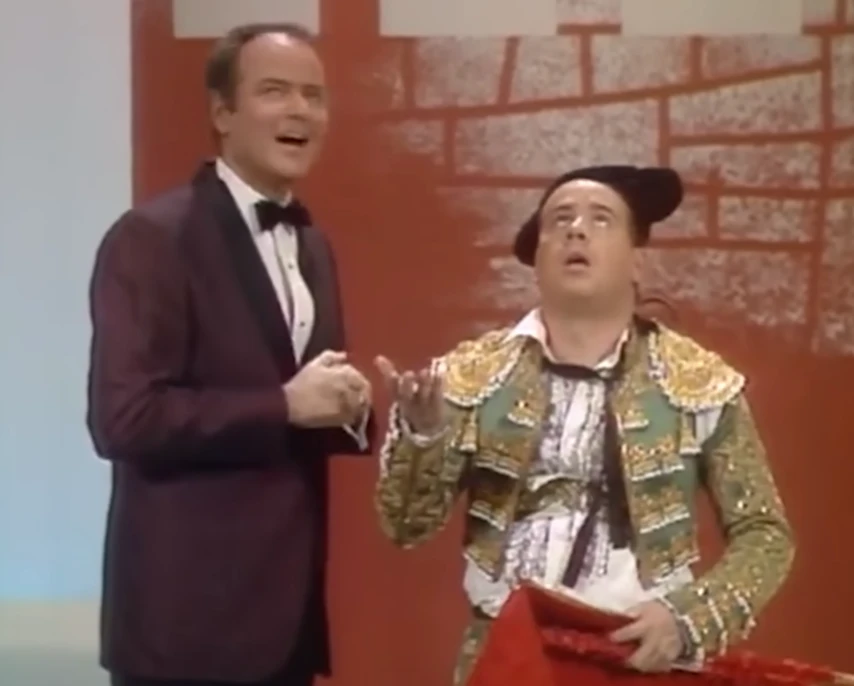
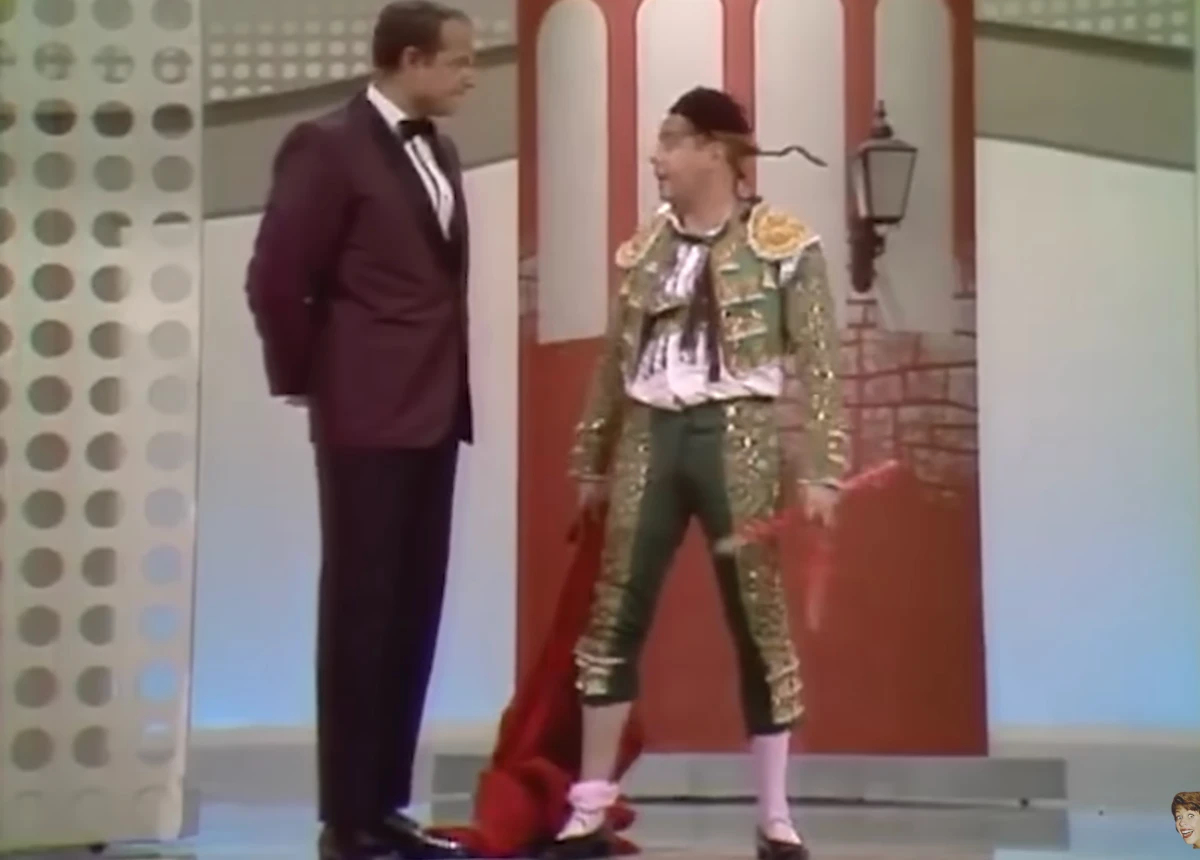
    Few athletes would admit that entering an arena completely intoxicated is part of their professional strategy. Doug Herford, the hopelessly impaired bullfighter played by Tim Conway, is clearly not an ordinary athlete.

    During a pre-fight television interview on *The Carol Burnett Show*, Herford arrives dressed for battle but appears barely capable of standing. His speech wanders, his body sways, and every answer makes the approaching bull seem increasingly like the safest participant in the event.

    Asked why he would enter the ring in such a drunken condition, Herford offers an explanation that sounds perfectly reasonable only to him. He has already attempted bullfighting while sober, he explains, and the experience apparently did not go well.

    Drinking gives him the courage to return, although it also creates a serious mathematical problem.

    Instead of seeing one charging bull, Herford may see two. With enough alcohol, that number can rise to four. Rather than recognizing this as a dangerous disadvantage, he treats the multiplied animals as additional entertainment.

    His elaborate costume provides another source of discomfort. The traditional bullfighting suit is so tight that, according to Herford, it forces the blood into his face, causing his eyes to bulge. The elegant cape movements associated with skilled matadors are also stripped of their dignity.

    Herford claims he is not performing an artistic maneuver at all. He is simply trying to chase away fruit flies attracted to him.

    The conversation grows stranger when the interviewer asks about his weight. Herford says he weighs approximately 175 pounds, but that figure includes an additional 10 pounds from a bull’s horn still lodged inside his body.

    A previous operation apparently failed to remove it, leaving him carrying part of an opponent wherever he goes.

    His head has suffered similar occupational damage. Successful bullfighters may receive a bull’s ear as a ceremonial reward, but Herford remembers receiving something quite different.

    A bull once kicked him so violently that a hoof became stuck on his head. He now keeps his hair long to hide the evidence, treating the permanent hoof less like a medical emergency and more like an embarrassing hairstyle problem.

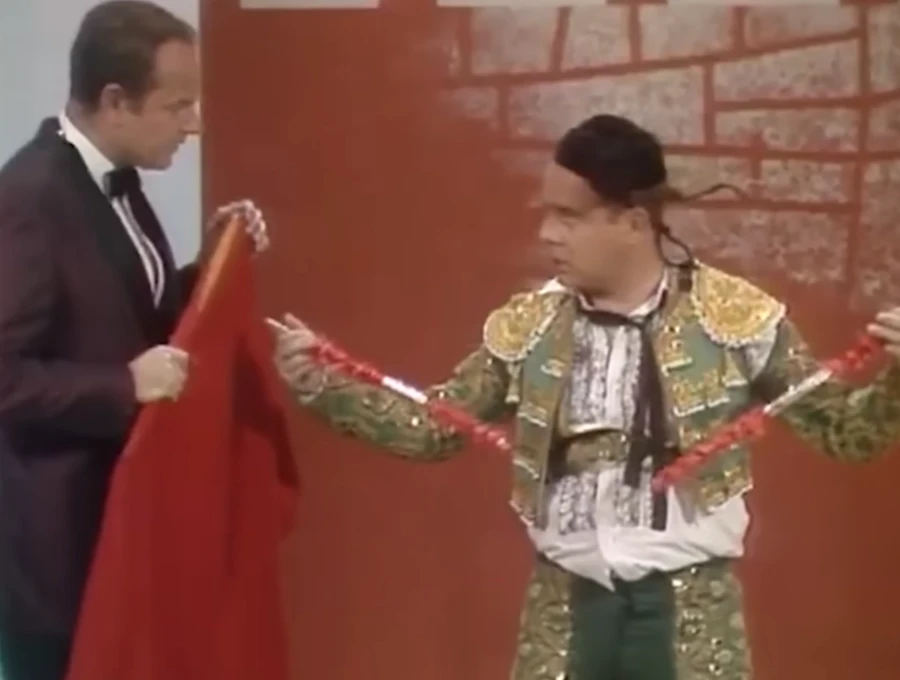
    Herford then attempts to demonstrate the use of banderillas, the decorated barbed sticks used to provoke a bull. The demonstration immediately proves that putting sharp objects in the hands of a staggering man is a questionable production decision.

    Even this accident does not persuade him to reconsider the fight. He reacts with the same confused calm that has carried him through stories of horns, hooves and multiple imaginary bulls.

    When the crowd begins roaring from inside the arena, Herford recognizes that his moment has arrived. The interviewer asks whether he traditionally kneels to pray before confronting the bull.

    Conway builds the entire performance around understatement. Herford never appears to understand that his career is a collection of disasters. Every injury becomes an inconvenience, every warning becomes encouragement, and every drunken mistake becomes part of his professional technique.

    By the time he heads toward the arena, viewers may feel less concerned for the bullfighter than for the confused bull waiting to face him.