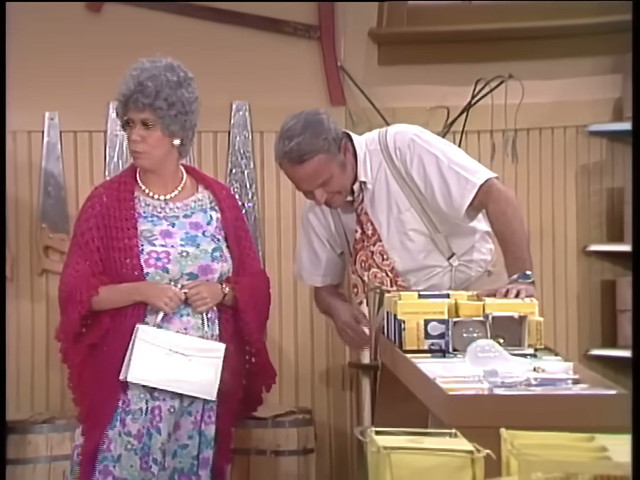
The Family sketch from The Carol Burnett Show transforms an ordinary workday into a storm of family pressure, stubborn opinions, and unexpected comedy. At Central Hardware, Ed expects another routine shift behind the register, but his plans collapse when surprise visitors arrive with their own agenda.
Eunice and Mama Harper appear while heading toward a movie at the Waldo theater, instantly changing the mood inside the store. The visit begins casually, yet Ed quickly realizes his quiet afternoon is disappearing before his eyes.
The family members bring their familiar energy into the shop, creating a clash between business responsibilities and personal demands. Ed tries maintaining control at the counter, but Eunice immediately fills the room with suggestions and observations.
Mama adds her own commentary, turning a simple stop into a full examination of Ed’s store, choices, and patience. The first battle centers on lunch plans, with Eunice proposing that Ed close the store and join them.
Ed pushes back because he cannot abandon the business during the busy midday period. He points out that customers may arrive during lunch hours, describing the possibility of a major rush.
The missing piece in his argument is Mickey Hart, his assistant, who is away handling an errand. Ed sees Mickey’s absence as the reason he must stay, hoping it will end the discussion.
Instead, the explanation only creates more room for family debate and playful criticism. Eunice questions Ed’s dedication while Mama watches the disagreement unfold with complete confidence.
The conversation shifts when Mama and Ed argue about how long it has been since she last visited the hardware store. Mama refuses the idea that her absence lasted years, carefully correcting the timeline.
She insists she remembers the visit clearly, placing it at two years earlier on July 4th. Her exact memory becomes another source of frustration for Ed and amusement for everyone around them.
The disagreement leads Ed toward the plumbing aisle, where he hopes to solve a practical shopping question. Mama wants help finding a rubber sink stopper but cannot remember the size needed.
What should be a quick search becomes a long exchange filled with repeated questions and uncertain answers. Ed attempts to guide Mama through the details, but each explanation creates another round of confusion.
Eunice watches the scene with growing disbelief, delivering reactions that capture the family’s endless cycle. The plumbing aisle becomes a stage where a small household problem turns into a battle of personalities.
Ed tries using his store knowledge to regain authority, but Mama refuses to surrender control. The humor comes from the contrast between Ed’s professional confidence and Mama’s determined opinions.
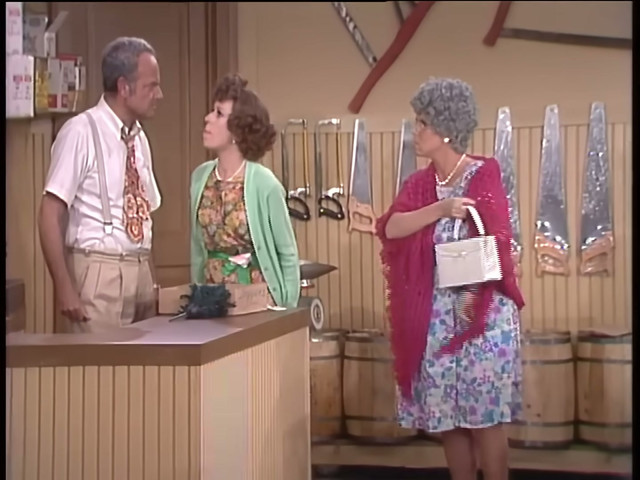
Every product on the shelf becomes another opportunity for debate and another challenge to Ed’s patience. The family moves deeper into the store, where Ed proudly reveals the unusual items filling his inventory.
He wants to show that his business carries a wide range of useful products for customers. Instead, Mama notices the stranger items and begins questioning why Ed owns them.
One memorable example involves a dozen purple light bulbs sitting in stock. Ed explains that he ordered them for a customer planning a lavender bathroom design.
The customer changed the color scheme, leaving Ed with the unusual collection. Rather than feeling sympathy, Mama treats the leftover bulbs as proof of questionable business decisions.
Her sharp remarks create another wave of tension inside the store. Ed defends his choices, explaining that every store has products waiting for the right buyer.
The exchange highlights the ongoing struggle between his desire to appear capable and his family’s habit of challenging him. The store becomes less like a workplace and more like a family courtroom.
Every opinion receives a response, and every response creates another disagreement. A brief customer interaction adds another layer to the growing confusion.
A shopper enters seeking bed rollers, expecting a simple transaction from a helpful hardware employee. Ed attempts to provide assistance, but the conversation quickly becomes complicated.
The discussion moves toward a mattress issue involving stuffing concerns, creating another unusual store moment. Ed eventually suggests the customer visit Acme Hardware instead, escaping the conversation before it expands further.
The quick encounter adds to the feeling that Central Hardware has become impossible to manage. Ed is already balancing customers, family criticism, and a missing assistant.
The arrival of Mickey Hart finally changes the pace of the entire sketch. After being sent away on an errand, Mickey returns with his cheerful personality and unmistakable confusion.
His entrance immediately adds another unpredictable force to the crowded scene. Mickey greets everyone warmly, but his unusual phrasing and misunderstandings increase the disorder.
The family’s arguments now have a new audience and another participant. Ed’s hope for relief disappears as Mickey joins the chaos instead of reducing it.

The simple errand that kept him away becomes the final twist in a day full of surprises. Mickey’s return creates a four-way clash of reactions, opinions, and comic timing.
The carefully controlled hardware store environment has completely transformed. What began as a quick family visit becomes a full-scale comedy of persistence and frustration.
The sketch succeeds because every character pushes the situation further without losing the everyday setting. A store counter, a plumbing aisle, and a few strange products become the foundation for escalating conflict.
The humor grows from familiar family dynamics rather than complicated circumstances. Ed wants respect as a businessman, but Eunice and Mama treat the store like an extension of home.
They challenge his decisions while revealing the closeness behind their constant disagreements. The tension never feels distant because the conflict comes from recognizable family interactions.
Each interruption builds toward the final arrival that completes the unpredictable chain of events. Mickey’s return is the moment when the already crowded situation reaches its funniest point.
His optimistic confusion perfectly matches the energy surrounding him. The sketch captures the unique appeal of The Carol Burnett Show through character-driven comedy.
The performers create a world where everyday frustrations become memorable entertainment. The Central Hardware setting gives the family conflict a grounded backdrop.
Instead of a dramatic location, the store becomes the arena for a battle of wills. Ed’s register, shelves, and inventory all become part of the comic action.
The smallest details help create the feeling of a real workplace under unusual pressure. The purple bulbs, forgotten drain size, and missing assistant all contribute to the escalating story.
Each detail returns as another reminder that Ed’s workday has slipped beyond his control. The result is a classic comedy sketch built around patience being tested from every direction.
The family arrives unexpectedly, takes over the conversation, and leaves Ed struggling to manage the situation. When Mickey finally walks through the door, the store’s energy reaches its peak.
The simple errand that delayed his return becomes the final ingredient in a perfect comedy storm. The Family remains memorable because it turns ordinary moments into unforgettable scenes of family chaos.
Central Hardware may be Ed’s workplace, but the visitors quickly make it their stage. The clash between business, family loyalty, and endless opinions creates the lasting appeal of the sketch.
Để lại một bình luận