Hey folks, imagine this. It’s 1977 and a wild southern car chase comedy somehow races past nearly every blockbuster landing just behind Star Wars at the box office. That’s right.
Smokey and the Bandit wasn’t just a hit. It became a pop culture phenomenon. Today, we’re peeling back the curtain on the chaos, charm, and crazy behindthe-scenes secrets you never knew.
Buckle up. This ride’s going to be fast and full of surprises. Let’s kick things off with the very first fact, one that laid the foundation for this entire wild ride.
The Kor’s bootlegging plot was real and totally personal. To modern audiences, the idea of outrunning the law with 400 cases of Kor’s beer might sound like Hollywood comedy gold, but in the 1970s, that kind of beer run was very real. See, Kors wasn’t pasteurized and didn’t contain preservatives, which meant it had to be kept cold at all times.
Because of that, it couldn’t be legally sold east of the Mississippi unless it was transported in refrigerated trucks. That made Kors a prized black market item across the South. People literally pulled off small-time heists just to get a taste.
And believe it or not, Smokeoky and the Bandit was born straight from a real experience. The production team once got into legal trouble trying to smuggle cores to a movie set. So that first scene where Big Enos and Little Enos offer Bandit $80,000, that’s over $415,000 in today’s money to make the beer run.
Not an exaggeration. It’s practically a documentary, only starring Bert Reynolds in a cowboy hat. That outrageous bet becomes the fuel for Bandit and Snowman’s high-speed journey, skirting state lines, dodging cops, and bending every rule in the book.
Not for honor or rebellion, but for cold, hard cash. And honestly, that tells you everything about the era. Bert Reynolds salary nearly matched the entire budget.
By 1977, Bert Reynolds wasn’t just a movie star. He was the biggest name in Hollywood. So when Smokey and the Bandit entered production, Universal Pictures locked him in with a jaw-dropping paycheck, $1 million.
That might not sound wild today, but get this. Hal Nem originally envisioned the film as a low-budget BM movie with a $1 million total budget. Universal eventually green lit it at $5.
3 million, but Reynolds’s salary alone was nearly a fifth of that. Then came the real kicker. Just 2 days before filming began, Universal suddenly slashed the budget by $1 million, leaving only $4.
3 million to work with. That meant once Reynolds’s fee was paid, Hal Needam was left with just $3. 3 million to shoot the whole film.
He and his assistant director worked 30 straight hours to restructure the entire shooting schedule. Sure, handing that much of the budget to one actor caused tension, but Reynolds more than earned his keep. When the studio considered pulling more funds, Reynolds reportedly told them, “If I walk, this movie dies.
” And they believed him because without Bert Reynolds, there was no Bandit, just a script, four cars, and a whole lot of nothing. The studio didn’t want Sally Field. They said she wasn’t sexy enough.
Before Smokey and the Bandit, Sally Field was best known for sweet TV roles in shows like Gidget and The Flying Nun. She wasn’t exactly on Hollywood’s short list for action comedy leads. So, when casting began, Universal executives pushed back hard against the idea of giving her the role.
Why? They said she just wasn’t sexy enough. But Bert Reynolds wasn’t having it.
He insisted that Field was the one. When the studio challenged him, he famously fired back, “Talent is sexy and she has talent. ” And he couldn’t have been more right.
Sally Field took the part after her agent advised that she needed a major film credit. And though the studio had hoped for someone more traditionally glamorous, Bert convinced them she was perfect for the role. Turns out she was.
The chemistry between Field and Reynolds lit up the screen and carried into real life as the two began dating during filming. Field later said she loved the experience. Even though most of the movie felt completely improvised, her character’s leap into Bandit’s car wasn’t just a plot twist.
It kicked off a romance oncreen and off that gave the film its real heart. Jackie Gleason barely followed the script and that’s why he was brilliant. While Smokeoky and the Bandit had a clear story line, many of its most unforgettable lines, especially from Jackie Gleason’s Sheriff Buford T.
Justice, were completely improvised. Gleason, a comedy legend in his own right, was given the freedom to do what he did best, make things up on the spot. According to Bert Reynolds, Gleason never said a single word from the script.
He created most of his characters now iconic lines himself. One classic example, the bit where Buford walks out of the barbecq joint with a piece of toilet paper stuck to his pant leg. That was pure Gleon.
Reynolds even admitted it was nearly impossible not to crack up during those scenes. Gleon also came up with the idea to add his dim-witted son, Junior, played by Mike Henry, to the movie. He said his character couldn’t just ride around in a patrol car talking to himself.
He needed someone to bounce off of. Even the unexpected diner showdown between Buford and Bandit wasn’t in the original script. That was Gleon’s idea, too.
And here’s the kicker. Even though he became famous in the film for his colorful insults, especially the legendary some Gleason was reportedly uncomfortable using that kind of language on camera. Coming from a cleaner cut 1950s comedy background, it was a big leap for him, but he pulled it off with such raw, hilarious energy, you’d never know.
Among the star-studded cast of Smokeoky and the Bandit, whose performance impressed you the most and why? Jerry Reed joined last minute and wrote the theme song on set. Originally, director Hal Nem had pictured Jerry Reed playing Bandit in a low-budget version of the film, but once Bert Reynolds signed on, plans shifted and Reed was cast as Cletus Snowman Snow, Bandit’s truck driving partner.
Even then, casting Snowman wasn’t easy. The studio auditioned several musicians and actors, but no one felt right for the role. With filming just days away, Reynolds made the call.
He wanted Jerry Reed, not just for the role, but for the soul of the movie. Reed showed up on set with nothing but his guitar and a cowboy hat and got right to work. In a matter of days, he wasn’t just playing snowman, he was creating the film’s sound.
While shooting, Hal Needm asked Reed to write a theme song. A few hours later, Reed came back with what would become a country music anthem, Eastbound and Down. You got the one snowman.
I’m eastbound and down. When he started to play it, Nem stopped him cold. Reed, thinking it wasn’t good enough, offered to rewrite it, but Nem said, “If you change one note, I’ll kill you.
” The song became one of Reed’s biggest hits, and his performance, both as a musician and actor, brought a unique charm to the film. The chemistry between him and Bert Reynolds, pure gold. The name Buford T.
Justice was inspired by a real person, bite included. Sheriff Buford T. Justice is one of the most unforgettable and hilarious names in movie history.
But it wasn’t just made up. The name came from real life. Bert Reynolds’s father was a police chief in Riviera Beach, Florida.
And he once worked with a man who had the same tough as nails attitude as Buford T. Justice. In another version of the story, which Reynolds admitted might be more folklore than fact, the name Buford came from a high school football game in a small southern town called Pooie.
Reynolds said the star linebacker named Buford tackled him and then bit him on the leg. When Reynolds asked him why, Buford replied, “I like the taste of class A ball. ” True or not, that story stuck and so did the name.
And what about Buford’s favorite insult, some that came straight from Reynolds’s own father, who used the phrase constantly. It was a southern twist on son of a made it the son of a and Jackie Gleason made it his character’s trademark. All these little real life details helped shape Sheriff Buford T.
Justice into the loud, relentless, and strangely lovable villain we still laugh at today. Jackie Gleason did his homework to become Sheriff Justice. Jackie Gleason didn’t just rely on his legendary improv skills to bring Sheriff Buford T.
Justice to life. He studied the role. Gleason based his performance on a real Florida Highway Patrolman he had once encountered, using the man’s voice, swagger, and southern non-nonsense attitude as inspiration.
To really nail the part, Gleon even went as far as inviting an actual southern sheriff to the set. He observed him closely, watching how he spoke, how he moved, and how he carried himself. Gleason wasn’t looking to create a cartoon.
He wanted a heightened version of someone real. And that’s exactly what he delivered. His performance felt over-the-top, yes, but strangely authentic.
Sheriff Justice wasn’t just a comic relief character. He was a believable southern lawman cranked up to 11. That extra effort is what made the character unforgettable and gave him a place in cinematic history.
Pontiac gave the film four brand new Trans Ams and all four were destroyed. The sleek black Pontiac Trans Am wasn’t just Bandit’s ride. It was a full-blown character in the film.
Director Hal Needm spotted an ad for the soon-to-bereleased 1977 Trans Am and instantly knew this was Bandit’s car. He reached out to Pontiac and a deal was struck. The company sent over four brand new 1977 Trans Ams plus two four-door Pontiac Lemon sedans.
Here’s the twist. The Trans Ams used in the first film were actually 1976 models fitted with the 1977 front ends, complete with rectangular headlights and the iconic decals. Under the hood, a 455 cubic inch engine, the last of Pontiac’s legendary high-performance V8s before they were discontinued.
But no one expected those shiny new cars to meet such a brutal fate. Thanks to high-speed chases, off-road jumps, and wild stunt driving, all four Trans Ams were wrecked during filming. Frames twisted, axles shattered.
By the end, the crew was desperately scavenging parts, repainting damage, and even using duct tape to keep the hero car rolling just long enough to finish scenes. By the final shot, the last surviving Trans Am was so beat up it couldn’t even move under its own power, they had to push it into the frame. So, the next time you watch Bandit tearing up the highway, just remember that gorgeous black transam was held together by hope, duct tape, and good old-fashioned movie magic.
Have you ever owned or wanted to own a black 77 Pontiac Trans Am because of this movie? Bert Reynolds performed some of his own high-speed stunts and every action scene was 100% real. What sets Smokey and the Bandit apart and keeps it thrilling even today is that every single stunt in the film was real.
No CGI, no digital trickery, just screeching tires, flying dust, and sheer guts. Director Hal Needm, a legendary stuntman himself, brought his realworld experience to the action. The stunts weren’t just flashy, they were authentic.
And Bert Reynolds didn’t sit back and let the pros have all the fun. While Needam handled the most dangerous sequences, including launching the rocket powered car over the dismantled bridge, Reynolds insisted on doing some of the high-speed driving himself, even when the studio begged him not to. He pushed the limits to give the film that raw, believable edge, and it worked.
But it wasn’t just Reynolds. Every stunt you see on screen was performed for real. Every jump, every hairpin turn, every near miss, what you’re watching actually happened, every scrape on that Trans Am, every spinning tire, every piece of trim that flies off.
That’s not movie magic. That’s real risk and real adrenaline. One chase scene was so real, a cop nearly arrested the crew.
With every stunt done live and no special effects to soften the edges, things got a little too real on set. During one high-speed chase scene, the crew had blocked off a stretch of highway. To them, it was just another day of shooting.
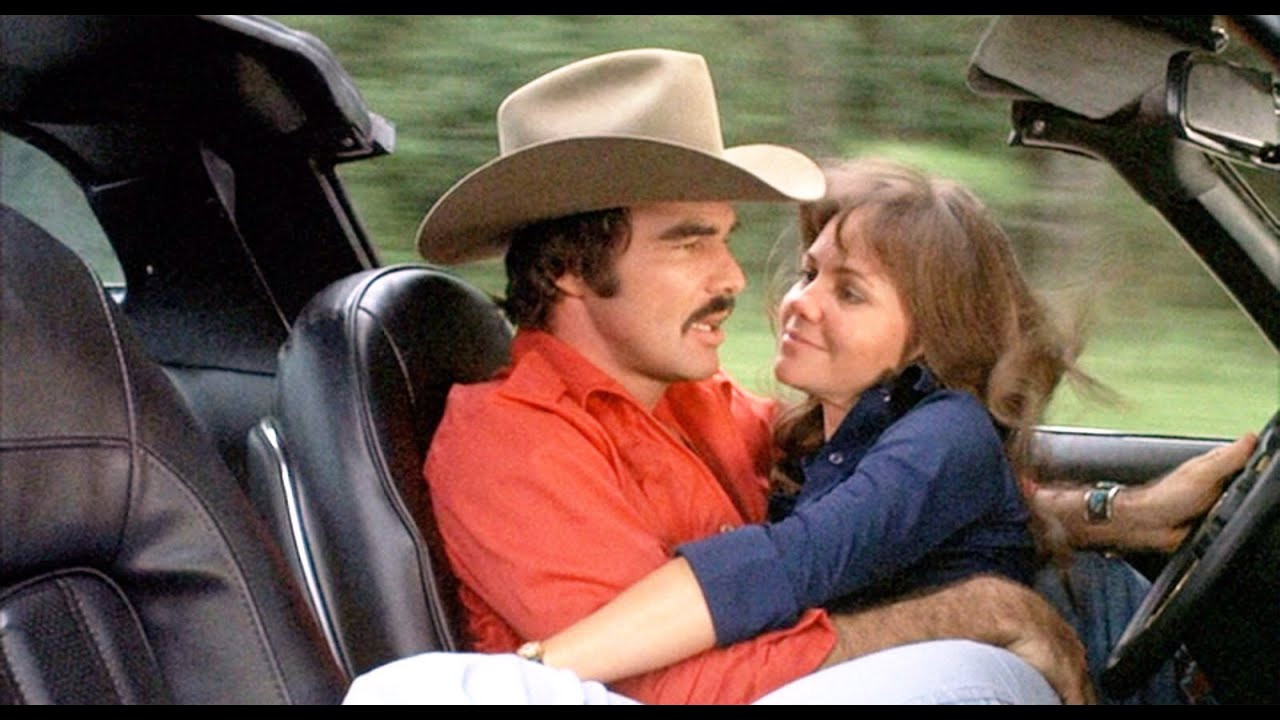
But the action looked so convincing, a real police officer, completely unaware a movie was being filmed, drove right into the middle of the set. He saw cars racing at breakneck speeds. No clear filming permits in sight and what looked like a full-on illegal street race.
The officer flipped on his lights, jumped out of his cruiser, and was ready to start making arrests, especially the stunt drivers. It took several frantic minutes for the crew to explain that it was just a movie. By then, the take was ruined, but the crew had a story they’d never forget.
The studio didn’t believe in the film’s success. Perhaps the biggest twist behind Smokeoky and the Bandit’s blockbuster success is this. Universal Pictures didn’t believe in it.
From day one, the studio saw it as a lowbrow backwoods comedy made for southern audiences and assumed it would flop anywhere else. Their lack of faith was obvious. Just 2 days before shooting began, they slashed the budget by $1 million.
Midway through production, they cut crew, tightened the schedule, and forced the team to scramble just to keep things moving. Bert Reynolds, Jackie Gleason, and the rest of the cast had to get creative, reusing locations, compressing scenes, and often just winging it. And yet, the film exploded.
Smokeoky and the Bandit became one of the top box office hits of 1977, outranking critical darlings like Close Encounters of the Third Kind and Annie Hall and coming in second only to Star Wars in domestic earnings. The studio may have given up on it, but the audience didn’t. The film proved that sometimes the so-called people’s movie connects more deeply than anything executives or critics ever expect.
The original ending was much darker than what we saw. The ending we all know, Bandit and Snowman sharing a laugh as they accept a ridiculous double or nothing bet to drive to Boston for clam chowder wasn’t what the writers originally had in mind. In the original script, the film wrapped with a much darker, more grounded ending.
Bandit was supposed to face the real consequences of his outlaw lifestyle, and the story concluded on a somber, reflective note. It was more serious and far less fun. But as filming progressed, the cast and crew realized that kind of ending didn’t match the movie’s tone.
It felt wrong, like it robbed the film of its charm. So, they scrapped it on the spot. No rewrites, no re-shoots.
just pure lastminute instinct. The ending we got was completely improvised and it worked. That spontaneous choice gave the film the upbeat, mischievous final laugh it needed.
And more importantly, it stayed true to what the audience had come to love. Fast cars, big smiles, and a good old-fashioned ride into the sunset. Critics rolled their eyes, but audiences fell in love.
Today, Smokeoky and the Bandit is celebrated as a cult classic. But when it first hit theaters, critics weren’t exactly cheering. Roger Eert gave it just two stars.
Others dismissed it as dumb, dated, and disposable. Jean Cisll also gave it two stars, nitpicking the unclear timeline for the beer run and the plot hole of Bandit not knowing Carrie had ditched her wedding. Even Leonard Molton, who was more generous with Three Stars, still called it Three Stooges Level Stuff.
But audiences, they loved it, and they made their voices heard loud and clear. The film was a box office juggernaut, pulling in over $126 million domestically and reportedly topping $300 million worldwide. It became the second highest grossing film of 1977, right behind Star Wars.
This wasn’t a critic’s darling. It was the people’s movie. And sometimes that’s the kind that stands the test of time.
It was even nominated for an Academy Award for best film editing, no less. If you’ve seen Smokeoky and the Bandit, what do you think gives the film its lasting charm? Drop your thoughts in the comments below.
We’d love to hear what you think. The film sparked a massive sales frenzy for the Pontiac Trans Am. Pontiac gave Smokey and the Bandit four Trans Ams for free.
What they probably didn’t expect, the absolute buying frenzy that followed. After the film’s release, sales of the Trans Am skyrocketed. Dealerships across the country couldn’t keep them in stock.
In some regions, sales nearly doubled within months. For the first time ever, the Trans Am outsold its longtime rival, the Chevrolet Camaro. The black and gold 1977 Trans Am became a full-blown icon, symbolizing rebellion, speed, and effortless cool.
Thanks in no small part to Bert Reynolds, who made the car look like it could practically fly. Pontiac even gifted Reynolds his own promotional Trans Am, though that specific car never actually appeared in the film. The company’s president promised him a new Trans Am every year.
Years later, in 2014, Reynolds auctioned off his collection, including that car. It was expected to fetch around $80,000. It sold for $450,000.
Even a go-kart replica of the car sold for nearly $14,000. In 2015, a Florida custom car company honored the film by building 77 new Trans Ams modeled after the original, each one signed by Reynolds himself. One of the film’s biggest fans was Alfred Hitchcock.
Of all the people who loved Smokey and the Bandit, the last person you’d expect is Alfred Hitchcock. Yes, that Alfred Hitchcock, the master of suspense behind legendary films like Psycho, Vertigo, and Rear Window. According to his daughter, Patricia, Hitchcock screened films every Wednesday in his office.
The final movie he ever screened, Smokey and the Bandit. Crew members and other sources said Hitchcock watched the film multiple times and praised it for its timing, energy, and pacing. He reportedly called it a perfect piece of American filmm.
Funny, fast, and full of movement. It wasn’t suspenseful. It wasn’t horror.
But something about the bandit’s chaotic charm clearly struck a chord with the ultimate cinematic control freak. When Alfred Hitchcock says a film is great, you don’t argue. You just hit play again.
Yes. In the final years of his life, Smokeoky and the Bandit was one of Hitchcock’s favorite films. And honestly, could there be a better endorsement?
The TV version was dubbed by the voice of Fred Flintstone. When Smokey and the Bandit first aired on American television in early 1979, network sensors faced a big challenge. Clean up the salty language.
It was standard practice at the time. dub over any dialogue that might offend family audiences. The most memorable change, Sheriff Justice’s go-to insult, some was swapped out for the much tamer and oddly catchy scumbum.
Did you see that? They went right through a roadblock. You scumbards couldn’t close an umbrella.
The new phrase even caught on with kids. Most of the original cast re-recorded their lines for the TV version except for Jackie Gleason. As a result, many of Buford T.
Justice’s lines were dubbed by none other than Henry Cordon, the voice of Fred Flintstone, after Alan Reed’s passing. Yes, you heard that right. Imagine Sheriff Justice chasing Bandit, sounding like he just stepped out of a Saturday morning cartoon.
The result? bizarre, hilarious, and absolutely unforgettable. For viewers who only saw the TV version, they had no idea just how much fire and improvisational brilliance Gleon brought to the original performance.
It’s a perfect example of how 1970s and 80s TV censorship could completely reshape a film, sometimes into something totally weird and wonderful. What the heck is the world coming? Great performances and unforgettable onscreen chemistry.
One of the biggest reasons Smokey and the Bandit became a classic is the electric chemistry and charm of its lead cast, especially Bert Reynolds, Sally Field, Jackie Gleason, and Jerry Reed. Bert Reynolds as Bo Bandit Darville was the heartbeat of the film. With his signature grin, effortless swagger, and undeniable charisma, Reynolds was the southern outlaw every audience rooted for.
He often said this was the most fun he ever had making a movie, and it shows. He wasn’t just the star, he was the driving force behind casting Sally Field. Sally Field played Carrie, the runaway bride Bandit picks up on the road.
Before this film, Field was best known for wholesome TV roles in Gig and the Flying Nun. Universal executives originally opposed casting her, thinking she wasn’t sexy enough for a major film role. But Reynolds insisted.
Field later admitted she didn’t understand why he wanted her. But once on set, she loved the experience, calling the shoot mostly improvised. Her performance was fun, grounded, and created a perfect contrast to Reynolds with sparkling chemistry both oncreen and off.
It was during filming that their real life romance began. Jerry Reed played Cletus Snowman Snow, Bandit’s loyal truck driving partner. A talented musician as well as an actor, Reed joined the film after a personal call from Reynolds.
Not only did he bring warmth and humor to the role, but he also wrote and performed the film’s iconic theme song, Eastbound and Down, which became one of his biggest hits and his musical signature. But the real scene stealer, Jackie Gleason, as Sheriff Buford T. Justice.
The studio originally wanted Richard Boone for the role, but Reynolds pushed for Gleason, calling him a little crazier, a little more dangerous, and a lot funnier. The character was based on a real Florida Highway Patrolman Reynolds’s father knew. Gleason reportedly never said a single word from the script.
He improvised nearly all of his dialogue. That ad liib genius gave us some of the movie’s funniest lines. Gleon even came up with the idea to add his bumbling son, Junior, so he’d have someone to bounce off of.
Although he was uncomfortable using foul language, Gleon still delivered some legendary lines and effortlessly stole the show. In the end, it’s this dynamic cast, especially Gleon’s wild improvisation, that gave the film its unique charm and helped make Smokey and the Bandit the unforgettable ride it still is today. Daring stunts, raw action.
Smokey and the Bandit isn’t just remembered for its cast. It’s a full throttle action film packed with jaw-dropping chases and real deal stunt work. Directed by Hal Nem, a celebrated stuntman himself, the movie’s energy was deeply shaped by his experience behind the wheel and behind the camera.
What made the action scene so thrilling? Every stunt was done practically. No CGI, no digital effects, just guts, grit, and horsepower.
From gravitydeefying jumps to high-speed pursuits and narrow escapes, the danger was real. The sweat was real. Needm pushed the limits to make sure the action felt real.
And it absolutely does, even decades later. Cultural impact, more than a movie. A southern pop icon.
Smokeoky and the Bandit wasn’t just a fun road movie. It became a full-blown cultural phenomenon with a legacy that still rolls on today. For starters, it sparked an entire community.
In 2007, Dave Hall of Restore a Muscle Car launched The Bandit Run, a now annual event where Trans Am owners and fans retraced the film’s iconic route from Tex Arcana to Jonesboro. By 2017, for the film’s 40th anniversary, the event featured a special screening, a bridge jump reenactment, and even a personal appearance from Bert Reynolds himself. The film also left its mark on advertising.
In 2014, Mobile One launched a tongue-in-cheek campaign called Smoke is the Bandit, starring NASCAR legend Tony Stewart as Bandit with commentators Daryl Walrip as Snowman and Jeff Hammond as Buford T Justice instead of Kors the prize cargo motor oil. It even included a reworked version of Eastbound and Down. Its cultural footprint extended to TV, too.
While the Dukes of Hazard evolved from Moon Runners, 1975, the massive popularity of Smokeoky and the Bandit helped bring the southern action comedy formula to mainstream television. Three Duke stars, Ben Jones, John Schneider, and Sunny Shroyer had minor uncredited roles in the film. And in a twist of fate, Bert Reynolds himself played boss hog in the 2005 Dukes movie.
Beyond entertainment, the film also became part of a larger conversation about identity in the post civil rights era south. Scholars have analyzed Smokeoky and the Bandit as a symbol of the new south, a modernized, more inclusive region trying to shake off the shadows of its past. While still celebrating white southern culture, the film distances itself from the Old South’s values.

Sheriff Justice represents the outdated, reactionary South, while Bandit, with help from black characters like the Funeral Director and the Hurst Driver, symbolizes a more integrated, forward-looking South. Yet, the contrast wasn’t always perfect. The bandit’s car displayed a Georgia front plate featuring the state flag.
At the time, that flag prominently included the Confederate battle emblem. It’s an ironic detail, a progressive hero speeding toward the future with a relic of the past strapped to his bumper. Filmed in real locations across Georgia like Mcdana, Jonesboro, Helen, and Lethonia, and ending in Ventura, California, the film captured the dusty charm, open roads, and small town spirit that made it feel real.
From the back roads to the back lots, Smokeoky and the Bandit didn’t just entertain, it defined a moment in American pop culture. Happy Days. Top 20 weird but true facts you might not know.
You think you know Happy Days? Think again. Behind the laughs, jukebox tunes, and Fon’s leather jacket lies a wild world of strange auditions, vanishing characters, and shocking behind-the-scenes twists.
This video dives into 20 weird but true facts you probably never heard about one of TV’s most iconic shows. Let’s delve right in. Pinky Tuscadero’s short stint.
Under the glow of network hype and roaring anticipation, Happy Days kicked off its fourth season with a bold storyline that had all eyes glued to the screen. The spotlight turned to Pinky Tuscadero, a dazzling leatherclad daredevil with nerves of steel and an entrance that screamed attitude. Played by Ros Kelly, Pinky wasn’t meant to be a guest star.
She was introduced as Fonza’s fiery love interest, a character designed to match his cool with equal charisma and chaos. But what unfolded off camera was a different story altogether. Tensions surfaced quickly.
Kelly, known for her blunt, nononsense demeanor, never quite blended into the tight-knit ensemble, and the atmosphere behind the scenes grew uneasy. Producers took notice. Although the press pushed the romance as TV’s next great couple, the dynamic between Kelly and the core cast lacked cohesion, industry insiders at the time described the energy as off.
And without that harmony, the story line began to unravel. Despite a strong debut, Pinky was swiftly phased out, her departure abrupt, unexplained within the show, and largely unressed in reruns. Over time, her three-ep episode arc became a curious footnote in television history, a case study in how character potential can collapse under the weight of misalignment.
Anson Williams sang songs. Money talks in show business, and on Happy Days, it often sang, too. Music from the 1950s helped set the mood at Arnold’s drive-in, but licensing those oldies could eat up a serious chunk of the show’s budget.
So, the production team got creative. Instead of paying top dollar for vintage records, they leaned on Anson Williams, better known as Potsy, to carry the tunes himself. With a clean-cut smile and a surprisingly smooth voice, Williams stepped up to the mic and recorded covers that kept the jukebox spinning without breaking the bank.
From background melodies to full-on performances, his vocals gave the show authenticity while avoiding legal tangles over royalties. Most viewers didn’t catch on. They assumed the tracks came straight from original recordings.
But tucked between the laughs and leather jackets was a clever workaround that blended talent and thrift. Williams didn’t just act. He harmonized with the financial realities of network TV.
And in doing so, he helped Happy Days preserve its musical soul without getting tangled in red tape or record label fees. Years later, many fans still recall Potsy’s onscreen performances fondly, unaware that behind the scenes, those moments were born from economic necessity and creative ingenuity. Happy Days, the Musical.
In a dazzling turn of television, nostalgia reimagined for the stage. Happy Days. The musical burst onto the scene in 2007 with its premiere at the Falcon Theater in Burbank, California.
Helmed by none other than Gary Marshall himself. Rewriting sitcom history with tap shoes and spotlights, the production swapped laugh tracks for live harmonies, complete with a sock hop spirit and jukebox charm. The show didn’t stay put for long.
Its next stop brought it east to the Paper Mill Playhouse in New Jersey and the Goodspeed Opera House in Connecticut, where audiences were treated to fresh arrangements of classic characters and choreography that winked at the 1950s without staying stuck in it. By 2008, a national US tour took the musical to cities across the country, carrying Fonza, Richie, and the gang from coast to coast. In 2014, the production made its UK debut, kicking off in Brmley before heading across Britain in a full-fledged tour.
The musical featured original songs by Paul Williams and a book by Marshall himself, blending heart and humor with Broadway flare. For fans on both sides of the Atlantic, it was a toetapping tribute to an era where cool ruled and every curtain rise came with a dose of diner daydream charm. Do you think the show would work if it were rebooted for a modern audience?
Share your thoughts in the comments, numerous spin-offs. How far can one sitcom stretch its universe before it becomes a constellation of its own? In the case of Happy Days, the answer lies in a sprawling lineup of spin-offs that radiated from its success.
The series gave birth to no fewer than five liveaction offshoots, each tracing a different thread from its cast of characters. Lever and Shirley soared in popularity, eventually rivaling the original. Mor and Mindy, born from an alien guest appearance, helped launch Robin Williams into stardom.
Joanie loves Chachi followed a younger couple chasing musical dreams in Chicago. Meanwhile, lesserknown entries like Blansky’s Beauties and Out of the Blue flirted with broader concepts. One focused on Vegas showgirl, the other on an angel in training with varying results.
A curious scheduling glitch caused Out of the Blue to premiere ahead of the episode that introduced its lead, adding to the confusion over its spin-off status. Animated adaptations soon followed, including the Fawns and the Happy Days gang, Leverne and Shirley in the Army, and a cartoon Morin Mindy. As for Leather Tuscadder, played by Susie Quattro, a solo show was proposed, but she turned it down, choosing music over more screen time.
Across formats and genres, Happy Days proved it wasn’t just a hit, it was a franchise factory. Fon’s Leather jacket. Fonza didn’t always strut into Arnold’s wearing the iconic leather jacket that would later become television’s most rebellious uniform.
In the earliest episodes, the king of cool had to settle for a tan windbreaker thanks to ABC executives who feared that black leather would scream juvenile delinquent to nervous middle American audiences. Gary Marshall, never short on creative solutions, cut a deal. Fonza could wear the jacket only if he was near his motorcycle under the logic that leather offered more safety on two wheels.
To make it work, production began staging his scenes within arms reach of the bike, indoors, outdoors, wherever the camera rolled. As ratings climbed and Fonza evolved into a cultural force, the restrictions melted away. Soon, the leather jacket appeared in every scene, whether the bike was parked or not.
The Windbreaker was quietly retired, and the leather, by now a second skin, cemented itself as a piece of television legend. Eventually, one of Fonz’s original jackets landed in the Smithsonian, where it’s displayed not as a costume, but as an emblem of how a fictional character elbowed his way into American pop culture history, one zipper at a time. It’s not just wardrobe, it’s iconography in cowhide.
Howard’s Vietnam deferment. In an era shadowed by uncertainty, when headlines were filled with casualty counts and draft numbers carried the weight of destiny, Ron Howard made a choice that rippled far beyond the soundstage. He stepped into the role of Richie Cunningham not only as an actor pursuing the next step in his career, but as a young man facing the quiet anxiety of the Vietnam draft.
According to his own recollection, years later, he’d drawn a low number in the draft lottery, low enough to raise real concern. Around that time, he came across the notion that employment directly supporting a sizable production crew might qualify someone for deferment. With Happy Days gearing up as a full-fledged network series, that possibility carried weight.
Whether the legal basis was clear or not, the thought stayed with him. If the show succeeded, he reasoned, perhaps his position could shield him. History suggests he likely wouldn’t have been called, as the draft was winding down by 1973.
But the worry was real. For Howard, stepping onto that set meant more than stepping into character. It meant placing a quiet hope in the idea that television might offer a way through the storm.
Winkler’s dyslexia and audition. Growing up, Henry Winkler carried a weight he couldn’t name. School left him frustrated, misunderstood, and constantly labeled as lazy or slow.
No one knew the truth. Not his teachers, not his classmates, not even Henry himself. It wasn’t until age 31, after watching his stepson face similar challenges, that Winkler finally learned he had dyslexia.
That diagnosis unlocked decades of confusion and reframed his entire past. But even without answers at the time, he pushed forward. During his audition for Happy Days, he was handed a script with six lines, short on paper, but a mountain for someone struggling to decode the text.
Instead of stumbling through it, he made a bold choice. He let instinct take over. He threw the words aside and brought the character to life with body language, cadence, and a spark that felt unscripted.
That moment of improvisation didn’t just land him the role of Fonza. It revealed a kind of brilliance that never came through in classrooms. Years later, Winkler would become a voice for kids battling learning disabilities, helping them find their path, much like he found his on a studio lot with a leather jacket and a little risk.
Chuck Cunningham Syndrome. How does a character go from sharing the family dinner table to being erased from the family tree without so much as a goodbye? That’s the strange fate of Chuck Cunningham, the eldest son on Happy Days, who started out dribbling basketballs and tossing out big brother advice, only to vanish by the third season.
One day he was part of the script. The next he was treated as if he never existed. No exit scene, no in universe explanation, not a single reference afterward.
The writers didn’t kill him off. They airbrushed him out. This abrupt disappearance wasn’t ignored by pop culture.
It became a textbook example. Today, when a show erases a character midstream without a trace, it’s labeled with a name born from Chuck’s ghostly fade. Chuck Cunningham syndrome.
Over the years, this term has come to define a specific kind of television amnesia, one that rewrites history while pretending it was always that way. And Chuck wasn’t alone. The syndrome has echoed across other shows, from Family Matters to The West Wing.
For someone barely written into the show’s arc, Chuck’s legacy endures in the most ironically memorable way possible by disappearing so completely he became immortal and unintentionally created one of television’s most enduring cautionary tales. Show’s original title, Cool. In television history, titles carry weight, and sometimes the fate of a series hangs on a single word.
Early in development, the creators of Happy Days flirted with a different name, a sharp, snappy label meant to capture the carefree attitude of the era. That name, cool. It had edge, brevity, and rhythm, but also stirred up unintended.
While aiming for 1950s charm, it risked evoking cigarette ads and slick marketing tropes from a very different cultural lane. Internally, doubts began to rise. The production team wanted warmth, not detachment.
That’s when a shift happened. The name Happy Days entered the conversation. Brighter, simpler, closer to the emotional center of the concept.
Though specific accounts about who proposed the change vary, the rebranding reflected a more optimistic tone, one that lined up perfectly with the show’s nostalgic embrace of post-war America. By the time the theme song kicked in and Richie Cunningham took his first stroll through Arnold’s, the new title had already laid the emotional groundwork. What started as a branding decision quietly helped shape the entire identity of a cultural juggernaut.
In the end, what they chose didn’t chase cool. It celebrated something far more lasting. What’s your all-time favorite Happy Days moment or line?
Character names, real origins. What’s in a name when it comes to characters that shaped a generation? In the case of Happy Days, the answer lies somewhere between family ties and childhood sidewalks.
Gary Marshall, the mind behind the series, didn’t pull his character names from thin air. He borrowed them from real life, the kind filled with small town anecdotes and Sunday rituals. Richie Cunningham, for example, shared his name with a boy Marshall used to see at church.
A kid whose cleancut vibe matched the world he was building. Potty Weber. That came from someone his wife remembered from school.
A name that stuck simply because it rang with the right kind of charm. and Fonzi. Well, that one had an even more personal root.
Marshall’s birth name was Masherelli, and the original plan was to call Fonza Arthur Masharelli, but it didn’t sit right in terms of rhythm or branding. So, they spun it into Fonzerelli, a name with bite and swagger. From there, the fans practically wrote itself.
These weren’t names assigned at random. They were stitched from memory, molded into television, and given a second life beneath the glow of prime time lights. The 2011 lawsuit.
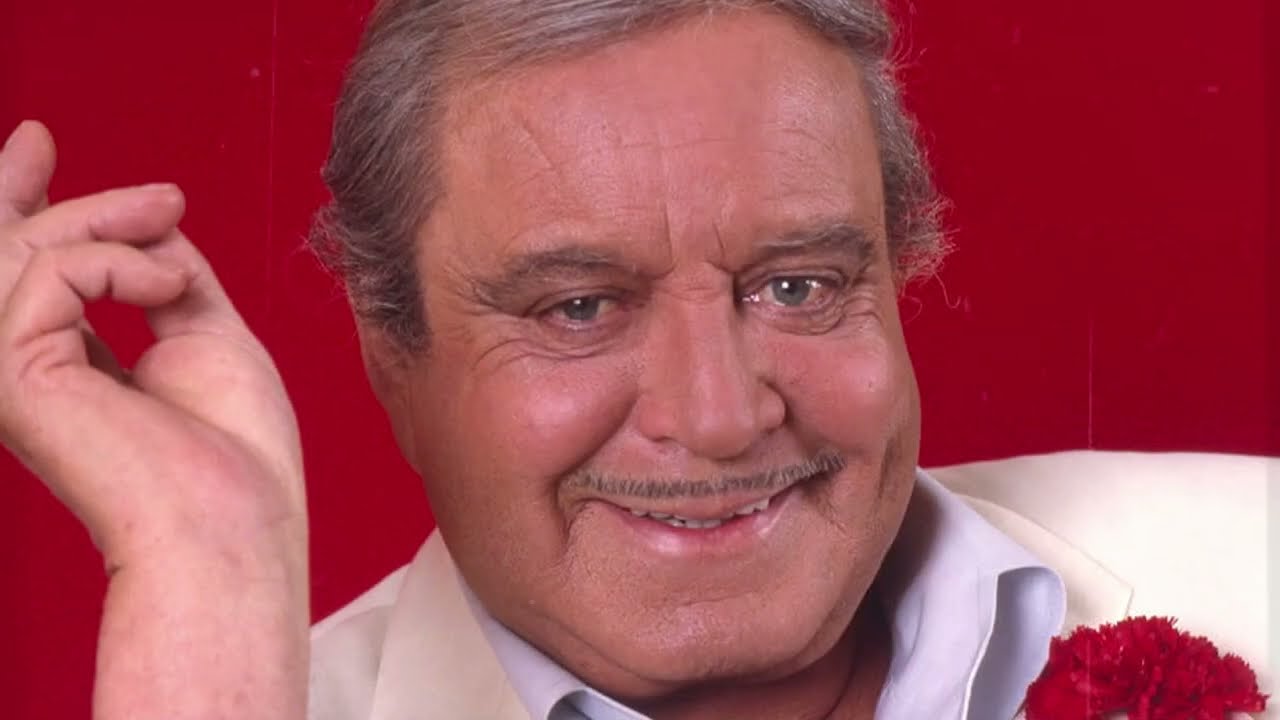
Bright studio lights don’t always cast away the shadows behind the scenes. In 2011, a legal battle burst into view when five familiar names from Happy Days. Anson Williams, Donnie Moost, Aaron Moran, Marian Ross, and the widow of Tom Bosley took CBS and Paramount to court.
The heart of their grievance, years of unpaid merchandising revenue, including profits from slot machines that used their likenesses without proper compensation. These weren’t minor disputes over trivia mugs or t-shirts. Their faces had become part of a multi-million dollar licensing machine, while their contracts, signed in another era, had been overlooked.
What began as a nostalgic sitcom turned into a cautionary tale about intellectual property and legacy rights. The group didn’t ask for chump change. Their lawsuit sought $10 million.
In the end, the case didn’t reach that mark, but each party settled for $65,000 and reportedly found peace in the outcome. The story serves as a stark reminder. Even the most wholesome shows can leave behind disputes that no laugh track can drown out.
And in Hollywood, residuals matter, especially when your name helped shape a generation. For many in the industry, it became a case study on the importance of fair compensation in a syndication-driven world. Weezer’s Buddy Holly Video.
What happens when a ’90s alt rock band crashes the set of a 70s sitcom that pretended to be the ‘ 50s? You get one of the most delightfully bizarre music videos of its decade. In 1994, Weezer dropped Buddy Holly, and instead of shooting a typical concert clip, they transported fans straight into Arnold’s drive-in.
But they didn’t do it alone. Al Molinaro, yes, the original Al from Happy Days, stepped back into his apron and reintroduced the band as if they were the pride of Kenosha, Wisconsin. The twist.
Weezer was pure Los Angeles, but the shoutout honored Molinaro’s real hometown. To sell the illusion, the video spliced crisp new footage of the band with vintage scenes from the sitcom, creating a seamless mashup of eras. Viewers saw the fawns, Richie, and the gang reacting to Weezer’s performance.
Even though those clips were lifted straight from old episodes, the result was so convincing that casual fans believed the band had timeraveled. Directed by Spike John’s, who would later earn Oscar buzz for his off-kilter brilliance, the video won multiple awards and became a cultural touchstone. In under four minutes, it managed to revive two generations of cool, all from the comfort of a 1950s style booth.
Fon’s Motorcycle Auction. A gleaming relic of TV legend found its way to the auction block in 2011. Fonzy’s motorcycle, the same Triumph Trophy TR5 that once helped define a generation’s version of cool.
Customized by stuntman Bud Eins, the bike featured stripped down fenders and a silver gas tank built to reflect the rebel image of its famous rider. It stood as more than a prop. It became a cultural artifact.
Bonhams offered it as part of their classic California collection at the Peterson Automotive Museum, setting estimates between 60,000 and $80,000. But this machine didn’t coast into a new garage quietly. Instead, it surpassed expectations and sold for $87,500 despite not being in running condition.
Later in 2018, it roared back into headlines after fetching an astonishing $179,200 at a separate auction in Las Vegas. For collectors, the price wasn’t about horsepower. It was about history.
And for fans of Happy Days, it proved that a worn out motorcycle touched by television myth could command more than admiration. It could demand a fortune. Every dent, every bolt carried the weight of prime time iconography.
Today, it’s not simply remembered as Fon’s ride. It’s revered as a totem of a time when television defined American cool. Fans versus Mickey Dolan’s.
Casting the coolest guy on TV was never going to be a simple choice, but few expected the final showdown to come down to a Shakespeare trained actor and a rock band drummer with sitcom roots. As producers searched for the right man to bring Fonza to life, Henry Winkler walked into the room with theater chops, confidence, and a Brooklyn swagger. But standing nearby, waiting for his own shot, was Mickey Dolan’s.
Yes, that Mickey Dolan from The Monkeys. With his TV experience, comedic timing, and natural charisma, Dolan brought plenty to the table. Trouble was, the guy was 6 feet tall, and next to Ron Howard’s more modest stature, he loomed a bit too large.
Meanwhile, Winkler stood at 5’6, and his size helped balance the visual chemistry of the cast. That subtle detail turned out to be a decisive factor. According to multiple accounts, Dolan’s height pushed producers in a different direction, and Winkler landed the part.
It’s one of those small behind-the-scenes decisions that changed TV history. Had the drummer gotten the nod, Fonza might have worn a different grin, and the phrase sit on it might never have caught fire. Timing, it turns out, was everything.
Winkler hated motorcycles. Who would have guessed the king of cool couldn’t stand the one thing his character was never seen without? Fonza and motorcycles go hand in hand on screen, but behind the camera, Henry Winkler was practically allergic to the darn things.
From the start, he had no clue how to ride. And the one time producers asked him to move the bike a measly 5 ft for a simple take. Chaos unfolded.
He twisted the throttle the wrong way, launched the machine like a cannonball, and nearly steamrololled the poor director of photography. Cameras stopped, crew scattered. The tough guy had become a runaway hazard.
To keep filming smooth and prevent further accidents, they got clever. They bolted the bike onto a rolling platform, pulled it along, and let Winkler mime the ride. No engine, no control, but plenty of Hollywood slight of hand.
As it turns out, the Fonza you saw cruising down Milwaukee streets wasn’t quite the rebel on wheels he appeared to be. In truth, the leather jacket hid more than attitude. It masked a deep fear of anything with two wheels and an engine.
Yet somehow that only made the performance more legendary. Ron Howard almost passed role. Before Richie Cunningham ever flashed a grin on screen, Ron Howard stood on the edge of turning it all down.
Having already spent much of his youth in front of television audiences as Opie Taylor, he wasn’t eager to risk being typcast as a perpetual teenager. The idea of spending more years locked in adolescence on camera gave him pause. He shared his concerns with Gary Marshall, candidly admitting that he didn’t want to be stuck in high school forever.
Marshall listened, then offered a promise. If the show moved forward, the characters would age, graduate, and grow, as real people do. That assurance struck a chord.
Howard reconsidered. He understood that the role wouldn’t be a step backward, but part of a larger arc, one that gave him space to evolve both as a performer and a future filmmaker. So, he agreed.
That decision not only opened the door to Richie’s earnest charm on Happy Days, but quietly helped launch a career that would later win Oscars behind the camera. A single conversation, earnest, honest, human, gave us a character millions came to cherish and a creator the industry would one day rever. Show originally pitched for the 1920s/30s.
Why would anyone choose jukeboxes over jazz bands or saddle shoes over spats? That’s exactly the question Gary Marshall faced when Paramount first approached him with a proposal to craft a sitcom set in the 1920s or 30s. Instead of diving into an era he hadn’t lived, he pitched a world he knew firsthand, the ‘ 50s and early 60s, a time of drive-ins, high school dances, and Letterman jackets.
His initial effort, a pilot titled Love and the Television set, aired quietly inside an anthology series, but failed to spark network interest. Then came a cultural shift. The unexpected success of American graffiti rekindled America’s fascination with mid-century innocence.
Studio heads came back around and this time Marshall’s vision landed. With Ron Howard, Anson Williams, and Marian Ross already attached from the unaired pilot, Happy Days took shape. Grounded not in guesswork, but in real life rhythms of a bygone youth.
Marshall’s instinct to root the story in his own lived experience proved to be the show’s secret strength. He wasn’t romanticizing an era he’d only read about. He was inviting audiences into a version of his own adolescence.
That honesty wrapped in laughter and love made the show timeless. And that’s how jukeboxes won. Mor from Orc Genesis.
A sitcom set in 1950s. Milwaukee doesn’t exactly scream aliens welcome, but a spark of childhood imagination changed everything. Gary Marshall’s young son, glued to Star Wars and bubbling with cosmic ideas, thought the show needed a visitor from space.
Not a time traveler or a dream sequence, but a full-on extraterrestrial. Marshall, being the kind of dad who listens, gave it a shot. That’s how Mor from Orc crashed into Happy Days like a UFO into suburbia.
But casting this outlandish oddball wasn’t easy. Famous names passed, unsure how to land such a zany part. Enter Ronnie Marshall, Gary’s sister.
She had spotted a quirky guy during a casting session, one who bounced around rooms like gravity had no grip on him. That man was Robin Williams. When he auditioned, he didn’t read the line straight.
He flipped the script, sat on his head, rifted from thin air, and made the whole room double over. Everyone watching knew they’d found their mor. Williams turned what could have been a throwaway guest role into a launchpad.
One that sent him rocketing toward a career nobody on Earth could have predicted. Nanu Nanu wasn’t in the script. He made it up on the spot.
Infamous jump the shark. When did a leatherclad greaser flying over a shark become the defining symbol of TV shows going off the rails? The answer lies in a sun- soaked episode of Happy Days where Fonza, yes, the jukebox thumping icon of Cool, strapped on water skis and soared over a floating cage.
The stunt wasn’t random. It came from Henry Winkler’s surprising skill on the water, and the producers wanted to build an episode around it. Winkler handled most of the skiing himself, gliding across the waves in a custom cut leather jacket with the lining stripped out to keep it buoyant.
The actual leap, though, called for a stunt double. That jump didn’t just entertain, it launched a phrase. Jump the shark became TV shortorthhand for the exact point when a series slips into absurdity.
Critics had a field day. But Winkler, he leaned into the joke, never flinching. That episode didn’t kill the show.
It became its most quoted legacy. And whether folks saw it as brilliance or bizarre, Happy Days rode that wave all the way to syndication history. Decades later, media scholars still cite the moment in pop culture classes, and the phrase lives on.
A strange yet lasting tribute to a show that dared to get airborne. Love discovering the untold stories behind classic TV? Make sure to subscribe and ring the bell.
There’s plenty more coming. House exterior location. The home where the Cunninghams waved goodbye and Fonza strolled up the driveway isn’t in Milwaukee.
It’s actually tucked away in the heart of Los Angeles. That familiar white colonial house seen in exterior shots throughout Happy Days lives at 565 North Kawena Boulevard, only a few blocks from Paramount Studios. Built in 1923, the house was a practical choice for the show’s producers, offering a classically American look that matched the story’s wholesome Midwest setting.
Interestingly, the show kept the real street number, but changed the address to 565 North Clinton Drive to better suit the fictional Milwaukee backdrop. While interior scenes were filmed on a studio set, that actual house became a recognizable icon, anchoring the series in visual authenticity. Over the years, it’s barely changed, holding on to its classic shape and timeless charm.
Passers by today will still see the same arched windows, painted shutters, and neatly trimmed lawn that viewers saw on screen each week. For fans of the series, it’s more than a filming location. It’s a small piece of television history sitting quietly on a residential street, offering one more reason to smile during a stroll through LA’s filmtoried neighborhoods.
What did you think of these behind-the-scenes secrets? Which facts surprised you the most? Let us know in the comments below.
And don’t forget to like, share, and subscribe so you never miss another deep dive into classic movie magic. Thanks for riding along with us on this high-speed adventure. We’ll see you next time.
Để lại một bình luận