


Television City in Hollywood glowed with end-of-run warmth as the cameras rolled on the season’s final taping of The Carol Burnett Show. The stage carried the familiar hum of a homecoming crowd, ready for one more night of unscripted laughter and family friction.
The host stepped into the spotlight with a grin, greeting fans the way she had for ninety-odd weeks. She toasted viewers like old friends before dropping the news: the third year was wrapping, and a fourth season was already on the books.
She teased she’d be back, drawing a rolling ovation from the balcony and a few teary waves from the front row. Then she pivoted, sliding into the first segment of the night with an audience Q&A built around viewer mail.
The mailbag was fat with questions about her exercise routine, fans curious whether the on-camera stretches had paid off. Carol cupped her hands like a megaphone and claimed nine inches had vanished since she started working out.
She credited a daily half-hour of movement for the slim-down, gesturing toward her midsection with theatrical pride. The studio audience laughed politely, half-convinced, fully charmed by her outstretched arms and mock-model poses.
Then came the demonstration, a fully-lit workout the cameras couldn’t possibly explain away. Carol planted her feet shoulder-width apart and bent forward into a slow, deliberate stretch that cracked the silence.
She rolled upright, waved her palms as if clearing chalk dust, then launched into a set of waist-trimming movements. Her elbows traced arcs through the spotlight, the audience clapping along to a rhythm only she could hear.
Next, she needed a partner, pointing toward the orchestra seats with the gleeful menace of a gym teacher. A volunteer named Max Miller rose slowly, already half-laughing, while Carol beckoned him closer.
The studio’s readouts lit up briefly as Carol positioned Max downstage, instructing him where to plant his elbows. He settled onto the floor with the careful grace of a man who knew his knees would end up on camera.
Carol stood over him with a clipboard look on her face and told the audience to count along. Max complied through a long stretch of half-sit-ups, then winced when she ordered him to bend his knees.
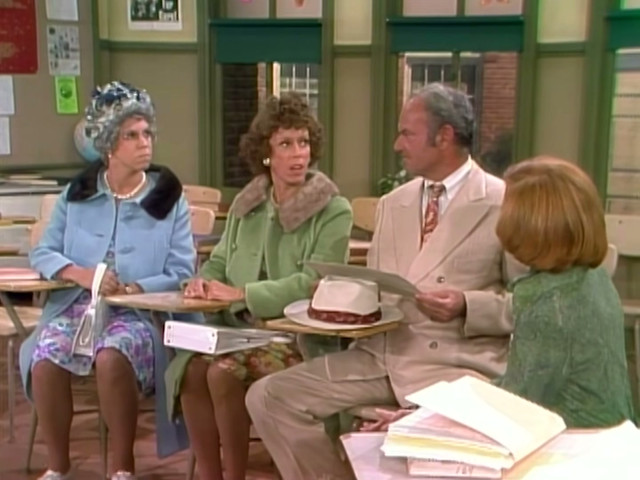
The crowd erupted, the production crew leaning out from behind the wings to catch the bit. Carol helped Max up, slapped his shoulder, and sent him back to his seat as a hero of the warm-up.
With the workout officially retired, the show’s energy tilted toward scripted material. A new sketch flickered onto the marquee, a phone-call bit featuring characters Mavis and Harry, names regular viewers could recite in their sleep.
Mavis held the receiver like a stuck orchestra baton while Harry leaned in, his brow furrowed. Together they politely declined an invitation to a roller-derby event, blaming the unfinished family income tax return.
Harry groaned about a stack of paperwork balanced on the kitchen counter, his voice trembling with theatrical dread. He griped that the most recent census form alone had knocked him sideways, sapping the will to do anything else.
“Income tax is the curse of every working man,” he complained, throwing his arms wide for the front row. He added that he was still pooped from filling out the previous night’s stack of survey sheets.
Mavis rolled her eyes, told him he was being ridiculous, then hung up with a polite click. The camera pulled back, lights shifted, and the foley crew rolled in a new set: the cramped, familiar apartment.
The living room looked exactly as fans remembered, chipped wallpaper, wobbly end table, lampshade slightly crooked. Every prop whispered continuity, a comforting ritual for the audience that had watched the family argue for years.
Harry stomped in holding a folded newspaper, while his wife sorted the mail at the kitchen counter. They launched immediately into affectionate insults, a marital sport neither of them planned to retire.
“You forgot to call me at the office again,” she said, tapping a letter against her palm. Harry winced, counter-complained that she’d moved the trash cans without warning him, and settled into the bitter couch.
The bickering escalated into a tender conspiracy about a beer-can collection sitting in the garage. Harry swore the cans would fund first-class plane tickets on a 747, the kind of scheme only sitcom husbands could pull off.
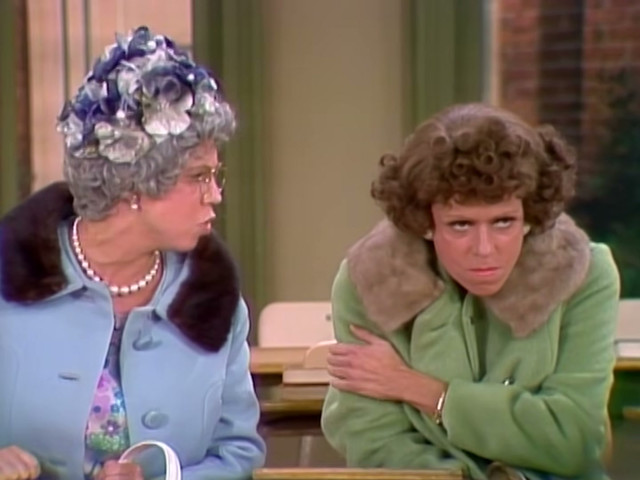
She reminded him that a 747 was a commercial jet, several thousand tickets by any count. Harry shrugged, certain the cans would earn enough at the recycling center to cover at least one seat in coach.
Then she swung open the fridge, sniffed a lidded pot, and announced leftover stew for dinner. Harry recoiled, claiming the bowl smelled like something the radiator coughed up after a long winter.
He demanded a list of whatever else was in the icebox, eyebrows raised in cartoonish suspicion. She glowered, reminded him he had been the one to forget the groceries, and slammed the refrigerator door with affectionate violence.
Harry sighed, lowered himself into the armchair, and confessed the real reason he hadn’t slept. The couple still needed to complete that night’s tax form, the unfinished business that had derailed every other plan.
She declared the kitchen table a war zone and warned him she would not be counting deductions. Harry clutched his forehead, muttering about the long arm of the Internal Revenue Service reaching inside his own living room.
The audience chuckled, recognizing a tax-season dread that had outlived every presidential administration. Carol broke character just long enough to acknowledge the laugh, then signaled the camera for the sketch’s punchline.
Harry flipped the form to the back page, stared at the final line, then looked up in mock horror. “We owe them,” he whispered, the way a man whispered about a diagnosis, sending the room into delighted groans.
She snatched the form, ran her eyes down the columns, and tossed it back onto his lap. She told him to start filling, or she would start filling instead, and he wouldn’t enjoy that at all.
Harry slumped into the cushions, beaten, his coffee cup balanced on his knee. The show’s laugh track underwrote the moment, the credits hovering just above as the studio warmly let the finale drift toward its last commercial.
Inside Television City, fans clapped long after the house lights began to rise. The season finale had done what every apartment sketch promised: it delivered love, laughs, and taxes due, in equal, memorable measure.
