Hospital Waiting Room Reunion Escalates Into Status Duel Over Husbands And Flower Bills

The hospital waiting room hums with quiet urgency, a space where time feels suspended under fluorescent lighting. Chairs line the walls in orderly rows, occupied by families scrolling phones or staring at closed doors.
Amid this subdued rhythm, two women recognize each other after years apart. Their first exchange is cautious, almost disbelieving, as if memory is being matched against reality in real time.
A hesitant smile breaks the initial stiffness, followed by the shared recognition of high school hallways and distant teenage years. The sterile environment makes the reunion feel both accidental and oddly fated.
They sit opposite each other near a low table stacked with outdated magazines and a flickering television mounted high on the wall. The hospital announcements echo faintly through overhead speakers, naming departments and occasional patient updates.
Between those interruptions, their conversation begins to unfold. At first, the talk is harmless and nostalgic, circling old classmates and forgotten school events.
Laughter appears briefly when recalling shared teachers and awkward ceremonies that once felt monumental. Yet beneath the warmth, both women begin measuring the present against the past.
One woman casually mentions her husband’s demanding corporate position, describing him as constantly pulled between meetings, travel, and urgent decisions. Her tone carries pride, but also a practiced familiarity with his absence.
She adds that he relies on her judgment more than he admits. The other woman listens carefully, nodding before responding with her own account of a husband gaining attention as a rising novelist.
She describes early reviews that hint at future acclaim and a growing circle of literary interest. Her voice lifts slightly when mentioning the anticipation surrounding his next work.
The conversation shifts without announcement into comparison, each detail becoming a quiet marker of status. Compliments are exchanged, but they land like careful probes rather than simple kindness.
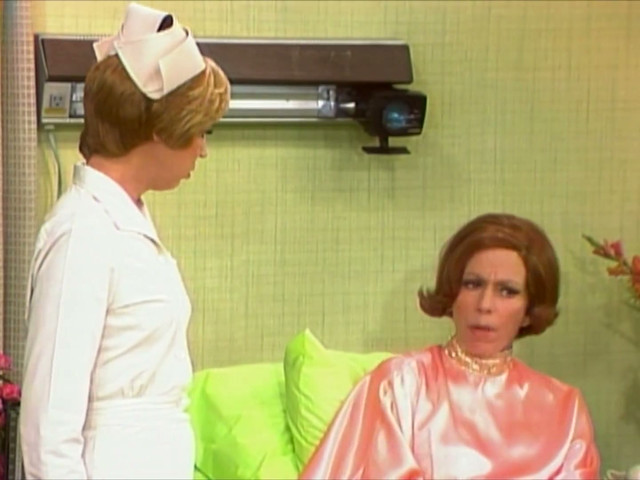
The waiting room feels smaller as their words begin filling the space. A nurse passes by with a clipboard, briefly interrupting the exchange with procedural questions directed toward nearby families.
The pause creates a brief reset, but once she leaves, the women return to their stories with renewed precision. Each now adjusts tone and detail more deliberately.
The corporate executive husband becomes a recurring figure of stability and pressure, described through late-night calls and constant decision-making. The woman explains that even during hospital visits, his messages arrive regularly, asking for reassurance or quick judgments.

She frames this as devotion mixed with dependence. In response, the novelist husband is portrayed as emotionally absorbed in creative work, often isolated while drafting pages that could define his career.
The woman highlights growing attention from readers and early industry interest that seems to validate his path. Her words suggest a future unfolding in real time.
The hospital environment adds its own rhythm to their exchange, with rolling carts and distant monitor beeps punctuating sentences. A family nearby opens a bag of snacks, the crinkling sound momentarily distracting both women.
Yet neither fully steps away from the subtle competition forming between them. Flowers begin appearing intermittently at the reception desk, each delivery labeled and carefully arranged.
Staff members glance at clipboards, trying to match orders with patient rooms and billing records. The repeated arrivals introduce a quiet sense of confusion into the otherwise controlled setting.
One delivery draws attention when the receptionist pauses, scanning paperwork with visible uncertainty. A nurse is called over, then another staff member joins, reviewing notes with mild frustration.
The flowers remain staged at the counter, bright and excessive against the clinical backdrop. The women notice the activity and instinctively link it to their ongoing conversation.
The corporate executive’s frequent gifts become part of the narrative, described as routine gestures of attention and reassurance. The novelist’s situation is framed as less material but equally expressive in emotional tone.
As the stories expand, both women begin refining their language, choosing words that subtly elevate their respective marriages. Phrases like “always supportive” and “deeply invested” appear more often, each carefully placed.
The conversation becomes less about memory and more about positioning. A brief silence settles when another announcement echoes through the speaker system, calling for a department update.
In that pause, both women glance around the room, as if suddenly aware of being observed. The shared space feels like an audience without spectators.
The corporate executive is now described as receiving constant deliveries, including frequent floral arrangements sent to both home and hospital. The woman mentions how staff often recognize his name due to repeated orders.
She presents this as evidence of unwavering affection. The novelist’s partner is described in more abstract but equally confident terms, with admiration from literary circles and growing public curiosity.
The woman emphasizes anticipation rather than material display, suggesting recognition that has not yet fully arrived. Her tone carries quiet certainty.
The waiting room’s atmosphere shifts as administrative staff begin reviewing billing discrepancies tied to multiple floral deliveries. Papers are exchanged, and a small cluster forms near the counter, speaking in low, efficient tones.
The situation feels routine for them but disruptive to the room’s calm. One staff member approaches the seating area briefly, asking general verification questions about delivery recipients.
The interruption breaks the conversational rhythm between the two women, forcing a temporary pause. Both watch the exchange with restrained curiosity.
When the staff steps away, the conversation resumes, but with slightly altered energy. The earlier confidence now carries a hint of uncertainty, as if each woman is reconsidering the weight of what she has shared.
The competition softens but does not disappear. The issue of unpaid floral bills surfaces indirectly when another delivery is marked pending resolution.
The mention travels quickly among staff, creating a subtle ripple of attention. The women exchange a brief glance without commenting directly.
Their earlier stories now feel slightly exaggerated under the fluorescent lights, though neither openly admits it. Humor begins to surface, thin but intentional, as a way to relieve mounting tension.
Small smiles replace earlier intensity. The corporate executive’s constant presence is reinterpreted as both support and logistical complexity.
The novelist’s rising recognition is reframed as promising but uncertain, still in development rather than fully realized. Both narratives lose some of their sharp edges.
A vending machine nearby emits a mechanical buzz as a customer retrieves a drink, adding to the ambient noise. The sound becomes oddly grounding, pulling attention back to ordinary reality.
For a moment, neither woman speaks. The final resolution of the floral billing confusion restores order to the reception area, with staff confirming corrections and closing paperwork.
The flowers are reorganized, and the counter clears of immediate tension. The disruption fades into routine hospital activity.
The women prepare to leave at nearly the same time, gathering belongings with polite acknowledgment of the encounter. Their farewell is warm but measured, shaped by the unspoken awareness of what was said and implied. The reunion ends without resolution, only reflection.
Để lại một bình luận