
Some Hollywood stars become memorable because they seem larger than life. Others stay with us because they make ordinary people feel completely real.
For moviegoers who came of age in the late 1970s and 1980s, this actress belonged unmistakably to the second group.
She could be stubborn, vulnerable, romantic, funny, wounded, and fiercely independent — sometimes within the same scene. She never seemed interested in playing a perfectly polished Hollywood heroine.
Her name is Debra Winger, and during a remarkable stretch of American cinema, she delivered performances in Urban Cowboy, An Officer and a Gentleman, and Terms of Endearment that helped make her one of the defining actresses of her generation.
And tucked inside that extraordinary career is an unusual connection to another beloved 1982 film — E.T. the Extra-Terrestrial.
A Face That Takes Us Back to Another Hollywood
Look at photographs of Winger from the early 1980s and an entire era seems to return.
Movie theaters still had enormous marquees.
People discovered upcoming films through newspaper advertisements and television commercials.
Soundtracks played on vinyl records and cassette tapes.
And when a romantic drama became a hit, audiences often talked about it for months.
Winger arrived during a period when Hollywood was beginning to make room for female characters who felt less idealized and more complicated.
She fit that moment perfectly.
Her performances rarely seemed carefully arranged to make a character lovable at every second. She allowed women on screen to be frustrated, difficult, uncertain, ambitious, and deeply emotional.
That authenticity became her signature.
Before the Officer, There Was the Cowboy
Many audiences first truly noticed Winger in the 1980 drama Urban Cowboy.
Playing Sissy opposite John Travolta, she entered a story filled with country music, honky-tonk culture, romance, jealousy, and working-class dreams.
The role helped establish the qualities that would soon define much of her career.
Sissy was not a decorative love interest.
She pushed back.
She made mistakes.
She demanded something from the people around her.
Winger made those contradictions feel natural, earning significant attention for the performance and establishing herself as a major emerging talent.
For viewers who remember the film’s original release, Urban Cowboy also evokes a particular slice of American culture — denim, dance floors, mechanical bulls, and country music booming from jukeboxes.
It is the kind of movie that can bring back more than a story.
It brings back a time.
Then Came the Film That Made Her Impossible to Ignore
Two years later, Winger starred opposite Richard Gere in An Officer and a Gentleman.
She played Paula Pokrifki, a factory worker who becomes romantically involved with Zack Mayo, a Navy aviation officer candidate played by Gere.
The movie combined romance with ambition and personal struggle, and Winger’s performance earned her an Academy Award nomination for Best Actress.
What made Paula memorable was not simply the romance.
She wanted a different future.
She could be hopeful and skeptical at the same time.
She loved deeply without becoming passive.
Winger gave the character a grounded emotional quality that helped balance the film’s sweeping romantic moments.
Decades later, the movie remains closely associated with the early 1980s — and Winger remains inseparable from its appeal.
When Screen Chemistry Becomes Movie History
Part of the lasting fascination surrounding An Officer and a Gentleman comes from the chemistry between Winger and Gere.
Their characters do not move smoothly toward romance.
They argue.
They misunderstand each other.
They carry fears and ambitions that frequently collide.
That tension gives the relationship its energy.
Stories about disagreements surrounding the production have circulated for years, but whatever happened away from the camera, the performances worked on screen. The original article notes that Winger’s intensity and independence became part of her growing reputation during this period.
For audiences, that is ultimately what remains.
Not gossip.
Not rumors.
The movie.
A Different Kind of Leading Lady
Winger arrived at a moment when audiences were increasingly interested in women who did not fit the traditional Hollywood mold.
Her characters could be attractive without being defined by appearance.
They could be romantic without surrendering independence.
That may sound ordinary today, but it contributed to what made her performances feel fresh during the period.
She seemed less concerned with being admired than with making a character believable.
And believable characters tend to age better than fashionable ones.
1982 Also Gave Her a Surprising Connection to E.T.
The same year An Officer and a Gentleman reached theaters, Steven Spielberg’s E.T. the Extra-Terrestrial became one of the defining movies of the decade.
Winger had a small and unusual connection to the film.
The primary voice of E.T. was performed by Pat Welsh, whose distinctive raspy delivery became central to the character. Sound designer Ben Burtt also blended recordings from numerous other sources, including people and animals, and Debra Winger was among the additional vocal contributors used in creating E.T.’s final sound. Winger also made an uncredited appearance during the Halloween sequence.
It is a charming piece of movie trivia because the two films could hardly feel more different.
One was an adult romantic drama.
The other involved a lonely child befriending a gentle visitor from another world.
Yet Winger became connected, in very different ways, to both films during the same extraordinary year.
Then Came Terms of Endearment
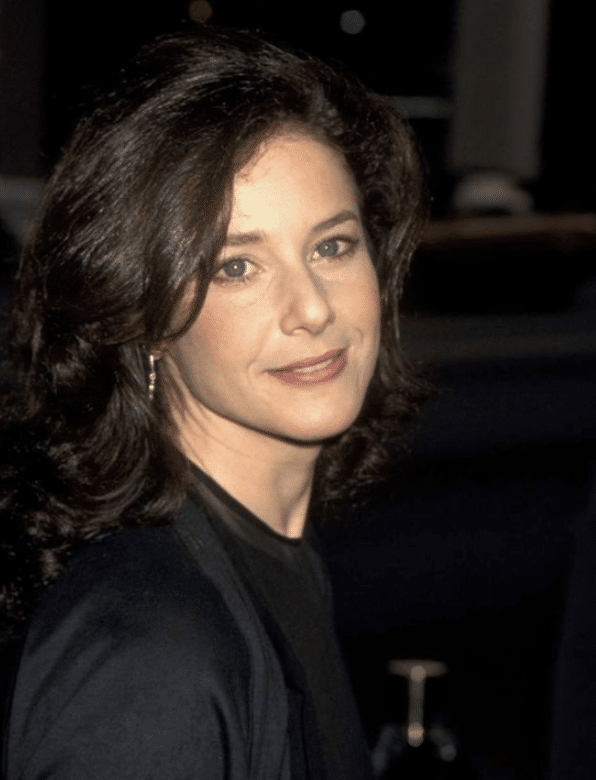
If there were any doubts about her dramatic range, Terms of Endearment answered them in 1983.
Winger played Emma Greenway opposite Shirley MacLaine as Aurora, her strong-willed mother.
The relationship between the two women gave the film much of its emotional power.
Their characters loved each other.
They irritated each other.
They misunderstood each other.
And beneath every argument was the unmistakable bond of family.
Winger received another Academy Award nomination for Best Actress for the performance.
For many viewers, Terms of Endearment remains one of those movies that is difficult to watch casually.
It asks audiences to laugh, become frustrated, and eventually feel deeply for people who resemble real families more than idealized movie characters.
Winger was essential to that effect.
Three Films, Three Very Different Women
Consider the range of only a few years.
Sissy in Urban Cowboy.
Paula in An Officer and a Gentleman.
Emma in Terms of Endearment.
None feels like a variation on the same character.
Yet all possess something audiences came to associate with Winger — an unwillingness to appear emotionally tidy.
She made contradiction interesting.
That quality gave her performances a sense of unpredictability.
You never felt entirely certain how her character would react next.
Life is often like that.
Perhaps that is why audiences believed her.
Stepping Away From the Hollywood Machine
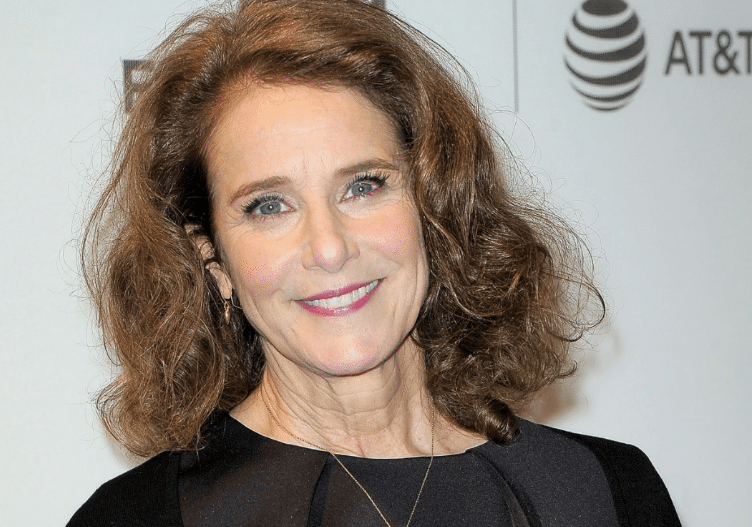
Winger continued working in acclaimed films during the following decade, including Shadowlands, which brought another Academy Award nomination for Best Actress. She later stepped away from mainstream Hollywood for several years before returning to acting.
That decision became part of her public image.
Hollywood often encourages successful actors to remain constantly visible.
More premieres.
More interviews.
More films.
More publicity.
Winger followed a different rhythm.
Her career became less about maintaining nonstop celebrity and more about choosing when and how she wanted to work.
That independence seems remarkably consistent with the women she often played.
Why Debra Winger Still Matters
Not every major performer needs a perfectly polished mythology.
Debra Winger’s enduring appeal comes from something more interesting.
She appeared willing to be complicated.
Her characters were rarely flawless.
Her career did not follow the easiest possible path.
And her screen presence never felt interchangeable with anyone else’s.
In only a few years during the early 1980s, she helped create several performances that remain deeply attached to American movie memory.
For viewers who saw those films when they were new, hearing her name may still bring back the glow of a theater screen and the feeling of discovering a performer who seemed completely different.
For younger audiences, the movies remain waiting to be discovered.
Either way, the secret of her longevity is remarkably simple.
Để lại một bình luận